

Antique Vienna Bronze Figure
An antique vienna bronze figure brings small, highly detailed worlds of animal studies and orientalist scenes into focus through precise metalwork and brilliant coloured paint.
Antique Vienna Bronze Figure
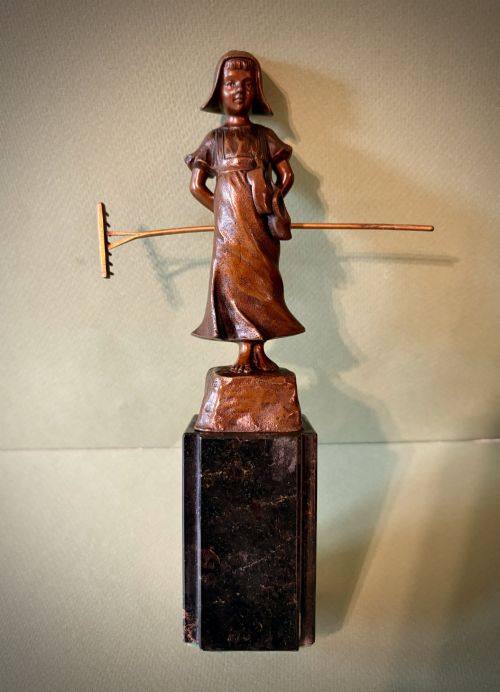
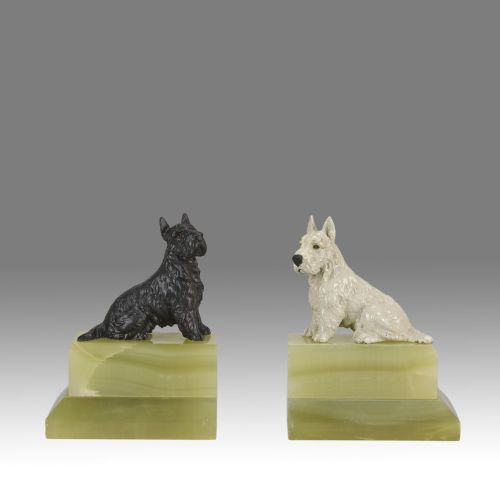
An antique vienna bronze figure represents a distinct tradition of Austrian metal sculpture originating in the late nineteenth and early twentieth centuries. When searching for this phrase, collectors encounter animal figurines, human sculptures, and functional objects like desk accessories and bookends.
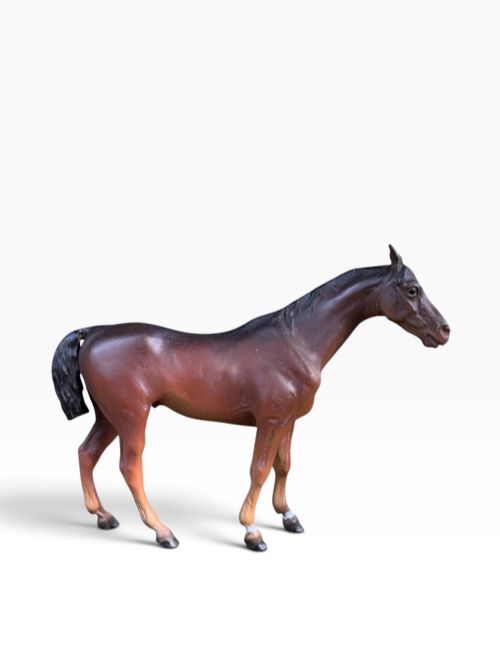
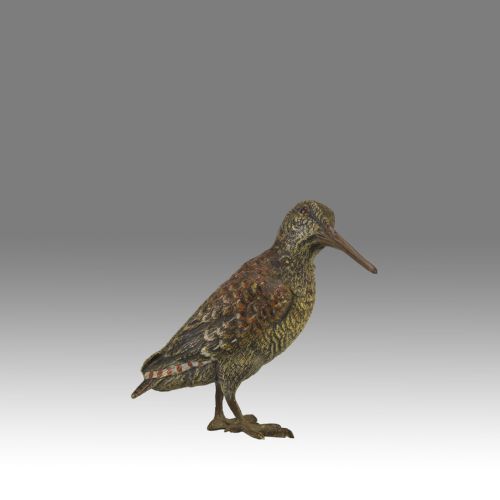
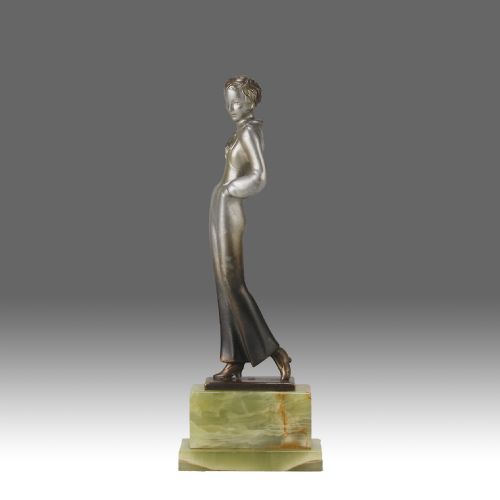
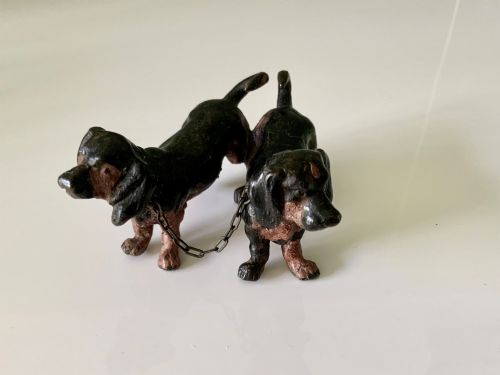
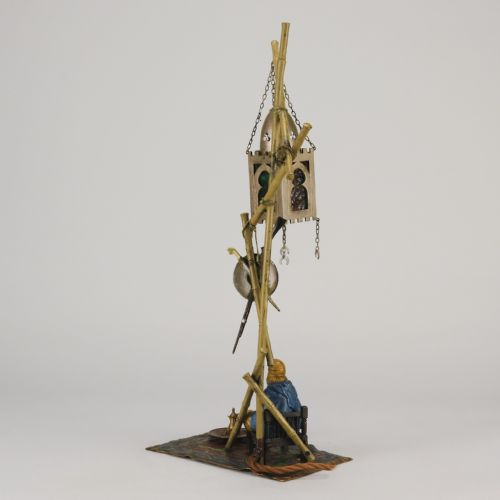
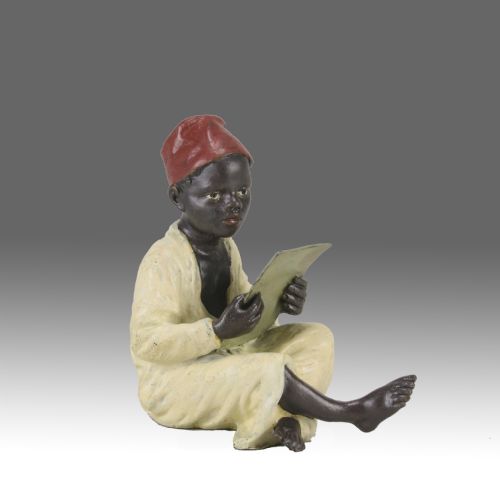
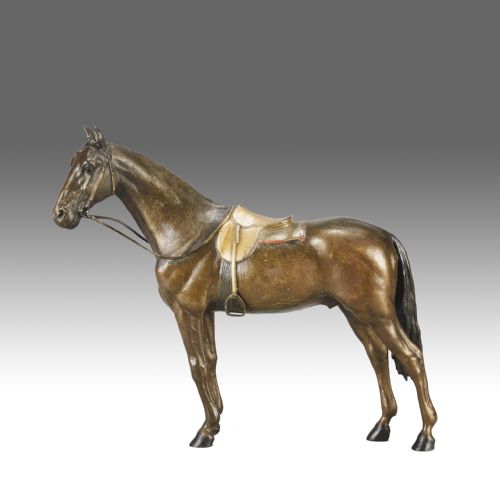
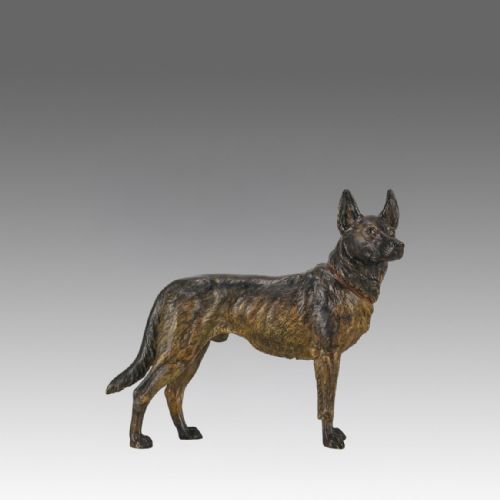
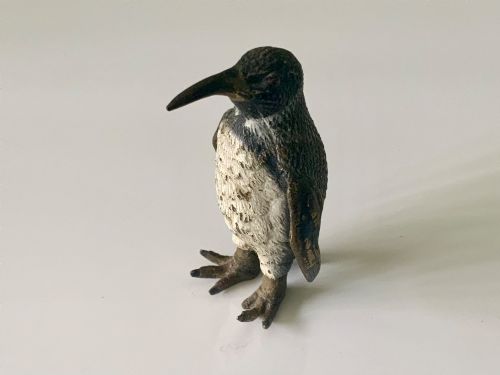
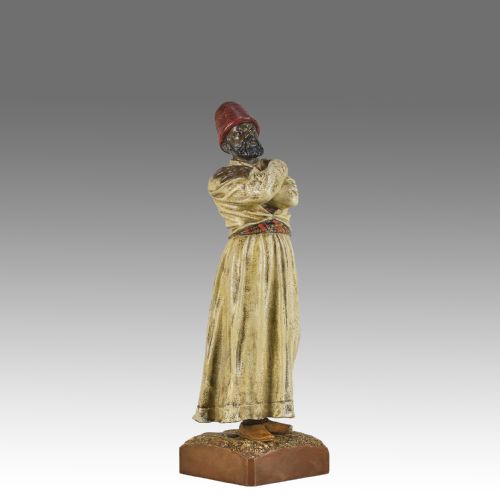
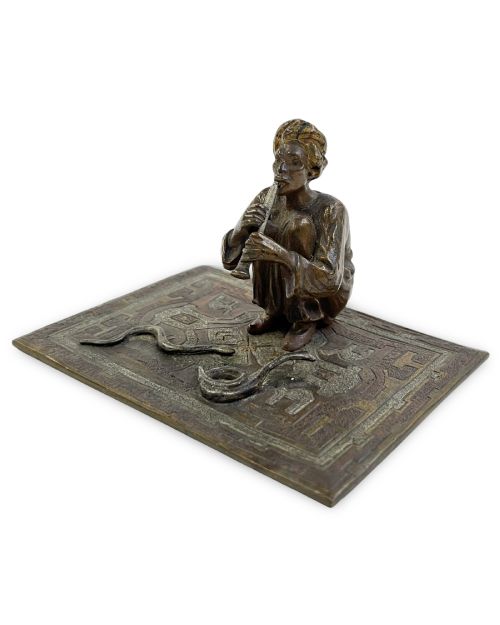
The pieces appearing on this page span the Victorian, Edwardian, Art Nouveau, and Art Deco periods. Animal studies of birds, dogs, and horses predominate alongside orientalist figures such as Arab boys, snake charmers, and whirling dervishes.
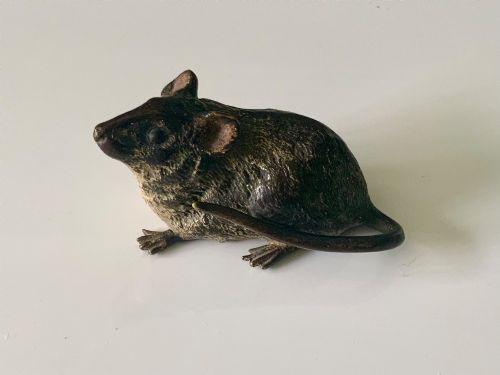
Makers produced these works in bronze and cold-painted bronze, frequently mounting them on bases of marble, onyx, or quartz rock. The scale ranges from tiny mice and birds to larger figural groups and sculptural lamps.
How They Were Made
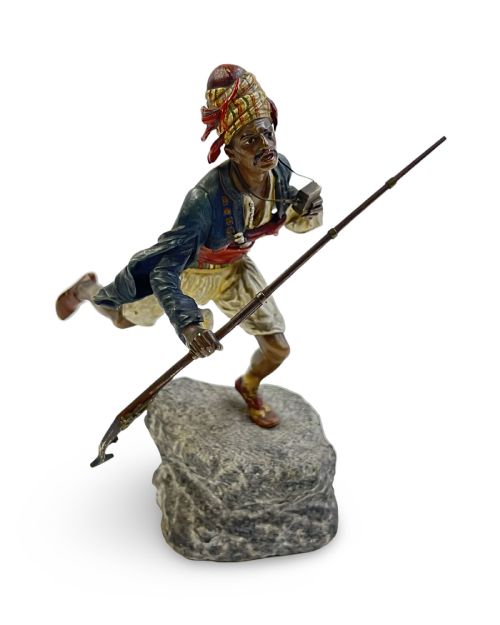
Artisans cast the core forms in bronze using traditional foundry techniques, capturing fine anatomical details and textures in the metal before finishing. Many items received a patinated or cold-painted surface treatment, applying polychrome paint directly to the unheated bronze surface.
Certain figures incorporate mixed media elements, pairing the cast bronze body with natural stone bases such as green onyx, marble, or quartz rock. Functional pieces like desk tidies and inkstands integrated the figural bronzes directly into practical desk accessories.
Listings feature cold-painted bronze, marble, onyx, and terracotta across Victorian, Edwardian, Art Nouveau, and Art Deco periods.
What Varies In Quality
The degree of realism and crispness in the original bronze casting dictates the initial quality of the piece. Master founders achieved exceptionally fine anatomical definition in feathers, fur, and facial expressions.
The preservation and execution of the cold-painted surface layer separate ordinary examples from superior ones. Skilled polychrome application with vibrant, layered hues contributes significantly to the visual weight and appeal of the finished object.
Franz Bergman·Josef Lorenzl·Carl Kauba·Friedrich Goldscheider·Rudolf Küchler
The Antique Vienna Bronze Figure Glossary
- Cold-Painted Bronze
- A technique where paint is applied to a cold bronze casting rather than fired in a kiln. This surface decoration often shows characteristic wear over decades.
- Geschützt
- A German term meaning protected or registered, frequently stamped on Austrian bronzes to indicate a legally protected design. It appears alongside maker marks on period pieces.
- Orientalism
- An artistic style depicting Middle Eastern and North African subjects, highly popular among Viennese bronze founders. Figures often include warriors, merchants, and dervishes.
- Polychrome Paint
- Multiple colours applied to the surface of the sculpture to create lifelike plumage in birds or detailed garments on human figures. This colourful finish defines the Vienna bronze aesthetic.
Antique Vienna Bronze Figure: Frequently Asked Questions
How do I clean cold-painted bronze?
Dust gently with a soft, dry brush to protect the delicate painted surface. Avoid liquid cleaners and moisture entirely, as water will strip the historic cold paint.
Are all Vienna bronzes marked?
Many pieces carry foundry stamps, artist signatures, or registration marks such as Geschützt, but numerous authentic period items remain unmarked. Absence of a signature does not rule out period Austrian manufacture.
What subjects are most common?
Animals form the largest category, including birds, dogs, horses, and wild cats in natural poses. Human figures, particularly orientalist subjects and dancers, also appear frequently.
How do I display these figures?
Place them away from direct sunlight and high humidity to preserve the polychrome paintwork. Secure stable surfaces prevent accidental tipping, especially for pieces mounted on stone bases.