






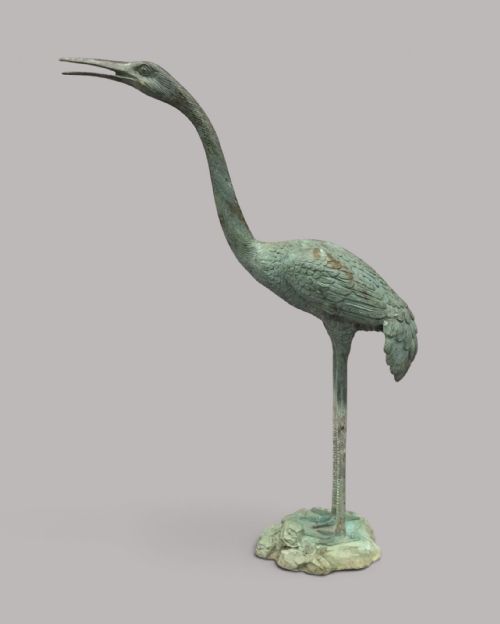

Patinated Bronze Decorative Statue
A patinated bronze decorative statue brings tactile depth and sculptural presence to an interior, drawing the eye through rich surface tones and expressive metalwork.
Patinated Bronze Decorative Statue
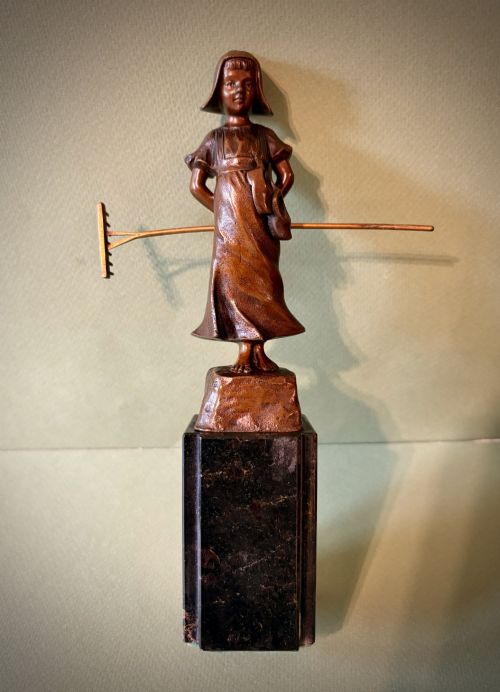
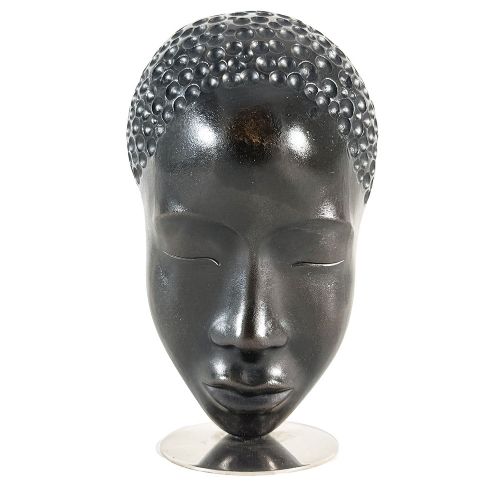
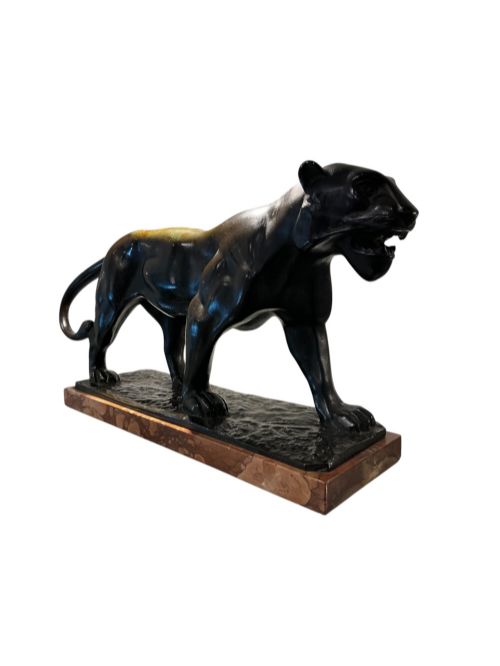
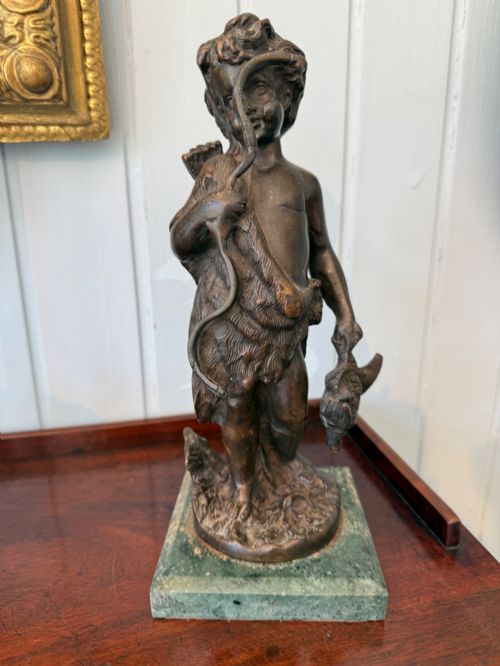
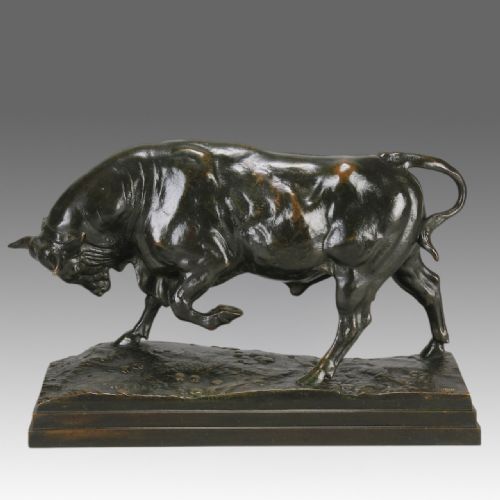
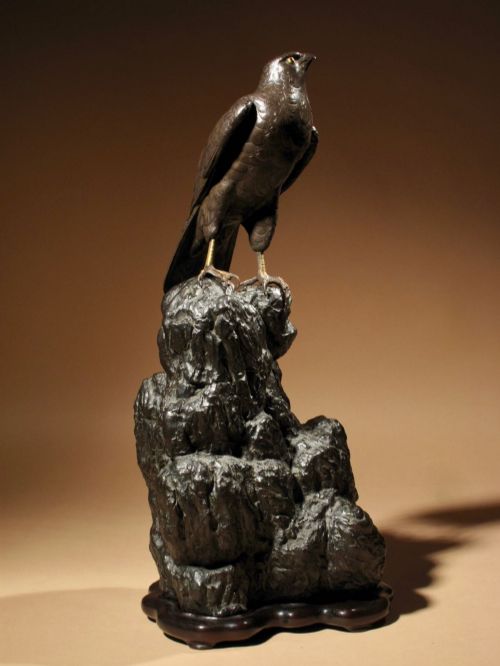
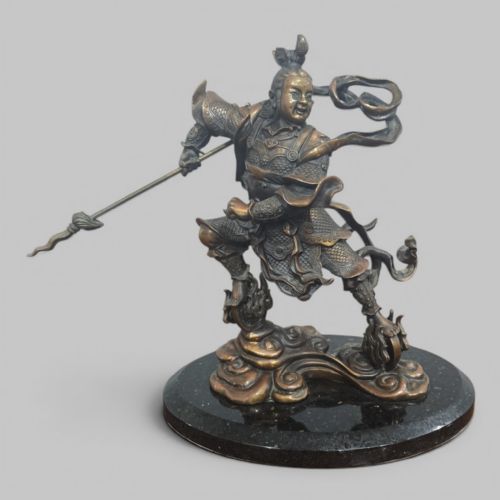
When you search for a patinated bronze decorative statue, you encounter a diverse array of figural works, animal studies, and busts spanning the nineteenth and early twentieth centuries. These pieces encompass classical figures, animalier subjects, and modernist interpretations designed to serve as focal points in domestic interiors.
The selection on this page relies heavily on French and Austrian origins, alongside pieces reflecting Art Deco and Art Nouveau movements. Forms range from standalone sculptures and bookends to figural lamps and mantle clocks, frequently mounted on stone bases.
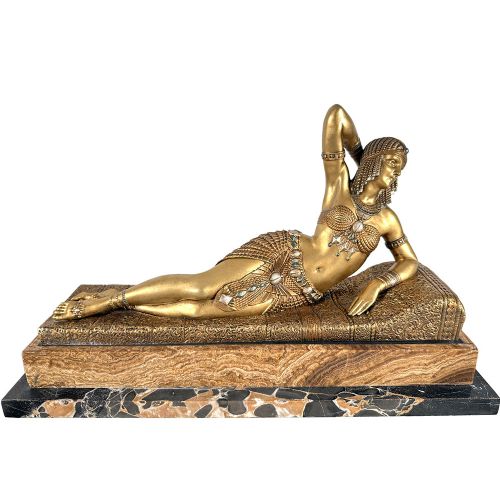
Nineteenth-century academic bronzes and animalier studies sit alongside dynamic Art Deco dancers and panels. This mix offers buyers a direct encounter with distinct historical periods of metal casting and design.
How they were made
These works are produced using traditional metal casting techniques, primarily capturing molten alloy in moulds before undergoing surface finishing. Artisans apply chemical treatments to achieve patination, creating varied dark, metallic, or greenish surface tones on the bronze.
Many figures are mounted upon integral or separate bases composed of marble, onyx, alabaster, or wood. This combination of heavy metal and polished stone provides both structural stability and visual contrast.
Patinated Bronze Decorative Statue Retail Price Guide 2026
Typical asking prices for patinated bronze decorative statue among the pieces listed under this phrase on Sellingantiques today, from the lower quarter to the upper quarter. They describe what is for sale here now, not the wider market.
Listings span periods from the early nineteenth century through the Art Deco era, encompassing bronze, spelter, and terracotta materials.
What varies in quality
The depth and uniformity of the patination also dictate quality, with better patinated surfaces showing layered tonal variations rather than flat painted finishes. Furthermore, the selection and density of the supporting marble or alabaster base contribute to the overall integrity of the piece.
Hagenauer·Bruno Zach·Antoine Louis Barye·Demetre Chiparus·Lucien Madrassi·Edith Parsons·Alexandre Kelety·Isidore Jules Bonheur·Albert Carrier Belleuse·P Sega·Moreau·Pierre Jules Mène·Renzo Colombo
The Patinated Bronze Decorative Statue Glossary
- Patinated bronze
- Bronze metal treated with chemical solutions to produce a specific surface colour or aged finish. This process highlights sculptural details and protects the metal from oxidation.
- Animalier
- A nineteenth-century artistic style focused on the realistic depiction of animals. Practitioners specialised in capturing creatures in motion or repose.
- Spelter
- An alloy of zinc, sometimes used as a less expensive alternative to bronze in figural casting. It is frequently painted or patinated to resemble heavier metals.
- Gilt bronze
- Bronze that has been coated with a thin layer of gold or gold-coloured alloy. This technique adds a bright, reflective finish to decorative objects and clock mounts.
- Chasing
- The manual refinement of a metal casting using punches and hammers to sharpen details and remove surface flaws. Skilled chasing elevates the final definition of a sculpture.
Patinated Bronze Decorative Statue: Frequently Asked Questions
How do I clean a bronze statue?
Dust the surface regularly with a soft, dry brush to prevent particulate accumulation. Avoid using chemical cleaners, water, or abrasive cloths that can strip the chemical patination.
Apply a very thin coat of microcrystalline wax if the surface requires protection against moisture. Buff gently with a clean cloth after application to maintain the original sheen.
Are all these statues solid bronze?
Many listings feature solid cast bronze, but some works incorporate alternative materials such as spelter or terracotta. Check the material specifications in each individual listing to confirm the exact composition.
Base materials also vary, with marble, onyx, alabaster, and wood frequently employed to mount the figures. These bases add weight and complement the overall design of the object.
What is an animalier bronze?
An animalier bronze is a sculpture focusing specifically on the naturalistic portrayal of animals. These pieces gained popularity during the nineteenth century through the work of specialised sculptors.
Subjects range from predatory cats and farm animals to birds and horses captured in active postures. The style emphasises anatomical accuracy and dynamic movement.
How do I date a bronze figure?
Dating relies on stylistic markers, casting techniques, and specific design movements associated with the piece. Art Deco and Art Nouveau aesthetics point towards the late nineteenth and early twentieth centuries.
Signatures or foundry marks stamped into the bronze can also provide clues to the origin and period. Comparing the surface wear and patination style helps contextualize the age of the work.
Where should I place a heavy bronze?
Position heavier sculptures and bookends on sturdy furniture such as sideboards, desks, or mantelpieces that can support the weight. Ensure the surface is level to prevent any risk of tipping.
Keep bronze works away from direct, prolonged sunlight and excessive humidity to preserve the patination. Adequate lighting helps accentuate the contours and surface tones of the metal.