


Antique Victorian Ewer
An antique victorian ewer brings the classical pouring vessel into the nineteenth-century interior as a piece of decorative metalwork, glass or ceramic.
Antique Victorian Ewer
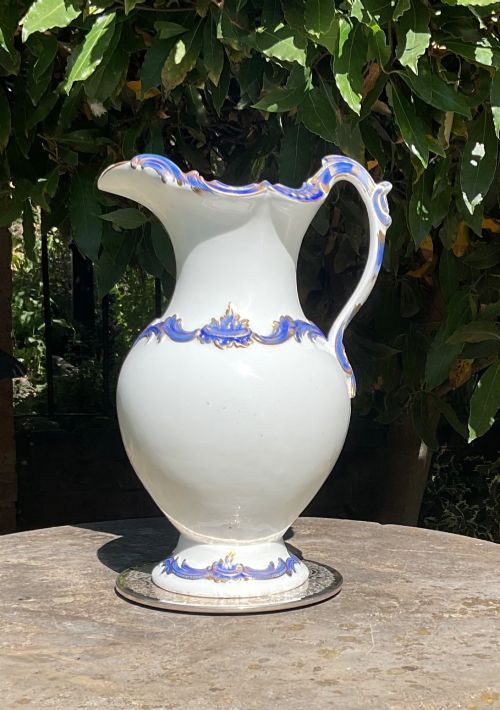
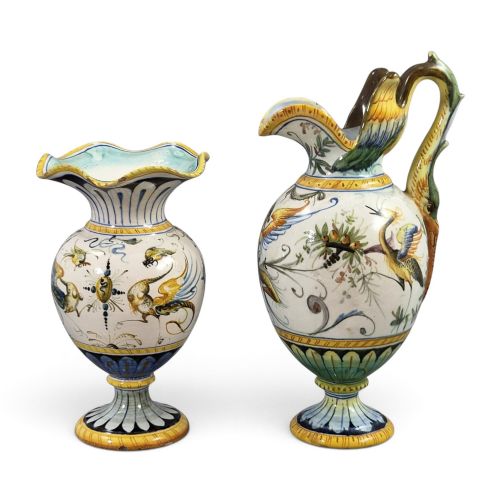
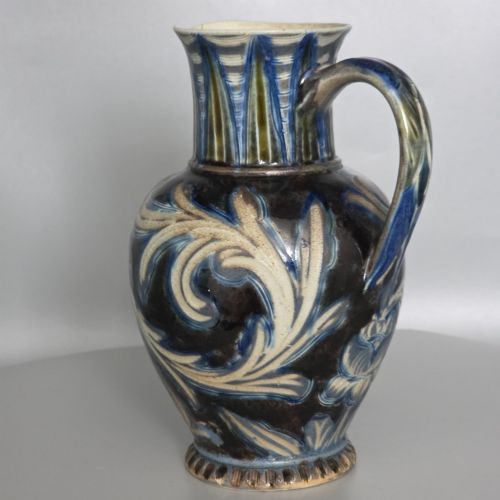
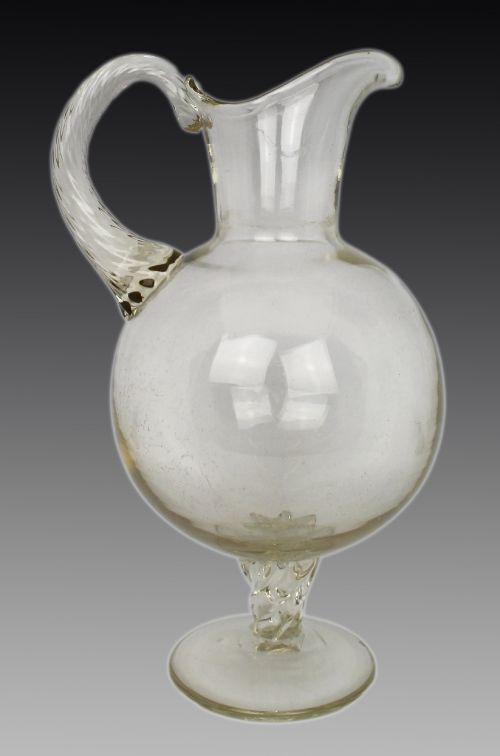
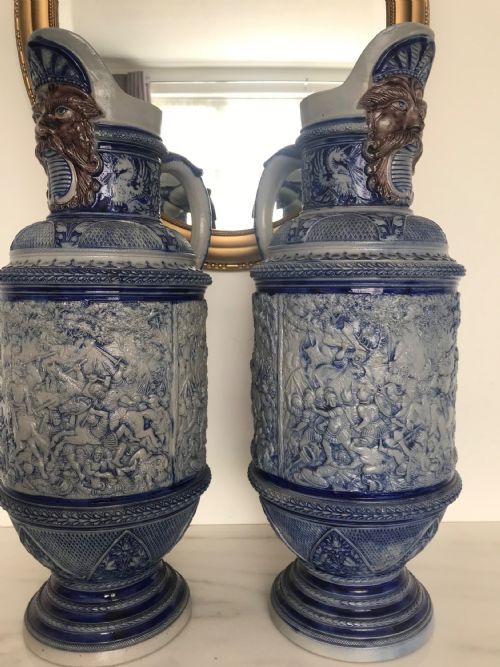
When you search for an antique victorian ewer, you are looking at pouring vessels that evolved from ancient functional forms into purely decorative display pieces during the nineteenth century. These items span ceramic, glass and metal constructions, often appearing alongside matching basins or as part of garniture sets on mantelpieces and sideboards. The forms seen here range from classical handled shapes influenced by Renaissance and Rococo revivals to robust earthenware and stoneware jugs.
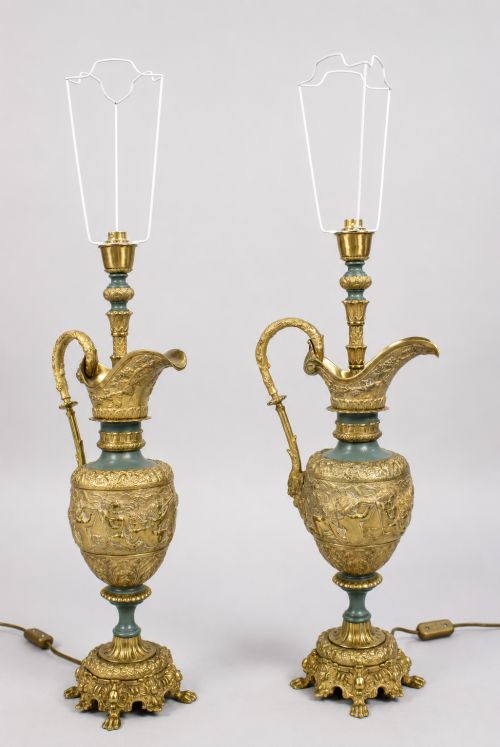
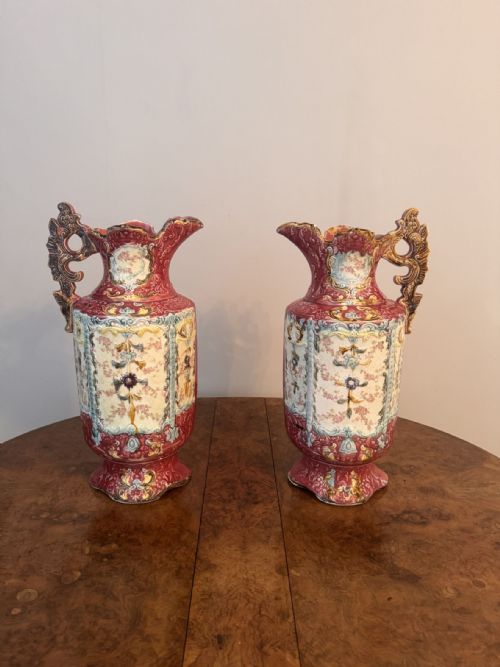
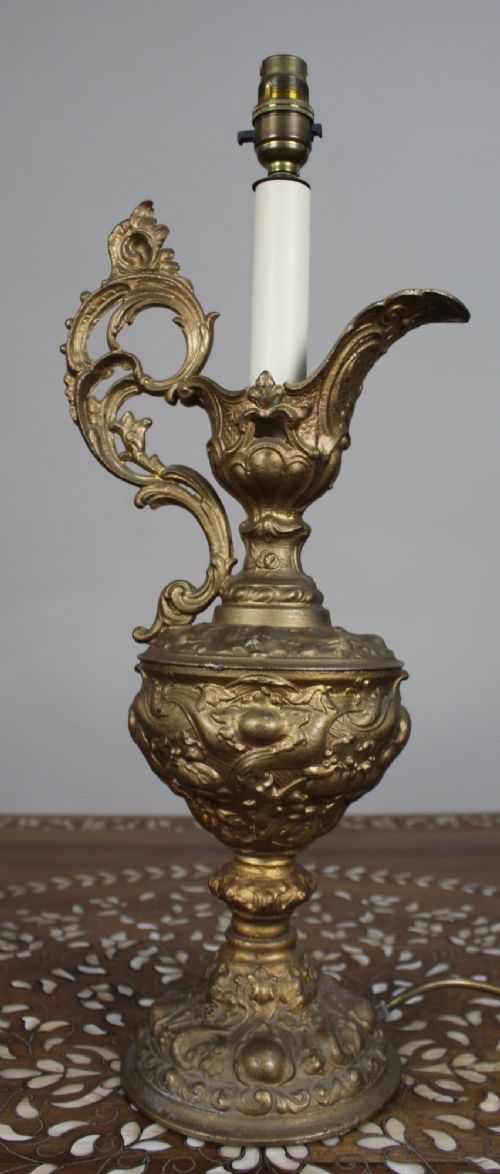
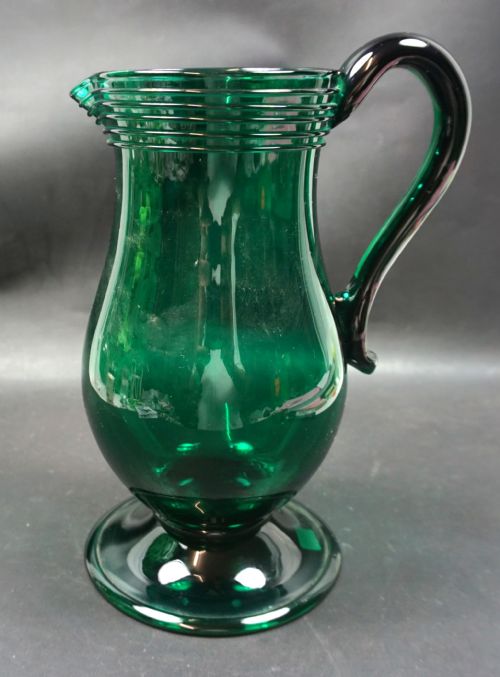
The versions most common on this page are ceramic and porcelain examples from English and continental potteries, alongside blown glass pitchers and gilt metal decorative pieces. Many incorporate handles shaped like grotesque creatures or vines, reflecting the historicism popular during the period. They serve primarily as decorative accents, table lamps or cabinet pieces rather than functional tableware.
How they were made
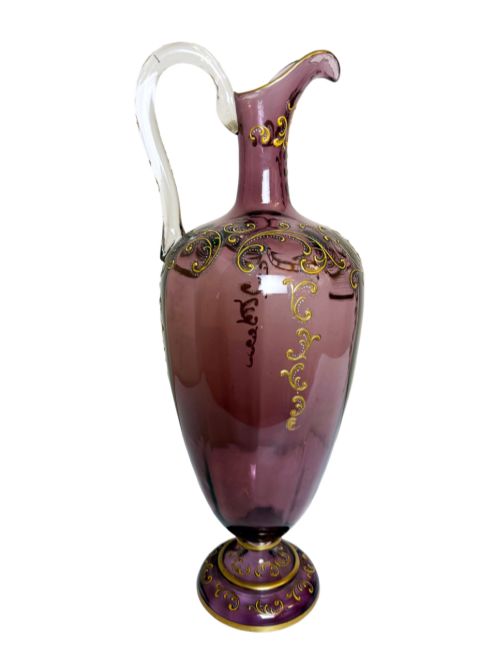
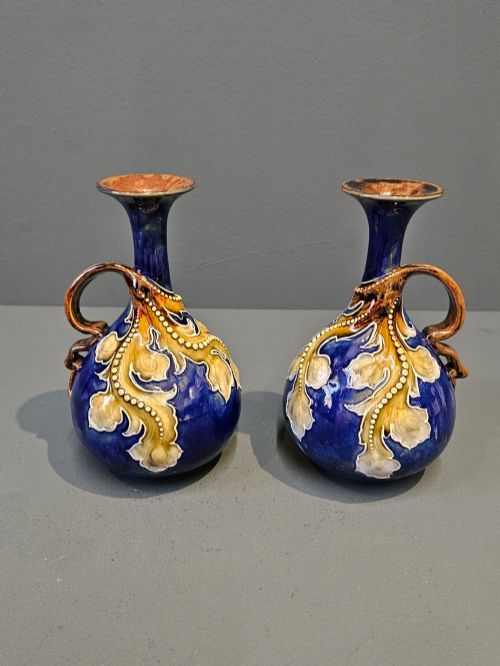
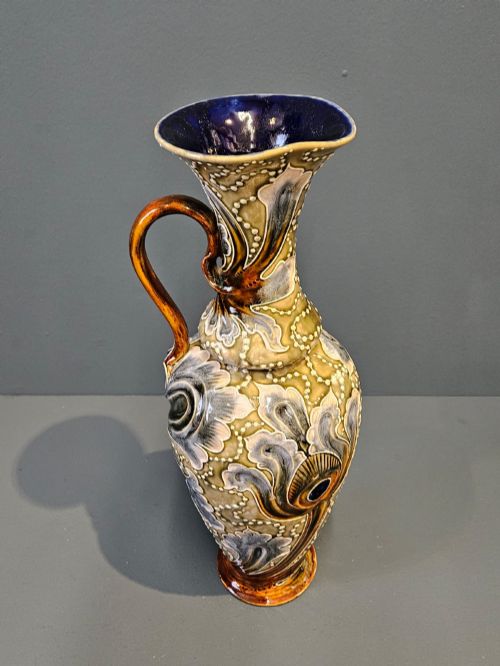
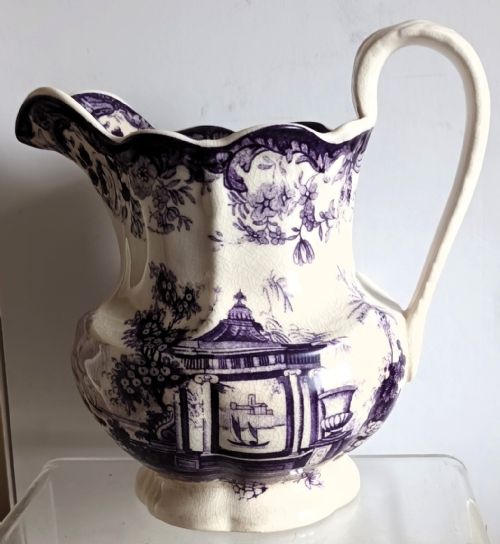
Makers utilised a variety of media including porcelain, earthenware, salt-glazed stoneware, blown glass and cast metals like bronze and brass. Ceramic pieces were often hand-painted, transfer-printed or finished with gilt appliques, while glass vessels displayed hand-blown forms with added trailing and applied decoration.
Metal ewers relied on casting, electrotyping and silver-gilt techniques to achieve ornate surface relief with mythological figures, cherubs or botanical motifs. Stoneware examples employed salt glazing and cobalt blue application, while porcelain items featured reticulated openwork and transfer patterns.
Listings feature 19th Century, Victorian, and Edwardian periods alongside materials including porcelain, earthenware, glass, bronze, and copper.
What varies in quality
The division between standard production and the top of the range rests on the crispness of the casting, the depth of the relief work and the hand-painted execution. Superior ceramic and glass examples display finer details in handles, more complex transfer or painted patterns, and heavier gauge metal mounts.
Maker attribution also dictates standing, with documented works from notable potteries and silversmiths commanding greater attention. The intricacy of applied ornament, such as figural engravings or gilt metal mounts, separates mass-produced items from exhibition-grade pieces.
Simon Peter Gerz·Henry Bourne·Grainger Worcester·Royal Worcester·Robert Garrard
The Antique Victorian Ewer Glossary
- Ewer
- A large jug with a wide spout and a shaped handle, traditionally used for pouring water but frequently made as an ornamental object in the nineteenth century.
- Reticulated
- Having an openwork pattern resembling a net or web, often seen cut or pierced into porcelain bodies.
- Electrotype
- A metal object produced by electroplating copper or other metals onto a mould, allowing for intricate surface detail without solid casting.
- Salt Glaze
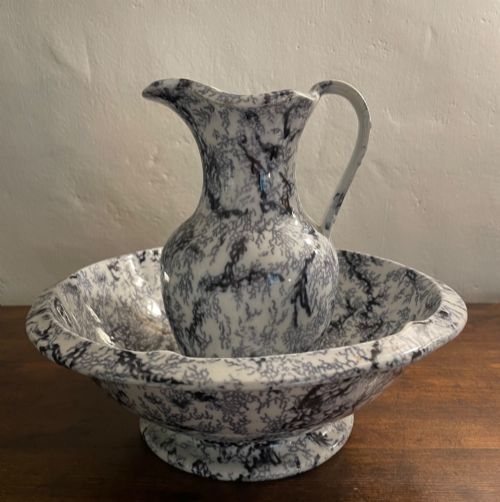
- A glossy, slightly textured finish achieved by throwing common salt into the kiln during high-temperature firing of stoneware.
- Gilt
- Covered thinly with gold leaf or gold paint to give a decorative metallic finish to ceramics, glass or base metals.
Antique Victorian Ewer: Frequently Asked Questions
What were antique victorian ewers used for?
Many of these vessels served practical roles on washstands alongside matching basins, holding water for morning ablutions in bedrooms. Others were designed for dining rooms as claret jugs and wine ewers for serving drinks at table.
Over the course of the nineteenth century, a large proportion became purely decorative objects. Displayed on sideboards, cabinets and mantelpieces, they demonstrated the owner's taste and wealth through elaborate revival styles.
How do you style an antique ewer at home?
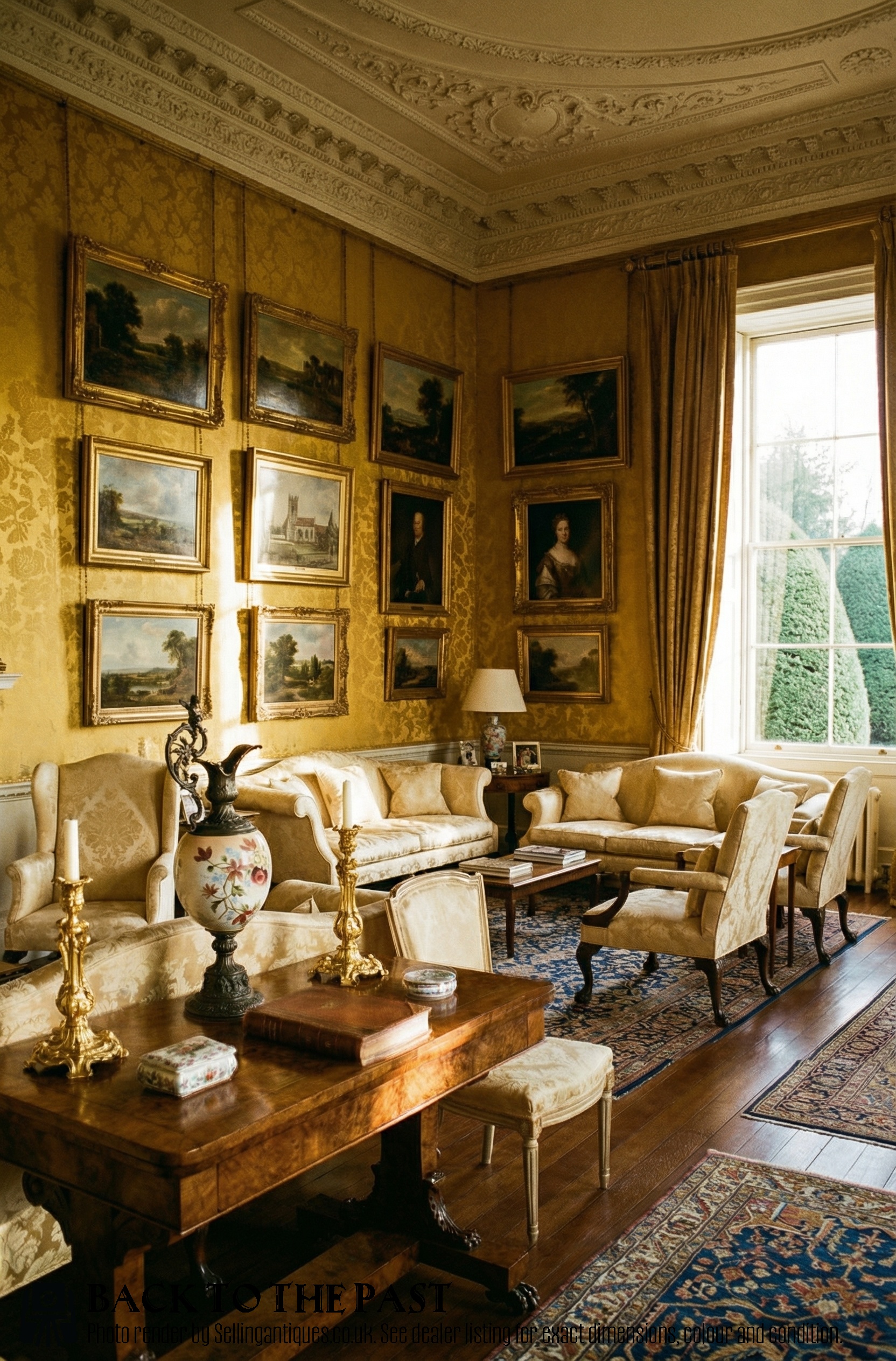
These vessels suit placement on polished wooden sideboards, open bookshelves or architectural mantelpieces where their height and handles create visual contrast. Pairing a ceramic ewer with its original basin or placing matching pairs symmetrically adds formal balance to a room.
Certain metal and glass examples are also adapted as table lamps, providing illumination while retaining historical form. Keeping surrounding decor simple allows the intricate details of the body and handle to stand out.
How do I distinguish different periods?
Early nineteenth-century pieces often reflect Georgian neoclassical restraint or early transfer-printed earthenware traditions. Items from the middle and late decades embrace exuberant revivals, incorporating Gothic, Renaissance and Rococo motifs with heavier ornamentation.
Maker marks, registration diamonds and specific paste types on ceramics help narrow down production dates. Stylistic shifts from simple classical lines to ornate Victorian exuberance provide reliable chronological clues.
What materials are common in these pieces?
Ceramics dominate the selection, ranging from heavy ironstone and earthenware to fine porcelain and salt-glazed stoneware. Glass is also prevalent, featuring blown glass pitchers and crystal claret jugs with silver mounts.
Metal versions utilise copper, brass, bronze and electrotyped silver-gilt. These materials often feature surface treatments like hand-painting, gilding and applied metal appliques.