
Victorian Painted Porcelain Urn
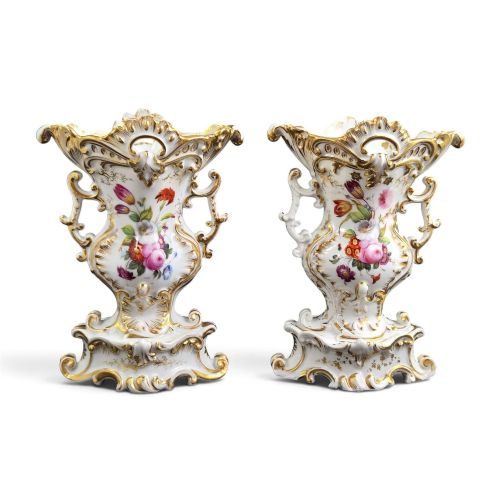
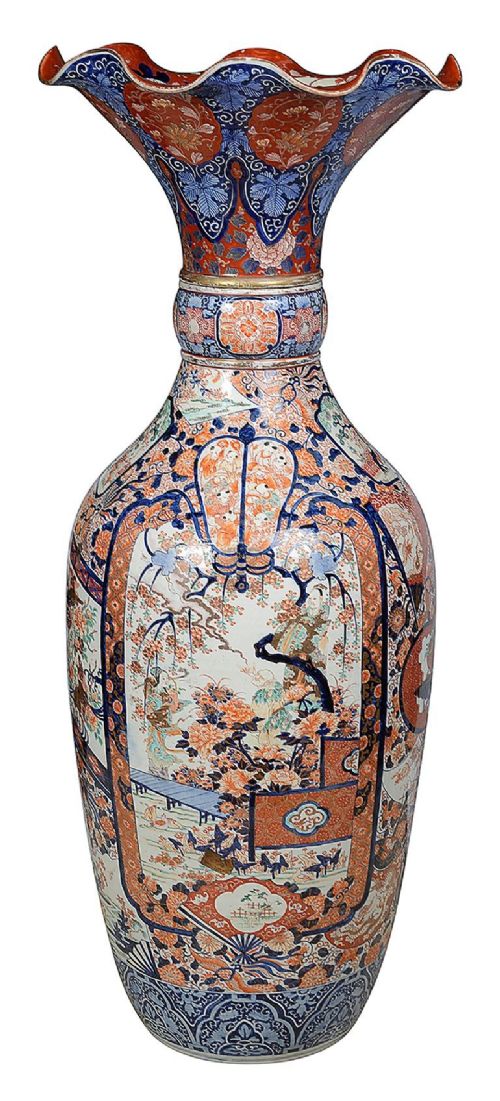
A victorian painted porcelain urn brings hand-painted floral panels, rich gilding, and sculptural ceramic forms straight into a period interior.
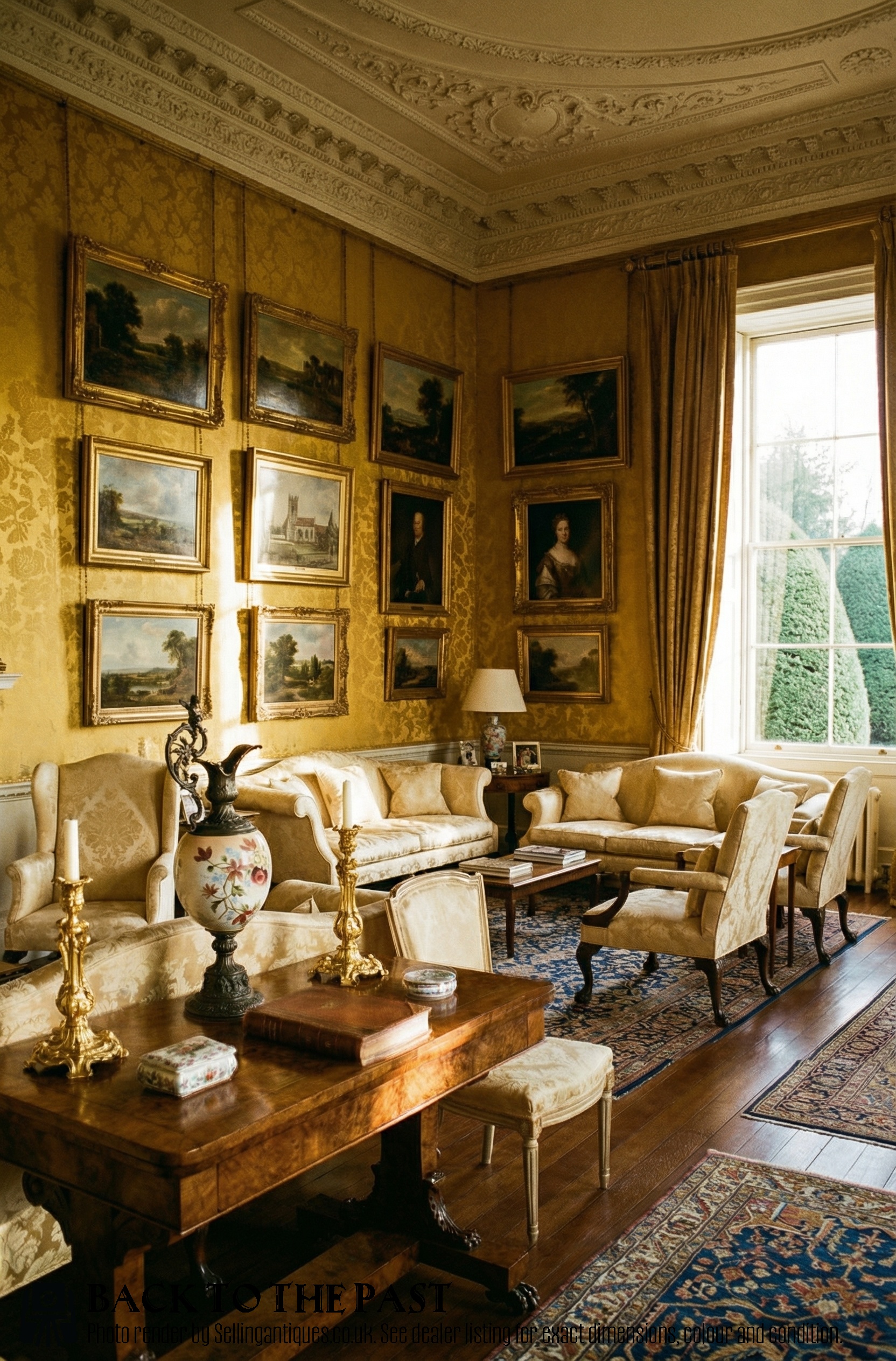
Victorian Painted Porcelain Urn
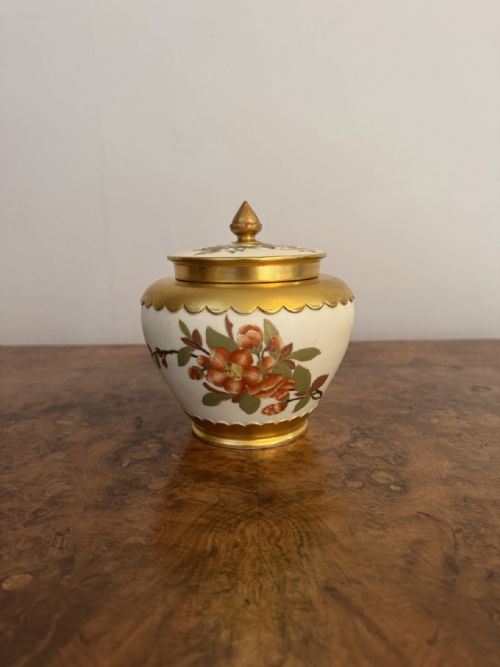
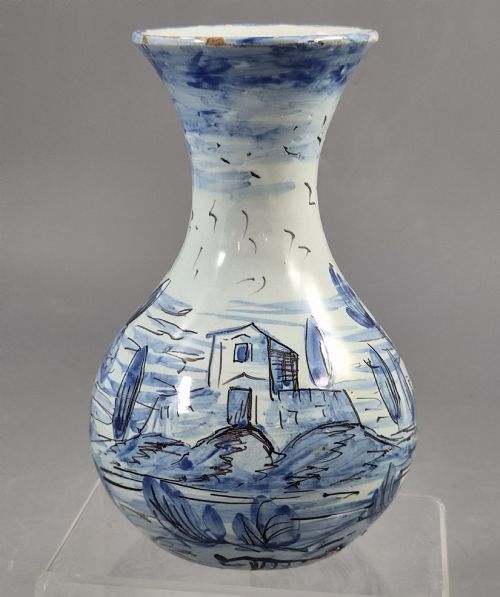
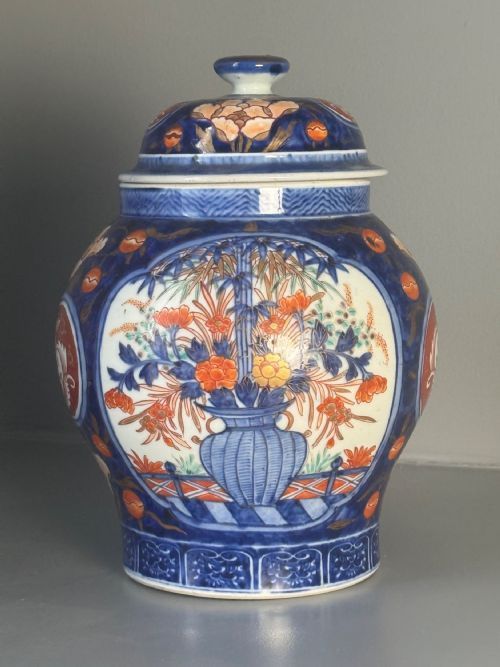
When you search for a victorian painted porcelain urn, you encounter decorative vessels, lidded potpourri jars, and garniture sets shaped in the nineteenth century. These pieces originate from English potteries, continental European factories, and Japanese export workshops.
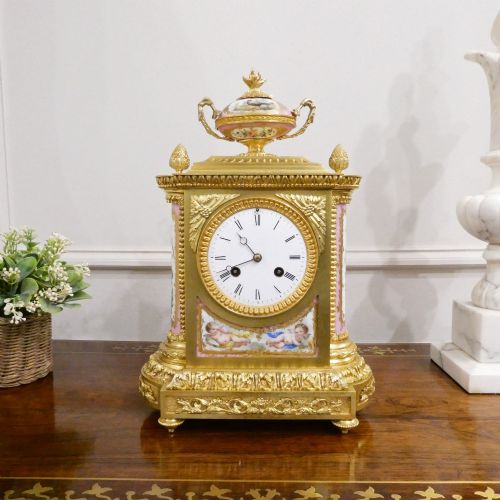
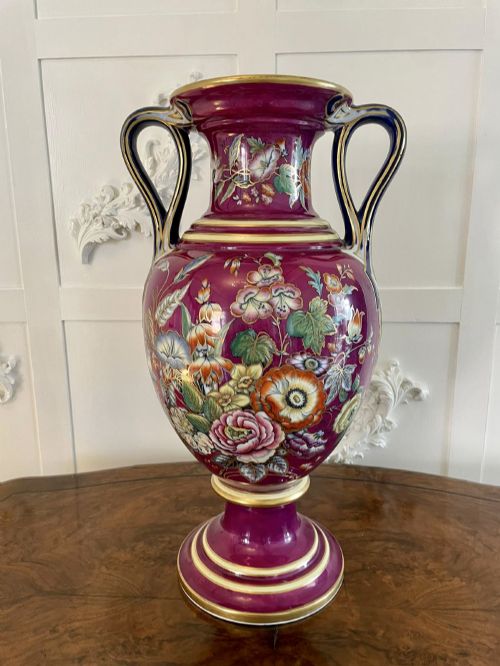
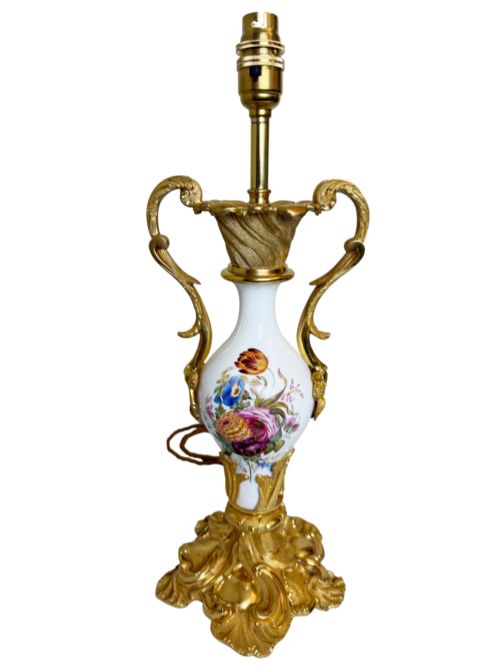
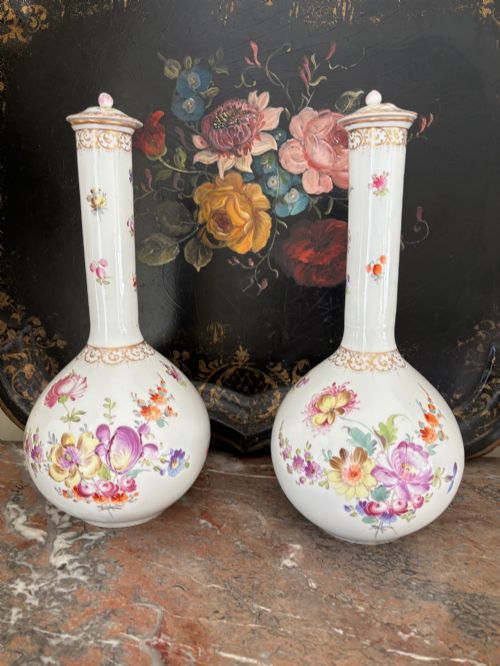
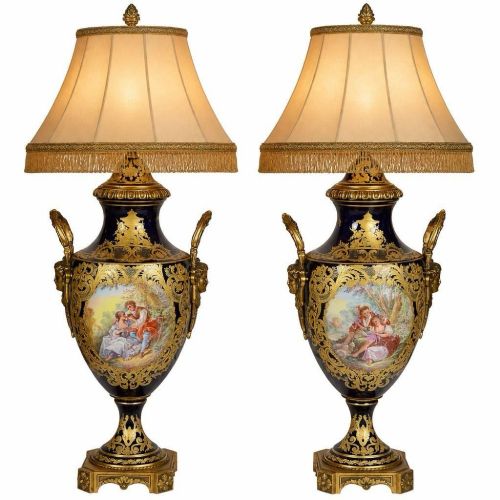
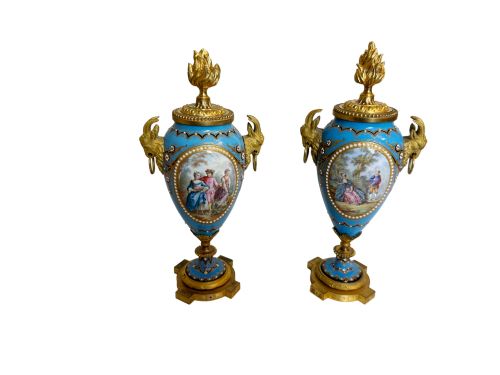
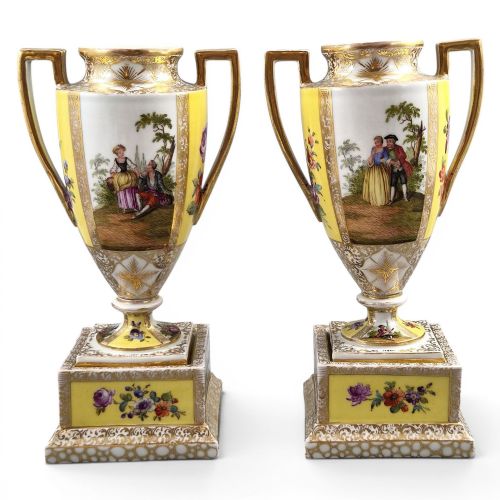
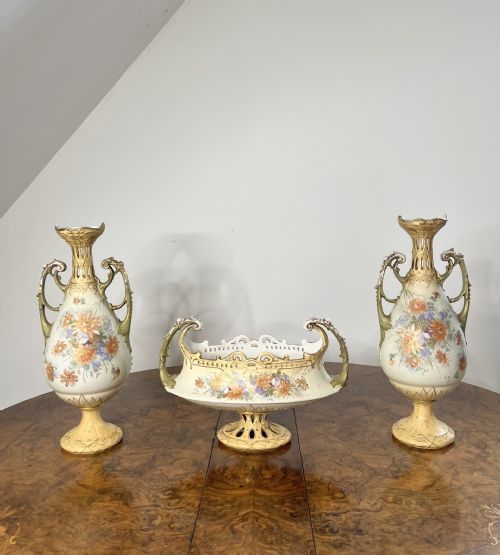
The version you are most likely to meet on this page combines a bulbous ceramic body with hand-painted floral decoration, often featuring twin handles or a matching cover. Many examples reflect the popular French Rococo Revival taste of the eighteen-eighties and nineties.
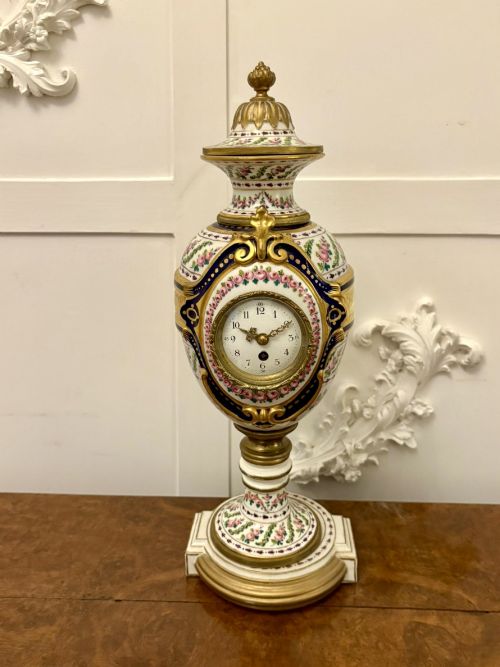
Makers utilised porcelain, earthenware, and gilt bronze mounts to create ornamental centrepieces and mantel clocks. These objects served purely decorative functions in period drawing rooms, displayed on consoles or tables.
Materials and Technique
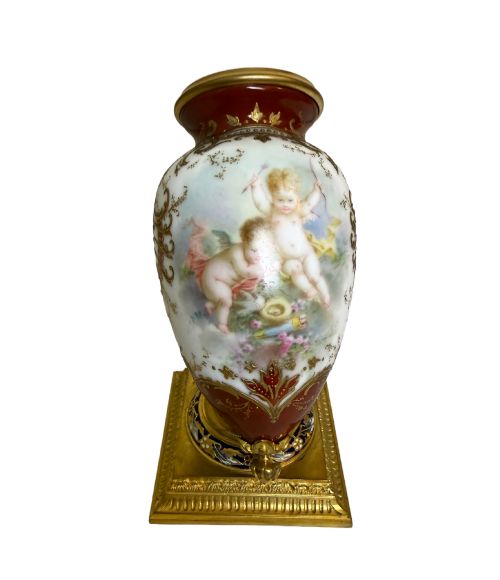
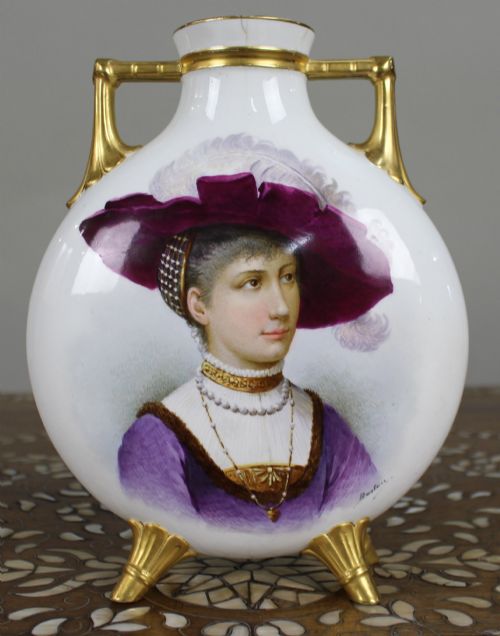
Potters shaped ceramic bodies by hand or in moulds, applying white glazes as a smooth ground for subsequent pigment. Artists then painted floral scenes and figures directly onto the porcelain surface using mineral colours before a final kiln firing.
Makers incorporated gold leaf, gilding, and gilt bronze mounts to accent handles, rims, and bases. These metal additions provided structural weight and framed the painted ceramic panels with ornamental brass and bronze work.
Listings feature porcelain, earthenware, and gilt bronze materials originating from nineteenth-century English, French, German, Austrian, and Japanese workshops.
Craftsmanship and Artistry
The skill of the hand-painted decoration separates standard production pieces from exceptional works of art. Finer examples display meticulous brushwork in botanical or figurative panels, executed by named artists or skilled factory painters.
The precision of the gilding and the weight of the bronze or porcelain mounts dictate the overall calibre of the object. Superior items feature crisp relief moulding, substantial twin handles, and harmonious proportions between the ceramic body and its metal mounts.
Jean-Baptiste Delettrez·Jacob Petit·Royal Worcester·Sitzendorf·Helena Wolfsohn·Royal Vienna·Samuel Alcock·Kinkozan·Royal Doulton
The Victorian Painted Porcelain Urn Glossary
- Urn
- A decorative vase shape, often featuring a pedestal foot, a bulbous body, and twin handles. These vessels derive their classical silhouette from ancient stone and pottery precedents.
- Gilding
- The application of gold leaf or gold powder onto the ceramic or metal surface. This technique highlights rims, handles, and decorative borders.
- Garniture
- A set of three or more matching ornamental vases or urns designed to be displayed together on a mantelpiece or sideboard. They typically comprise a central vessel and two flanking side pieces.
- Potpourri
- A lidded jar pierced with small holes to release the fragrance of dried flowers and spices kept inside. Victorian examples feature painted ceramic bodies designed to sit prominently in a drawing room.
- Cassolette
- A dual-purpose decorative vessel that functions as a lidded urn on one side and a candleholder when inverted. These French-inspired pieces often incorporate gilt bronze mounts.
Victorian Painted Porcelain Urn: Frequently Asked Questions
Where were these urns displayed?
Victorian homeowners placed these decorative vessels on mantelpieces, central tables, and console shelves in formal reception rooms. They served as ornamental centrepieces intended to catch the eye rather than hold cut flowers.
Larger pairs often flanked clocks or mirrors on a mantel, creating a symmetrical arrangement characteristic of nineteenth-century interior decoration.
How do I identify a painted porcelain urn?
Examine the surface for hand-painted floral or figural panels set against a glazed ceramic ground. Look for factory marks, pattern numbers, or artist signatures usually found on the underside of the base.
Check for applied gilding and metal mounts, which frequently accompany nineteenth-century European and English production pieces.
How do I care for antique porcelain?
Dust the surface gently with a soft, dry cloth to prevent accumulation around delicate handles and painted panels. Avoid using water, abrasive cleaners, or chemical solvents, which can damage fragile overglaze decoration and nineteenth-century gilding.
Keep the pieces out of direct sunlight to preserve the vibrant colours of the hand-painted enamel decoration over time.