

Antique Victorian Ceramics
These antique victorian ceramics bring nineteenth-century colour and weight to a room, offering everything from glazed Staffordshire figures to detailed Doulton Lambeth stoneware.
Antique Victorian Ceramics
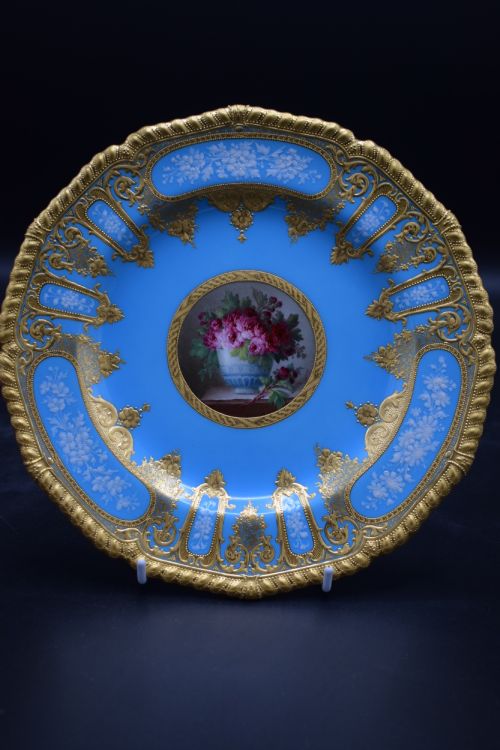
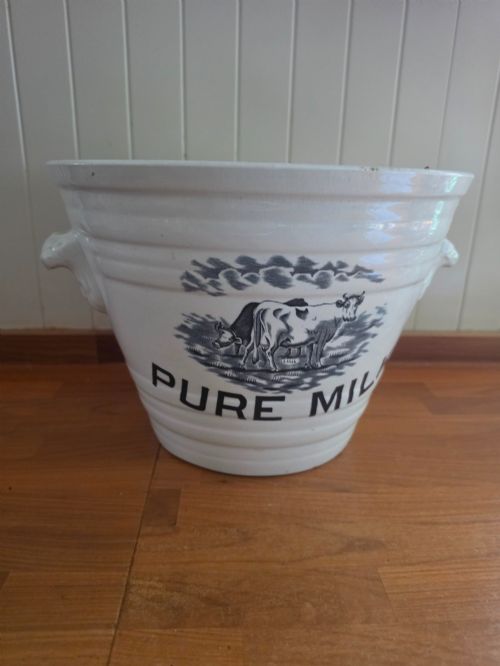
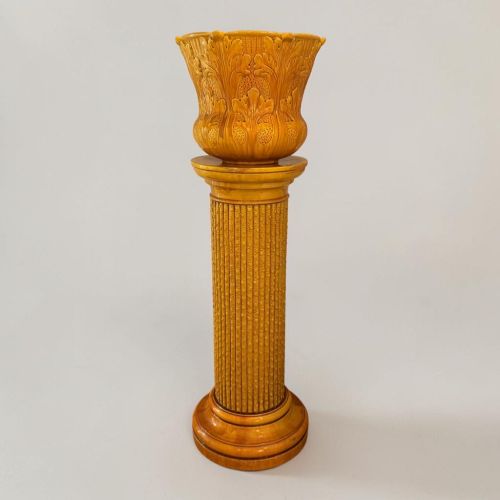
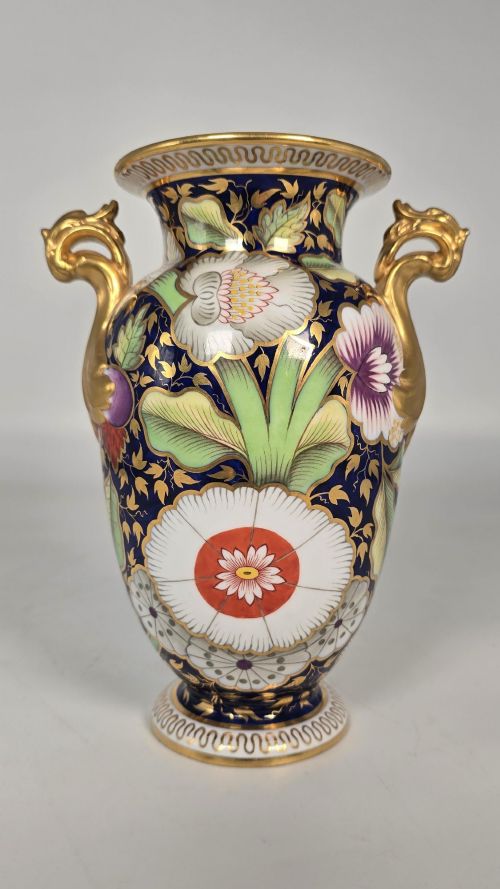
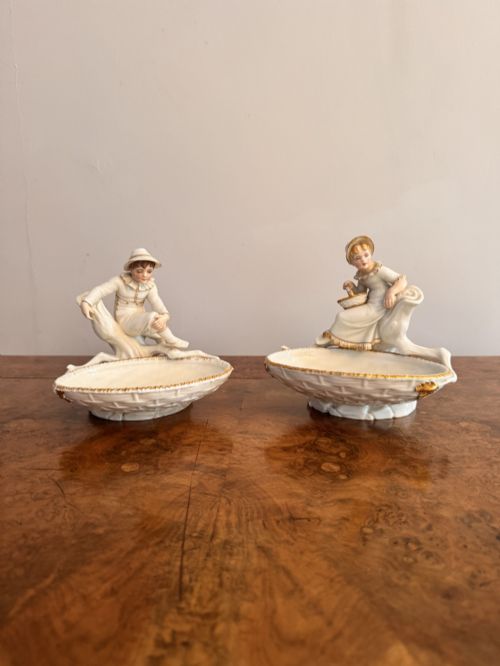
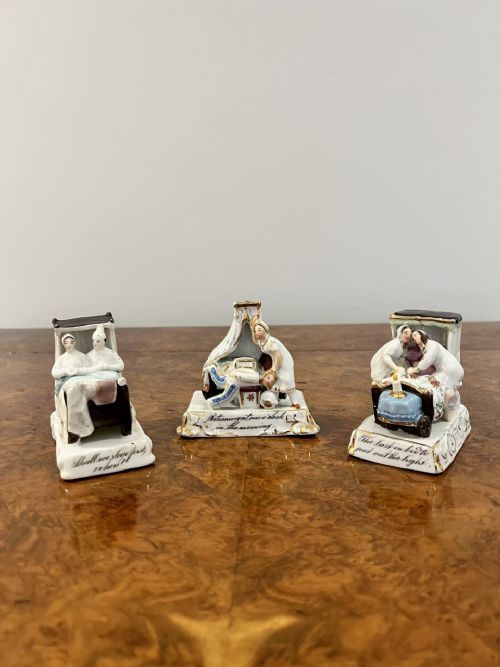
When you search for antique victorian ceramics, you encounter a broad span of nineteenth-century domestic and decorative items made across Britain and continental Europe. The selection on this page ranges from utilitarian kitchenware and blue and white dishes to grand exhibition pieces such as Minton centrepieces and Royal Worcester potpourri lidded pots.
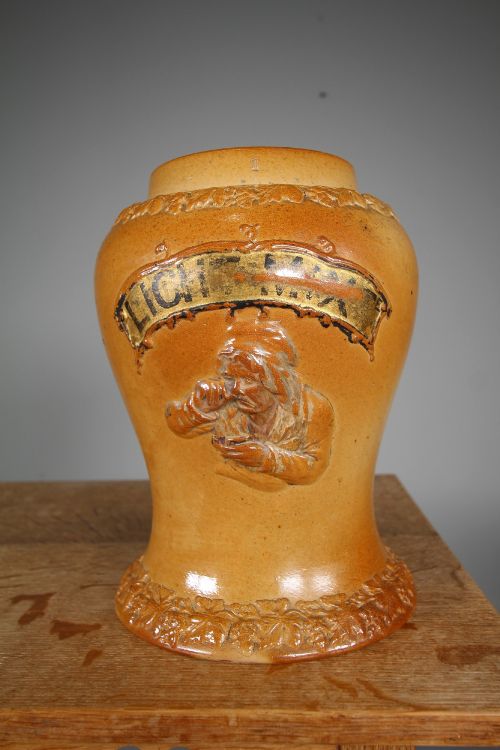
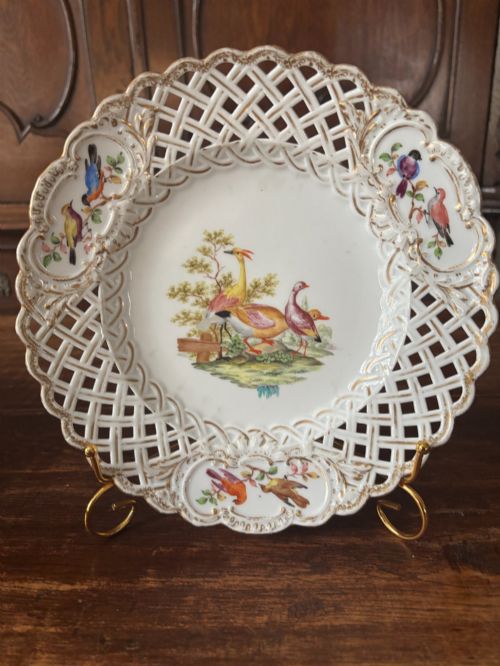
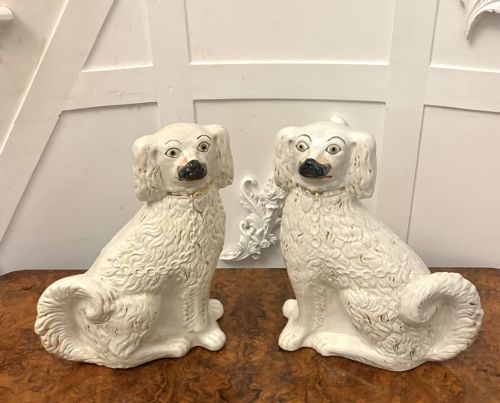
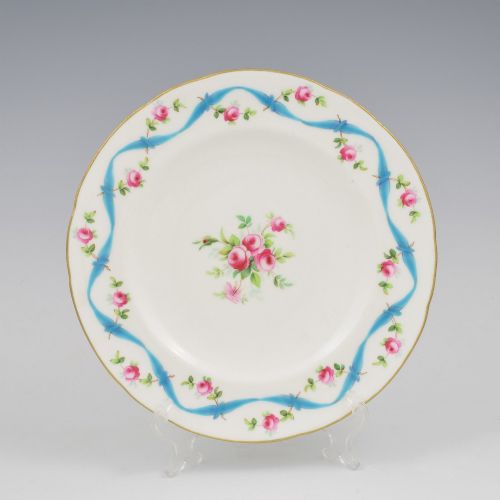
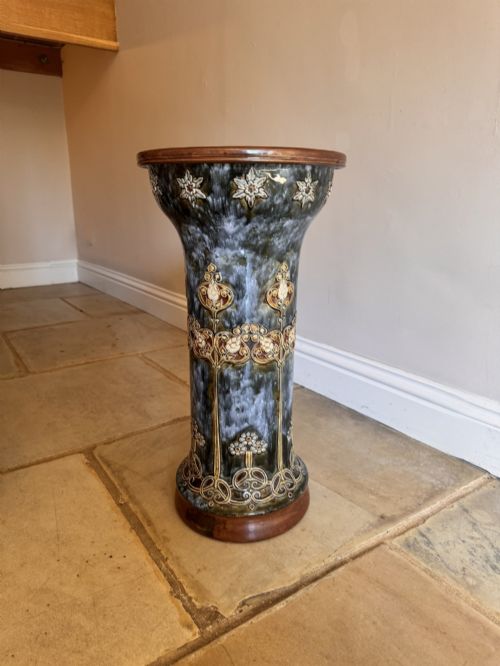
The most common forms you meet include earthenware and porcelain figures, Staffordshire dogs and parrots, decorative plates, and substantial dinner services in Imari patterns. Stoneware vases from makers like Doulton Lambeth appear frequently alongside majolica jugs and terracotta garden planters from the Victorian era.
Objects span the nineteenth century, with strong representation from the eighteen-sixties through to the eighteen-nineties. You will find stylistic shifts from Rococo Revival and Neoclassical designs into Aesthetic Movement, Arts and Crafts, and early Art Nouveau expressions.
How they were made
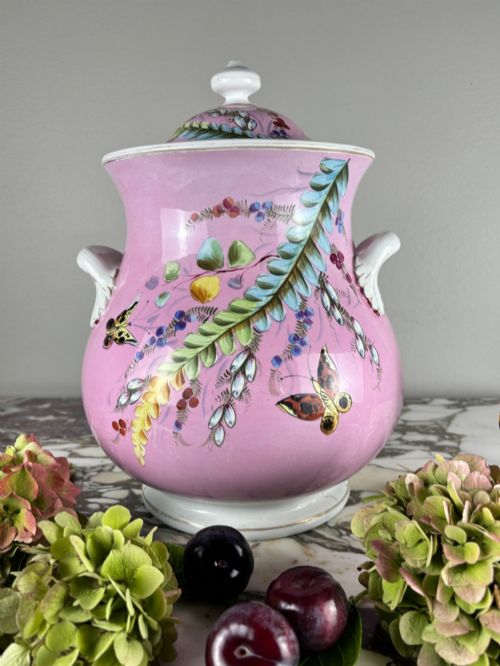
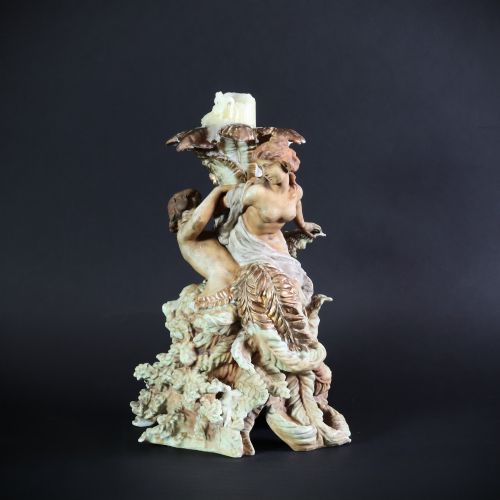
Potters shaped these pieces using earthenware, stoneware, bone china, and porcelain, often finishing surfaces with rich glazes, enamel colours, and occasional gold leaf or brass mounts. Parian ware provided a smooth, unglazed biscuit porcelain that mimicked carved marble for classical figural groups.
Decoration relied on hand-painting, transfer printing, and intricate moulding, as seen in the relief modelling of Staffordshire animals and Majolica syrup jugs. Salt-glazing and specialised slip techniques created the distinct textured surfaces found on nineteenth-century stoneware and art pottery.
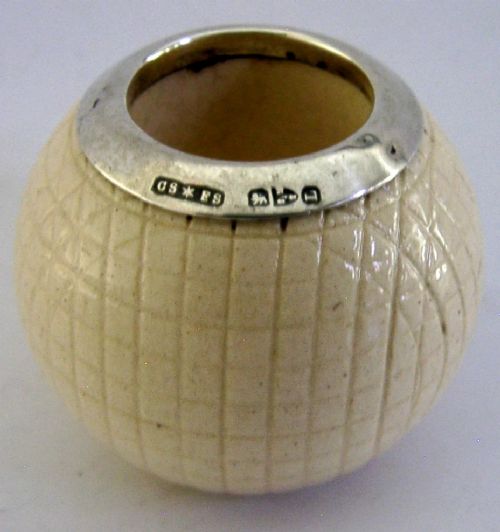
Fired in traditional kilns, pieces incorporated maker-specific clay bodies and registration marks that recorded exact dates of design protection, linking factory output directly to British patent office records.
Antique Victorian Ceramics Retail Price Guide 2026
Typical asking prices for victorian ceramics among the pieces listed under this phrase on Sellingantiques today, from the lower quarter to the upper quarter. They describe what is for sale here now, not the wider market.
Object types include vases, jardiniere stands, mantel clocks, and dinner services.
What varies in quality
The standard of modelling and hand-painting establishes the tier of a figural piece or decorative vase, separating mass production from works requiring advanced artistic skill. Finer items display crisp relief moulding, precise enamel brushwork, and confident control over complex underglaze or overglaze colour palettes.
The ambition of the form and the reputation of the studio dictate distinction, moving from standard household kitchenware to exhibition-standard jardiniere stands and signed art pottery. Superior pieces retain crisp surface detail, harmonious glaze distribution, and factory impressed or painted marks that confirm their origin.
Doulton Lambeth·Minton·Staffordshire Pottery·Samson Chelsea·Mappin And Co·Villeroy And Boch·Rockingham·Royal Worcester·Joseph Holdcroft·Royal Doulton·Reeves And Son·Hannah Barlow·Davenport·Burmantofts Pottery·Thoune
The Antique Victorian Ceramics Glossary
- Majolica
- A colourful earthenware pottery type characterised by bright lead glazes fired over moulded low-relief designs. It became immensely popular during the Victorian period for decorative tableware and garden ornaments.
- Parian ware
- A fine-grained, unglazed biscuit porcelain developed in the nineteenth century to imitate white marble. Makers utilised it extensively for classical figures and portrait busts.
- Imari
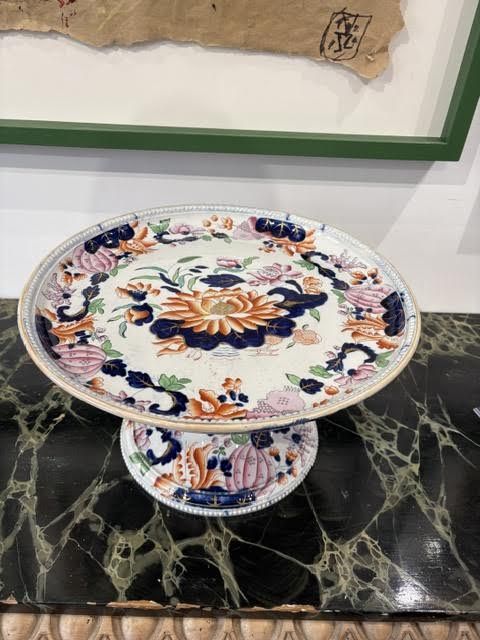
- A decorative style inspired by Japanese export porcelain featuring rich underglaze blue and iron-red highlights accented with gold. British factories adopted this palette widely for extensive dessert and dinner services.
- Transfer printing
- A mechanical decoration technique where an engraved copper plate transfers a design onto paper and then onto the ceramic body before glazing and firing. This method allowed intricate blue and white patterns to be produced consistently on domestic dishes.
Antique Victorian Ceramics: Frequently Asked Questions
How do I identify Victorian ceramics?
Look for impressed factory marks, painted decorator initials, and diamond-shaped British patent registration stamps that indicate the exact day of design.
Stylistic cues such as Aesthetic Movement motifs, heavy gilding, and bright majolica glazes also point directly to the nineteenth century.
Were these ceramic pieces used daily?
Many items, including dinner services, blue and white dishes, and spirit kettles, served practical functions in nineteenth-century dining rooms and kitchens.
Other objects like mantel clocks, wall pockets, and decorative figurines were strictly ornamental pieces intended for display in Victorian parlours.
What is the difference between earthenware and stoneware?
Earthenware is a porous, lower-fired ceramic body that requires an impermeable glaze to hold liquids, commonly found in majolica and Staffordshire figures.
Stoneware is fired at a higher temperature until the clay body vitrifies naturally, resulting in a dense, waterproof material often utilised for durable vases and jars.
How should I care for antique ceramics?
Keep pieces away from direct sunlight to prevent fading on hand-painted enamels and delicate gilt highlights. Dust them gently with a soft dry cloth and avoid harsh chemical cleaners or submersion in water, particularly for items with delicate applied elements.