

Antique Vesta
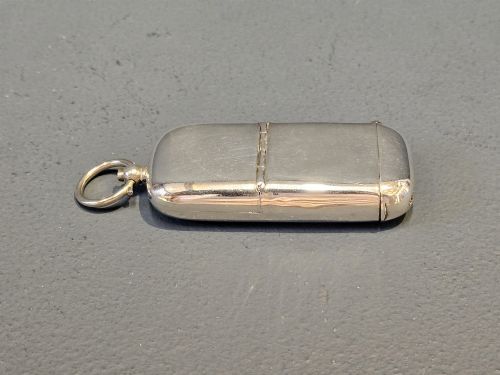
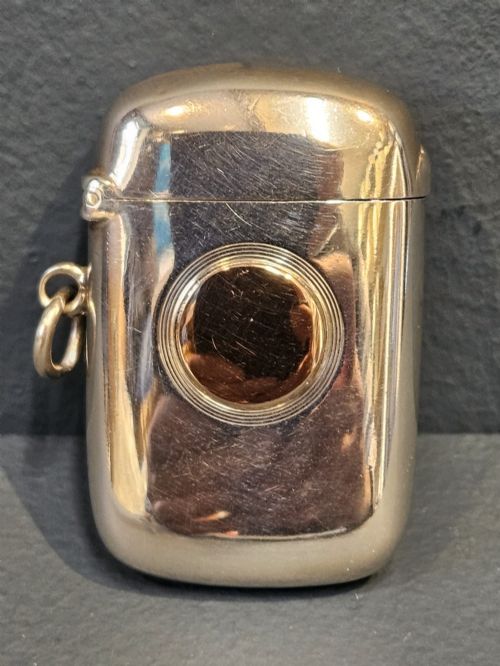
An antique vesta is a pocket-sized metal container designed to hold safety matches and keep them dry.
Antique Vesta
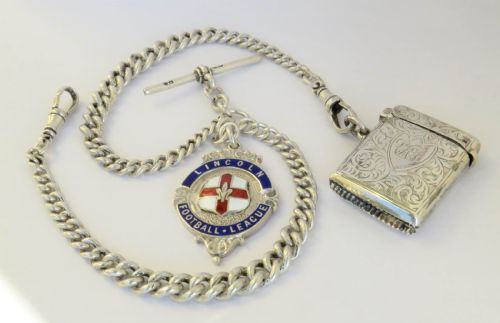
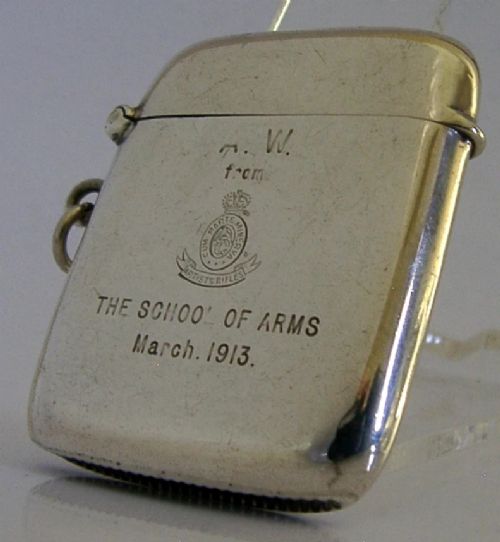
An antique vesta serves as a portable match safe, essential for lighting pipes, cigars, and gas lamps before the widespread availability of disposable lighters. These pocket accessories date predominantly from the Victorian and Edwardian eras, reflecting the height of personal tobacco culture and gentlemanly accessorising.
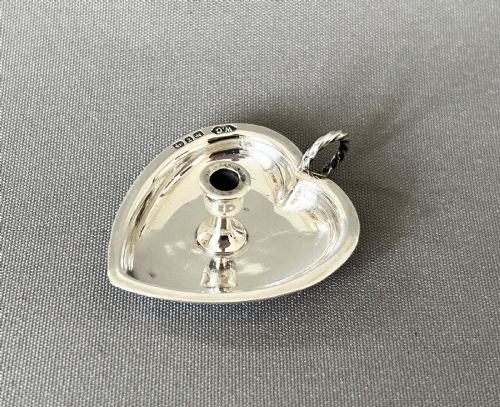
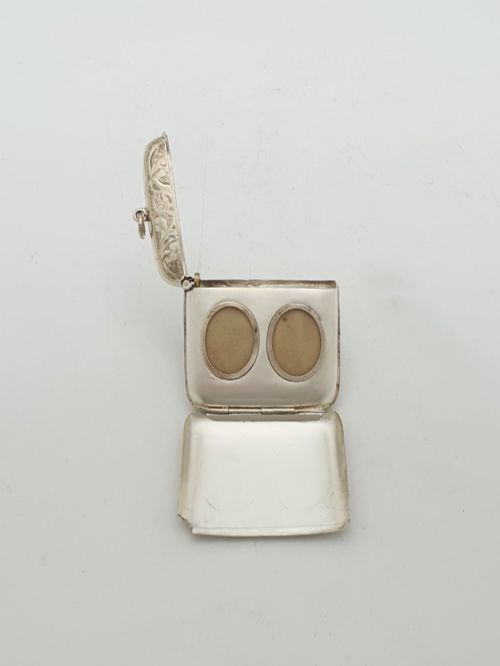
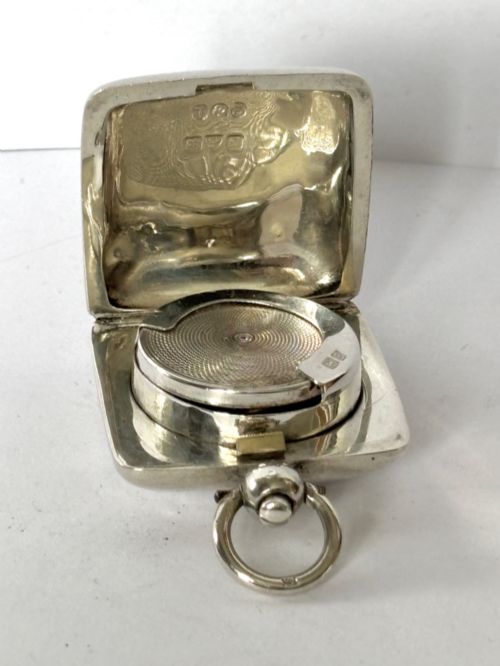
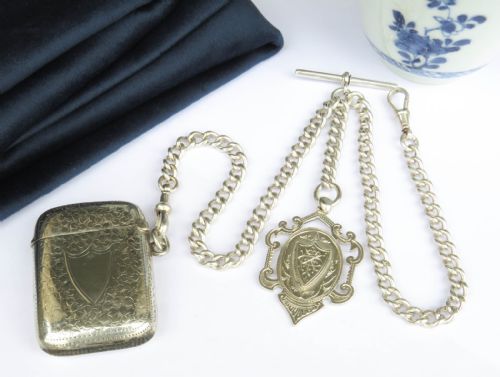
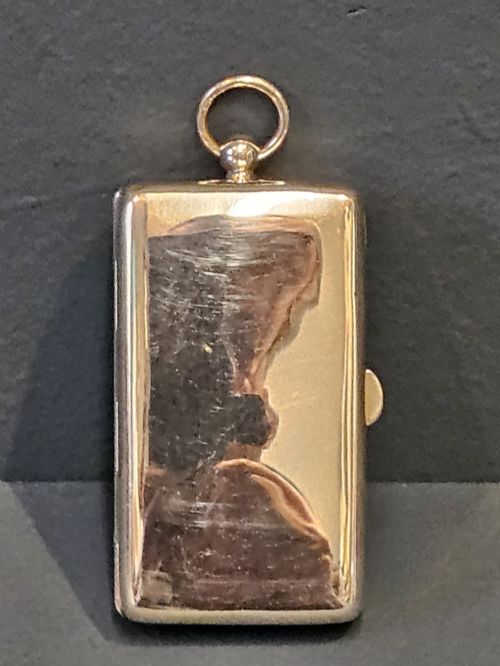
The most common forms encountered on this page are silver vesta cases, often stamped with hallmarks indicating Birmingham or Chester assay offices. Alongside standard match safes, buyers frequently find combination pieces that double as sovereign cases, match strikers, or holders for sealing wax.
Makers utilised various functional shapes, ranging from kidney bean profiles and flip-top designs to novelty configurations shaped like cigars or animals. These pocket companions fastened securely with spring-loaded lids to protect matches from moisture and friction.
Materials and Construction Techniques
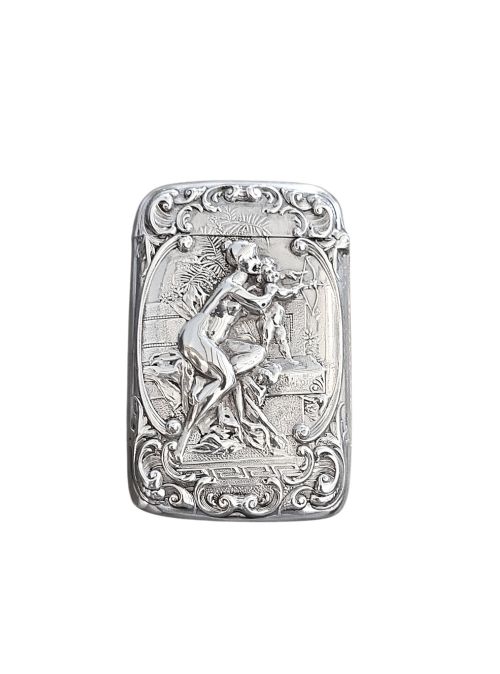
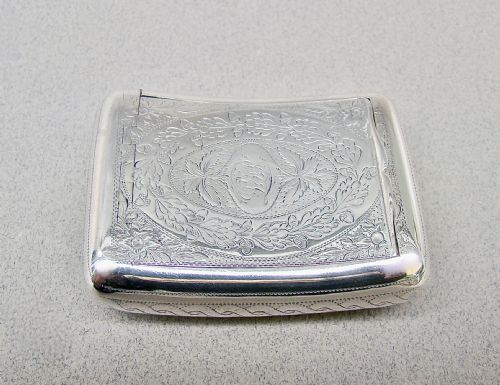
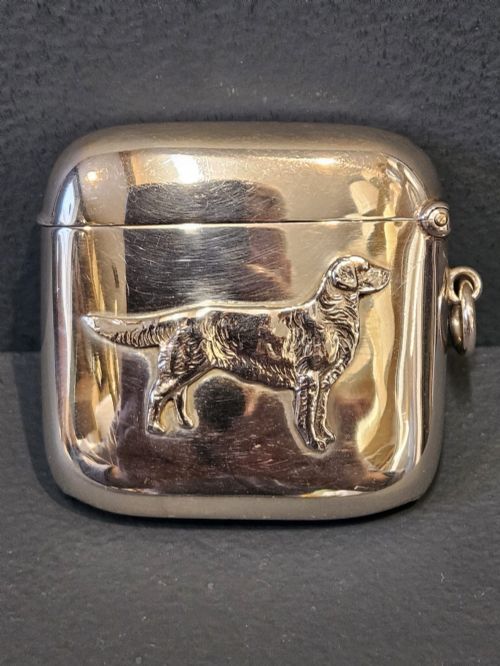
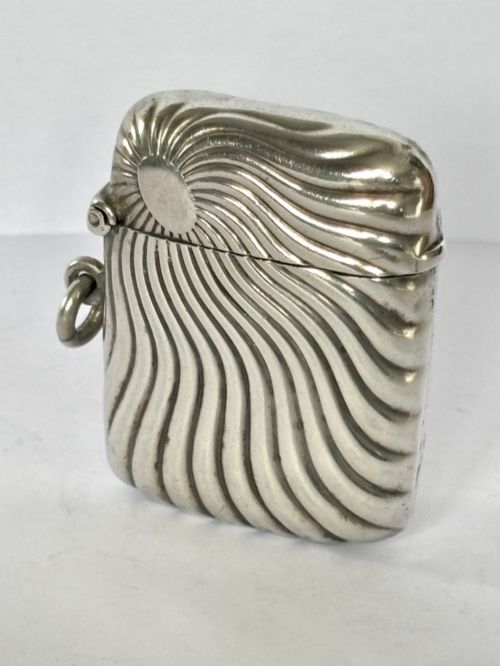
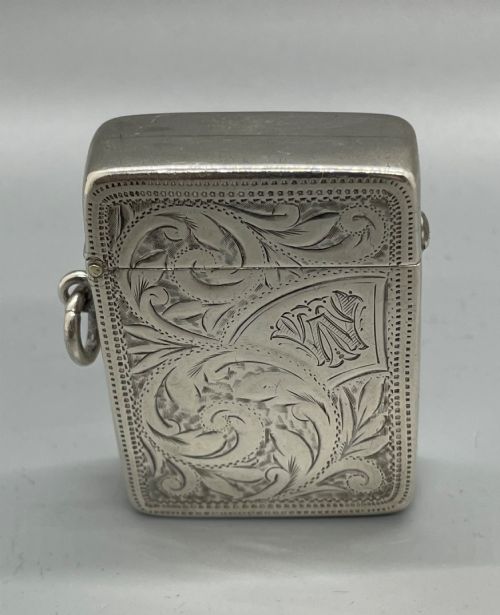
Sterling silver forms the primary material for the vast majority of pieces, worked through stamping, embossing, and engravework to produce decorative surface patterns like sunbursts or scenic reliefs. Silversmiths applied gilding to internal compartments or added contrasting highlights in 9ct gold.
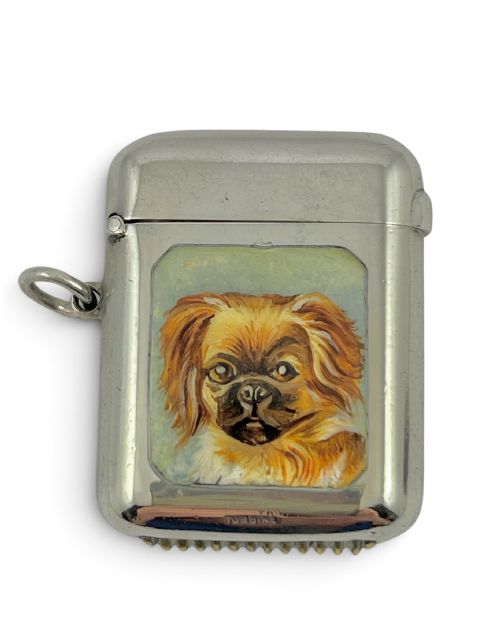
Enamelwork and hand-painted motifs frequently embellish the exterior surfaces, alongside applied components such as carved wood, glass, and sealing wax. Makers integrated striker grooves, often cross-hatched directly into the base of the metal body, to ignite the match head.
Antique Vesta Retail Price Guide 2026
Typical asking prices for vesta among the pieces listed under this phrase on Sellingantiques today, from the lower quarter to the upper quarter. They describe what is for sale here now, not the wider market.
Several pieces take the form of begging dogs and double-ended cigars.
Judging Quality in Vesta Cases
The precision of the hinge mechanism and the snap of the spring-loaded lid determine the mechanical integrity of a vesta case. Superior examples close flush and maintain tension, whereas lower quality items show looseness or misalignment from heavy use.
The crispness of the hallmark stamps, the depth of repoussé relief work, and the preservation of applied enamel separate standard production items from finer workshop pieces. Intricate novelty shapes and combination cases involving sovereign holders demonstrate higher manufacturing complexity.
Sampson Mordan and Co·EV Pledge and Son·Robert Chandler·A and J Zimmerman·William Neale·Robert Pringle
The Antique Vesta Glossary
- Vesta case
- A small pocket container specifically made to hold matches and protect them from dampness.
- Hallmark
- An official stamp applied to precious metals indicating the assay office, standard of purity, and year of manufacture.
- Sovereign case
- A small circular pocket holder sized precisely to carry British gold sovereign coins.
- Match striker
- A textured or ribbed panel, often incorporated into the base of a vesta, used to ignite safety matches.
- Repoussé
- A metalworking technique where the artisan hammers the design from the reverse side to form a raised relief on the front.
Antique Vesta: Frequently Asked Questions
What is an antique vesta used for?
An antique vesta served as a portable container to keep matches dry and safe in a pocket or handbag. They were indispensable personal accessories during the nineteenth and early twentieth centuries.
Users struck the matches against the serrated base of the case to light pipes, cigars, or candles on the go.
How do I identify the date of a silver vesta?
You can date a silver vesta by examining the hallmarks stamped into the metal, which typically include a date letter corresponding to a specific assay office year. Makers' marks and standard sterling marks also help narrow down the period.
Many pieces originate from Victorian and Edwardian Birmingham or Chester silversmiths.
Can I still use an antique vesta today?
Antique vestas remain functional, though modern safety matches may not fit the internal dimensions of smaller historical cases. Standard matches require a rough surface to strike, which many vestas provide on their base.
Collectors generally handle them as display items or pocket pieces rather than daily carry accessories.
What makes some vesta cases more desirable?
Examples featuring hand-painted enamel, precious metal combinations, or unusual novelty shapes attract higher interest among collectors. Maker attributions to prominent silversmiths also add historical significance.
Intricate decorative techniques like sunburst engravings or figural motifs elevate standard designs.