

Antique Veneered Table
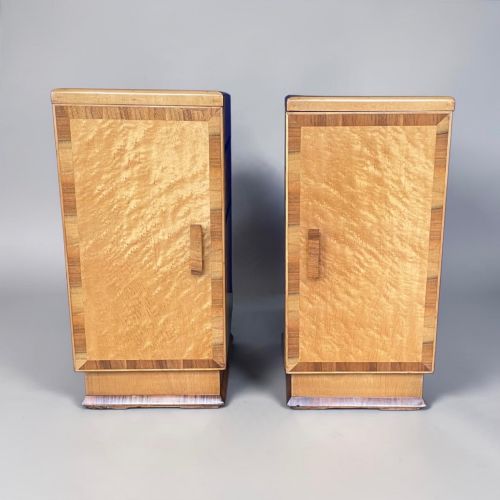
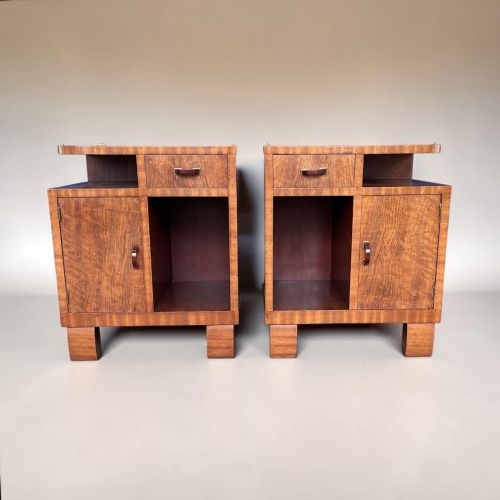
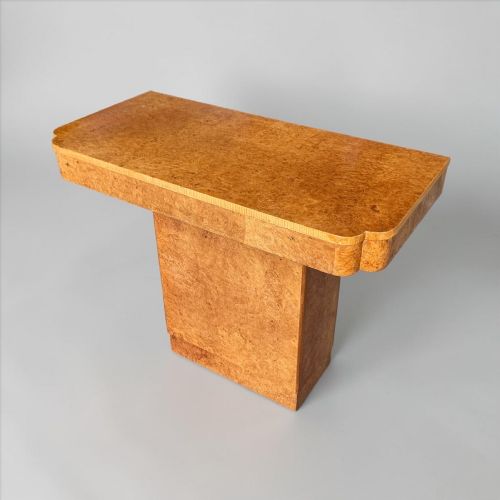
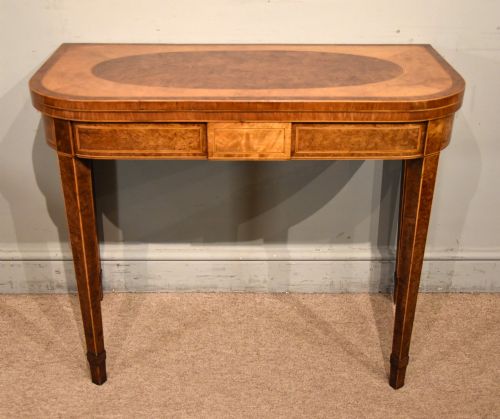
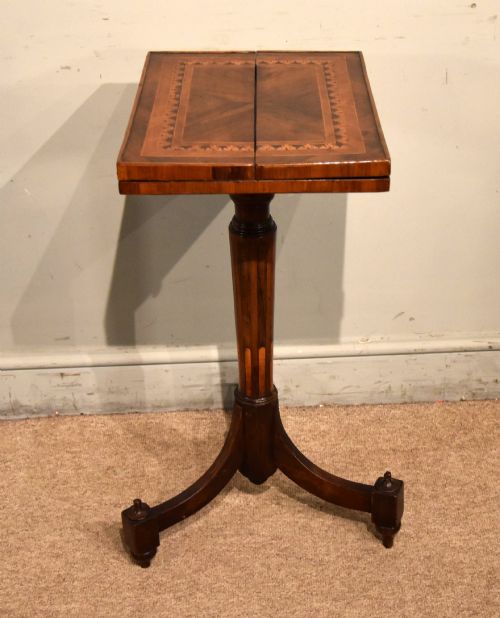
An antique veneered table brings decorative timber grain to the room, ranging from Art Deco centre tables to Georgian card tables.
Antique Veneered Table
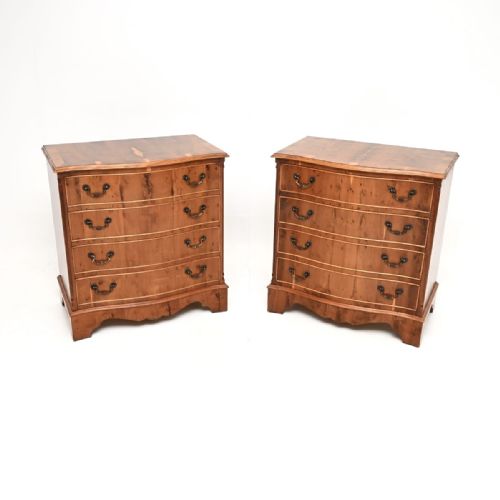
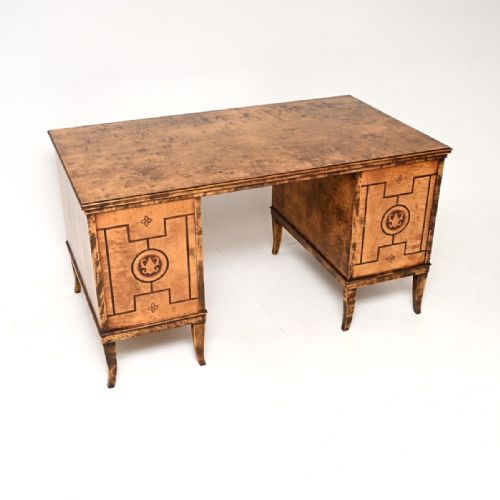
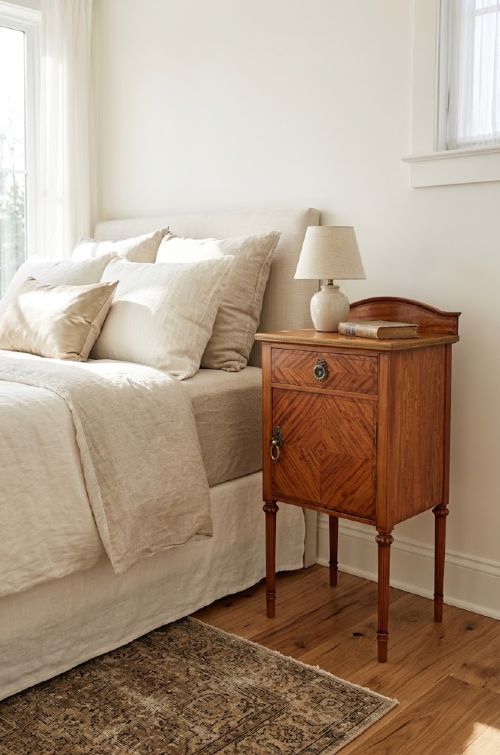
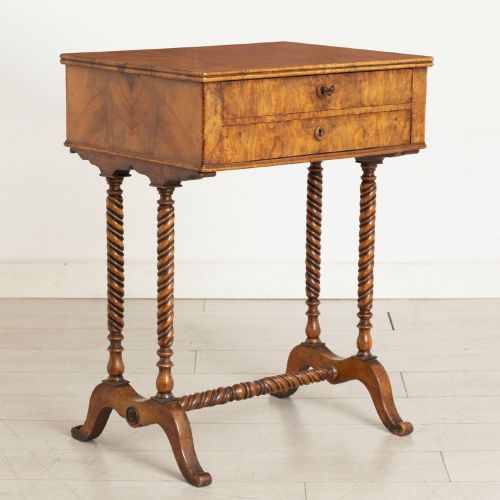
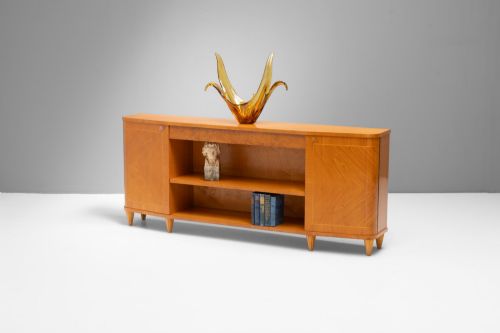
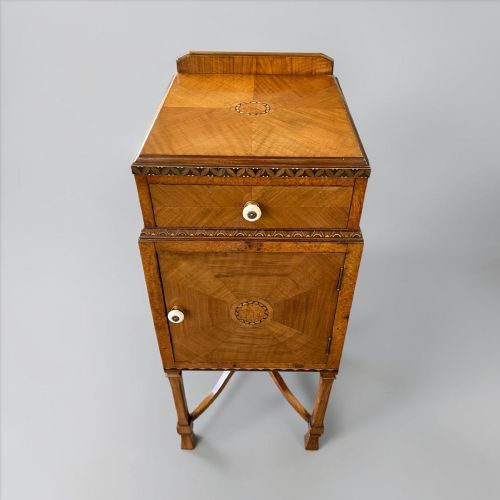
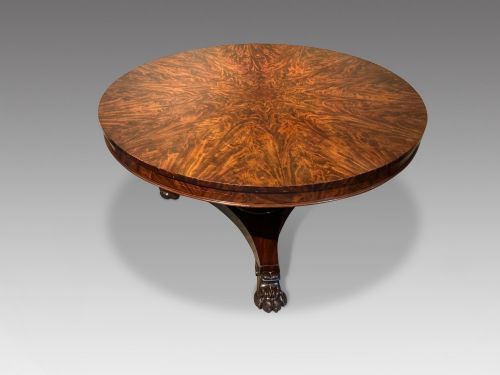
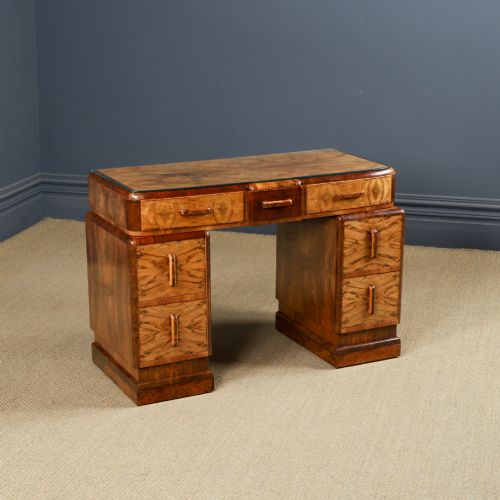
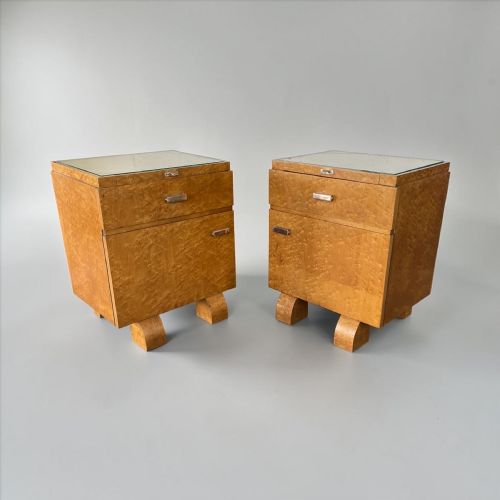
An antique veneered table covers a wide range of domestic furniture types, including desks, dining tables, centre tables, bedside tables, and coffee tables.
The selections span multiple eras, from seventeenth-century pieces and eighteenth-century George III examples through to nineteenth-century styles and significant numbers from the nineteen-twenties and nineteen-thirties.
Makers and designers drew upon various international traditions, producing pieces in English, French, Swedish Biedermeier, and Art Deco idioms.
Materials and Construction
Craftsmen applied thin slices of decorative woods such as walnut, burr walnut, mahogany, satinwood, burr oak, yew, amboyna, kingwood, and tulipwood over solid secondary timber bases.
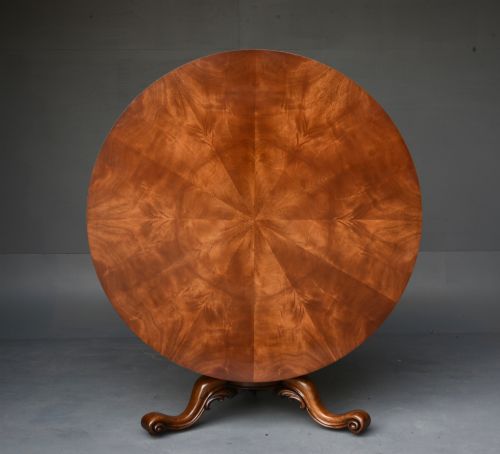
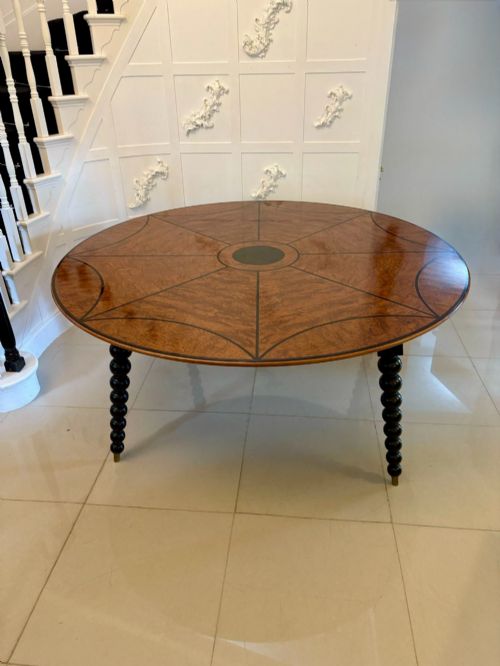
Inlaid details, contrasting banding, and specialised cuts like oyster veneer or segmented tops created complex geometric and natural patterns across the surfaces.
Secondary materials including brass, glass, chrome, and gilt bronze often supplemented the wooden structures on later nineteenth and twentieth-century designs.
Antique Veneered Table Retail Price Guide 2026
Typical asking prices for veneered table among the pieces listed under this phrase on Sellingantiques today, from the lower quarter to the upper quarter. They describe what is for sale here now, not the wider market.
Several pieces incorporate exotic specimen woods originating from distant locations like Ceylon alongside traditional European oaks and birches.
Assessing the Pieces
The visual impact depends largely on the choice and matching of the wood veneers, where symmetrical grain patterns like burr and flame create a more striking surface.
Execution of technique dictates refinement, seen in how seamlessly veneers meet at corners, edges, and complex curved surfaces on items such as pedestal desks and console tables.
The Antique Veneered Table Glossary
- Veneer
- A thin layer of figured wood applied to the surface of a furniture piece to display decorative grain. This technique allows cabinetmakers to utilise expensive or highly figured timber economically.
- Burr
- A growth on a tree that produces intricate, swirling wood grain patterns when sliced. Furniture makers prized these sections for prominent table tops and desk fronts.
- Oyster veneer
- Small circular or oval pieces of branch wood cut transversely to show concentric annual rings. This method creates a distinctive repeating pattern reminiscent of oyster shells.
- Segmented top
- A table surface composed of multiple wedge-shaped pieces of veneer arranged radially from a centre point. This geometric layout highlights the natural symmetry of the wood grain.
Antique Veneered Table: Frequently Asked Questions
How do I clean an antique veneered table?
Dust regularly with a soft, dry cloth to prevent accumulation of grit.
Avoid using modern liquid polishes or water, which can damage old polish and loosen historic glue beneath the veneer.
Can these tables be used daily?
Many forms, such as coffee tables and writing desks, suit everyday domestic use.
Protect surfaces from moisture, heat, and direct sunlight to preserve the delicate timber and historic polish.
What is an Art Deco veneered table?
These pieces date from the early twentieth century and often feature streamlined geometric forms.
They frequently combine walnut or mahogany veneers with contrasting materials like chrome and mirrored glass.
How do I identify the wood type?
Examine the colour, weight, and characteristic grain patterns visible through the clear finish.
Walnut tends to show rich brown tones with dark veining, while mahogany displays reddish-brown hues and satinwood offers a pale golden appearance.