
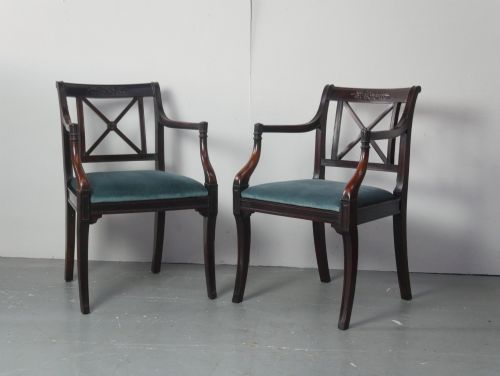
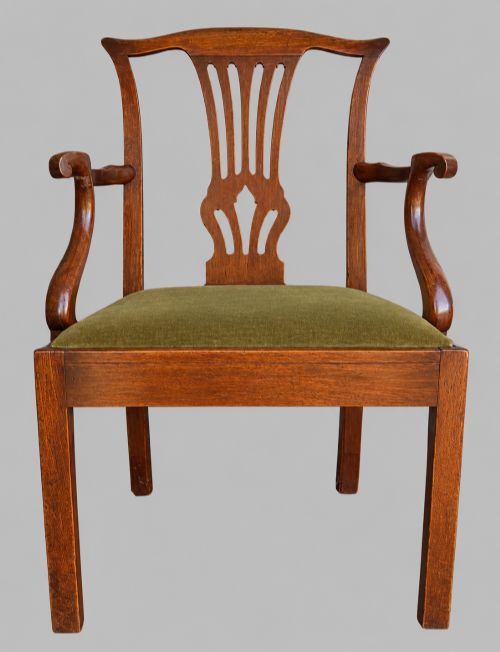

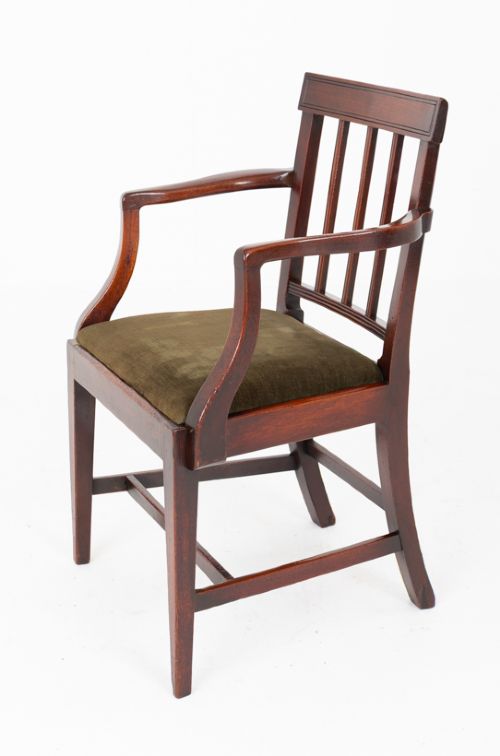
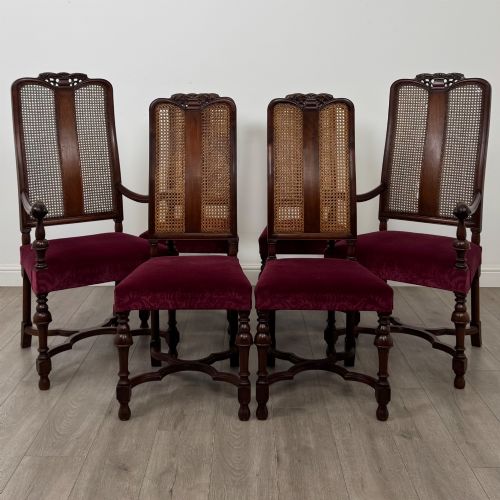

Antique Velvet Carver Chair
An antique velvet carver chair brings rich upholstery and supportive armrests to a room, offering both practical seating and traditional presence.
Antique Velvet Carver Chair
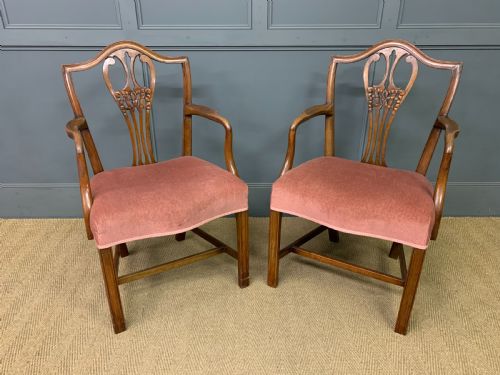
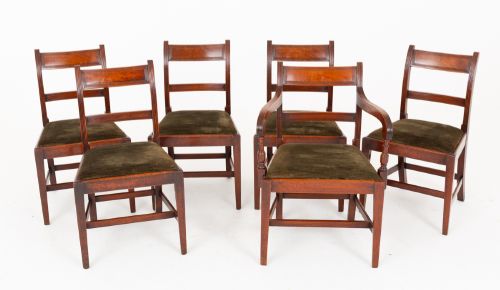
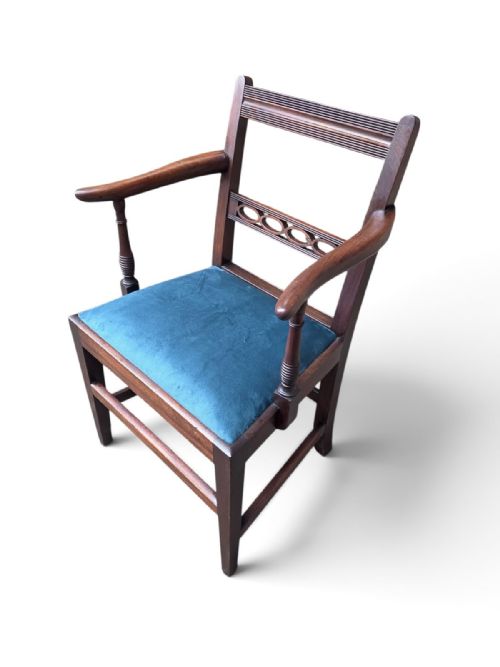
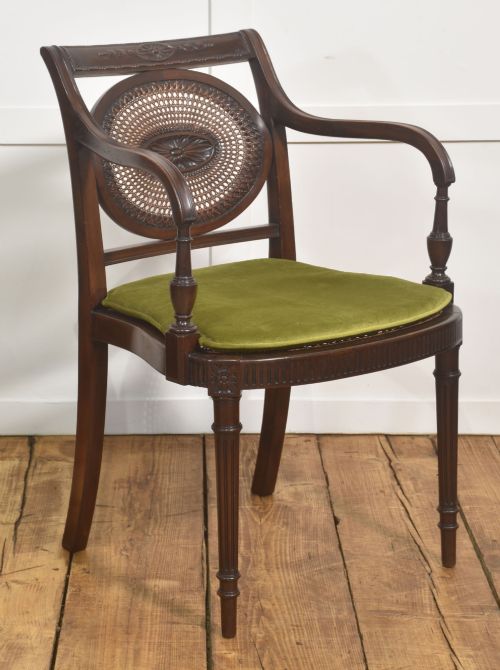
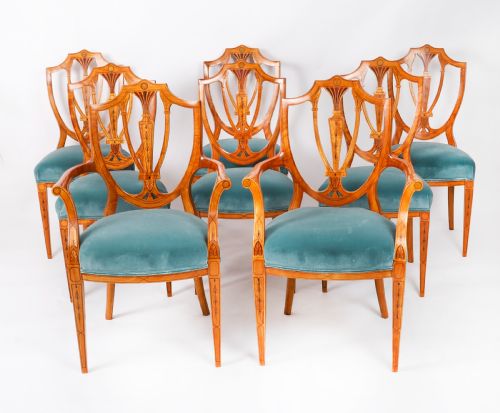
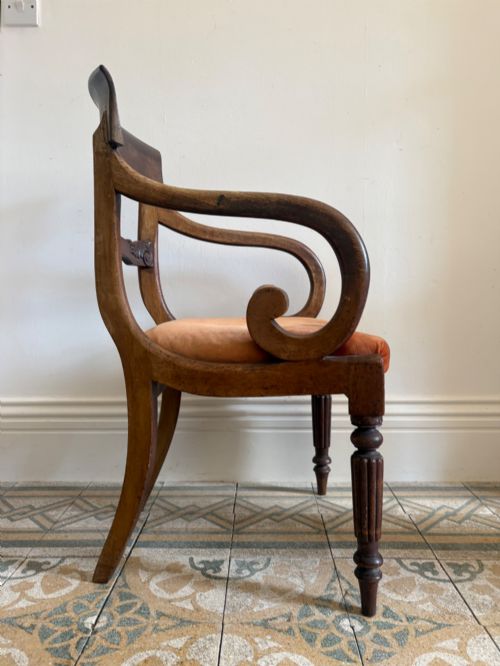
An antique velvet carver chair is typically encountered as a sturdy armchair or elbow chair designed with upholstered seating and supportive armrests. The listings show these pieces emerging primarily from the Georgian, Regency, Victorian, and Edwardian periods.
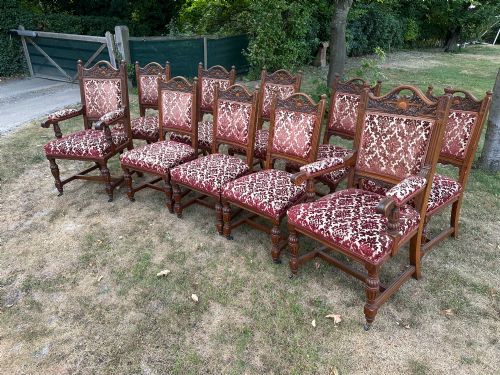
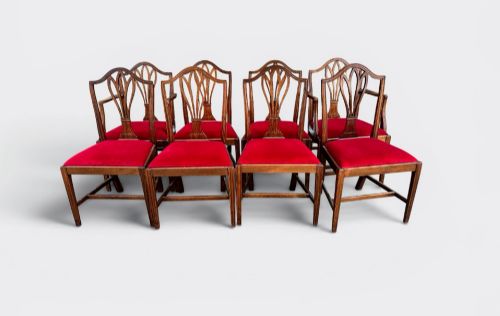
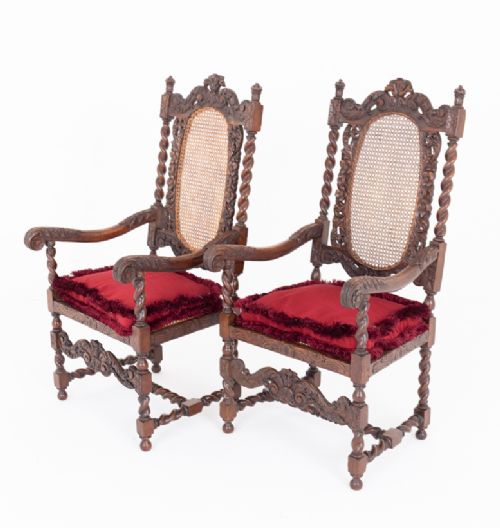
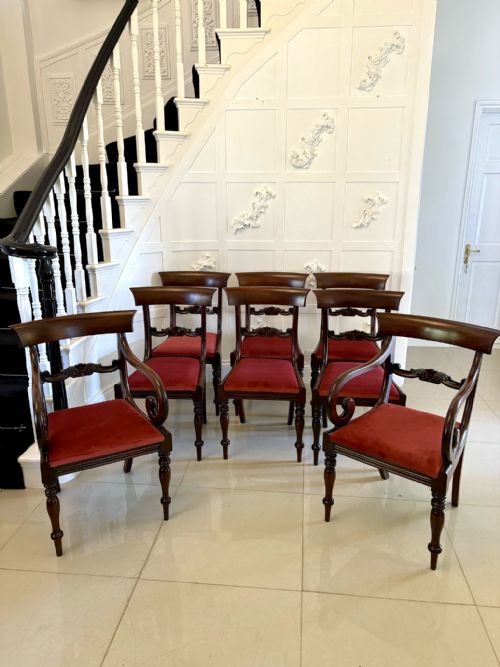
Buyers will find individual armchairs alongside pairs and larger sets intended for dining tables, desks, or libraries. Mahogany and oak form the structural backbone of most examples, while velvet provides the primary tactile surface for the seat or back.
The aesthetic vocabulary spans from restrained Regency and George III designs to later revivals including Hepplewhite and Sheraton styles. Pieces range from straightforward vernacular country seating to sophisticated urban workshop productions.
Materials and construction methods
Cabinetmakers relied heavily on dense hardwoods such as mahogany, walnut, and oak to construct the frames, ensuring the structural integrity needed to support daily use and weight bearing armrests. Timber was frequently turned, carved, or inlaid with brass and lighter woods to accentuate the proportions.
Velvet textile was traditionally applied over padded drop-in seats or fixed frames, secured with tacks to provide a soft and durable surface. Secondary woods and traditional joinery techniques hidden beneath the upholstery maintained the stability of the chair framework.
The listings show chair frames built predominantly from mahogany and oak, with walnut and satinwood appearing in specific regional and revival pieces.
Distinguishing quality across examples
Quality separates chairs by the crispness of the timber carving, the selection of the primary wood grain, and the balance of the proportions. Superior frames demonstrate precise joinery and refined detailing that remains tight and stable.
The sophistication of the design lineage influences the standing of a piece, moving from standard regional interpretations to high style workshop commissions. Original surface patination on the timber further distinguishes untouched historical examples from heavily restored ones.
Cowtan And Sons·Hille·Gillows·J And T Scott
The Antique Velvet Carver Chair Glossary
- Carver chair
- An armchair, traditionally placed at the head of a dining table or used as a desk chair, featuring integrated armrests.
- Drop-in seat
- A removable upholstered frame that drops securely into the wooden seat rails of a chair.
- Shieldback
- A chair back shaped in the outline of a heraldic shield, popularised during the late eighteenth century.
- Scroll arm
- An armrest curved outward or inward in a scroll profile, frequently seen on Regency and Victorian seating.
- Ladderback
- A chair back featuring horizontal wooden slats resembling the rungs of a ladder.
Antique Velvet Carver Chair: Frequently Asked Questions
What is a carver chair used for?
A carver chair serves as an armchair placed at the head of a dining table or utilised independently at a desk or in a library. The integrated armrests provide additional comfort compared to standard dining seating.
Historically, these chairs matched larger dining sets to accommodate the host or principal guest. Today, they function equally well as standalone accent pieces in living spaces.
How do I date an antique chair?
Dating relies on examining the timber species, construction methods, tool marks, and stylistic characteristics. Cabinetmakers of different eras favoured distinct woods and specific decorative motifs.
Comparing structural details against established design periods helps narrow the manufacturing window. Secondary woods used in the frame hidden beneath upholstery also provide clues to the origin and age.
Are velvet seats original?
Velvet upholstery rarely survives centuries of use in its original state and is frequently renewed to preserve usability. Antique chairs often receive fresh fabric that respects historical colour palettes and textures.
The underlying webbing, stuffing, and drop-in frames are where the historic fabric of the upholstery survives. Frame construction underneath the fabric remains the primary indicator of the chair's age.
How do I care for antique velvet?
Antique velvet requires gentle brushing with a soft bristle brush to maintain the pile and prevent dust accumulation. Keeping pieces away from direct sunlight prevents the fabric colours from fading.
Professional textile cleaning is recommended for deeper maintenance to avoid damaging the historical fibres. Ensuring a stable indoor humidity protects both the velvet textile and the underlying wooden frame.