
Antique Vanity Dressing Mirror
An antique vanity dressing mirror brings character and reflective depth to a room, offering practical use through centuries of design.
Antique Vanity Dressing Mirror
When searching for an antique vanity dressing mirror, buyers encounter a variety of forms designed for personal grooming and bedroom adornment over past centuries.
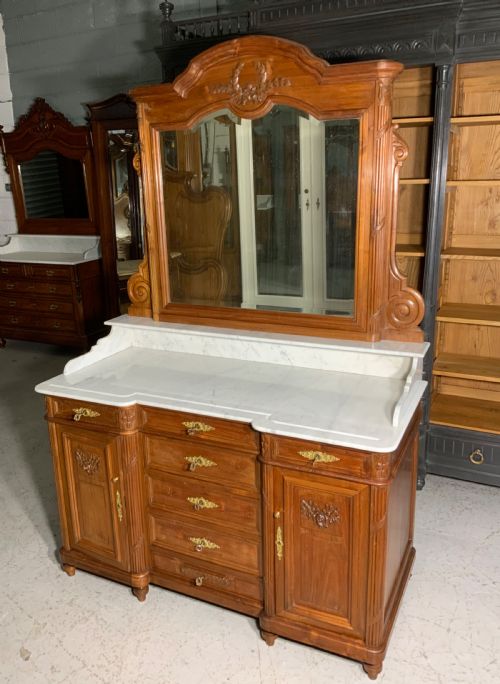
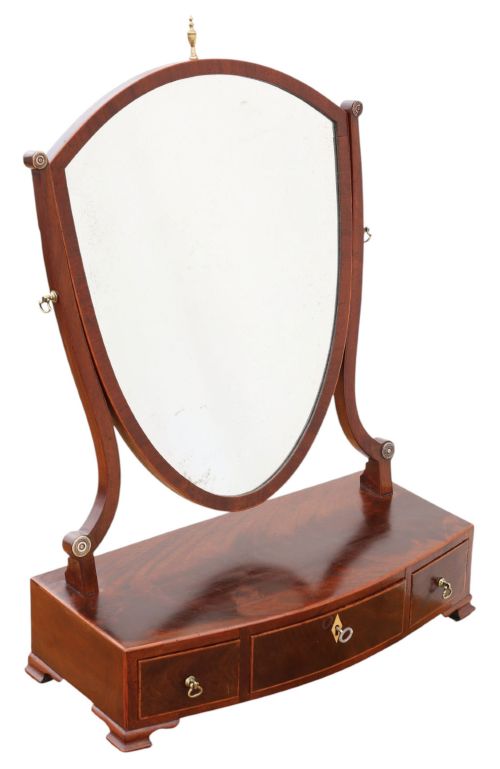
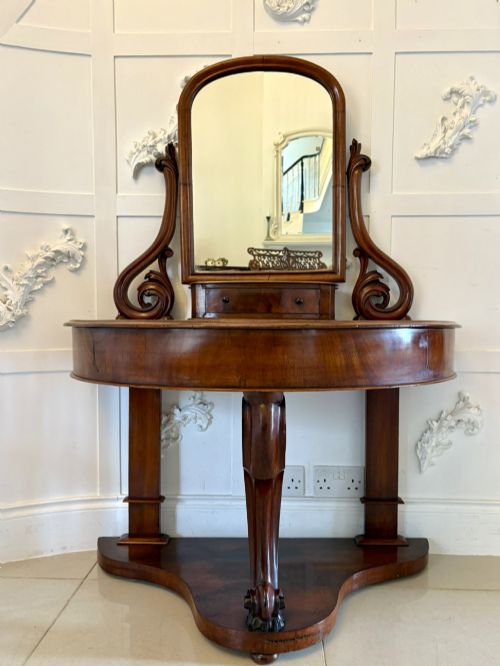
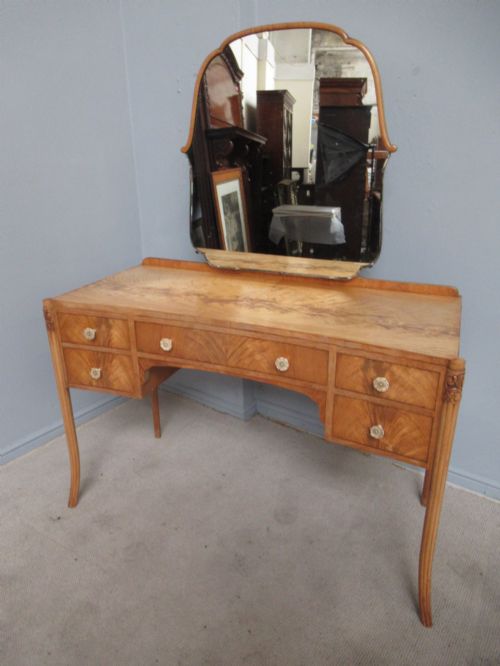
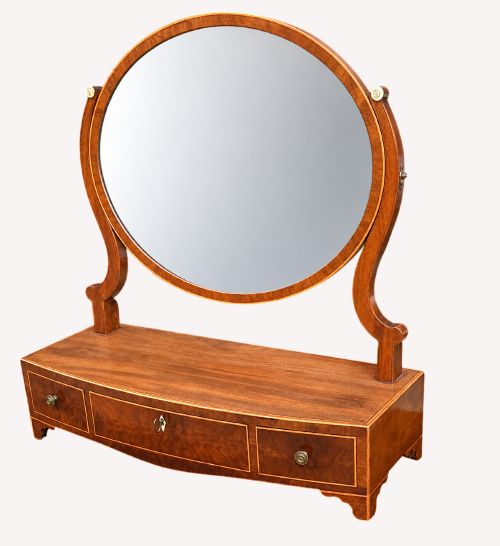
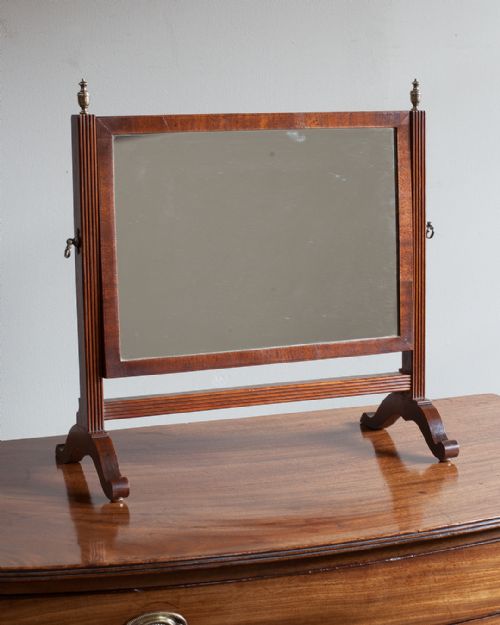
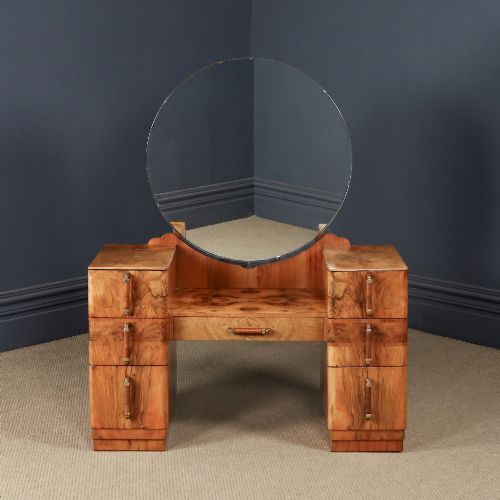
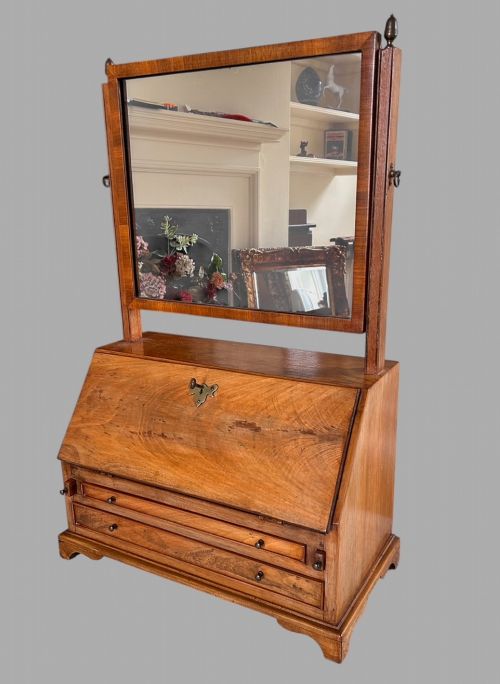
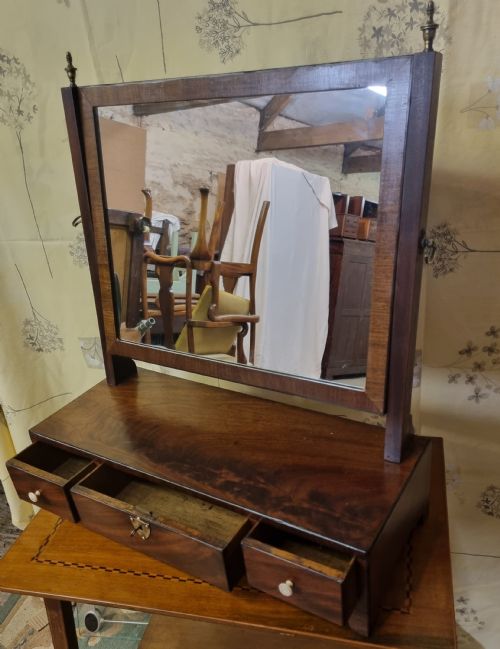
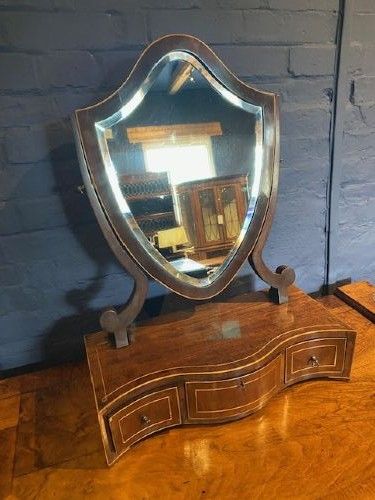
The most common versions on this page include tabletop swing mirrors fitted with small drawer bases, often referred to as toilet mirrors, alongside larger dressing table attachments.
Pieces range from compact Georgian mahogany desk mirrors to expansive Art Deco burr walnut pedestal designs with integrated plates.
How They Were Made
Cabinetmakers constructed these frames using dense timbers like mahogany, walnut, and oak, frequently embellished with figured veneers such as burr walnut or satinwood.
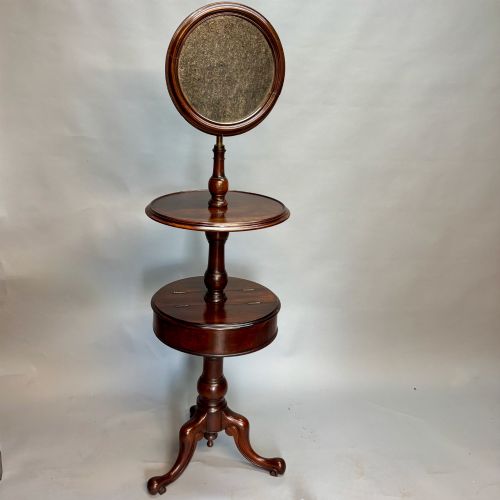
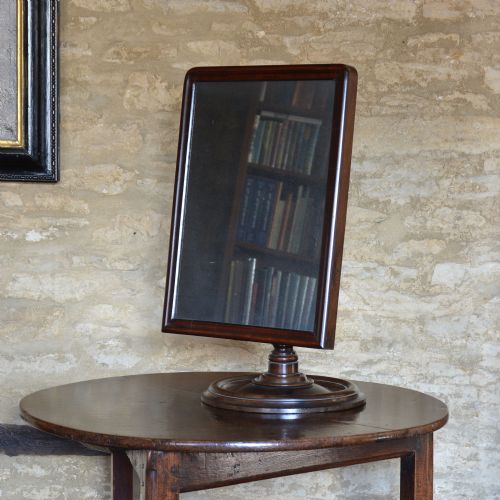
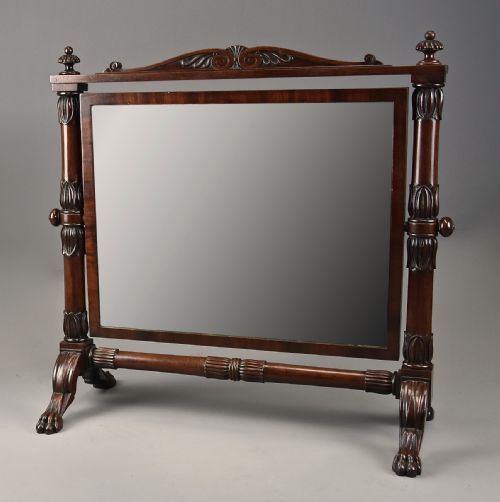
Mirrors were traditionally silvered on glass plates and held within pivoting frames supported by upright arms, allowing the user to adjust the angle of reflection.
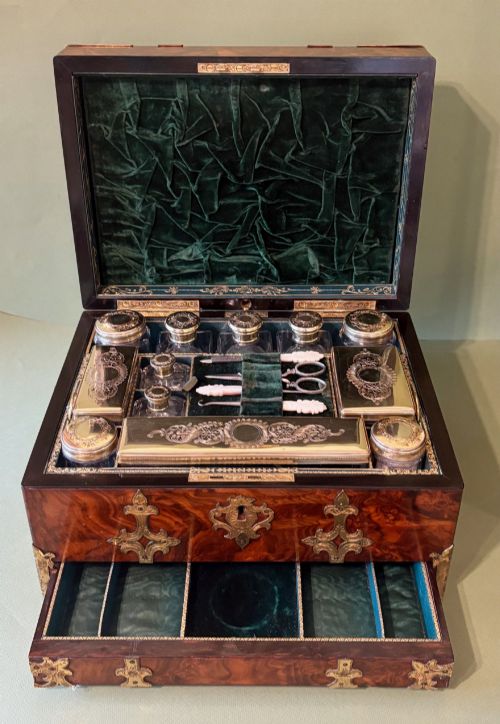
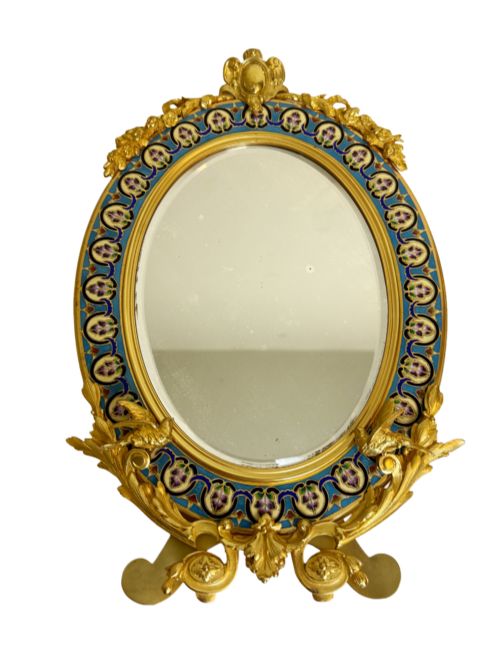
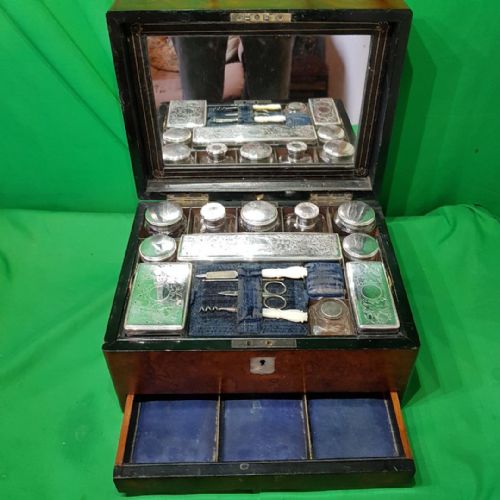
More ornate examples incorporate cast brass mounts, ormolu, champlevé enamel, or carved lime wood detailing executed by hand.
Listings feature pieces spanning from the 17th century through the Georgian, Victorian, and Art Deco periods, utilising mahogany, walnut, and brass.
What Varies in Quality
Quality rests upon the selection of timber figure, the crispness of hand-carved mouldings, and the architectural proportion of the base drawers to the mirror frame.
Superior examples retain their original mirror glass, mercury backing or early silvering, and well-fitted dovetail joints in the accompanying storage compartments.
Maples of London and Paris·Heal And Sons·Waring And Gillow
The Antique Vanity Dressing Mirror Glossary
- Toilet mirror
- A small mirror designed to sit on a tabletop or chest, often featuring small drawers in the base for trinkets. These were essential for grooming before large wardrobes became common.
- Swing mirror
- A glass plate mounted on pivots between two upright arms, allowing the user to tilt the reflection. This mechanism relies on secure side screws or wooden pegs.
- Cheval mirror
- A full-length freestanding mirror supported by a four-legged frame. The word derives from the French for horse, alluding to the four supporting legs.
- Burr walnut
- Timber taken from the warted growths of a walnut tree, yielding intricate, swirling grain patterns. Cabinetmakers prized this for veneering prominent surfaces.
- Ormolu
- Gilded bronze ornamentation applied to furniture and decorative objects. It provides bright metallic contrast against dark woods like mahogany.
Antique Vanity Dressing Mirror: Frequently Asked Questions
What is a toilet mirror?
A toilet mirror is a compact tabletop glass fitted to a small chest of drawers, designed for personal grooming.
These pieces were traditionally placed on top of a commode or dressing table in Georgian and Victorian bedrooms.
How do I date an antique mirror?
Dating relies on identifying the primary wood species, construction methods like hand-cut dovetails, and the style of the mirror frame.
Earlier pieces from the Georgian era often feature thin mahogany framing and ogee bracket feet, whereas Edwardian and Art Deco examples display distinct geometric lines.
Can I replace the mirror glass?
While original glass carries historical value, some buyers choose to install new glass if the old silvering has deteriorated too far.
Original plates often show foxing and dark spots, which many collectors prefer to leave untouched as proof of age.
Where should I place a dressing mirror?
These mirrors suit placement on top of low chests of drawers, sideboards, or dedicated vanity tables in bedrooms and dressing rooms.
Tabletop versions require a sturdy surface capable of supporting their weight and adjusting tilt angles safely.