
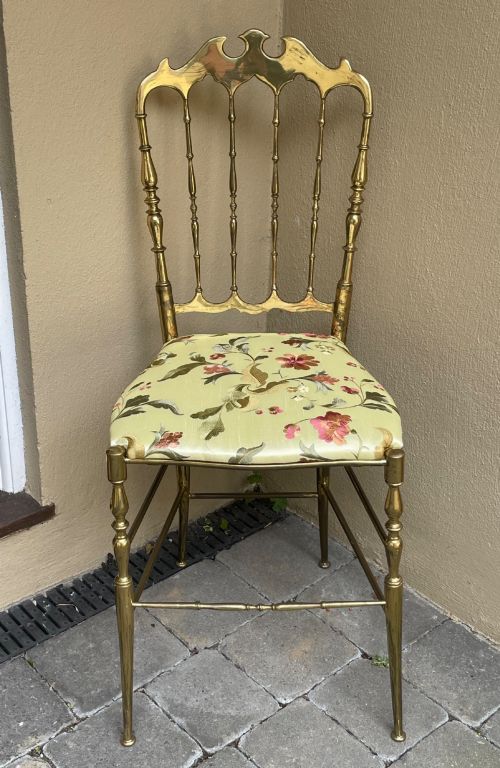


Antique Vanity Chair
An antique vanity chair brings compact elegance to a dressing room, offering low-slung seating designed for comfort during personal grooming.
Antique Vanity Chair
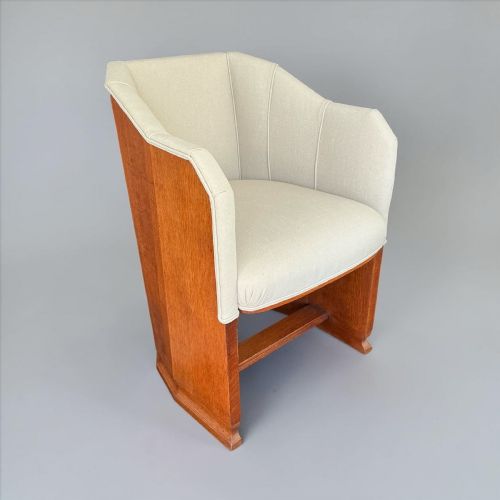
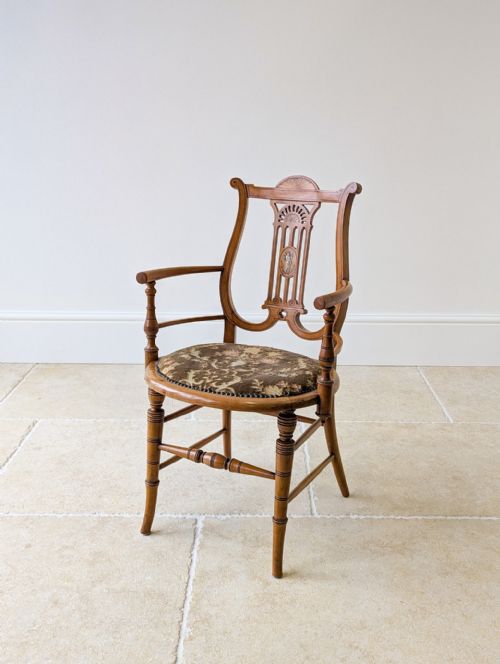
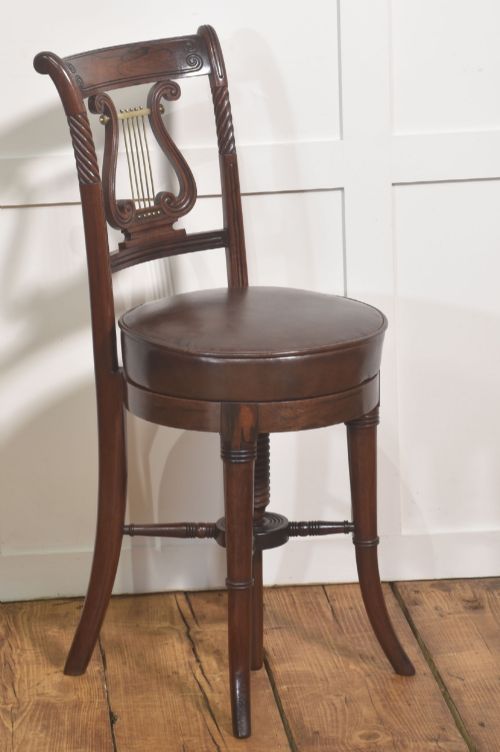
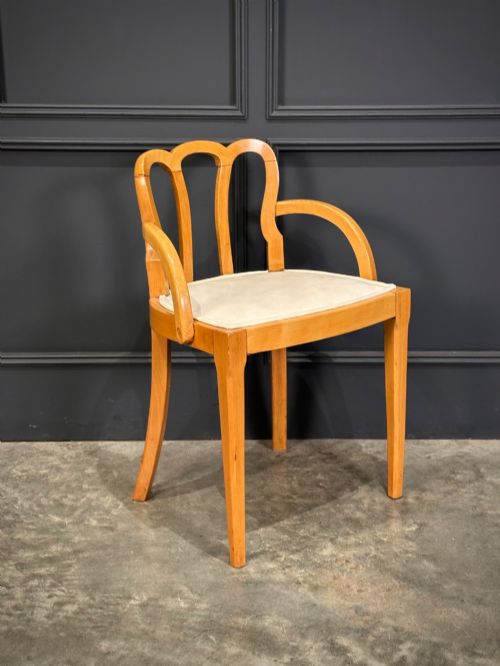
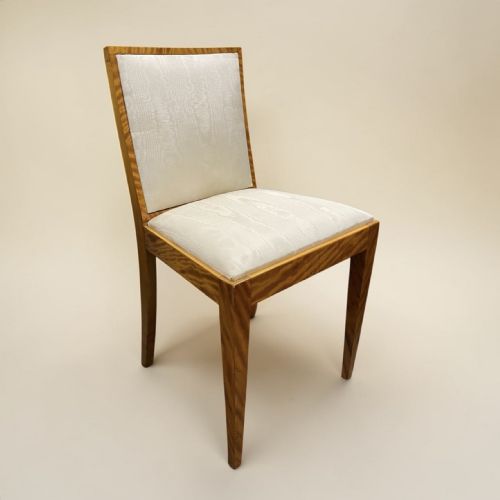
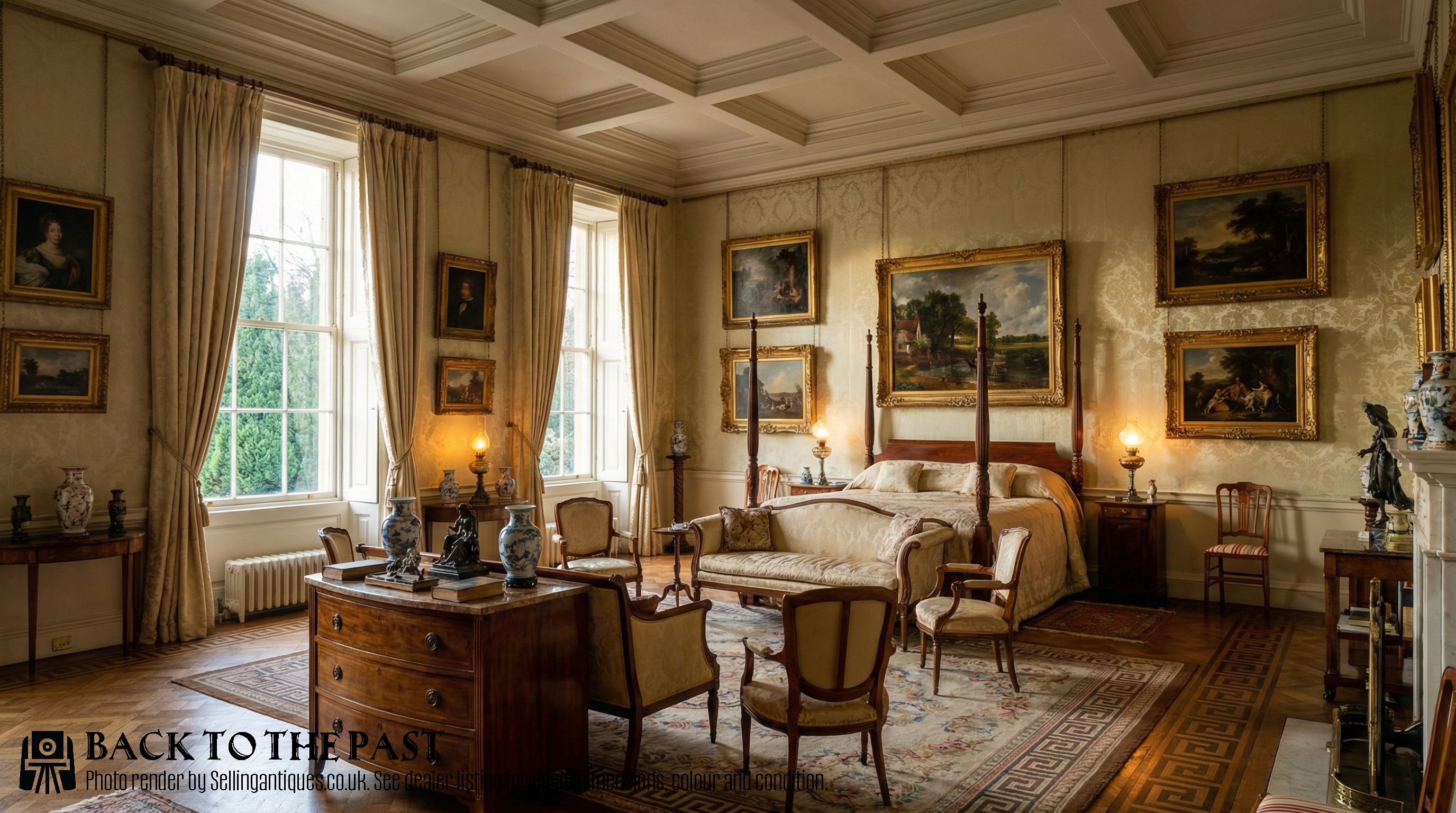
Makers and manufacturers historically produced these seating options in styles ranging from Victorian and Edwardian iterations to Art Deco designs and Sheraton Revival interpretations. Buyers frequently encounter nineteenth-century walnut and mahogany frames paired with low seats tailored for bedroom use.
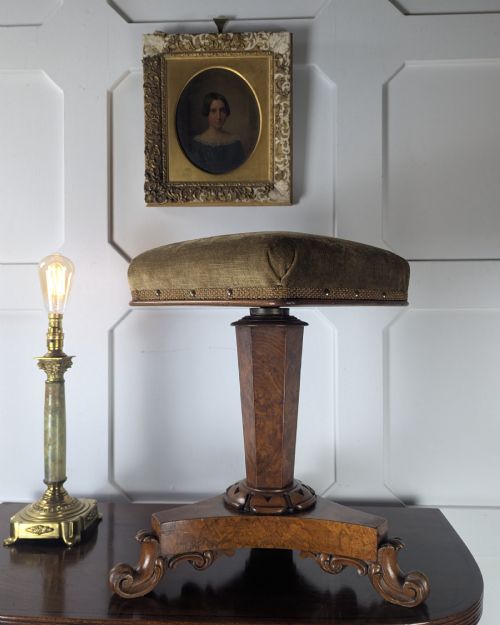
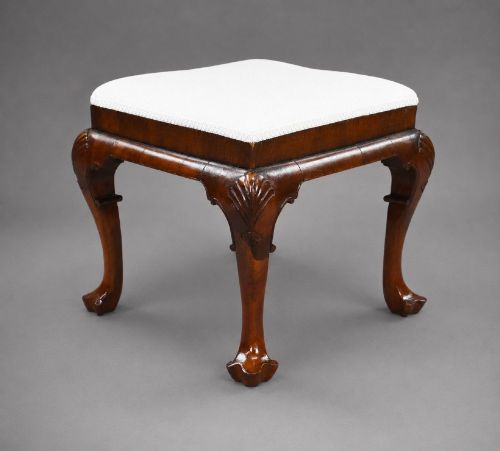
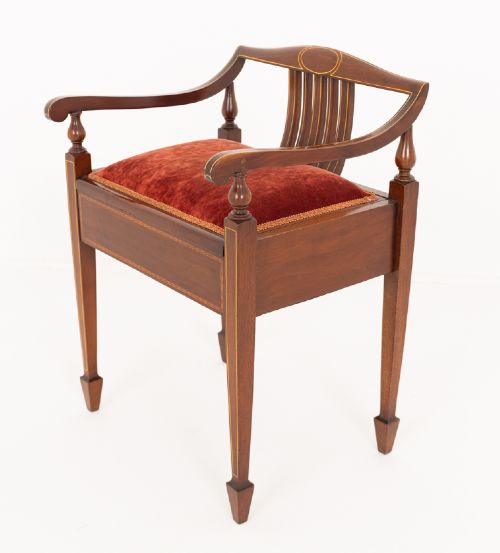
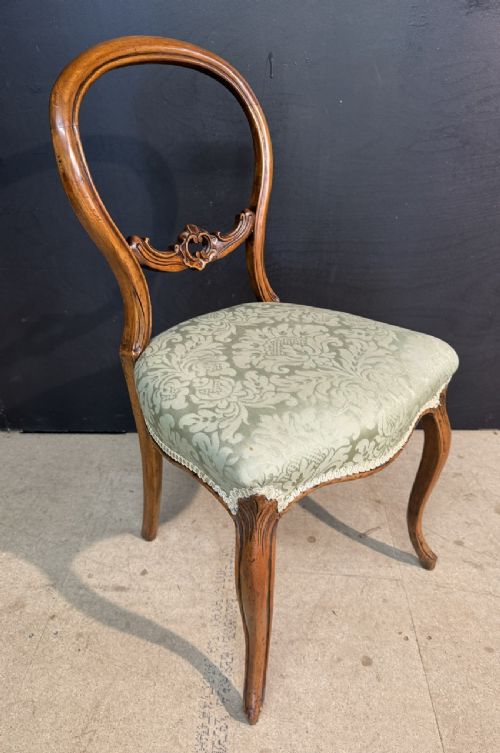
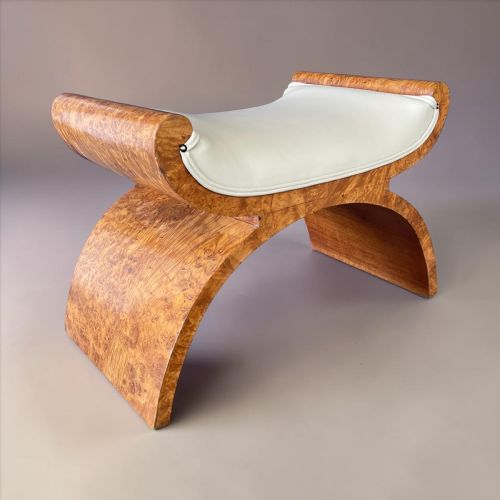
The assortment includes specialised pieces such as adjustable dressing table stools, X-framed stools, and side chairs with cabriole legs. These compact seats serve modern homes as accent chairs or functional dressing room furniture.
How they were made
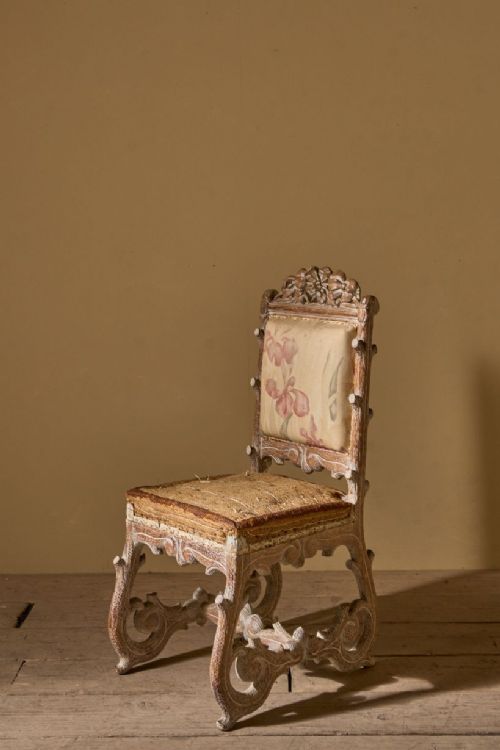
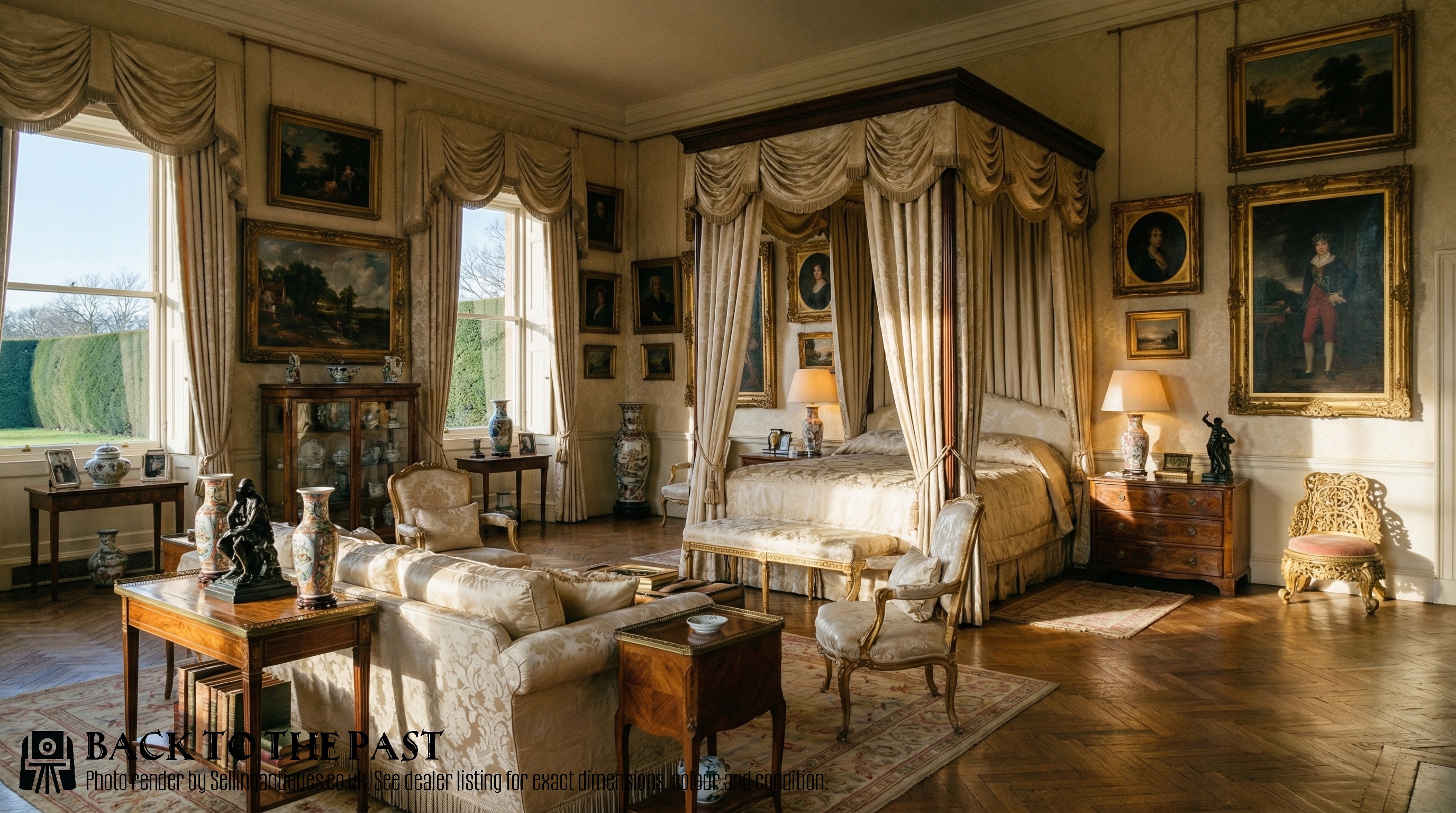
Cabinet makers constructed antique vanity chair frames from dense hardwoods such as mahogany, walnut, rosewood, and satinwood, occasionally applying giltwood finishes or intricate carvings. Craftsmen incorporated structural elements like twisted rope legs, cabriole legs, and inlaid veneers to elevate the visual appeal of these bedroom seats.
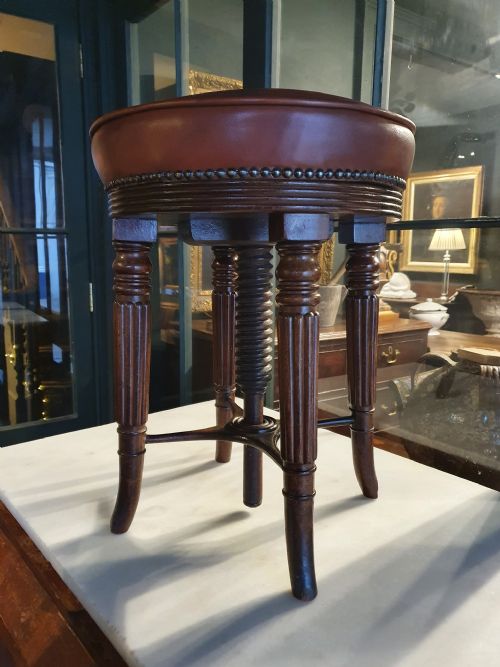
Upholstery techniques involved traditional fabric coverings, needlepoint, velvet, and textile padding, sometimes finished with decorative fringe. Workshops also integrated mechanical adjustments for revolving piano stools and storage compartments within dressing stools.
Antique Vanity Chair Retail Price Guide 2026
Typical asking prices for vanity chair among the pieces listed under this phrase on Sellingantiques today, from the lower quarter to the upper quarter. They describe what is for sale here now, not the wider market.
Some nineteenth-century dressing stools cleverly hide secret storage compartments beneath their plush velvet lids for midnight trinkets.
What varies in quality
The distinction between standard examples and finer pieces lies in the crispness of the timber carving and the sophistication of the wood selection, such as figured walnut or polished satinwood. Superior examples exhibit robust joinery, balanced proportions, and retention of original decorative details like gilding or hand-carved backs.
The integrity of the frame construction and the quality of the underlying upholstery build determine the longevity of the piece. Items retaining period textiles or displaying documented attribution to known cabinet makers command greater interest among collectors.
Harry and Lou Epstein·Bath Cabinet Makers·Heals·Lamb of Manchester
The Antique Vanity Chair Glossary
- Cabriole leg
- A furniture leg that curves outward at the knee and tapers inward toward the foot, mimicking animal limbs. This form appears frequently on eighteenth-century and revival seating.
- Slipper chair
- A low-seated upholstered chair originally designed for ladies' dressing rooms to assist with footwear. These pieces typically sit close to the floor without arms.
- Sheraton Revival
- A late nineteenth-century design movement inspired by the neoclassical furniture of Thomas Sheraton. Pieces in this style utilise satinwood, delicate inlay, and classical motifs.
- Revolving piano stool
- An adjustable seat fitted with a threaded wooden spindle that raises or lowers the top when turned. These versatile items often double as dressing table seating.
- X-framed stool
- A seating form supported by intersecting diagonal members forming an X shape. This structural design provides robust stability and distinct visual presence.
Antique Vanity Chair: Frequently Asked Questions
What defines an antique vanity chair?
An antique vanity chair is a low, compact seat designed specifically for use at a dressing table or in a bedroom. These pieces date primarily from the Victorian, Edwardian, and Art Deco periods.
Craftsmen built them to sit comfortably lower than standard dining chairs, allowing individuals space and ease during grooming routines. They appear in varied forms, including slipper chairs, revolving stools, and small-backed boudoir seats.
How were vanity chairs historically used?
Historically, ladies utilised these chairs in bedrooms and dressing rooms while attending to hair, makeup, and attire. Their compact proportions allowed them to tuck neatly beneath dressing tables when not in use.
Revolving and adjustable versions permitted users to alter their seating height for mirrors. Their decorative frames also suited them for placement in hallways or corners as occasional seating.
How do I identify Victorian examples?
Victorian examples typically feature dark hardwoods such as mahogany and walnut, frequently showcasing deep button upholstery, carved cabriole legs, or turned wooden supports. These pieces often prioritise ornate comfort and substantial padding.
Later Victorian items may incorporate walnut or rosewood with hand-carved backs and fringe detailing. Examining the wood grain and joining methods helps confirm nineteenth-century production.
Can I use these chairs in modern rooms?
These antique chairs integrate smoothly into contemporary interiors as accent pieces, dressing table seats, or bedroom chairs. Their modest scale suits small spaces where standard armchairs prove too bulky.
Placing an antique slipper chair or inlaid piano stool in a modern hallway or study introduces historic character. Many pieces blend easily with various interior styles through sympathetic reupholstering.