
Antique Vanity Cabinet
An antique vanity cabinet brings period timber and practical wash or dressing furniture into a modern bedroom with genuine architectural presence.
Antique Vanity Cabinet
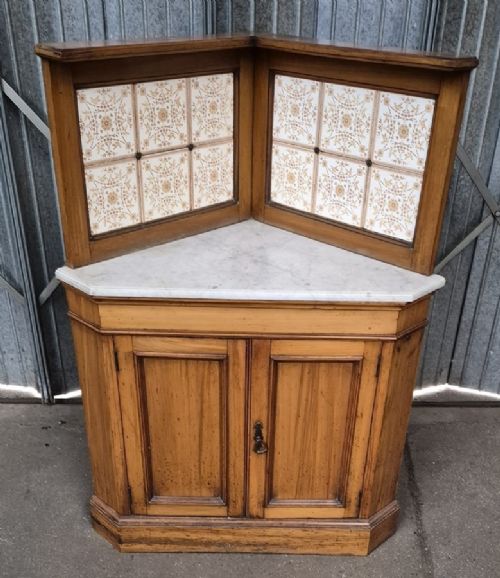
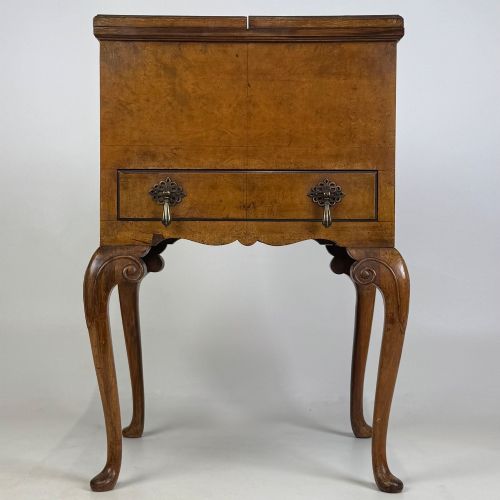
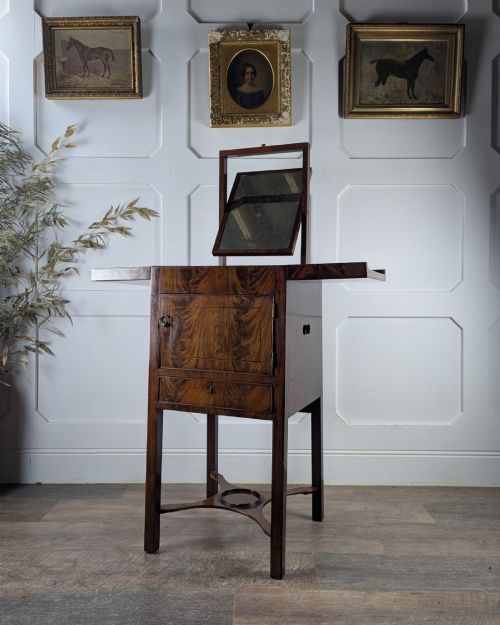
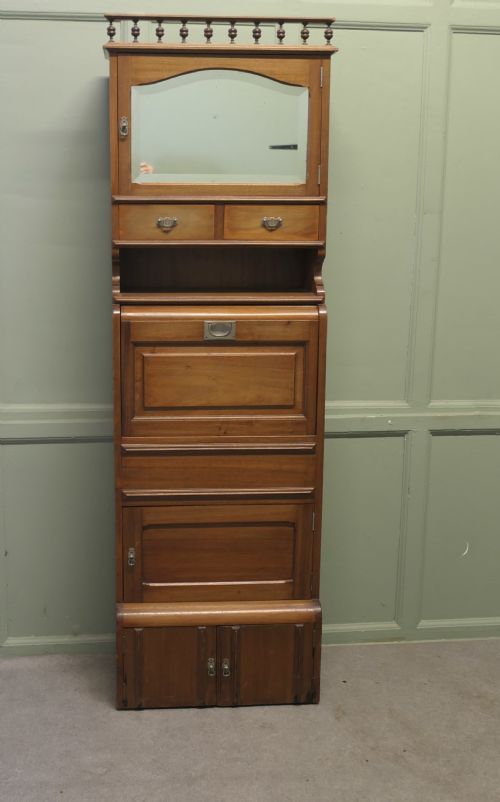
When you search for an antique vanity cabinet, you encounter pieces designed for personal grooming and morning ablutions across the Georgian, Victorian, and Edwardian eras. The selection spans utilitarian campaign furniture, corner washstands, and elaborate marble-topped bathroom cabinets intended for townhouses and yachts alike.
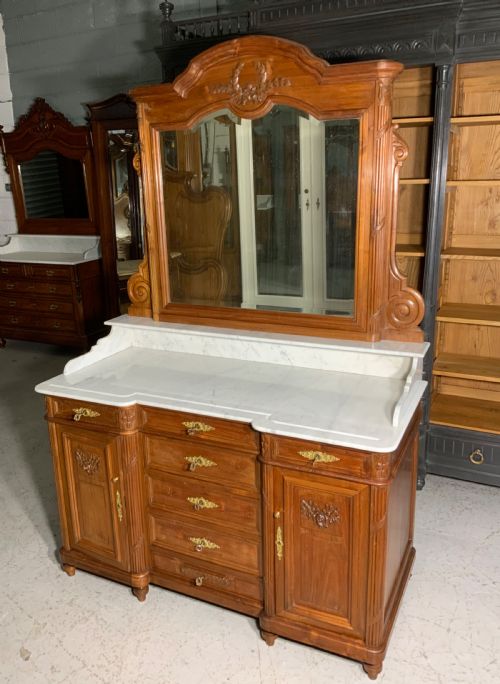
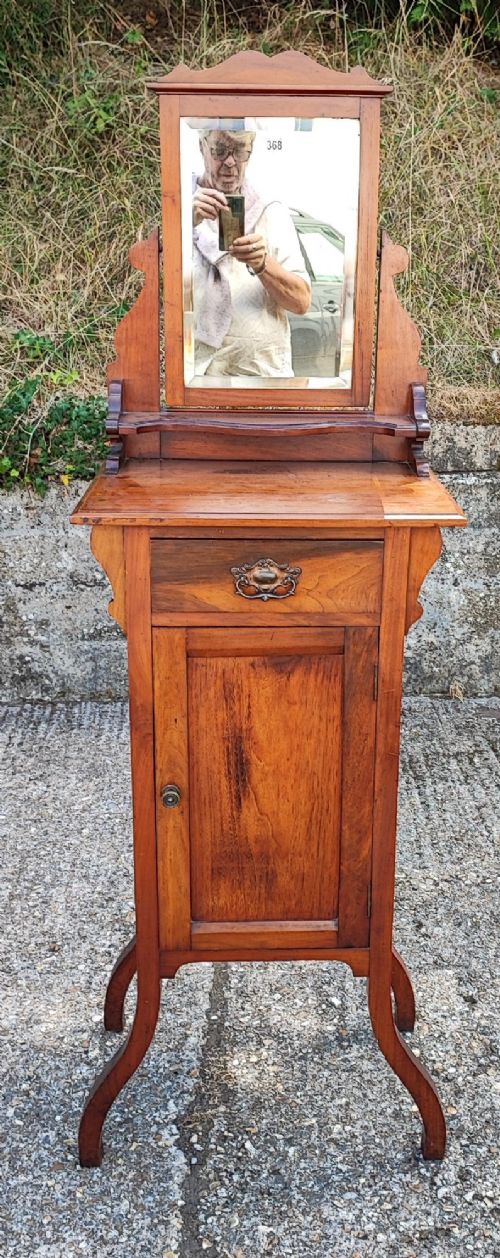
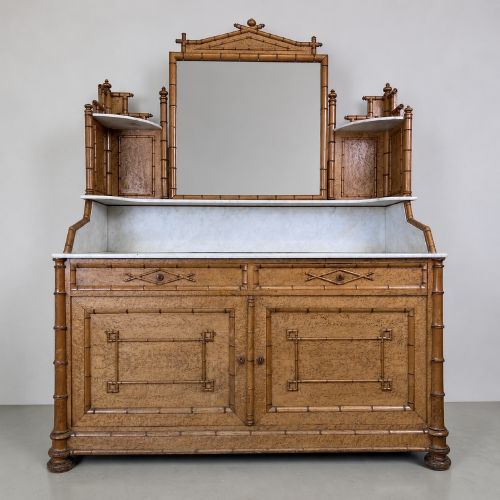
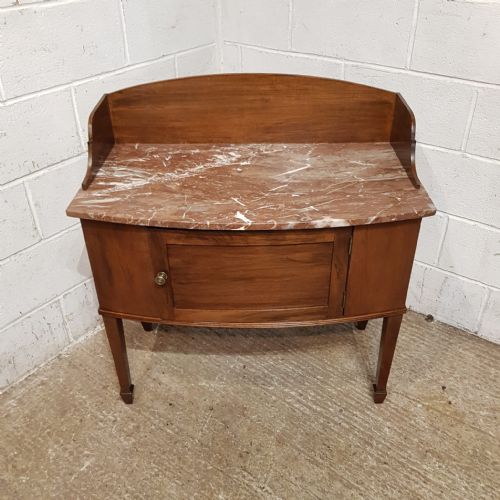
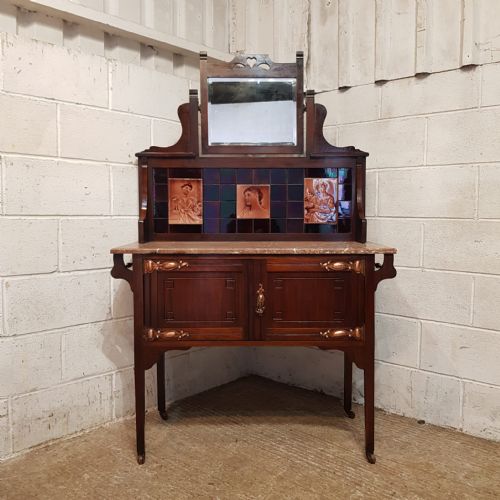
The version you are most likely to meet on this page is the Edwardian or Victorian washstand, frequently executed in mahogany or walnut and topped with white or rouge marble. These forms combine functional basins, cupboards, and mirrors into cohesive pieces of bedroom architecture.
Materials and Construction
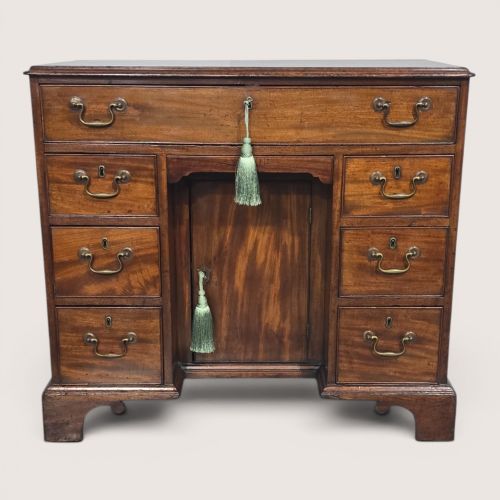
Cabinet makers utilised dense hardwoods such as Cuban mahogany, burr walnut, and satinwood, often pairing them with contrasting inlay and brass hardware. Secondary timbers like pine provide internal structure for drawers and compartments.
Slab marble tops, glazed ceramic basins, and bevelled glass mirrors form the functional working surfaces of these cabinets. Joinery relies on traditional dovetailed drawers and panelled doors designed to withstand daily domestic service.
Listings feature pieces spanning the Georgian, Victorian, Edwardian, and Art Deco periods, executed in mahogany, walnut, marble, and brass.
Craftsmanship and Proportion
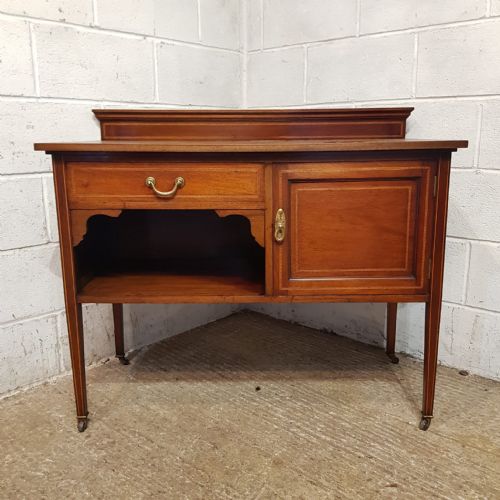
Quality rests in the selection of timber veneers, such as bird's-eye maple or burr walnut, and the precision of string inlay and marquetry. Superior examples retain their original marble tops, matching ceramic hardware, and intact bevelled mirrors without replacement elements.
Structural integrity and proportion separate standard utility pieces from fine cabinet-making. Well-made pieces balance the weight of stone tops with sturdy frames and operable folding mechanisms on campaign or corner designs.
Walker And Sons·Harrods·Bath Cabinet Makers·Edwards And Roberts·James Shoolbred·Gillows
The Antique Vanity Cabinet Glossary
- Washstand
- A piece of bedroom furniture designed to hold a basin, jug, and washing accessories before plumbed bathrooms became standard. Many later examples double as vanity cabinets.
- Campaign washstand
- A folding or modular piece constructed for travel, often featuring clever compartments and brass mounts. These were built for officers on the move.
- Marble top
- A stone slab fitted to the surface of a washstand to resist water damage during grooming. Rouge and white varieties appear frequently.
- Cheval mirror
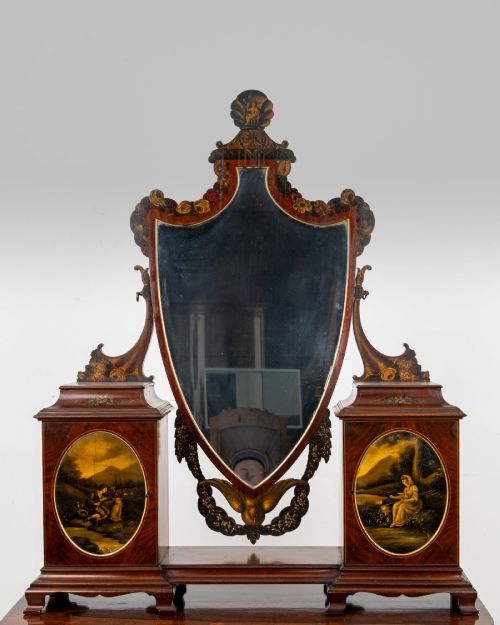
- A full-length mirror hung in a frame that allows it to tilt, frequently mounted atop dressing tables or vanity cabinets. Edwardian versions often include small jewellery drawers.
- Inlay
- A technique where pieces of contrasting wood, shell, or brass are inserted into recesses in the primary timber surface to form decorative patterns.
Antique Vanity Cabinet: Frequently Asked Questions
What is an antique vanity cabinet?
An antique vanity cabinet is a piece of furniture created for personal grooming, incorporating storage for washing equipment, cosmetics, or shaving gear.
These pieces typically date from the Georgian, Victorian, and Edwardian periods, appearing as washstands, dressing tables, or fitted table cabinets.
How were washstands used originally?
Before plumbed indoor bathrooms were common, these cabinets held basins, water jugs, and chamber pots for morning washing and shaving.
Users kept soaps and brushes in the accompanying drawers or cupboards while utilising the marble or wood surface for daily hygiene.
How do I style one at home?
These cabinets function well in modern bathrooms or bedrooms as washbasin surrounds, bedside storage, or surface display tables.
The stone tops and timber finishes add texture and historical contrast to contemporary interiors while providing concealed storage.
How do I tell Victorian from Edwardian pieces?
Victorian pieces often display heavier proportions, dark mahogany or burr walnut timbers, and elaborate marquetry or carved details.
Edwardian furniture tends to be lighter in scale, frequently utilising inlaid satinwood, softer mahogany tones, and simpler neoclassical or Arts and Crafts lines.