
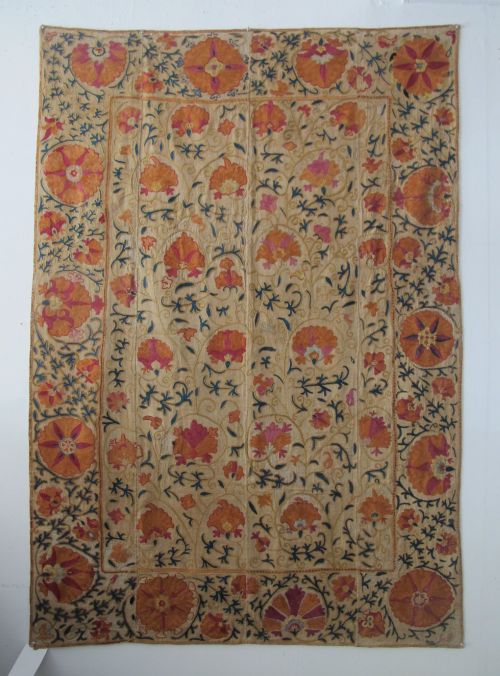


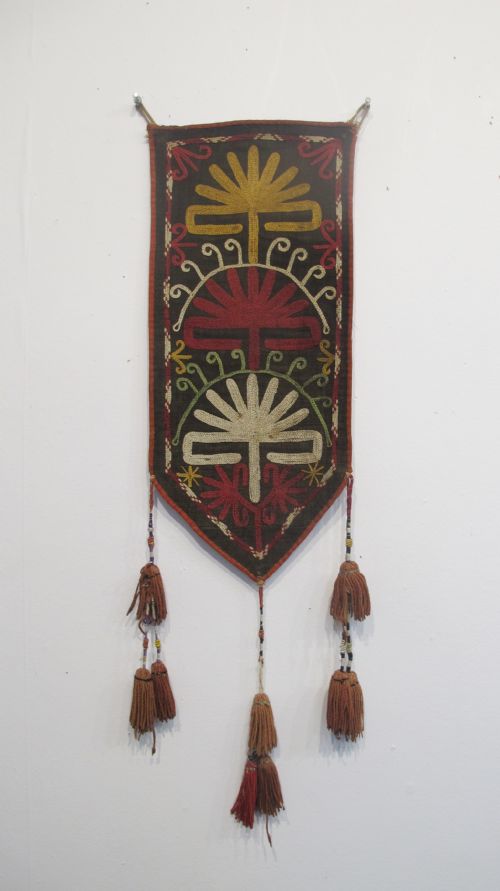
Antique Uzbekistan Silk Panel
An antique uzbekistan silk panel brings vibrant Central Asian textile art into a room, offering rich embroidery and striking tribal patterns.
Antique Uzbekistan Silk Panel
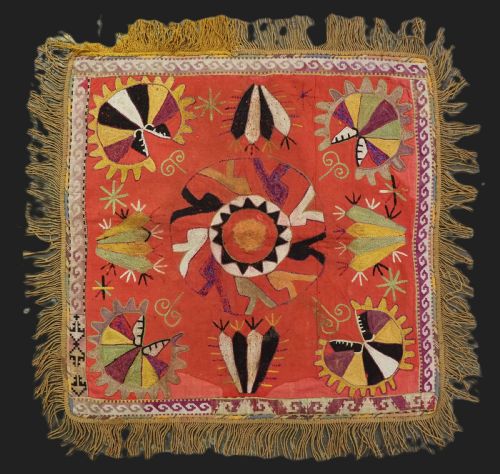
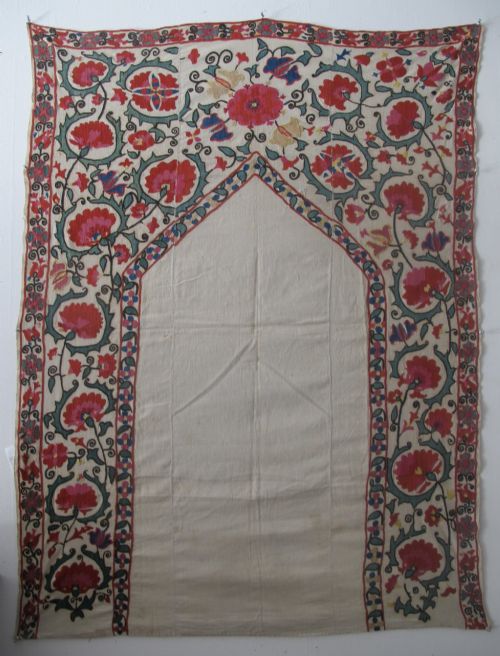
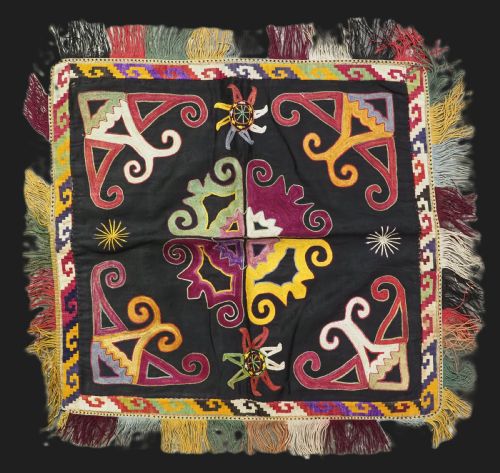
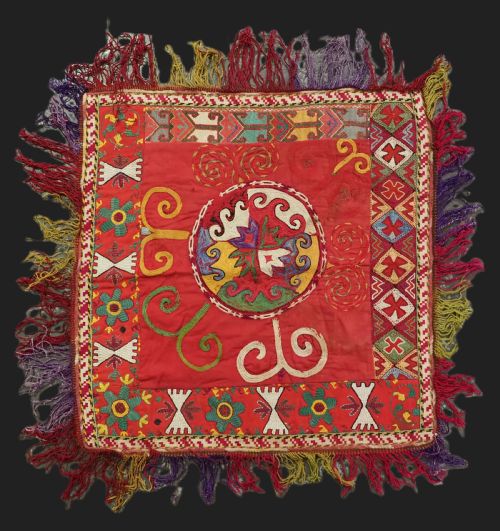
An antique uzbekistan silk panel encompasses traditional embroidered wall hangings, ceremonial covers, and decorative textiles originating from Central Asian regions. These pieces display distinct styles influenced by local traditions, including works associated with the Lakai tribe and specific towns like Bokhara, Nurata, and Shakrisabz.
The selections available here range from mid-nineteenth-century examples to early-twentieth-century works. Common forms include large suzanis, smaller nim suzanis, prayer suzanis, andilgich dowry embroideries created for domestic or ceremonial use.
Materials and Construction
Artisans constructed these textiles primarily using fine silk thread for intricate surface embroidery applied onto foundational grounds of cotton, linen, or wool. Specific examples utilise vibrant yellow cotton grounds or heavier woven fabrics to support dense needlework.
The creation of these panels involved specialised needle techniques, executed by hand to form elaborate floral, geometric, and architectural motifs. Silk ikat panels also demonstrate distinct resist-dyeing methods applied to the threads before weaving.
Several pieces preserve the energetic needlework of nomadic makers who clearly stitched straight from the heart without a preliminary sketch.
Assessing Quality
Quality rests upon the density and precision of the needlework, alongside the complexity of the design layout. Finer examples exhibit meticulous execution in intricate floral and architectural compositions.
The visual impact depends on the preservation of the vibrant silk threads and the integrity of the supporting cotton or wool ground. Greater artistic expression in regional motifs distinguishes superior pieces from simpler utilitarian works.
The Antique Uzbekistan Silk Panel Glossary
- Suzani
- An embroidered tribal textile from Central Asia, traditionally worked in silk on a cotton or linen foundation. These large decorative hangings often feature bold floral and botanical motifs.
- Nim suzani
- A smaller variation of the traditional suzani hanging, typically measuring around half the scale of a full-size wall panel. These compact textiles were frequently used in domestic interiors.
- Ikat
- A dyeing technique where yarn is resist-dyed prior to weaving, producing characteristic feathered pattern edges. Silk ikat panels display these striking, fluid colour transitions.
- Ilgich
- A specific form of embroidery created as part of a dowry by tribal groups such as the Lakai. These pieces served decorative and ceremonial purposes within the household.
- Torba
- A traditional hanging bag or utility piece associated with Central Asian nomadic tribes. Examples often feature detailed geometric or symbolic embroidery.
Antique Uzbekistan Silk Panel: Frequently Asked Questions
How were these panels used originally?
Nomadic and urban households utilised these textiles as decorative wall hangings, dowry furnishings, and ceremonial covers for important life events.
Certain specialised pieces functioned as prayer panels or decorative horse and saddle covers.
How should I hang a textile?
Mounting requires careful distribution of weight to avoid placing stress on the historic fabric and delicate silk embroidery threads.
Professional conservation framing or specialised sleeve mounting helps protect the textile from damage over time.
How do I identify different regional styles?
Regional attribution relies on examining the specific motif arrangements, colour palettes, and embroidery structures characteristic of towns like Bokhara or Nurata.
Tribal groups such as the Lakai also employed distinct geometric layouts that separate their work from urban outputs.