


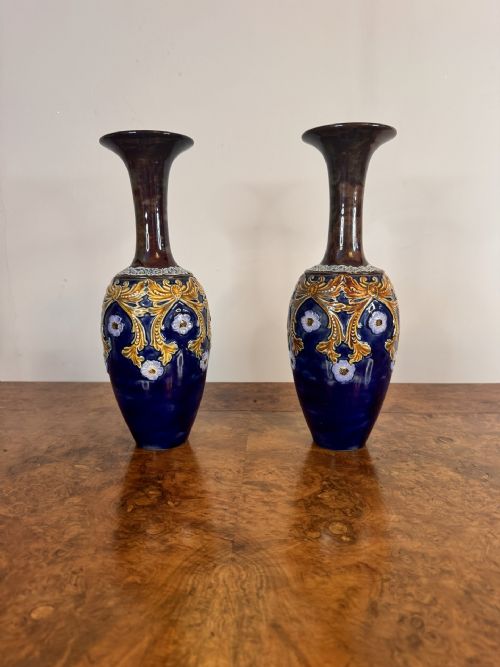
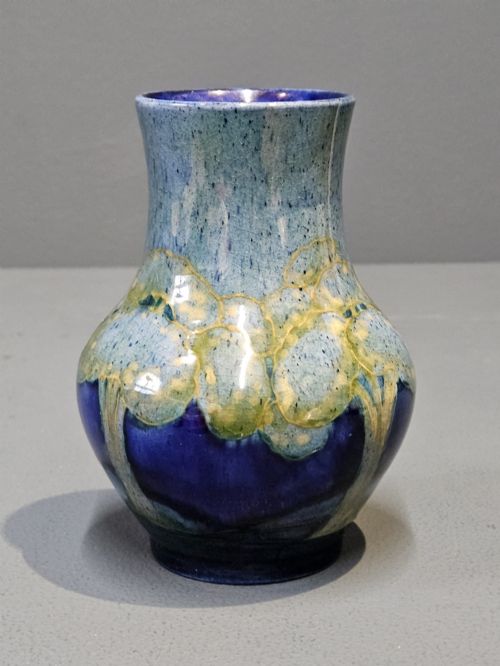

Antique Urn Vessel
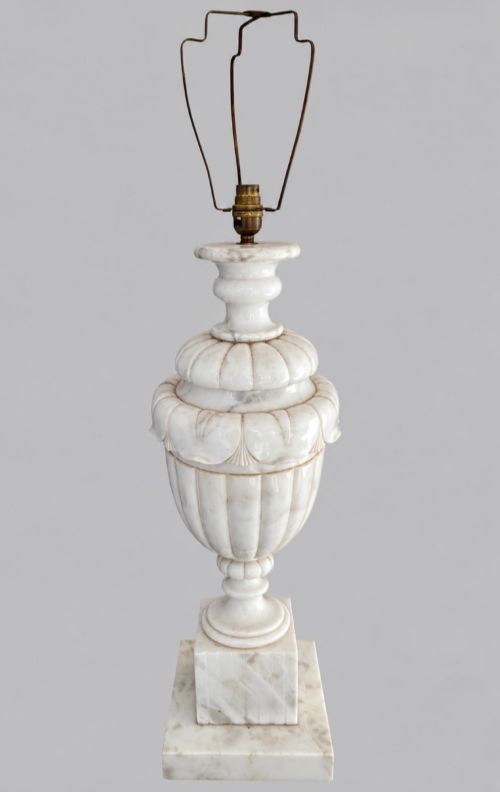
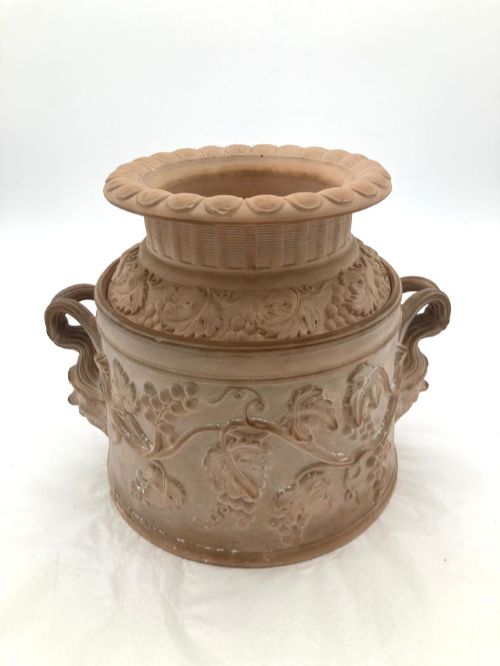
An antique urn vessel brings sculptural presence to a room, drawing the eye with classical form and enduring material.
Antique Urn Vessel
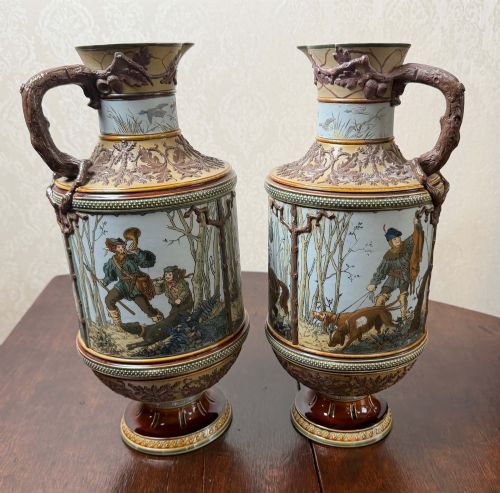
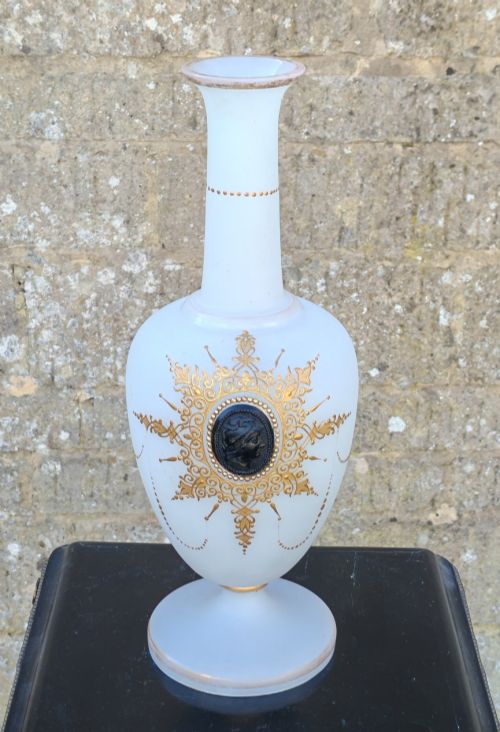
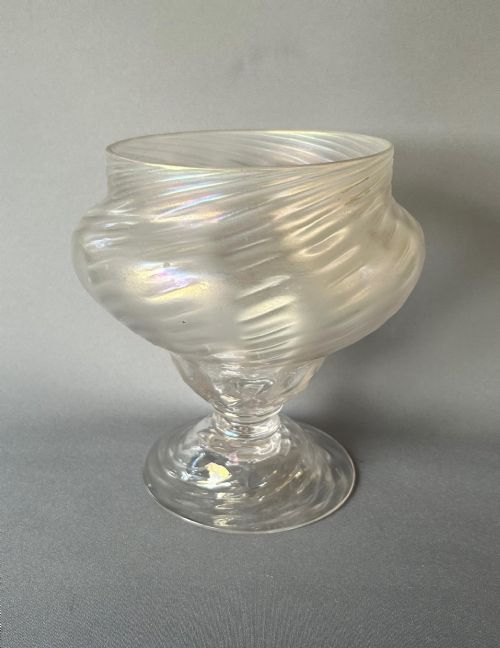
When searching for an antique urn vessel, collectors encounter a diverse array of decorative objects including vases, tazzas, ginger jars, and table lamps spanning several centuries. These vessels originate from diverse traditions, ranging from Japanese Meiji period cloisonné enamel to Chinese Qing dynasty bronzes and European porcelain interpretations.
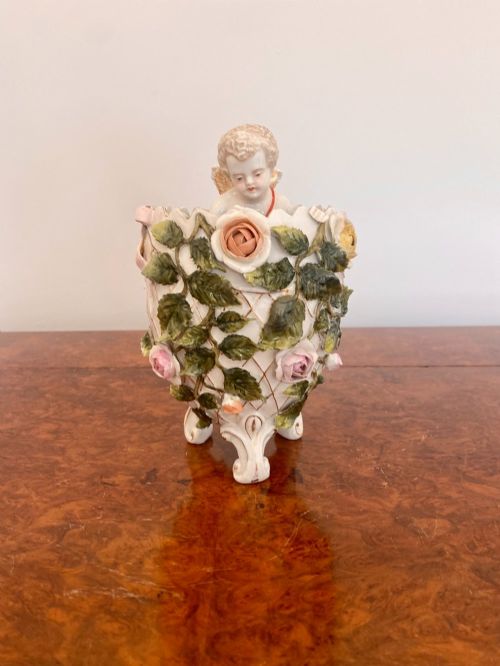
The most common examples on this page date from the nineteenth century, including Victorian floral urns, Japanese export ware, and Regency ceramic pieces. Forms vary from monumental display pieces to miniature ritual vases and covered ginger jars.
Makers and workshops from Britain, France, China, and Japan contributed to this category, utilising distinct regional aesthetics such as Art Nouveau curves, Neoclassical symmetry, and intricate Oriental motifs.
Materials and technique
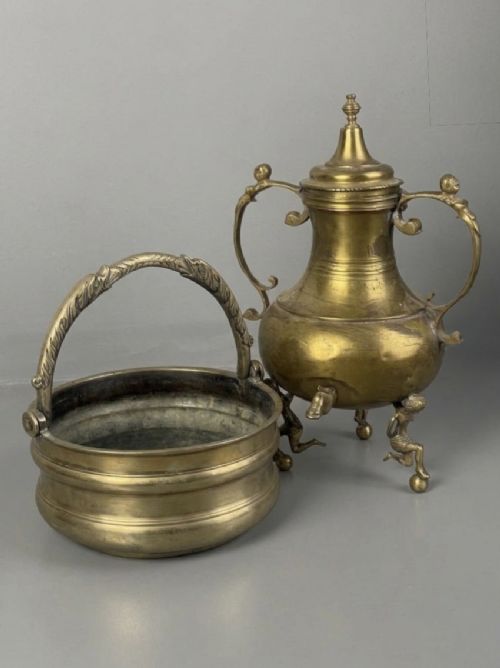
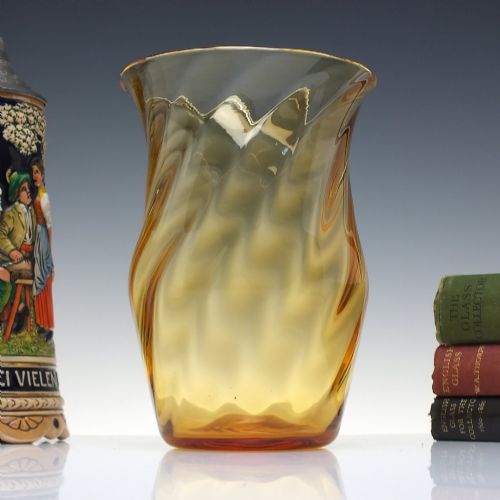
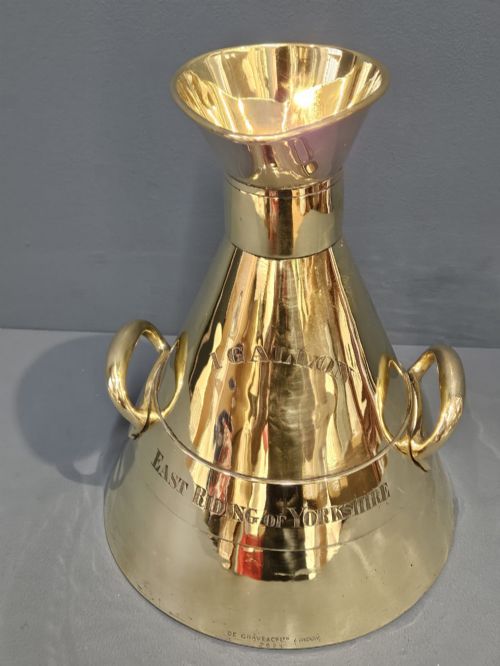
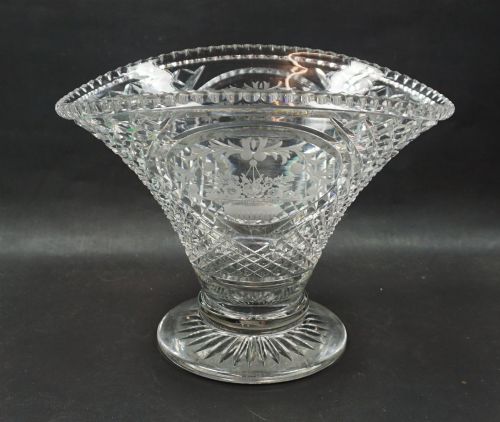
Metalworking techniques feature prominently in the evidence, with bronze, copper, and brass cast into vessels, sometimes complemented by cloisonné enamel wirework or silver mounts. Artisans also employed wheel-carving and acid-etching on glass, alongside traditional ceramic manufacturing methods.
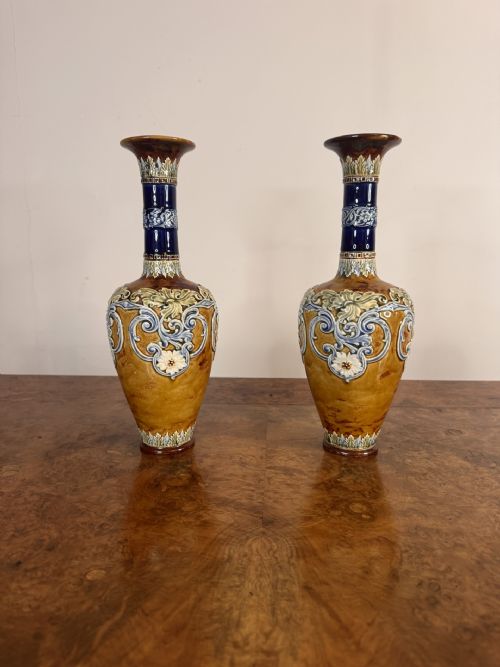
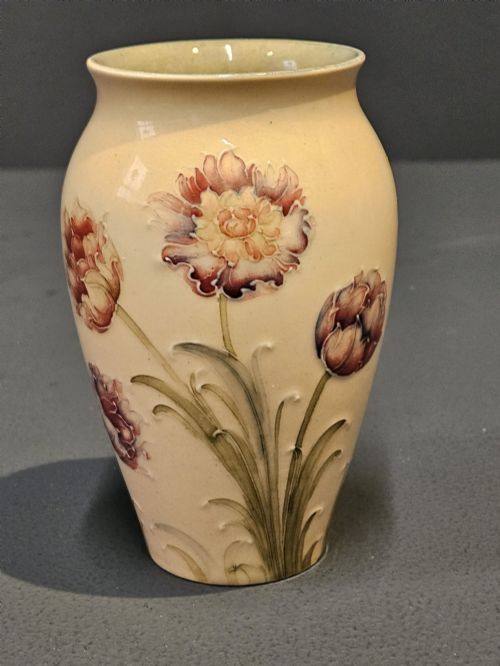
Pottery and porcelain pieces demonstrate varied firing and glazing methods, from earthenware and stoneware to delicate blue and white porcelain and clobbered wares. Surface decoration incorporates hand-painted motifs, incised details, and applied natural elements like pietra dura inlay or silver cabochons.
Antique Urn Vessel Retail Price Guide 2026
Typical asking prices for urn vessel among the pieces listed under this phrase on Sellingantiques today, from the lower quarter to the upper quarter. They describe what is for sale here now, not the wider market.
One listed grain mortar was carved from a single tree trunk in Africa, proving that storage containers make surprisingly sculptural vessels.
Distinctions in quality
The upper tier of these pieces displays superior control of the medium, whether through precise cloisonné wire placement, crisp bronze casting, or exceptionally fine hand-painted detail on porcelain. Signatures or attributions to recognised workshops elevate the standing of a vessel.
Material weight and depth of finish distinguish finer examples from standard decorative items. The harmony between decorative motifs and the vessel's overall form determines the success of the piece.
Flight Barr And Barr·Tsukamoto Hikokichi·Takasaka Toemon·Jules Moigniez·Georg Adam Scheid·Royal Doulton
The Antique Urn Vessel Glossary
- Cloisonné
- Enamelwork created by applying metal wires to a metal base to form compartments filled with vitreous paste. These cells are then fired and polished smooth.
- Tazza
- A shallow bowl or cup mounted on a stem and foot, used for display or serving. Such pieces often appear in bronze, glass, or ceramic.
- Imari
- A style of Japanese export porcelain characterised by underglaze blue and overglaze iron red, gold, and green. This palette gained popularity in European interiors during the nineteenth century.
- Samovar
- A heated metal urn traditionally utilised to boil water for tea. These items frequently incorporate brass or copper construction with spigots and decorative handles.
- Archaistic
- Design elements deliberately emulating ancient historical styles, commonly seen in nineteenth-century bronze vessels referencing earlier dynasties.
Antique Urn Vessel: Frequently Asked Questions
How were antique urn vessels originally used?
These vessels served various functions depending on their material and origin, ranging from ritual use and tea preparation to displaying cut flowers or holding dried aromatics.
Larger decorative examples functioned purely as architectural or tabletop ornaments within formal nineteenth-century interiors.
How do I care for bronze and brass vessels?
Metal vessels require gentle dusting with a soft, dry cloth to prevent the accumulation of abrasive particles.
Avoid chemical polishes that strip away the natural patination built up over centuries of handling.
How can I identify Meiji period cloisonné?
Meiji period cloisonné typically exhibits extremely fine copper wirework framing intricate naturalistic motifs such as birds, flowers, or koi against dark enamel grounds.
Close inspection often reveals subtle variations in the finish characteristic of skilled Japanese workshops from the late nineteenth century.