
Antique Turned Legs
These antique turned legs offer the structural backbone and decorative shaping that define seating and tables from the seventeenth to the twentieth century.
Antique Turned Legs
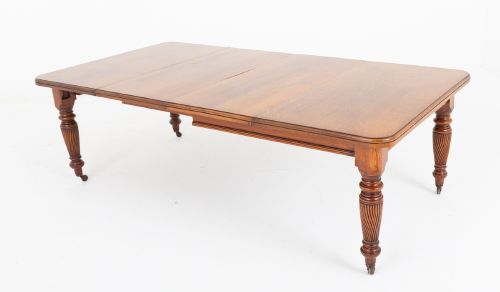
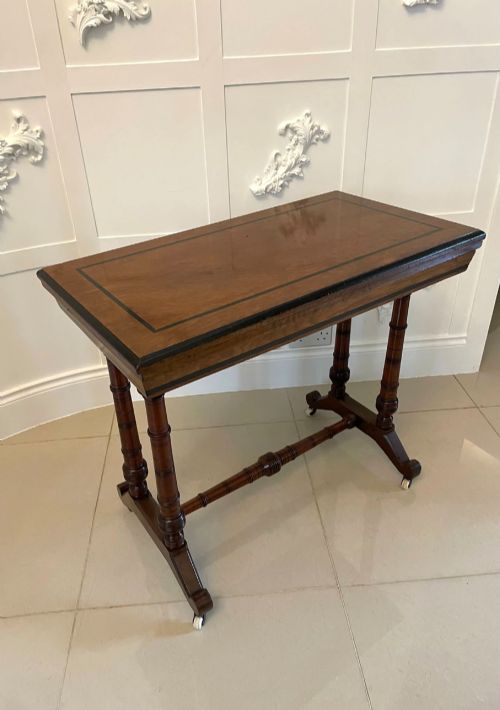
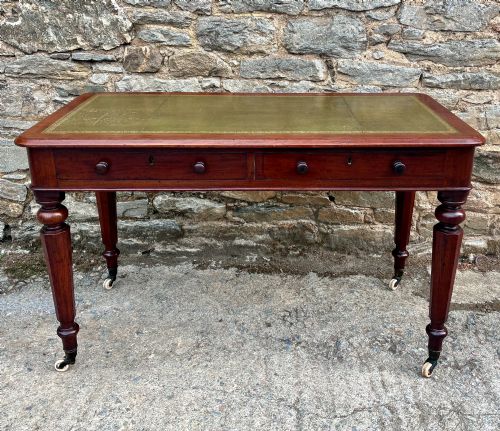
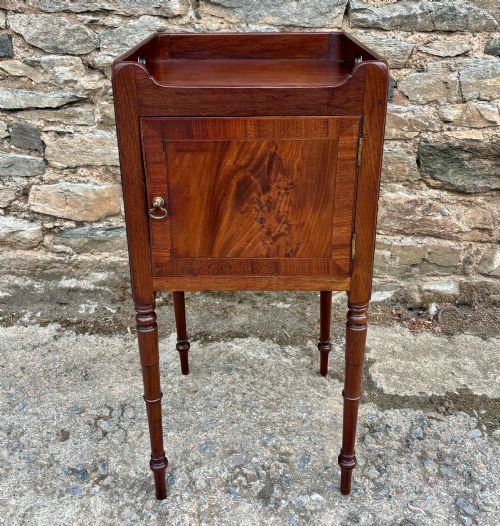
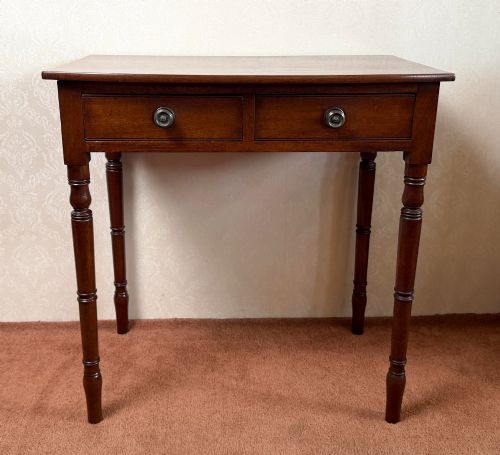
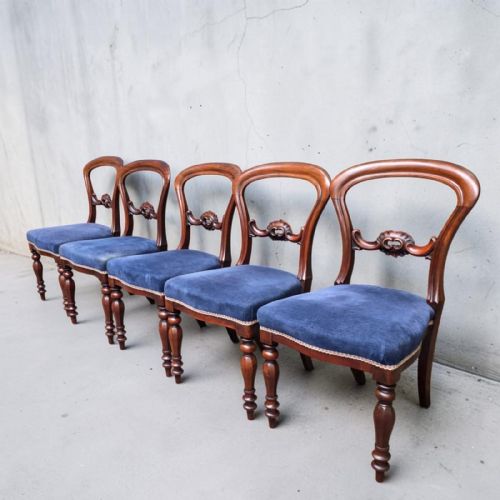
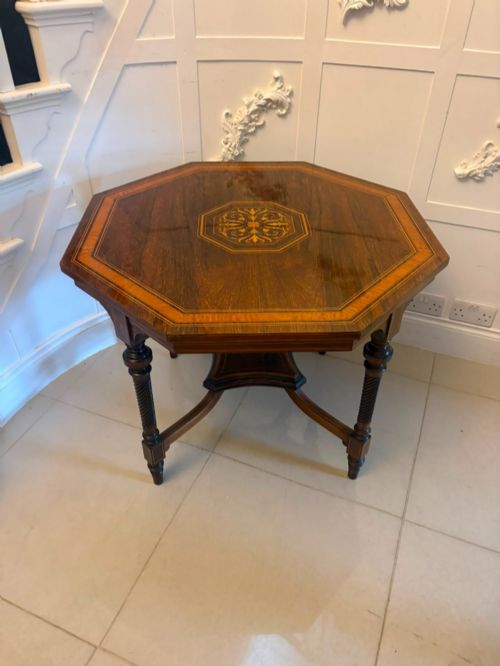
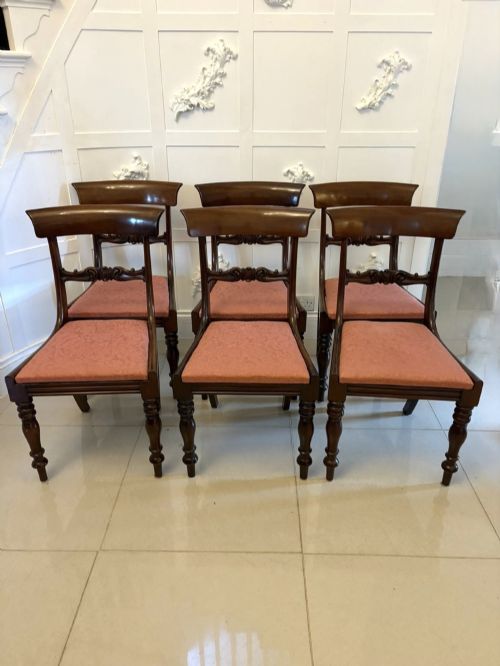
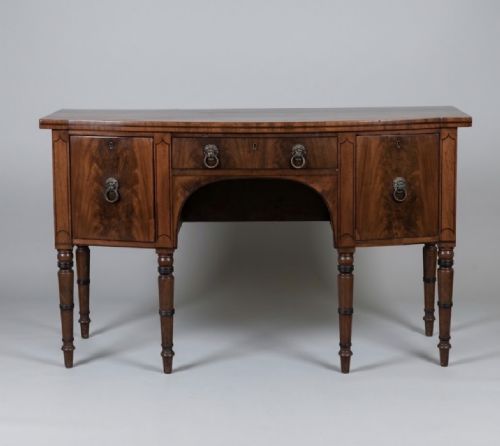
When searching for antique turned legs, buyers find structural supports shaped on a lathe across a span from the seventeenth to the twentieth century. These components appear on dining tables, side tables, armchairs, and stools originating from English country houses and workshops.
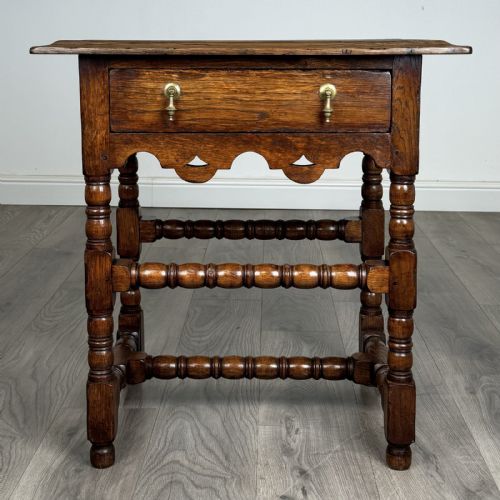
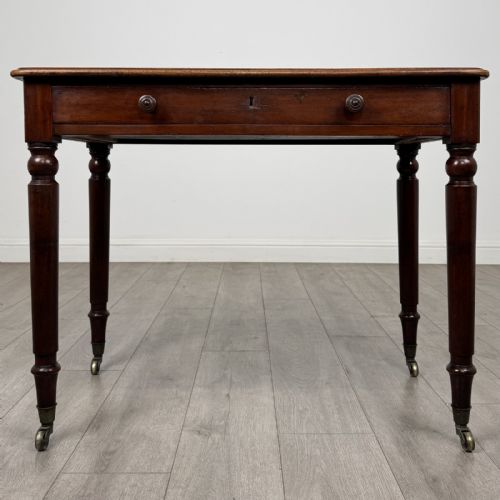
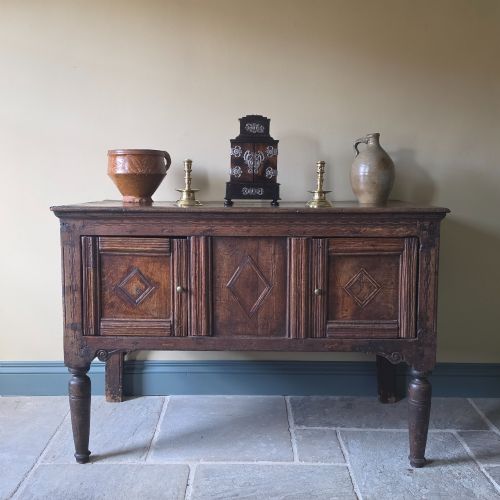
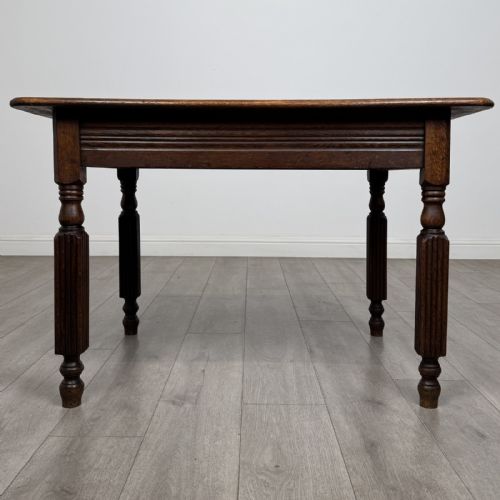
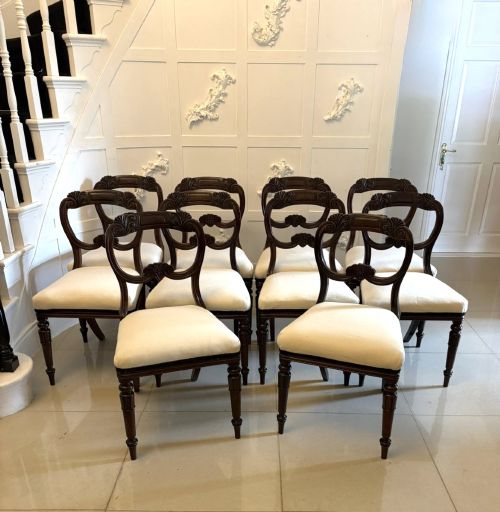
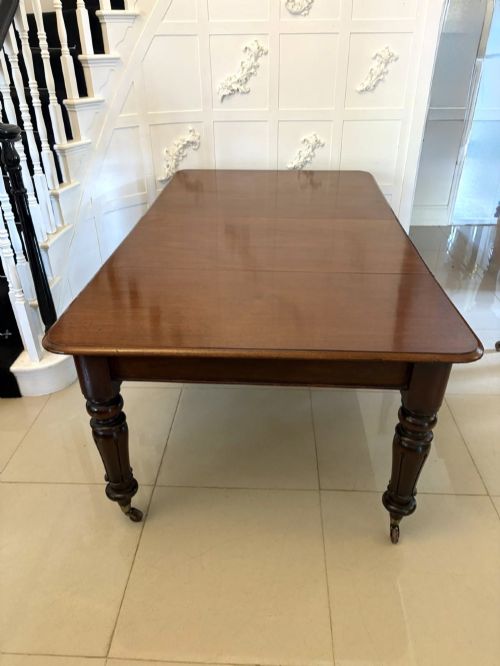
The most common examples on this page are found beneath nineteenth-century dining tables, oak side tables, and Windsor chairs. They range from simple bobbin forms to robust Victorian mahogany and pine furniture.
How they were made
Craftsmen shaped these supports on lathes using hardwoods such as oak, mahogany, elm, beech, and ash, alongside softer pine. Turning involved rotating the timber while applying chisels and gouges to create symmetrical profiles like reels, bobbins, and reeds.
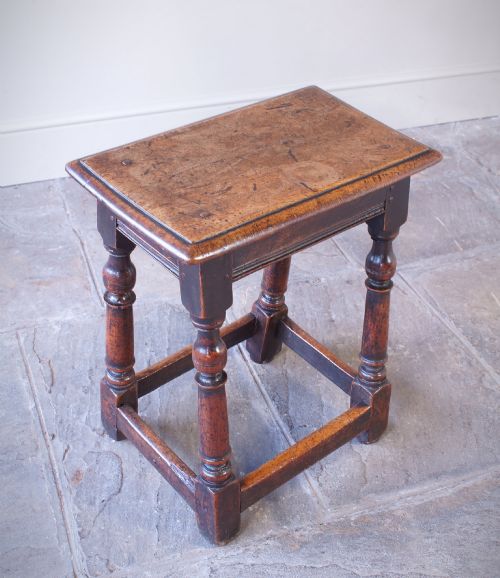
Makers selected timber based on local availability and structural demand, pairing dense hardwoods like oak for early joint stools with flexible elm and ash for country Windsor chair underframes.
Listings feature timbers including oak, mahogany, elm, beech, pine, ash, brass, and rosewood across periods from the seventeenth to the twentieth century.
What varies in quality
Quality rests in the crispness of the lathe work and the harmony of the proportions between the leg and the top. Sharply defined collars and smooth, uniform turnings distinguish superior examples from worn or coarsely cut pieces.
The integrity of the timber selection also dictates value, with well-figured mahogany, dense seventeenth-century oak, and stable fruitwoods holding up better to centuries of weight and movement than softer, replacement pine components.
Holland and Sons·Heal and Son
The Antique Turned Legs Glossary
- Bobbin turning
- A form of lathe work consisting of rounded spherical shapes resembling beads or bobbins strung together. This style is frequently seen on seventeenth-century oak furniture.
- Reeded edge
- A decorative moulding comprising a series of parallel convex ridges carved or turned into the timber. It is commonly found on late Victorian walnut and mahogany occasional tables.
- Joint stool
- A low wooden seat constructed with pegged mortise and tenon joints rather than turned legs alone, though many early examples incorporate turned supports.
- Windsor chair
- A traditional seating form featuring a solid wooden seat into which turned legs and spindles are directly wedged. Regional variations often display distinct beech and elm turnings.
Antique Turned Legs: Frequently Asked Questions
Were turned legs used on dining tables?
Makers frequently utilised turned supports on dining tables, ranging from gateleg oak tables to expanding Victorian mahogany tables. These sturdy legs provided the necessary load-bearing capacity.
Wind-out mechanisms and heavy castors were often added to nineteenth-century versions to assist with movement.
What woods were used for turned furniture?
Oak and mahogany are standard for formal tables and seating from the eighteenth and nineteenth centuries. Softer timbers like pine and fruitwoods appear frequently in regional country pieces.
Elm and ash were standard choices for the underframes of Windsor chairs due to their resistance to splitting.
How do I care for antique turned furniture?
Maintain the timber by applying traditional beeswax sparingly to nourish the dry wood surfaces. Avoid placing antique tables near direct heat sources to prevent the timber from warping.
Lift furniture rather than dragging it across floors to protect the lower sections of the turned supports from snapping.