


Antique Turned Leg Credenza
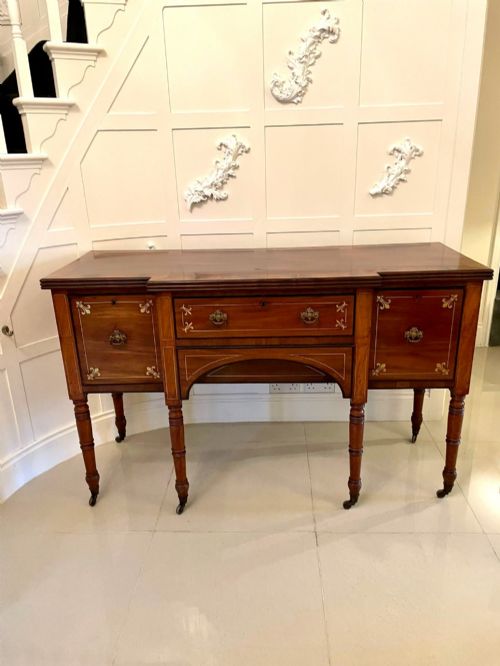
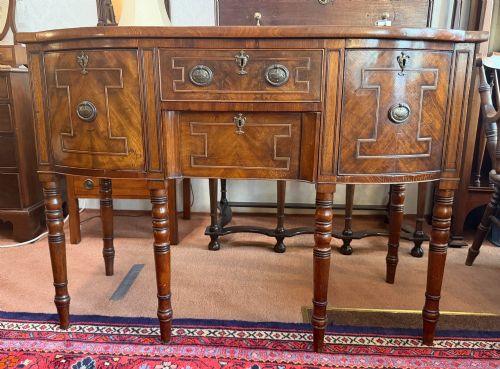
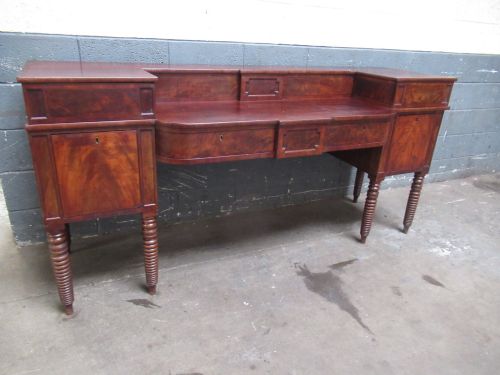
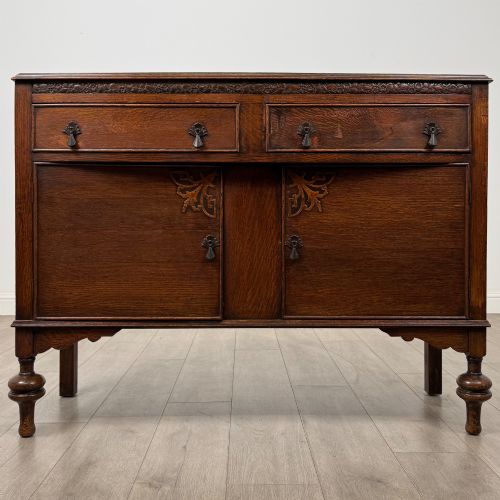
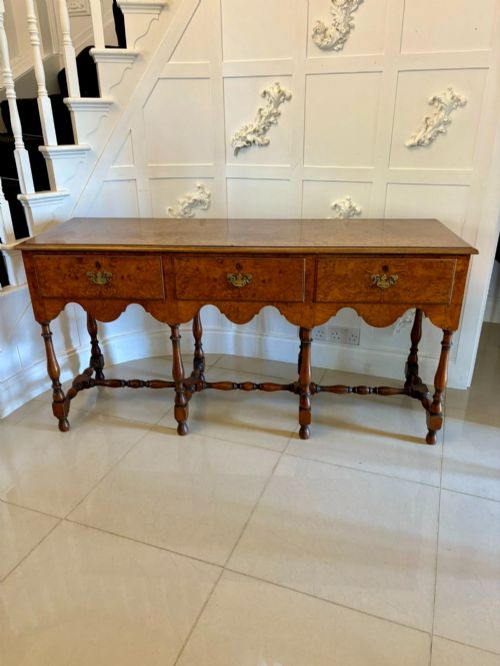
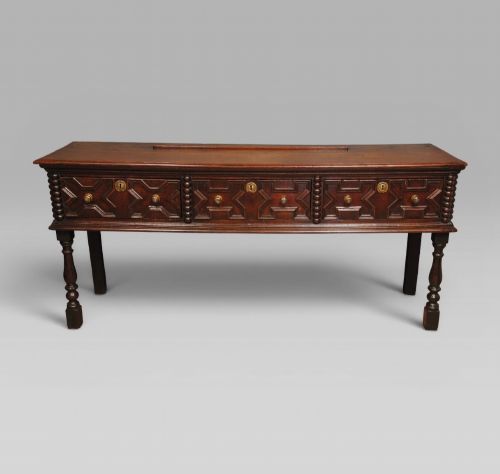
An antique turned leg credenza brings substantial timber construction and sturdy columnar supports into dining rooms and halls.
Antique Turned Leg Credenza
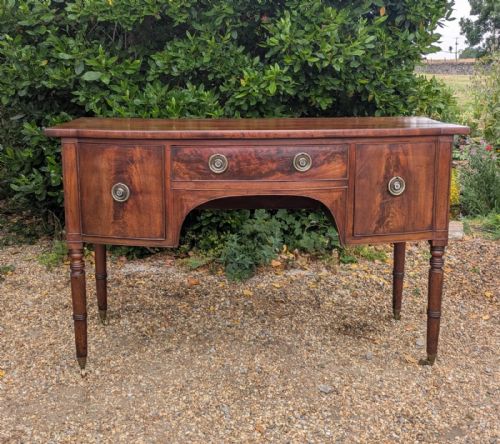
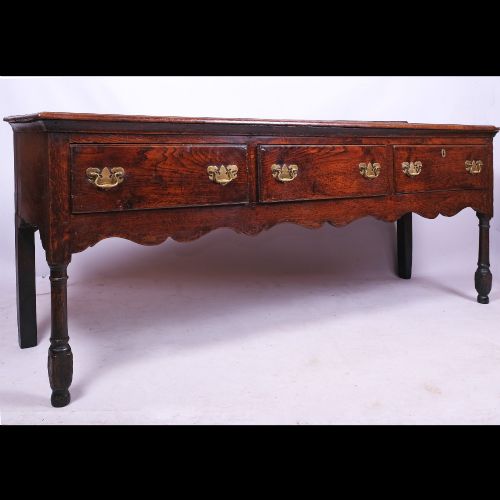
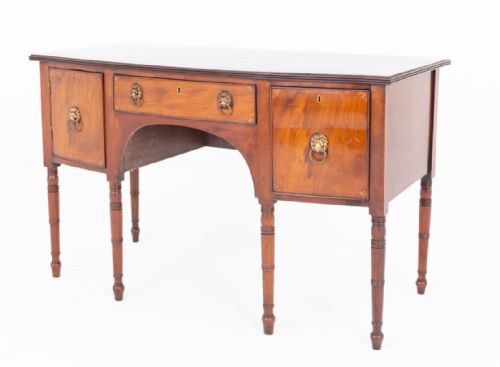
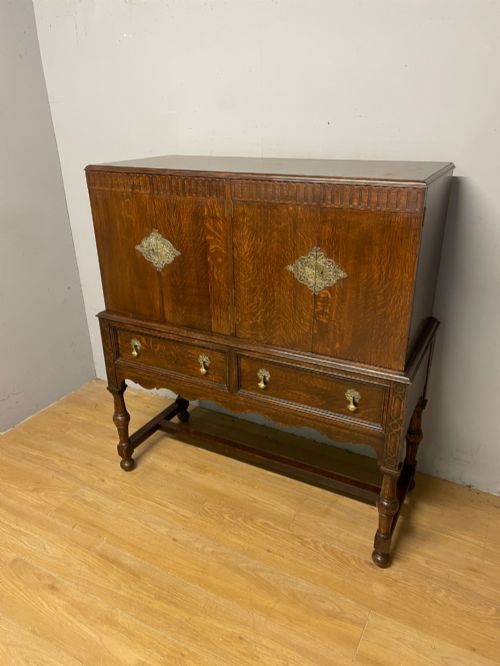
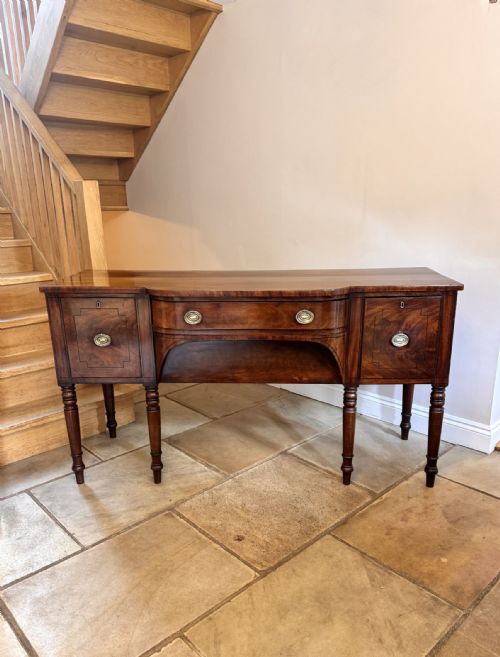
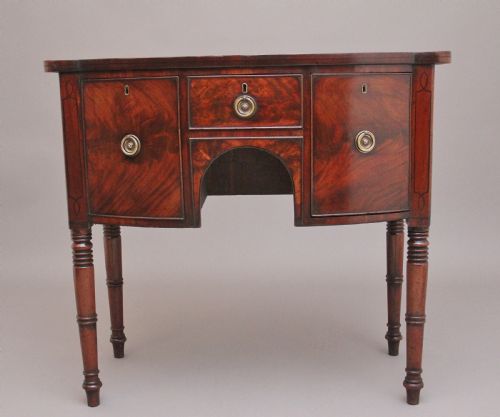
An antique turned leg credenza draws together forms commonly catalogued as sideboards, dresser bases, and side cabinets across several centuries. Buyers searching this phrase encounter substantial serving furniture built for storing dining equipment and displaying plate.
The pieces appearing here span periods from the seventeenth century through the Edwardian era, taking in Georgian, Regency, and Victorian designs. Oak dresser bases from the seventeenth and eighteenth centuries provide the primary examples featuring visible turned supports.
Mahogany and burr walnut sideboard forms also appear frequently, often displaying bow-front profiles and brass or ebony stringing details. Scottish and English workshops produced these robust items for domestic service and formal entertaining.
How they were made
Cabinet makers constructed these pieces predominantly using solid oak, mahogany, and walnut timbers, frequently applying flame mahogany and burr walnut veneers to primary surfaces. Carcass construction relied on traditional joinery methods, supplemented by oak linings inside drawers.
Decorative elements include brass inlay, ebony stringing, and detailed wood carving, alongside the characteristic turned legs that define the group. Iron components appear selectively in structural hardware and drawer pulls.
Some seventeenth-century pieces spent centuries holding cheeses before ending up in polite dining rooms.
What varies in quality
The standard of timber selection divides the output, with highly figured flame mahogany and burr walnut marking out superior examples. Plain native oak defines the more utilitarian country pieces intended for everyday utility.
Execution of turned supports and inlay work indicates the skill of the original workshop. Crisp carving and balanced proportions separate ambitious urban items from simpler regional production.
The Antique Turned Leg Credenza Glossary
- Credenza
- A serving cabinet or sideboard used for holding dining china and silverware. Originally an Italian term, it entered British furniture vocabulary for low storage units.
- Dresser base
- A lower storage cabinet fitted with drawers and cupboards, often standing on open turned legs. These pieces served domestic food preparation and dining storage.
- Bow-front
- A curved cabinet front where the central section projects outward in a smooth arc. This shape gained popularity during the Georgian and Regency periods.
- Flame mahogany
- Timber cut from the fork of the mahogany tree to produce a distinctive flickering flame pattern. Cabinet makers reserved this veneer for principal drawer fronts and doors.
- Stringing
- Thin inlay lines of contrasting wood or metal set flush into the furniture surface. This technique created delicate geometric borders on Regency and Georgian panels.
Antique Turned Leg Credenza: Frequently Asked Questions
What is an antique turned leg credenza?
These items comprise heavy serving tables, dresser bases, and sideboards supported by turned wooden legs. They originated as functional storage furniture in dining rooms and halls.
Craftsmen built them from hard timbers like oak and mahogany to hold heavy plate and household linens.
How do I date an oak dresser base?
Seventeenth and eighteenth-century oak pieces display hand-cut joinery and heavy timber framing without modern mechanical fixings. The presence of potboards and structural pegging points indicates early country manufacture.
Later revival items adopt these older styles while utilising uniform machine-cut components and different interior timber secondary woods.
Where should I place a sideboard?
Dining rooms and large hallways provide traditional settings for these substantial storage cabinets. Their length and depth require adequate floor space to maintain clear circulation routes.
Keep them away from direct heat sources and strong sunlight to protect vulnerable wood veneers and polished finishes.
How do I care for mahogany surfaces?
Apply traditional beeswax sparingly and buff with a soft cloth to maintain the lustre of antique timber. Avoid liquid spills and synthetic cleaning sprays that can damage old polish.
Maintain stable room humidity to prevent timber movement and cracking in large solid panels.