





Antique Turkish Kilim
These antique turkish kilim pieces bring tactile history into a room through flatwoven geometric designs and rich regional textiles.
Antique Turkish Kilim
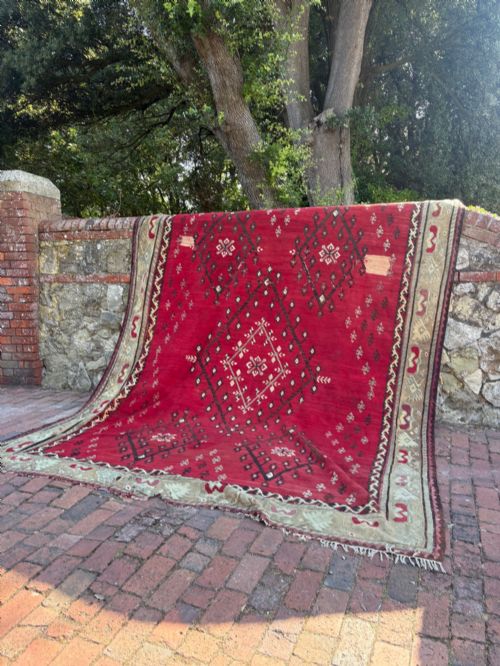
An antique turkish kilim encompasses everything from large room-sized carpets and runners to smaller utility items such as saddle bags, grain bags, and cushions.
Many examples originate from specific weaving centres and regional communities like Malatya, Konya, Kayseri, and Obruk, reflecting distinct local traditions.
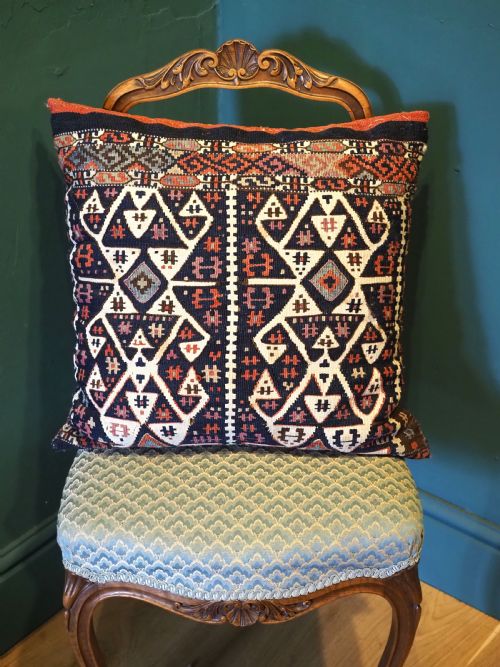
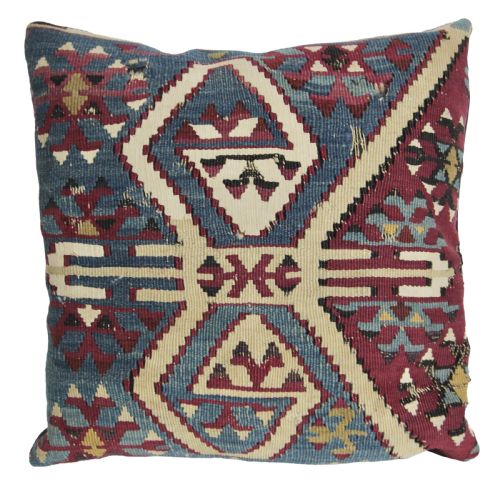
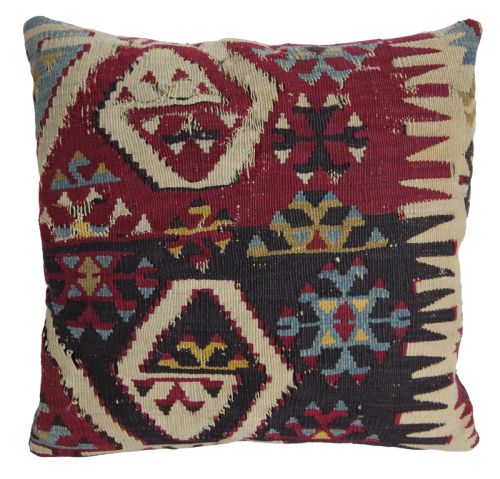
Buyers will encounter formats ranging from floor rugs and wall hangings to folded fragments and constructed cushions made from older woven panels.
Materials and construction methods
The primary materials recorded are wool and cotton, often utilised together to create durable flatwoven structures without a pile.
Specialised techniques include slit-weave construction for sharp geometric motifs, alongside supplementary decorative needlework such as cicim embroidery.
Larger formats are frequently woven in two separate vertical strips and joined down the centre to achieve a wider span.
Antique Turkish Kilim Retail Price Guide 2026
Typical asking prices for turkish kilim among the pieces listed under this phrase on Sellingantiques today, from the lower quarter to the upper quarter. They describe what is for sale here now, not the wider market.
Listings feature flatweaves dated from the mid-nineteenth century through the early twentieth century, utilising wool and cotton across regional styles.
Evaluating quality and condition
Quality rests on the precision of the flatweave, the balance of the natural dyes, and the integrity of the original structure.
Piecil-work execution and regional design clarity distinguish standard domestic weaving from finer workshop or tribal output.
The Antique Turkish Kilim Glossary
- Kilim
- A flatwoven carpet or rug produced without a pile by tightly interlacing warp and weft threads. This technique creates a smooth, reversible textile with characteristic diagonal slit designs.
- Cicim
- A decorative embroidery technique applied to a woven ground. Artisans add supplementary coloured threads to create raised patterns across the surface.
- Saddle bag
- A paired utility pouch woven for transport on animals. These are frequently separated into individual bag faces or converted into cushions today.
- Prayer kilim
- A rug featuring a distinct mihrab or arch design indicating the direction of prayer. These pieces often serve as portable devotional mats.
- Warp
- The stationary vertical threads stretched across a loom. The weft threads are passed over and under these foundational strands to form the fabric.
Antique Turkish Kilim: Frequently Asked Questions
How do I clean an antique kilim?
Gentle surface vacuuming without a rotating brush helps remove embedded dust from the flatweave structure. Professional textile cleaning is recommended for deeper maintenance.
Water and harsh detergents can damage older wool fibres and cause dye bleeding. Spot cleaning requires minimal moisture and mild soap.
Can I use these rugs on the floor?
Most room-sized carpets and runners function well as floor coverings in areas with moderate foot traffic. A quality underlay prevents slipping and reduces friction against hard surfaces.
Smaller fragments or delicate prayer rugs often suit wall hanging or decorative display better. This placement minimises physical wear on fragile textiles.
What causes differences in colour?
Regional dyeing traditions and local plant materials heavily influence the palette of each weaving community. Natural dyes yield softer, varied tones that mellow gracefully over decades.
Exposure to sunlight and historical washing practices also alter the original intensity of wool and cotton threads. Even fading contributes to the prized aesthetic of older flatweaves.
How are two-part kilims constructed?
Weavers on traditional narrow looms produced textiles in two separate long strips. These matching panels were subsequently stitched together along the inner edge to form a wider rug.
This construction method is common in large formats from regions like Konya and Malatya. The central seam serves as a diagnostic feature of traditional village production.