
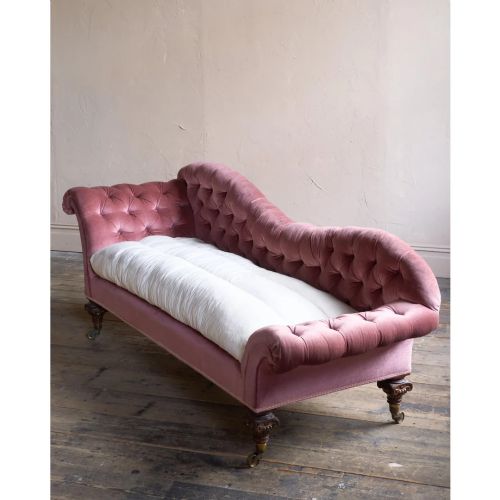
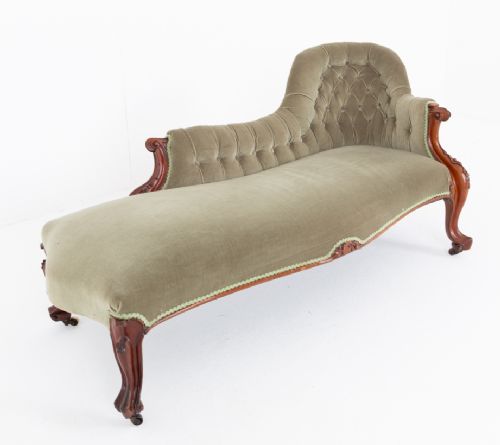
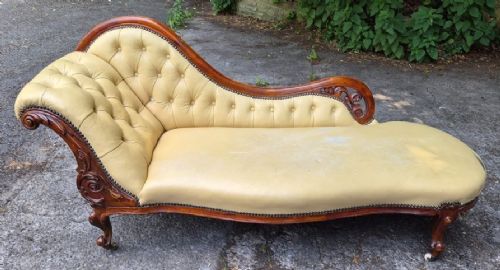


Antique Tufted Daybed
An antique tufted daybed offers singular reclining comfort, bringing nineteenth-century upholstery craft and rich timber frames into modern interiors.
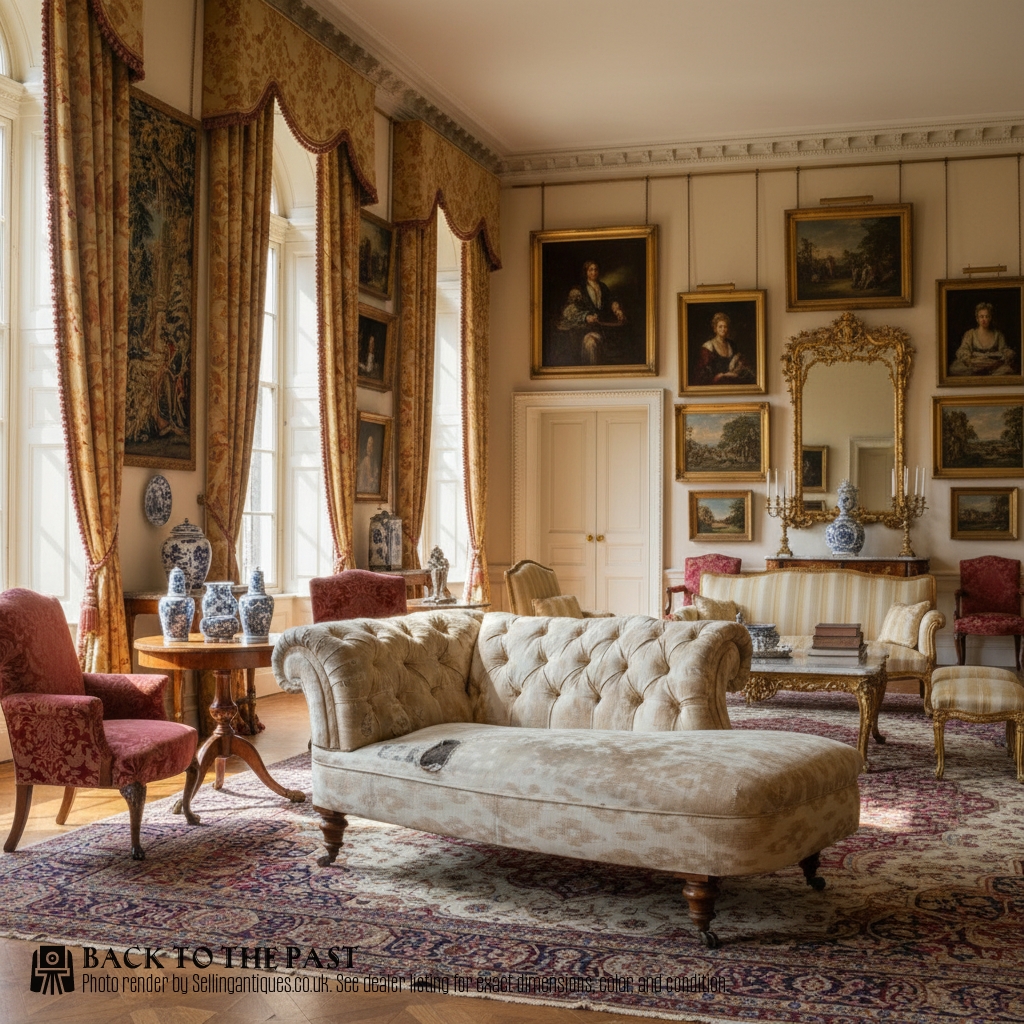
Antique Tufted Daybed
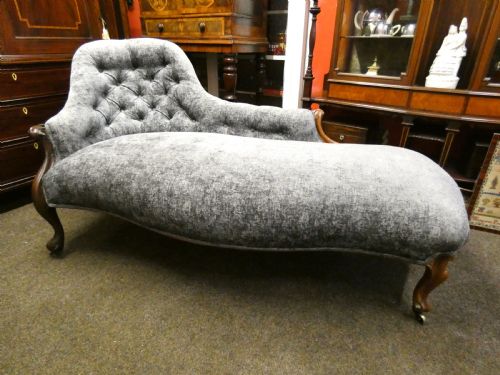
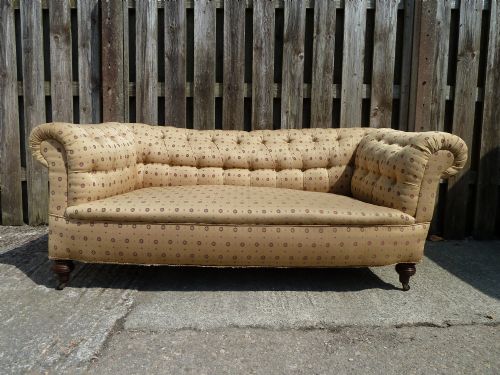
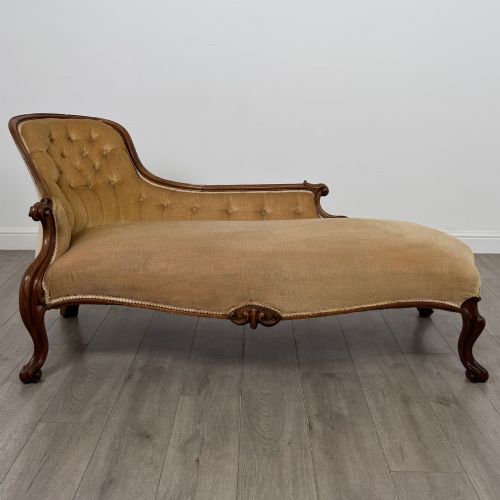
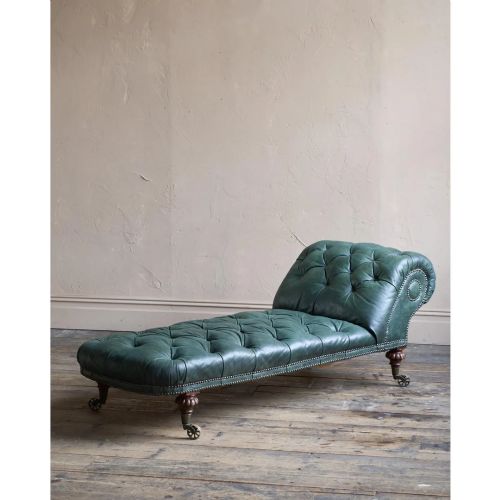
An antique tufted daybed encompasses nineteenth-century resting furniture, taking forms such as chaise longues, scroll end settees, and chesterfield sofas. These pieces merge the functions of a bed and a seat, designed for daytime reclining in drawing rooms and boudoirs.
The selections span the Victorian era alongside Regency and Louis XVI Revival styles, reflecting the diverse tastes of the nineteenth century. Buyers meet mahogany, rosewood, and walnut frames paired with deep buttoning and varied upholstery.
Makers and retail houses such as Howard and Sons, Holland and Sons, and Jas Shoolbred contributed to this seating tradition. The forms range from simple bobbin day beds to ornate carved frames with ionic column legs.
Materials and construction
Frames rely on dense hardwoods like mahogany, rosewood, walnut, and occasional metal supports, carved or turned to follow period tastes. Joinery techniques secure heavy timber loads while supporting the sweeping scrolls and double spoonbacks characteristic of nineteenth-century seating.
Upholstery relies on traditional stuffing secured beneath velvet, leather, fabric, and damask coverings. Deep tufting and buttoning require precise tension across the textile to maintain form over long periods of use.
The listings span the nineteenth century, featuring Victorian, Regency, and Louis XVI Revival aesthetics in mahogany, rosewood, and walnut.
Assessing quality in nineteenth-century daybeds
Quality reveals itself in the depth of timber carving and the crispness of turned details like ionic column legs or bobbin turnings. Finer pieces display substantial rosewood or mahogany frames with balanced proportions rather than simplified softwood carcasses.
The standard of upholstery work dictates longevity, marked by disciplined buttoning and high-grade leather, velvet, or damask textiles. Attribution to documented makers like Howard and Sons or Holland and Sons distinguishes workshop output from vernacular cabinetmaking.
Howard and Sons·Holland and Sons·Jas Shoolbred·Miles and Edwards·H Goodall and Sons
The Antique Tufted Daybed Glossary
- Chaise longue
- An upholstered long chair designed for reclining, featuring a backrest at one end and occasionally a partial arm.
- Buttoning
- An upholstery technique where indentations are created across the padded surface using tight stitches secured with buttons.
- Scroll end
- A sweeping, curved wooden terminal on a sofa or daybed frame that resembles a rolled scroll.
- Bobbin day bed
- A resting piece characterised by turned woodwork resembling a string of bobbins or spools.
- Double spoonback
- A Victorian chair or sofa back featuring two wooden-rimmed ovals shaped like the bowls of spoons.
Antique Tufted Daybed: Frequently Asked Questions
How do I use an antique daybed today?
These pieces fit naturally into living rooms, studies, or large hallways as primary lounging seats or statement day beds. Their long profiles suit placement against walls or as room dividers where the carved back timber remains visible.
Pair them with neutral surrounding decor to let the rich mahogany or rosewood frames stand out. Ensure the room has adequate space for the extended length of a chaise form.
How do I identify a Victorian daybed?
Victorian examples often feature dense rosewood or mahogany timbers, deep button tufting, and elaborate carved details like spoonbacks or scroll ends. Stylistic markers range from mid-century curves to late-century chesterfield forms.
Construction methods reflect industrial-era improvements in upholstery springs and frame joining. Checking for secondary woods and traditional hand-tied springs helps confirm the nineteenth-century date.
Are leather and velvet original to these pieces?
Both leather and velvet saw widespread use during the nineteenth century for high-end seating and library daybeds. Whisky brown leather and green leather appear frequently alongside patterned velvet and damask.
Most surviving pieces have undergone reupholstering to preserve usability while maintaining period-appropriate textile choices. Examining the internal webbing helps separate modern restorations from older work.