




Antique Trunk Clock
These antique trunk clock pieces combine practical timekeeping with striking cabinet work, offering a dependable focal point for any interior.
Antique Trunk Clock
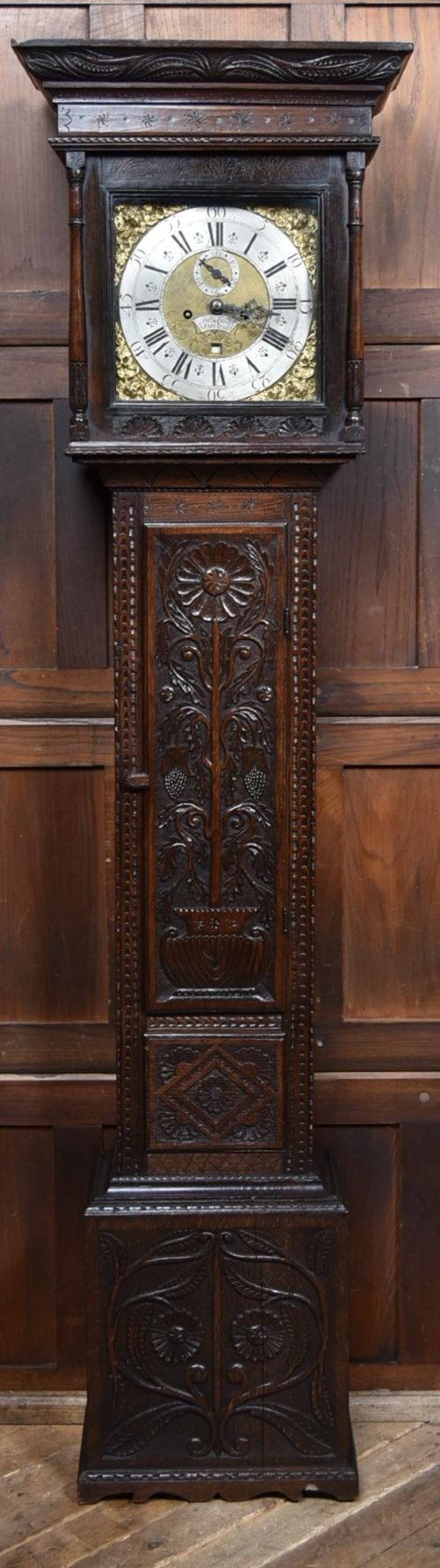
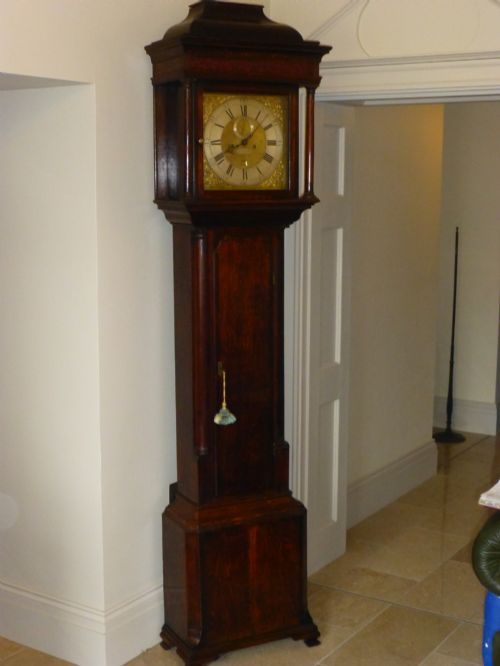
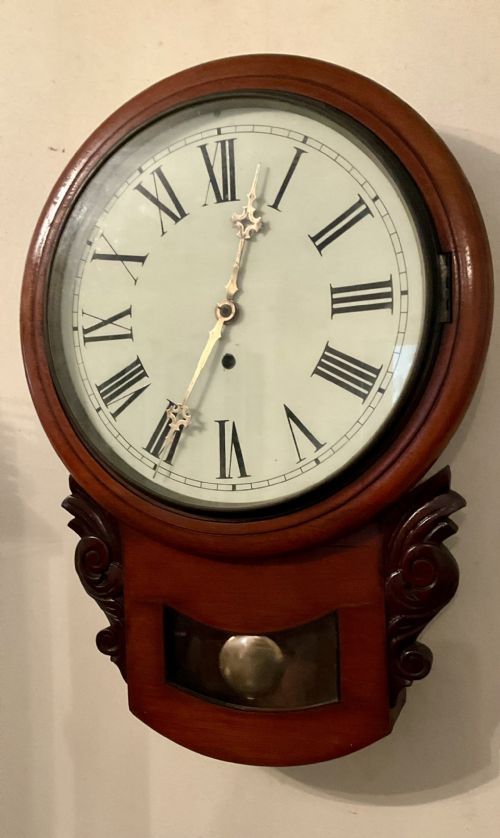
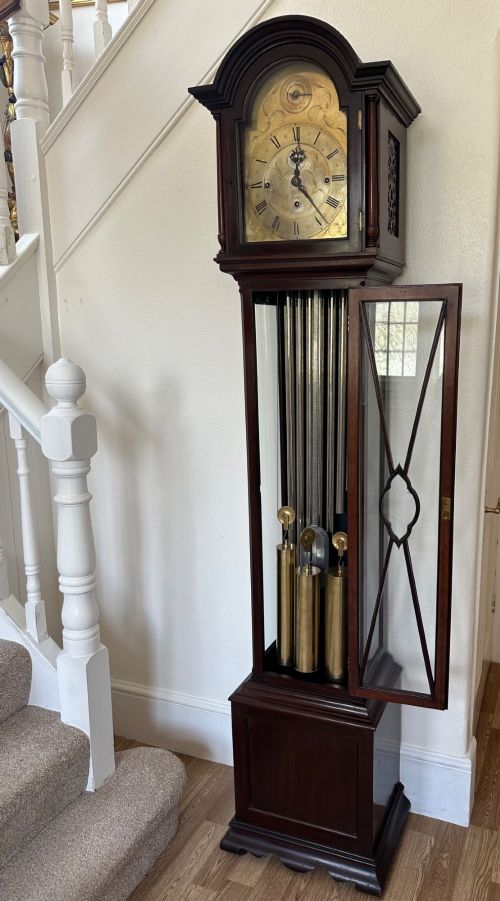
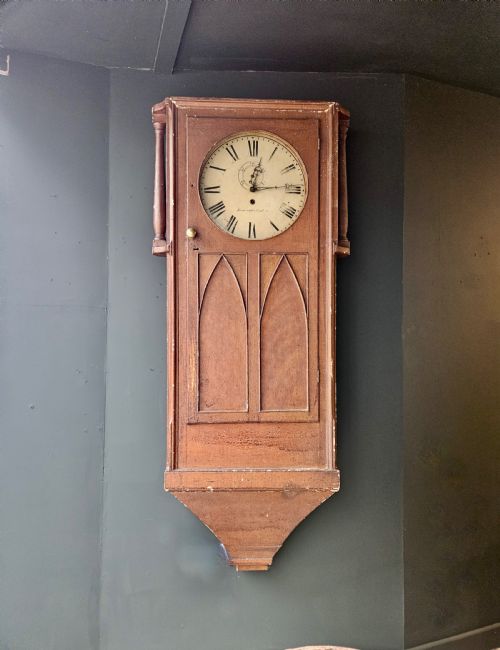
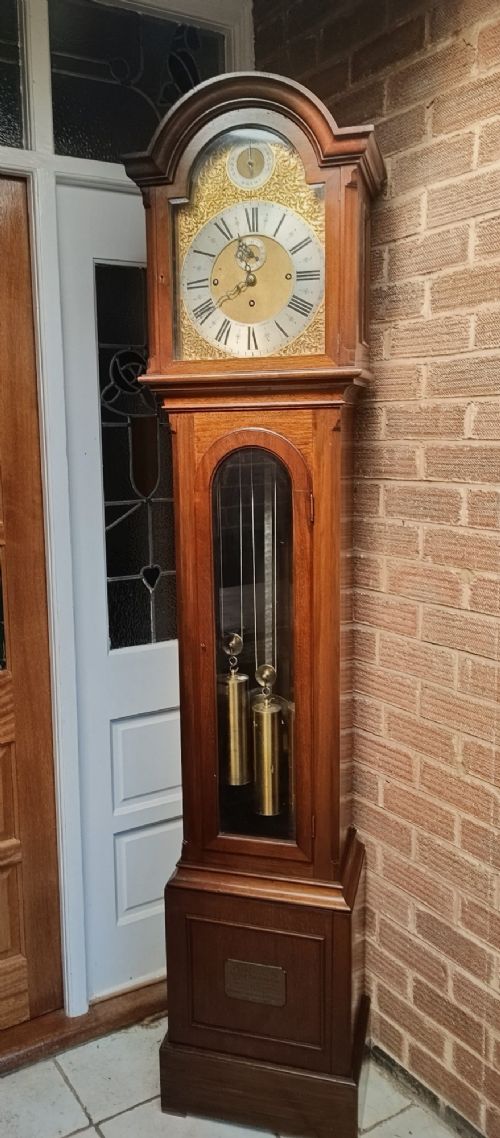
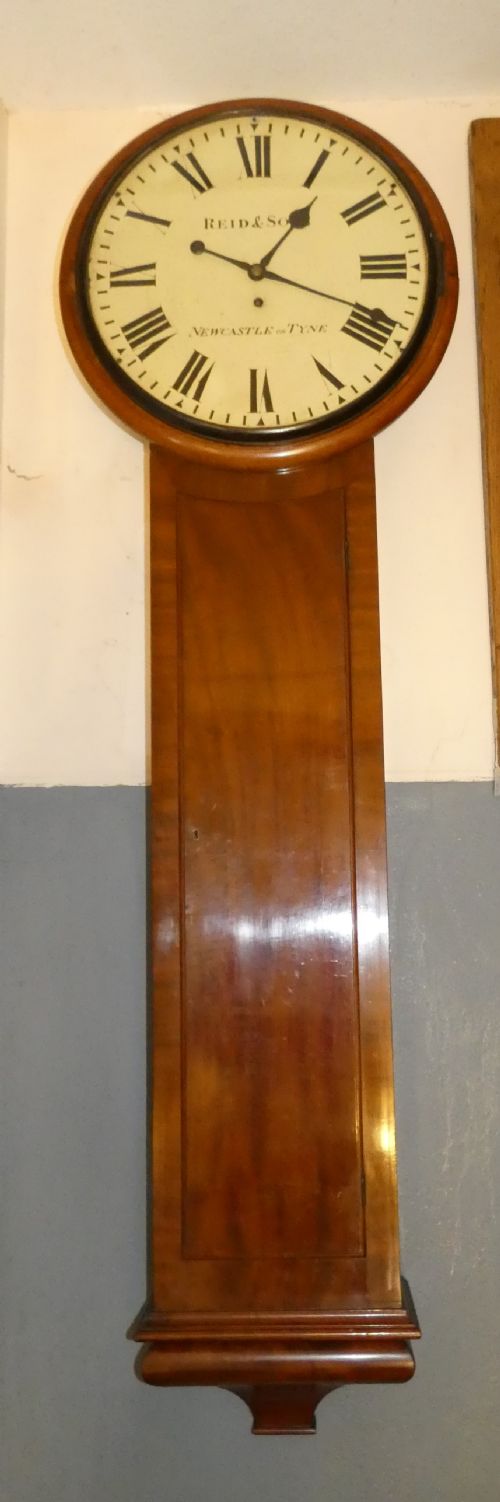
When searching for an antique trunk clock, buyers typically encounter drop dial wall clocks alongside traditional longcase forms and robust tavern clocks. These pieces originate across the eighteenth, nineteenth, and early twentieth centuries, spanning Victorian, Georgian, and Regency periods.
The drop dial wall clock variant dominates current selections, often framed in mahogany, rosewood, or walnut with glass viewing windows. Longcase clocks and wall-hanging variants appear alongside these, displaying diverse regional English and continental craftsmanship.
Materials and construction
Cabinet makers utilised dense hardwoods such as mahogany, oak, walnut, and rosewood to construct sturdy trunk and wall cases that protected delicate internal movements. Brass dials, enamel faces, and iron components formed the mechanical heart of these timepieces, often paired with wooden or glass bezels.
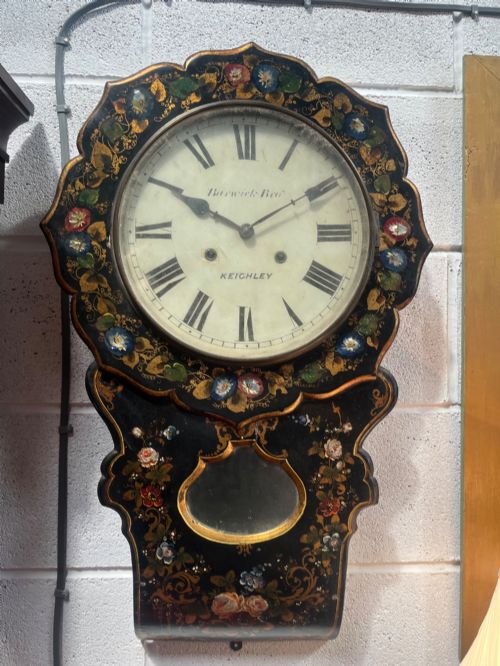
Movements ranged from standard single and double fusee systems to complex tubular bell and striking mechanisms. Carpenters and clockmakers finished cases with painted decoration, marquetry inlay, and carved pine or mahogany details depending on the regional style.
Materials span brass, glass, mahogany, oak, walnut, rosewood, iron, and enamel across multiple periods.
Evaluating craftsmanship
The standard of a trunk clock rests upon the crispness of the cabinet carving, the depth of wood figuring in the mahogany or rosewood veneer, and the legibility of the dial. Superior examples feature well-executed marquetry inlay, original painted decoration, and robust fusee movements that demonstrate careful assembly.
Superior maker signatures on the dial or movement elevate certain pieces above standard production models, reflecting skilled regional English and London workshop output. The harmony between the original timber case and the mechanical movement defines the distinction at the upper end of the scale.
Jn Smith Macclesfd·Richard Corless of Stockport·Halliday and Rich Bridgwater·Joseph Mansfield·John Walker·Thomas Utting·Edward East·R Roberts of London·Haley and Milner London
The Antique Trunk Clock Glossary
- Fusee
- A conical pulley connected to the mainspring by a cord or chain, designed to equalise the driving force as the spring unwinds.
- Drop dial
- A wall clock configuration featuring a circular dial mounted above an extended wooden trunk or box that houses the pendulum.
- Tavern clock
- A large, pendulum-driven wall clock with a prominent circular dial and a long trunk, historically used in public houses.
- Longcase clock
- A tall freestanding pendulum clock enclosed in a wooden case, commonly known as a grandfather clock.
- Regulator
- A precision pendulum clock designed to keep exceptionally accurate time, often utilised as a standard for setting other timepieces.
Antique Trunk Clock: Frequently Asked Questions
How do fusee movements work?
A fusee movement uses a spiral-grooved cone to regulate the pull of the mainspring. As the spring loses tension, the chain moves to a wider part of the cone to maintain steady power.
This mechanism ensures consistent timekeeping accuracy from the moment the clock is fully wound until it requires winding again.
Where were these clocks placed?
Wall clocks with trunk cases hung in prominent domestic and commercial rooms where reliable timekeeping was essential. Longcase variants stood in hallways and principal reception rooms.
Their presence marked both a functional household tool and a display of domestic status through fine timber cabinetry.
How do I identify the period?
Cabinet timbers, dial materials, and stylistic details indicate the era of manufacture. Georgian and Regency pieces favour mahogany and simple lines, while Victorian examples often incorporate rosewood, walnut, and heavier carving.
Maker signatures inscribed on the brass or painted dials offer a reliable point of reference for dating specific pieces.