



Antique Trinket Cabinet
An antique trinket cabinet holds small treasures safely, offering collectors a compact piece of period furniture to display on a table or desk.
Antique Trinket Cabinet
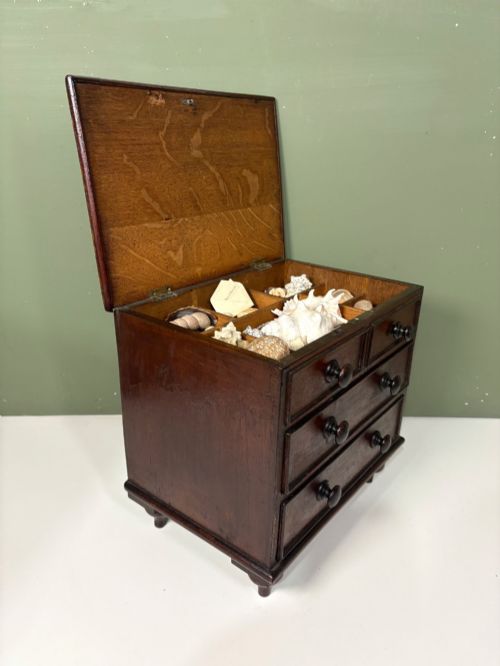
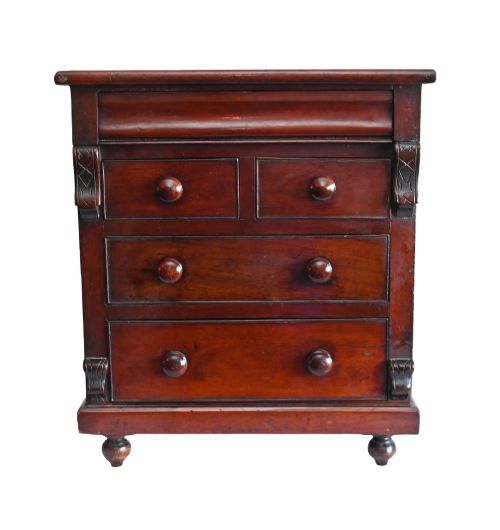
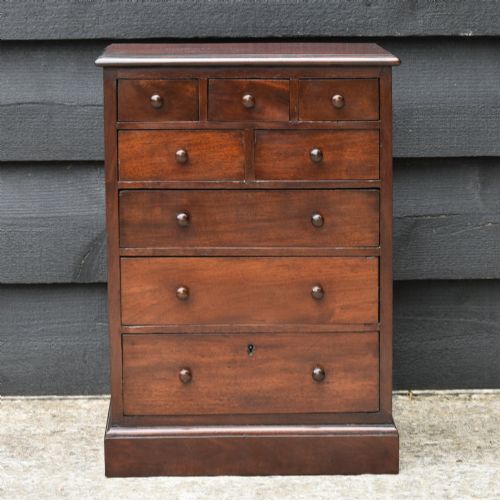
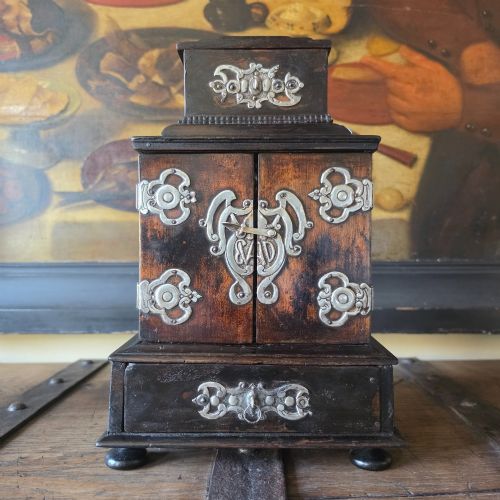
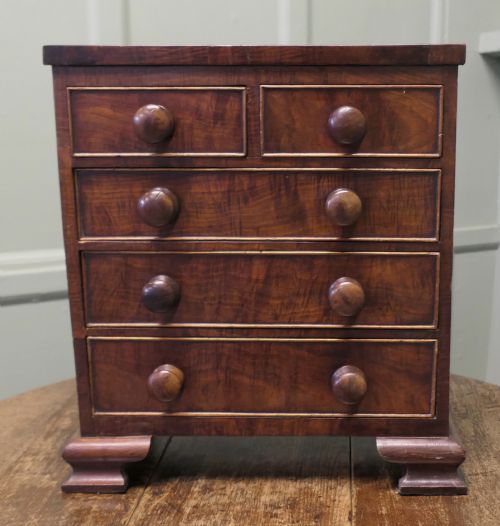
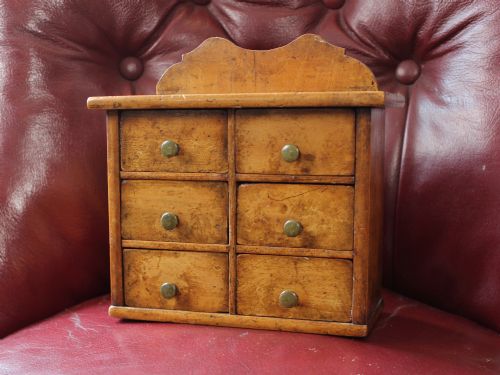
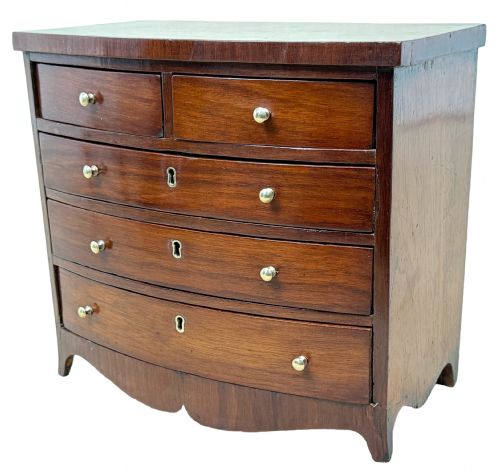
When you search for an antique trinket cabinet, you encounter a variety of miniature furniture, jewellery boxes, and collector chests dating from the eighteenth century through to the early twentieth century. These pieces mimic full-sized furniture forms, including bowfront chests, dressers, and sideboards, alongside specialised jewellery cabinets and glazed vitrines.
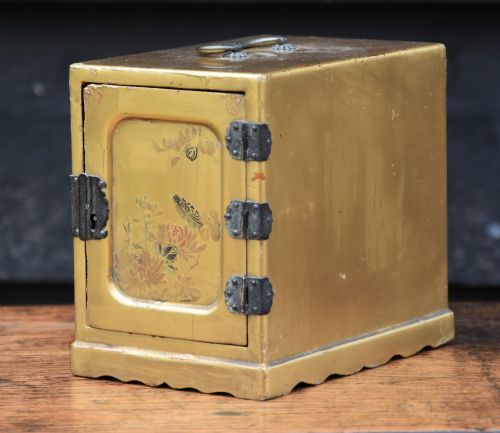
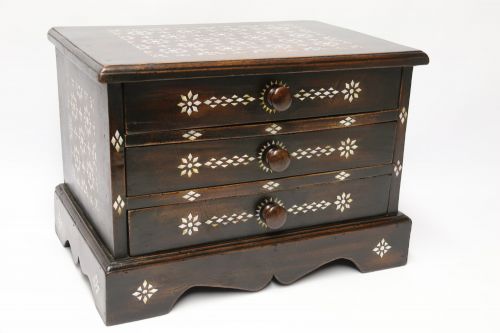
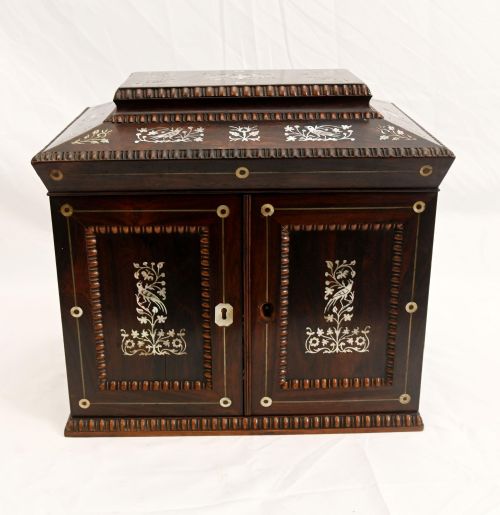
The Victorian era supplies many of the mahogany miniature chests of drawers and mother-of-pearl inlaid boxes found here, often referred to as apprentice pieces or tabletop display units. Alongside these English forms, you find Japanese lacquer kodansu boxes, French kingwood bijouterie tables, and walnut jewellery chests.
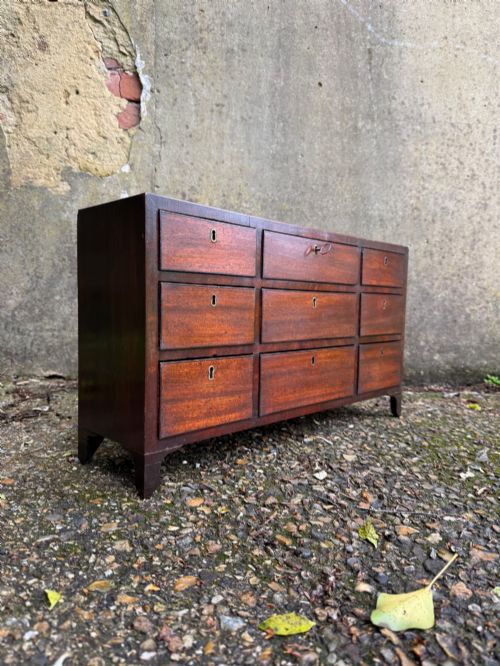
Georgian and Edwardian examples bring satinwood and inlaid mahogany into the selection, offering delicate proportions intended for boudoirs and drawing rooms. Regional variations such as Anglo-Indian hardwood chests and Viennese enamel table cabinets expand the form beyond standard domestic British cabinet-making.
Materials and construction
Cabinet-makers constructed these miniature pieces using dense hardwoods such as mahogany, walnut, fruitwood, and amboyna, often applying veneers of satinwood or kingwood to create polished exterior surfaces. Drawer linings and interior structures frequently rely on secondary timbers shaped with traditional joinery, mirroring the construction methods of large-scale furniture.
Decoration relied on contrasting inlays of mother-of-pearl, brass stringing, and parquetry work, alongside hand-applied black or gilt lacquer on imported Asian pieces. Glazed panels set in brass frames define the bijouterie tables and display cabinets, allowing light to reach the interior shelves.
Materials range from simple fruitwood and brass to intricate mother-of-pearl inlay and enamel.
Distinctions in quality
Quality rests upon the precision of the cabinet-making and the selection of timber veneers, where tightly figured mahogany or amboyna denotes superior craftsmanship. The crispness of inlaid mother-of-pearl, hand-cut brass stringing, and closely fitted drawer joints separate utilitarian boxes from high-status display pieces.
The finish of the wood, showing depth of patina rather than heavy modern varnish, indicates how well a piece has survived over the centuries. Original locks, working keys, and intact interior velvet or silk linings contribute substantially to the standing of an individual cabinet.
Helena Wolfsohn·Royal Crown Derby·Royal Worcester·Wedgwood
The Antique Trinket Cabinet Glossary
- Apprentice piece
- A small-scale item created by a craftsman to demonstrate mastery of a trade before gaining guild admission. These frequently take the form of miniature chests of drawers.
- Bijouterie table
- A glass-topped display table, often called a vitrine, designed to showcase small valuable items and jewellery upon a tabletop.
- Kodansu
- A traditional Japanese small cabinet with multiple drawers and compartments, frequently finished in lacquer with metallic detailing.
- Parquetry
- A geometric mosaic of wood pieces used for decorative veneer on cabinet surfaces, creating patterned geometric designs.
- Bowfront
- A curved cabinet front that swells outward in the centre, demanding advanced woodworking skill to execute at a miniature scale.
Antique Trinket Cabinet: Frequently Asked Questions
What is an apprentice piece?
An apprentice piece is a small-scale model of furniture created by a craftsman to prove their skill to a guild. These miniature chests and cabinets display the same dovetail joints and proportions as full-sized items.
Craftsmen kept these pieces in their workshops or used them as travelling samples to demonstrate their abilities to prospective clients. Today, collectors prize them for their meticulous detail and charming scale.
How were miniature chests used?
These small chests served as desktop storage for letters, seals, coins, and personal trinkets. Wealthy households placed them in dressing rooms and parlours to keep precious items organised.
Their portable nature allowed owners to move them between rooms or pack them for travel. Over time, their decorative appeal surpassed their utility, leading them to be displayed purely as ornamental objects.
How do I care for antique wood?
Protect antique wood cabinets by keeping them away from direct sunlight and heat sources, which cause veneers to dry and crack. Maintain a stable indoor climate to prevent the timber from warping.
Apply a microcrystalline wax periodically to nourish the surface and preserve the historic patina. Avoid liquid polishes containing silicone, which can damage old finishes.
How do I distinguish Georgian from Victorian pieces?
Georgian pieces generally feature understated mahogany grains, simple bracket feet, and restrained proportions characteristic of eighteenth-century design. Construction relies on hand-sawn timber and traditional hand-cut dovetails.
Victorian cabinets often display more ornate decoration, including mother-of-pearl inlay, exotic wood veneers, and elaborate brass mounts. The introduction of machine-assisted timber preparation in the nineteenth century also alters the internal construction marks.