

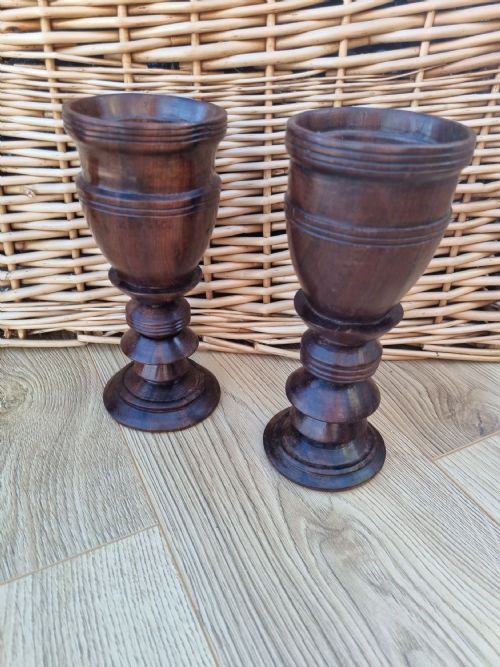


Antique Treen Cups
These antique treen cups are turned wooden vessels spanning the Georgian, Regency, and Victorian eras, prized for their tactile warmth and historical utility.
Antique Treen Cups
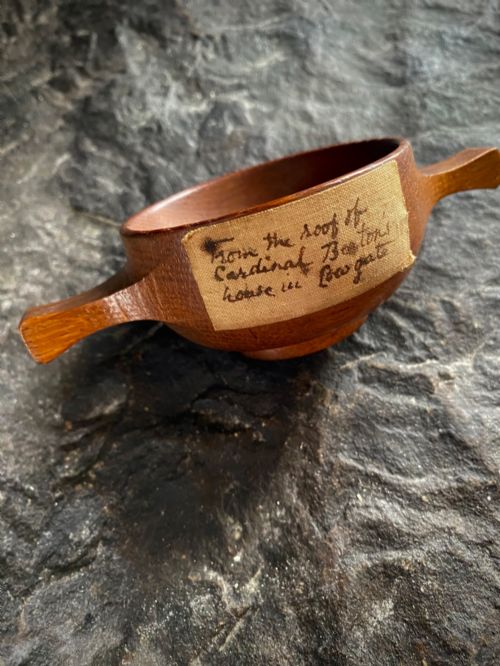
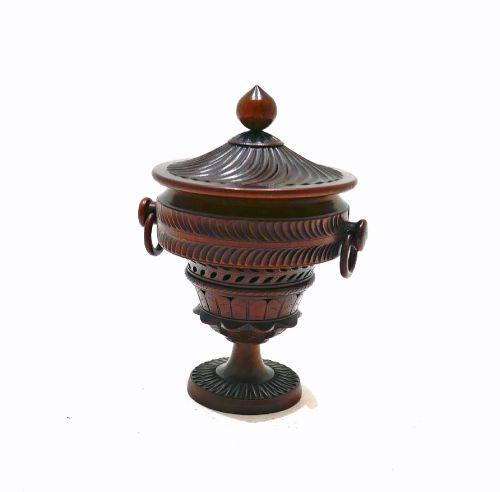
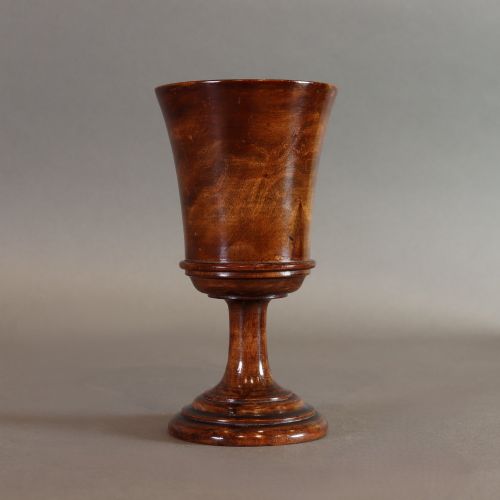
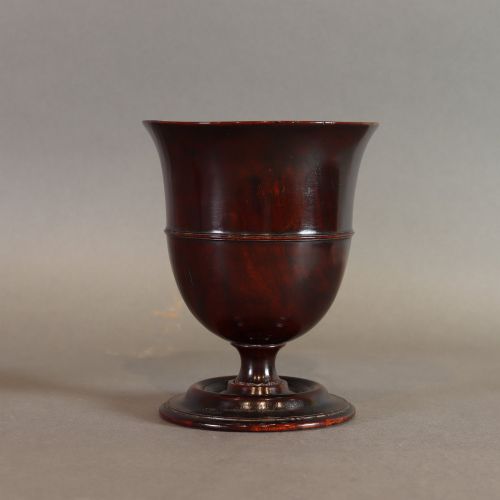
When you search for antique treen cups, you enter a world of turned wooden vessels that served domestic and decorative purposes across past centuries. The examples met on this page range from simple drinking goblets and lidded pomanders to egg cup stands and spill vases.
Most pieces date from the eighteenth and nineteenth centuries, including the Georgian, Regency, and Victorian periods. Collectors encounter diverse forms such as pedestal goblets, ball and cup games, and revolving egg cup stands that reflect daily life in homes of the past.
How they were made
Craftsmen shaped these objects on lathes using a variety of dense and characterful timbers. Fruitwood, walnut, mahogany, and yew wood provide subtle grain patterns, while heavier specimens utilise lignum vitae for durability and weight.
Makers also turned coconut shell and specialised specimen woods to create drinking vessels and desk accessories. Every item relies on precision turning to achieve balanced pedestals, smooth rims, and fitted lids.
Antique Treen Cups Retail Price Guide 2026
Typical asking prices for treen cups among the pieces listed under this phrase on Sellingantiques today, from the lower quarter to the upper quarter. They describe what is for sale here now, not the wider market.
One revolving egg cup stand originates from the private collection of Mrs Henry T Ford the second.
What varies in quality
The distinction between ordinary and superior pieces rests on the choice of timber and the crispness of the turning. Dense hardwoods like lignum vitae and well-figured walnut show sharper detail and hold finer lines than softer or plain timbers.
Design complexity also defines the upper tier of the range, seen in multi-piece assemblies like revolving stands or lidded pomanders with secure threads. Proportion, balance, and the preservation of original tool marks distinguish the best examples.
The Antique Treen Cups Glossary
- Treen
- Small handmade wooden domestic objects. The term derives from the old English word for tree.
- Lignum vitae
- A dense, heavy wood historically valued for turned vessels and mechanical parts. Its natural oils give it a distinct weight and dark finish.
- Pomander
- A small lidded container used to hold aromatic substances or spices. In treen, these are finely turned with pierced or solid covers.
- Bilboquet
- A traditional cup and ball game requiring manual dexterity. The object involves catching a ball on a spike or in a cup attached to a handle.
- Spill holder
- A small cylindrical vessel designed to hold taper spills for lighting fires and candles. These often match the form of small goblets or vases.
Antique Treen Cups: Frequently Asked Questions
What are antique treen cups used for?
These wooden vessels served practical daily functions such as holding drinks, eggs, or taper spills, while some functioned as desk accessories or toys like ball and cup games.
Today, modern collectors display them as decorative objects on tables and mantels to appreciate the warmth of aged timber and historic craftsmanship.
How do I identify Georgian treen cups?
Georgian pieces typically exhibit simpler, robust turned profiles in dense timbers such as mahogany, walnut, and early fruitwoods. They often display deep patination earned from decades of handling and use.
Looking closely at the turning marks and proportions helps distinguish eighteenth-century items from later nineteenth-century revival or Arts and Crafts examples.
Are these wooden cups food safe?
Most antique treen cups are intended for display and study rather than daily dining or drinking. Historic finishes and dry timber can react poorly to modern washing and liquids.
Gentle dusting and a stable indoor environment preserve the original surface patination without risking damage to the porous wood.
What woods were used for treen?
Turners selected timbers based on availability, density, and grain pattern. Fruitwood, walnut, yew, and mahogany appear frequently across these listings.
Heavy woods like lignum vitae were chosen for items requiring extra weight and durability, while specimen woods show decorative multi-toned effects.