





Antique Townscape Artwork
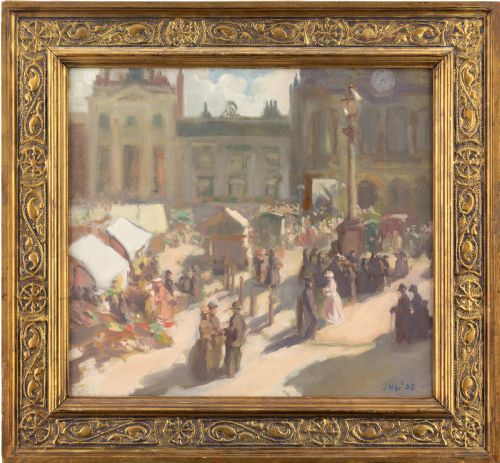
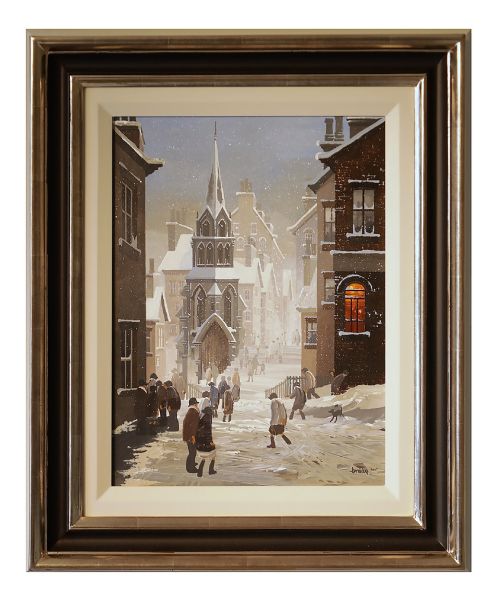
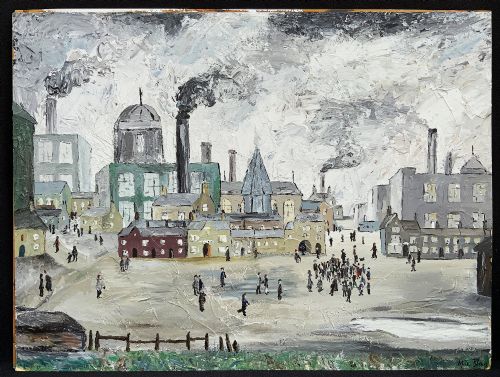
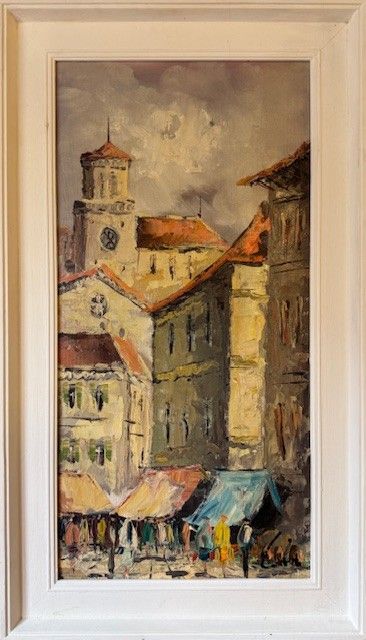
These antique townscape artwork pieces capture urban streets, markets, and canals from the nineteenth and early twentieth centuries in oils and watercolours.
Antique Townscape Artwork
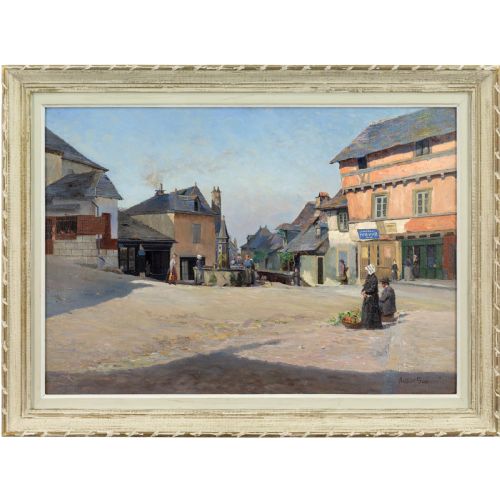
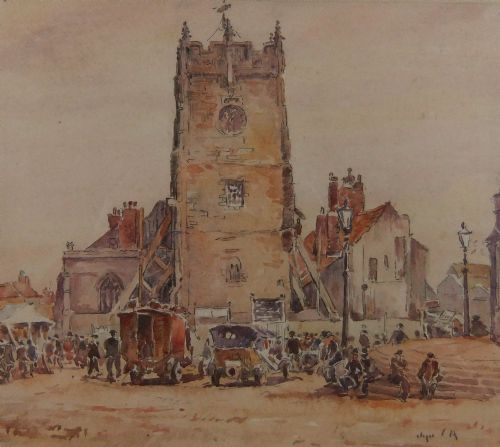
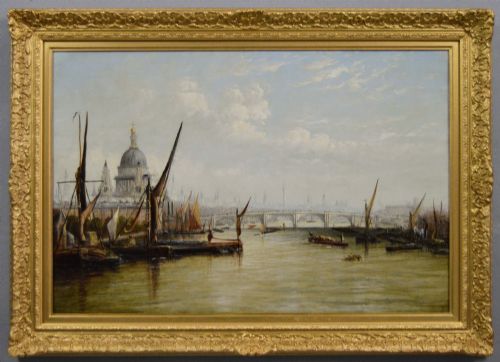
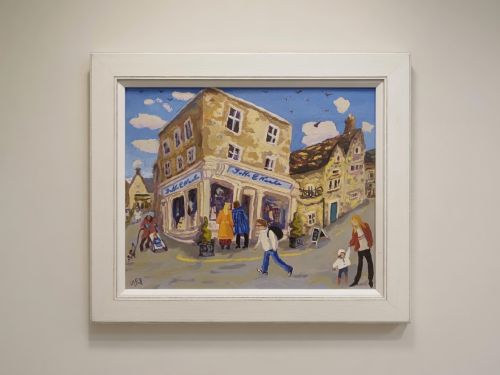
When searching for antique townscape artwork, a buyer encounters painted and drawn depictions of streets, markets, rivers, and architectural views. These works record urban and coastal locations across Britain and continental Europe during the Georgian, Victorian, Edwardian, and early twentieth-century periods.
The selections available here lean heavily towards traditional oil paintings on canvas or board alongside detailed watercolours on paper. Subjects range from bustling northern English market towns and London river scenes to Venetian canals and French quaysides.
Makers recorded in the evidence include named artists such as Alfred Pollentine, Fred Lawson, and Joseph W. Milliken, working within established Victorian and impressionist styles. Pieces bridge topographical recording and artistic interpretation, capturing historic streetscapes before modern development.
Materials and Techniques
Works utilise traditional artist materials such as oil paint applied to canvas, wood panels, or board, creating rich surfaces with visible brushwork. Watercolours and pencil drawings on paper utilise fluid washes and fine line work to capture architectural detail and atmospheric light.
Support structures rely on wood stretching frames for canvas and period framing, often including giltwood surrounds that complement the artwork. Pigments and inks applied across these varied surfaces have endured from the eighteenth century through the twentieth century.
Several artists clearly braved chilly northern rivers to paint rainy Yorkshire markets with cold, wet fingers.
Assessing Artistic Quality
Quality separates through the artist's handling of perspective, atmospheric light, and architectural precision within the urban setting. Stronger works demonstrate confident brushwork, depth of composition, and a clear sense of place rather than stiff, formulaic recording.
Condition of the original medium, stability of the canvas or paper, and the presence of a sympathetic period frame influence the overall integrity of the piece. Works by accomplished artists or recognised schools show superior draughtsmanship and tonal balance.
Arthur Gué·John Smith Atherton·Francis Moltino·John Hodgson Lobley·Paul Élie Gernez·A McDonald·William Manners·Cornelis Christian Dommersen·J W Hogley·Joseph W Milliken·Alfred Pollentine·Edward Henry Holder·John Sanderson Wells·Jane Vivian·Walter Emsley·Ludwig Hermann·Fred Lawson·Arthur Joseph Meadows·Annie L Lee·Josephine Haswell Miller·Donald Wood·J D Walker·Henry Edridge·Letitia Marion Hamilton
The Antique Townscape Artwork Glossary
- Oil on Canvas
- Pigment mixed with drying oil applied to a woven fabric stretched across a wooden frame. This medium allowed artists to build rich textures and deep colour tones.
- Watercolour
- Pigments suspended in a water-soluble vehicle applied to paper. It creates luminous, transparent washes often combined with pencil or ink lines.
- Giltwood
- Wood carved and coated with a thin layer of gold leaf or gold-coloured finish. It provides traditional decorative framing for historical paintings.
- Post-Impressionism
- An art movement extending beyond impressionism that focused on more structured forms and symbolic use of colour. It appears in early twentieth-century townscapes.
- Townscape
- A visual depiction of urban scenery, streets, buildings, and river views. It forms the core subject matter of these historic works.
Antique Townscape Artwork: Frequently Asked Questions
What periods do these townscapes cover?
The works span from the late eighteenth century through the Georgian and Victorian eras into early twentieth-century British and continental movements. Artists recorded changing urban environments across these distinct eras.
Dates reflect the operational periods of the artists and the stylistic conventions of Victorian realism, impressionism, and early modern painting.
Where do these street scenes depict?
Locations range widely across British towns and cities like York, London, Whitby, and Huddersfield. Continental destinations including Venice, Paris, and Dutch ports also feature prominently.
Artists travelled extensively to capture local architecture, bustling markets, and river activities in watercolours and oils.
How should I hang an oil painting?
Oil paintings on canvas or board require secure wall fixings suited to the weight of the wooden stretcher and frame. Hang them away from direct sunlight and excessive temperature fluctuations to protect the paint layer.
Ensure the wall brackets support the full weight of the antique giltwood or wooden frame safely.
What is the difference between oil and watercolour?
Oils utilise a heavy paint medium on canvas or panel that permits thick impasto and rich colour layering. Watercolours employ translucent pigments on paper that rely on light reflecting through the paper surface.
Watercolours require protective glass framing, whereas oil paintings remain unglazed.