







Antique Torba
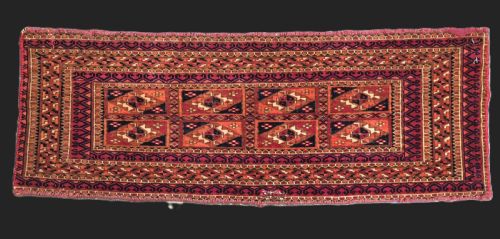
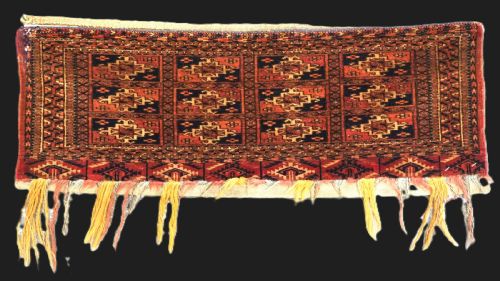
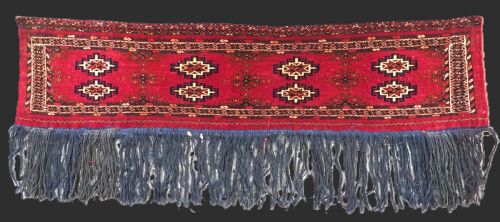
When you search for an antique torba, you are hunting for small tribal storage bags woven by Central Asian nomads to hold household goods inside their tents.
Antique Torba
An antique torba is a small tribal bag or bag face originating from Central Asian nomadic groups, most notably Turkmen tribes such as the Tekke, Yomut, Saryk and Ersari, alongside Uzbek groups. These pieces served practical functions within the yurt, often used to store small possessions, clothing, or dowry items.
Most examples found on this page date from the nineteenth and early twentieth centuries, reflecting a period of traditional tribal weaving before commercial dyes and designs took over. Buyers will encounter complete pieces retaining their plain weave backs alongside bag faces that were trimmed or separated from their original utility.
The formats vary from square wall hangings and storage pouches to specific horse gear bags known as at torba ilgich. Tribal weavers produced these items using distinct structural layouts, incorporating repeating medallions and geometric motifs that identified their specific clan origin.
What varies in quality
The distinction between average and exceptional pieces rests primarily on knot density, handle, and the clarity of the natural dye palette. Finer weaves allow complex tribal guls and curled leaf motifs to resolve with sharp definition.
Integrity of survival also dictates standing, with complete pieces retaining their original backs and closures commanding higher regard than isolated bag faces. The vibrancy and saturation of the natural dyes, free from dulling or heavy wear, complete the assessment of a superior weaving.
Antique Torba Retail Price Guide 2026
Typical asking prices for torba among the pieces listed under this phrase on Sellingantiques today, from the lower quarter to the upper quarter. They describe what is for sale here now, not the wider market.
Listings feature nineteen-century nomadic weavings from Turkmen and Uzbek groups, including Yomut, Tekke, Saryk, and Ersari tribes.
The Antique Torba Glossary
- Gul
- A primary medallion or repeating motif used in Turkmen tribal rugs and torbas to denote specific tribal lineage and design traditions. These octagonal or secondary forms anchor the visual field of the textile.
- Torba
- A small utility bag woven by nomadic tribes for storage inside the tent or for household transport. They typically display horizontal formats with rich pile-woven faces.
- Mafrash
- A larger rectangular storage container or bag face used traditionally for bedding and household goods. These pieces share technical similarities with smaller torbas.
- At torba ilgich
- A specific form of horse gear bag used by Uzbek and Lakai tribes. These items display distinctive embroidery and regional design traits.
- Flatweave
- A textile constructed without pile by interlocking warp and weft threads together. Examples include banded designs and structural backs on storage bags.
Antique Torba: Frequently Asked Questions
What were antique torbas used for?
Nomadic families used these small bags for storing household possessions, small utensils, and dowry items inside their tents. They hung against the lattice walls of yurts or served as functional containers.
Over time, many of these utilitarian items transitioned into decorative wall hangings as collectors sought out their intricate tribal designs and historical craftsmanship.
How do I tell different tribal designs apart?
Tribal attribution relies on the specific shape and arrangement of the guls, which are the primary medallions decorating the field. Tekke, Yomut, Saryk, and Ersari weavers each utilised distinct geometric vocabularies and colour palettes.
Examining the border patterns, secondary motifs, and structural materials helps confirm whether a piece belongs to a specific Turkmen or Uzbek subgroup.
Can I hang an antique torba on the wall?
These textiles make excellent wall displays because their compact formats suit domestic interiors well. Mounting them with non-invasive methods protects the wool structure from undue strain over time.
Ensuring they hang away from direct sunlight preserves the natural dyes and prevents the hand-spun wool fibres from drying out.
Why do some pieces have backs while others are just faces?
Many surviving examples only preserve the decorative pile-woven face because the plain weave wool backs wore out through heavy use or were removed when collected. Pieces retaining their original backs offer a complete structural record of the nomad's work.
Both complete bags and isolated faces remain collectible, though complete examples provide a better sense of the original object's purpose.