
Antique Tobacco Snuff Box
An antique tobacco snuff box is a small pocket vessel made to hold powdered tobacco, offering a tangible connection to personal habits of the Georgian, Victorian, and Edwardian eras.
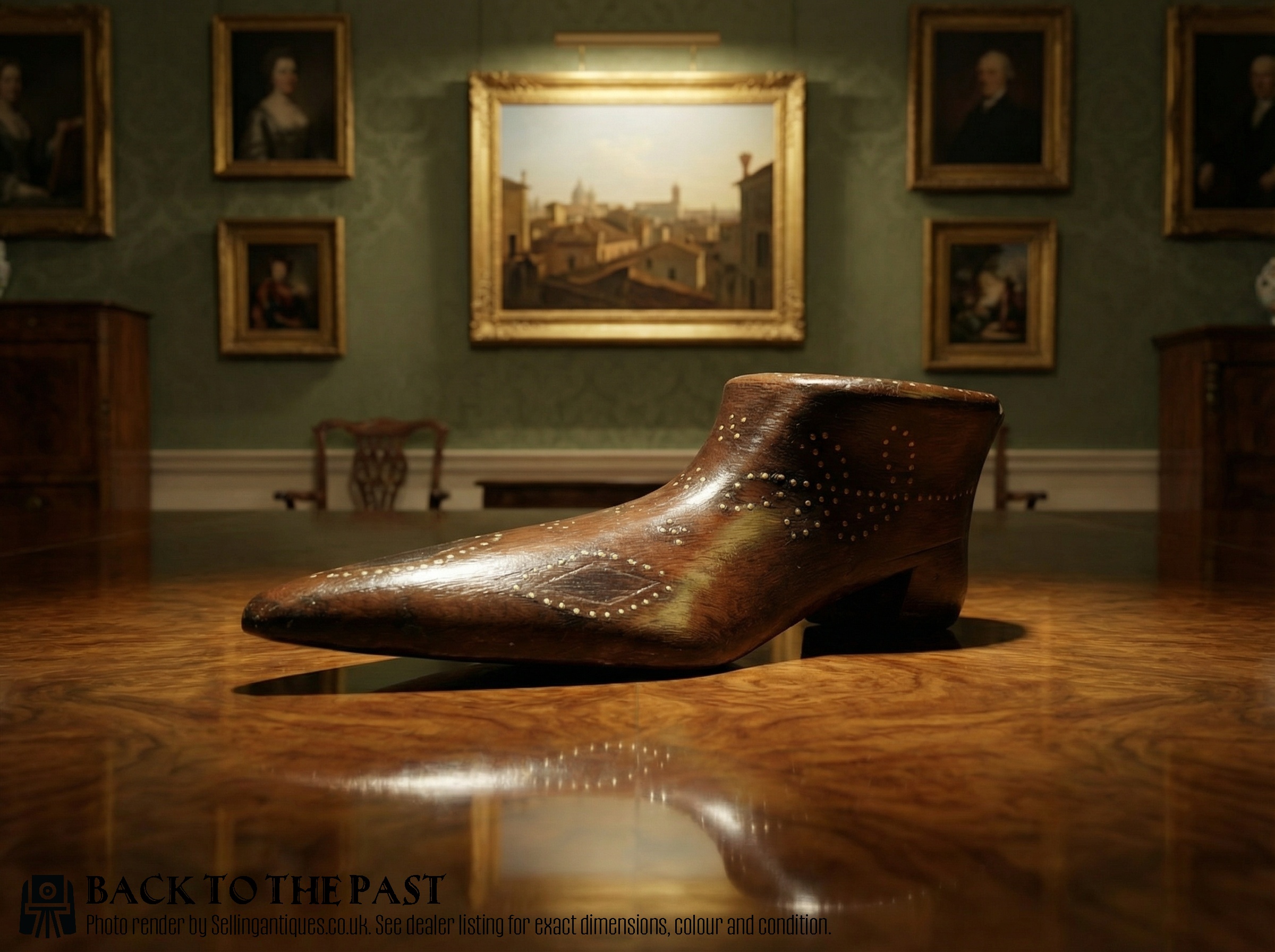
Antique Tobacco Snuff Box
The search phrase antique tobacco snuff box brings together personal containers utilised for carrying dry tobacco or snuff in the pocket or displaying on a table.
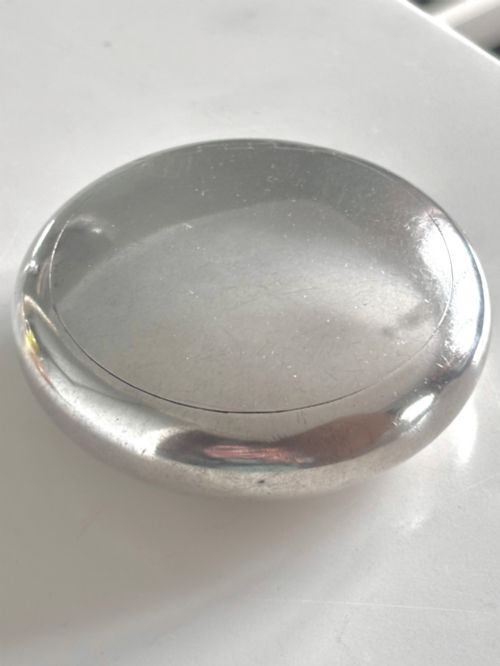
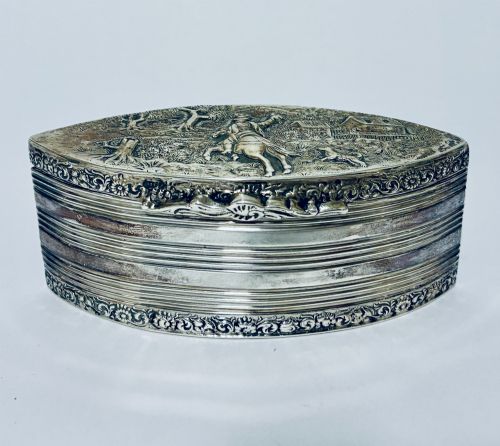
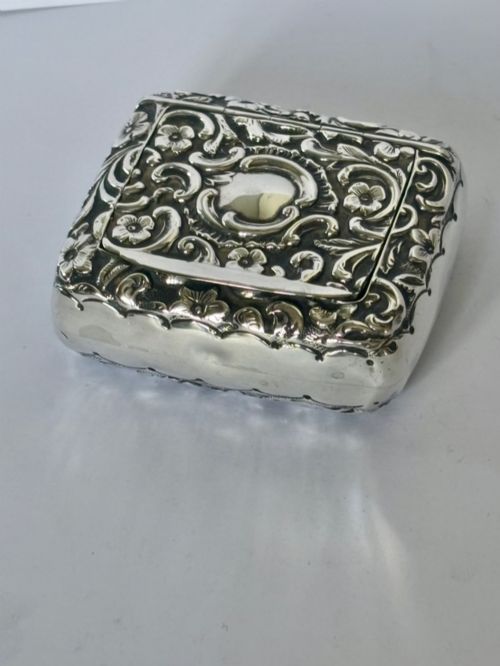
The most common forms on this page include pocket-sized silver boxes, brass containers, papier-mâché pieces, and carved treen items originating across the nineteenth century.
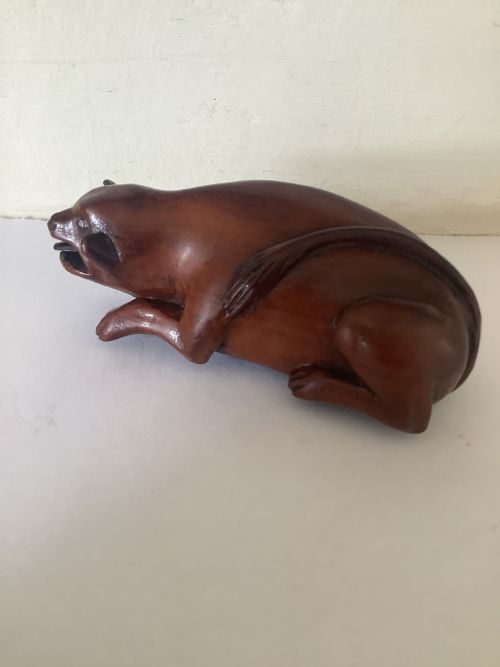
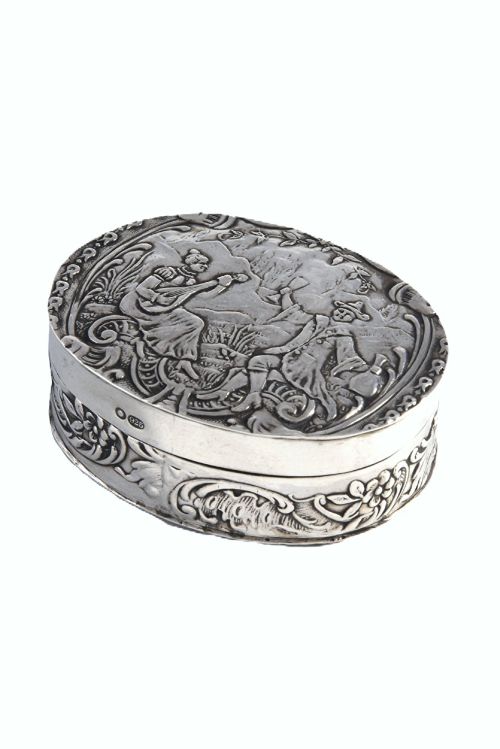
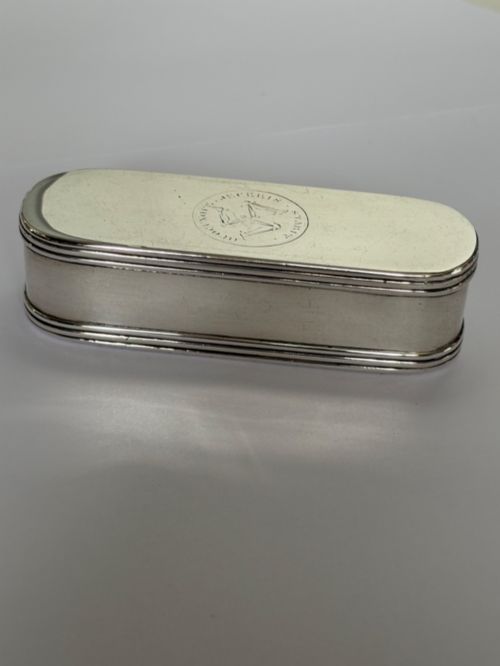
Makers fashioned these objects in varied shapes such as navette outlines, oblong profiles, circular bodies, and figural designs including shoes, coffins, and bicorn hats.
How They Were Made
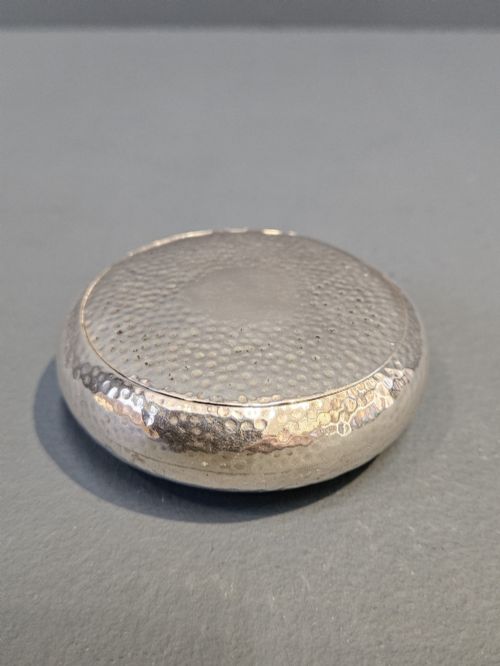
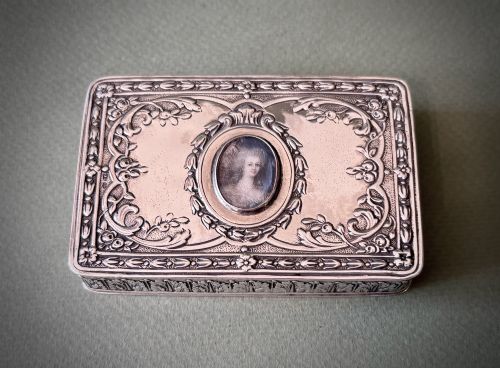
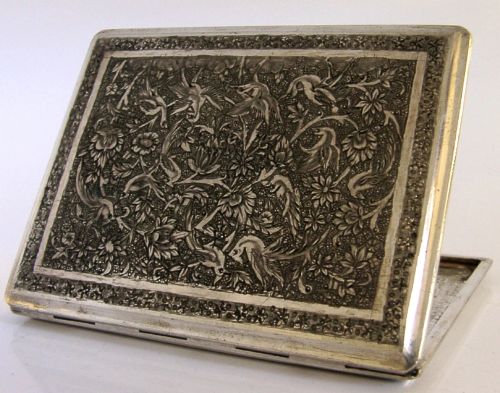
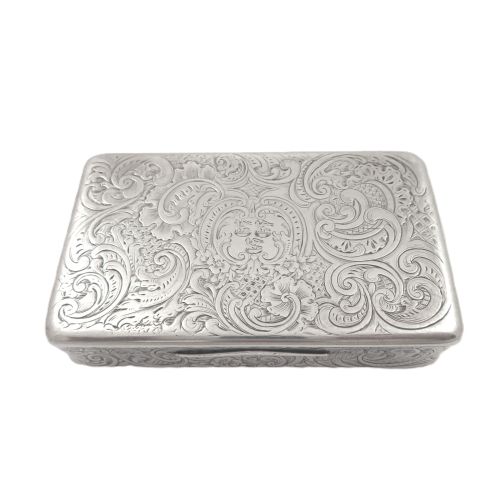
Silversmiths constructed metal versions using sterling silver, silver gilt, and brass, applying techniques like embossing, chasing, engine turning, and planishing to ornament the surfaces.
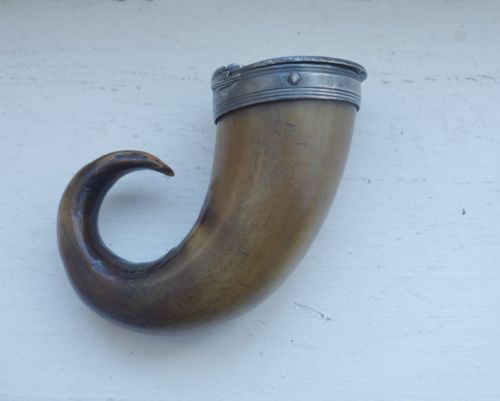
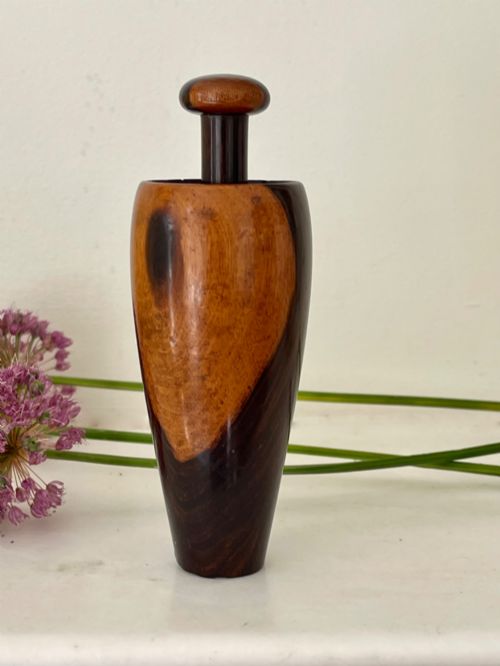
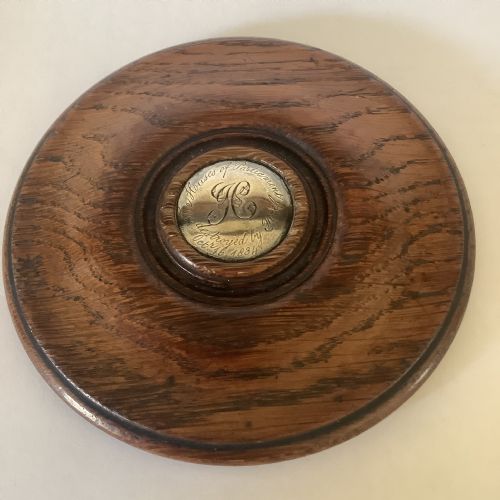
Artisans carved organic materials such as wood, horn, and bone, often incorporating inlay work or naive incisions to create folk art pieces.
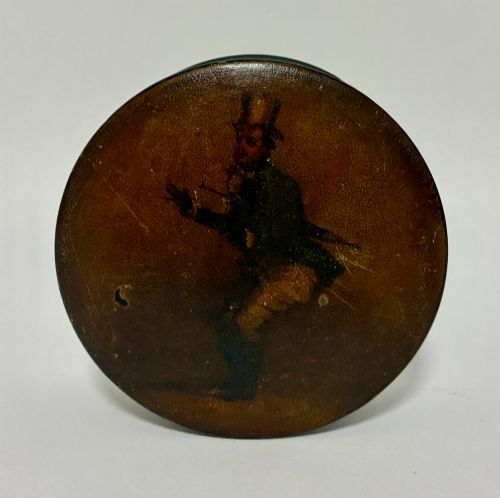
Makers also utilised papier-mâché and lacquer, sometimes applying painted scenes or portraits onto the lids of table boxes.
Listings feature items spanning the Georgian, Victorian, and Edwardian periods, executed in sterling silver, silver gilt, brass, lacquer, papier-mâché, wood, horn, and bone.
What Varies in Quality
Quality rests upon the crispness of the chased or engraved decoration and the precision with which hinged lids close against the body.
Works signed by known silversmiths or workshops demonstrate superior execution compared to standard commercial output of the period.
The choice of materials, from solid silver gilt to simpler brass or lead, determines the tier of the piece.
Mappin And Webb·Henry Matthews·Cornelius Bland·Robert Thornton·Thomas Shaw·Edward Smith·Vishnyakov Workshop·Joseph Willmore·Henry Williamson·James Phipps I
The Antique Tobacco Snuff Box Glossary
- Papier-mâché
- A composite material made from paper pulp or layers of paper bound with glue, pressed into moulds, and dried. Manufacturers finished these items with dark lacquer and painted scenes.
- Silver gilt
- Sterling silver that has been coated with a thin layer of gold on the interior or exterior surfaces. This technique provided a rich golden appearance while protecting the silver from tobacco corrosion.
- Engine turned
- A geometric pattern mechanically engraved onto metal surfaces using a lathe. This technique created repetitive patterns of fine lines.
- Navette
- A pointed boat-like shape with symmetrical curved sides. Georgian table boxes frequently utilised this profile.
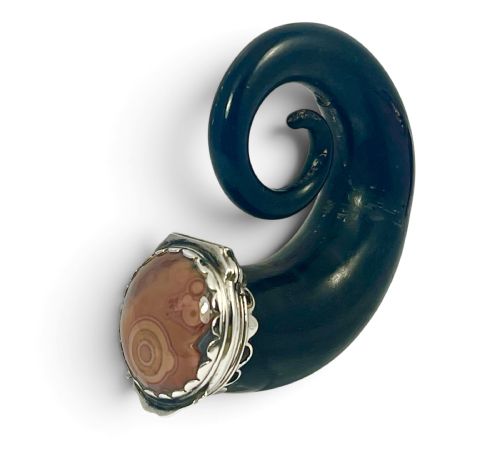
- Snuff mull
- A small container for holding ground tobacco, traditionally fashioned from animal horn in Scotland.
Antique Tobacco Snuff Box: Frequently Asked Questions
What is an antique tobacco snuff box?
An antique tobacco snuff box is a pocket or table container designed to hold ground tobacco for inhalation. These objects were essential personal accessories during the eighteenth, nineteenth, and early twentieth centuries.
Craftsmen produced them in a wide variety of materials, ranging from precious silver and gold to brass, horn, wood, and papier-mâché. Each piece reflects the fashion and social customs of its specific period of manufacture.
How were snuff boxes used?
Users carried these vessels in pockets or placed them on tables to offer pinches of snuff to guests during social gatherings. The act of opening a hinged lid and taking tobacco was a structured social ritual.
Some larger table boxes served as stationary containers for communal use in homes or offices. Pocket versions were engineered to remain securely closed during travel to prevent the loss of dry powder.
How do I date an antique snuff box?
Dating relies primarily on metal hallmarks stamped onto silver and gold pieces, which indicate the assay office, city, and year of production. Stylistic clues, such as Georgian navette shapes or Edwardian planished surfaces, also help establish age.
Materials and construction methods provide further context, as papier-mâché lacquer pieces and folk art treen carvings often correspond to specific decades in the nineteenth century.