


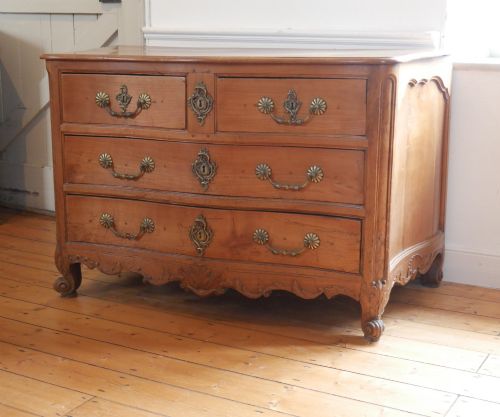
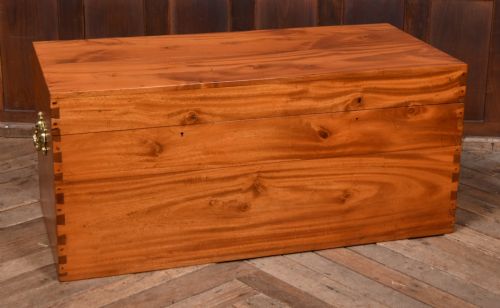
Antique Timber Storage Chest
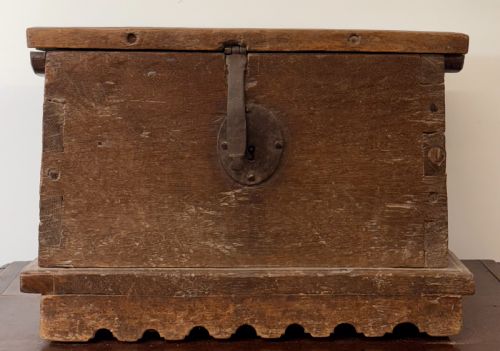
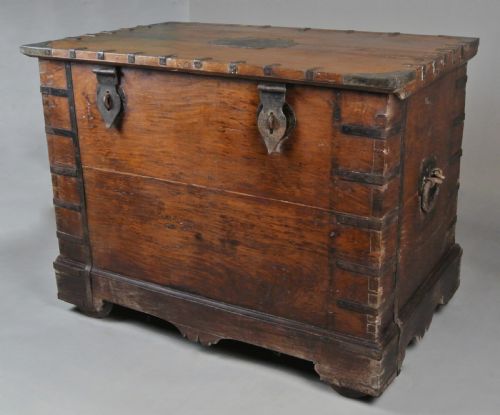
An antique timber storage chest brings centuries of practical craft into a room, offering robust containment built from solid woods like oak, mahogany, and camphor.
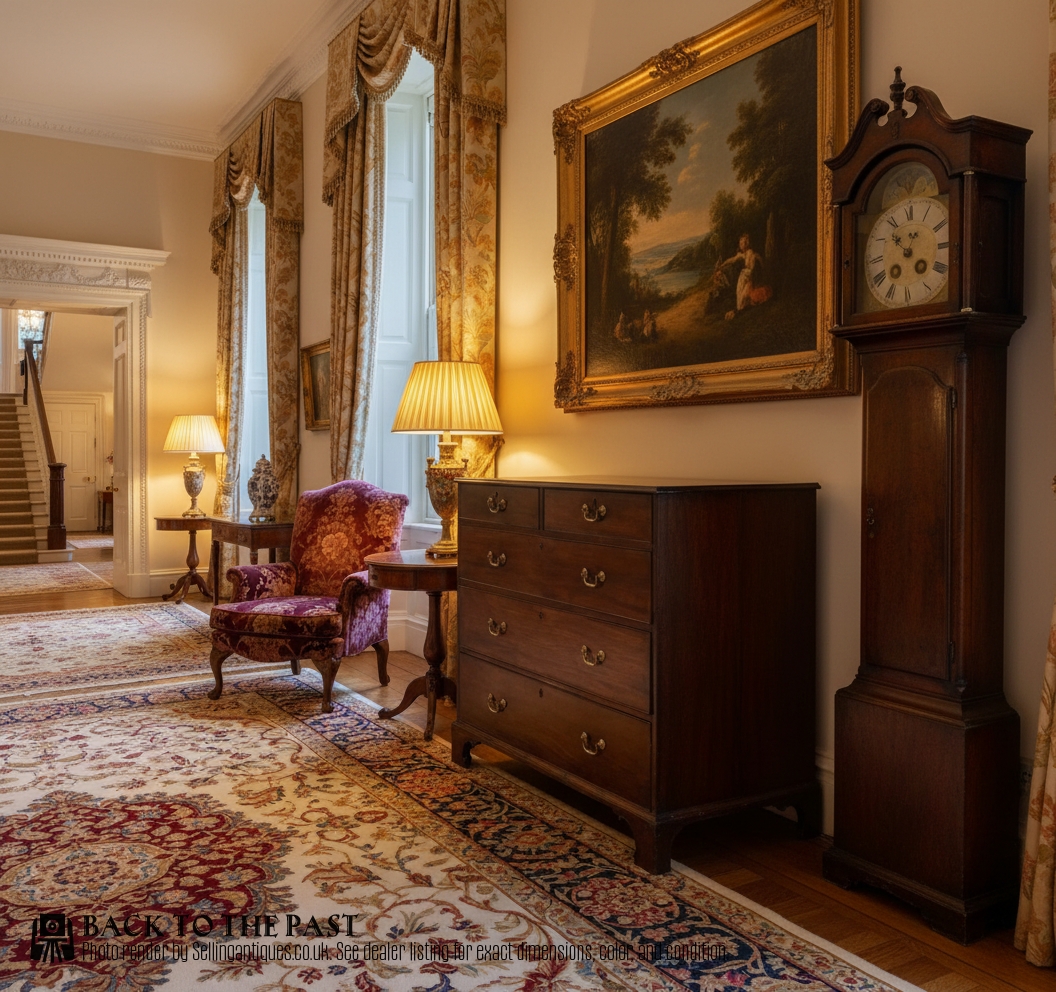
Antique Timber Storage Chest
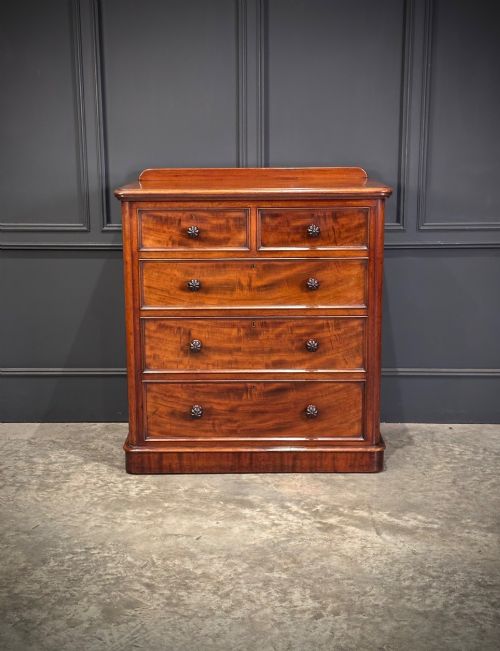
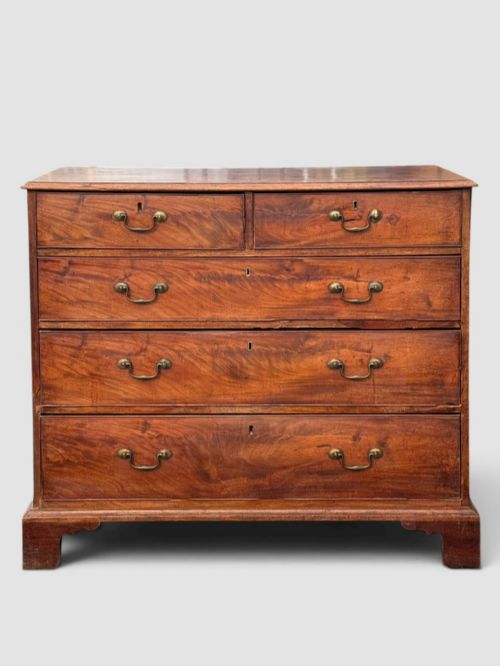
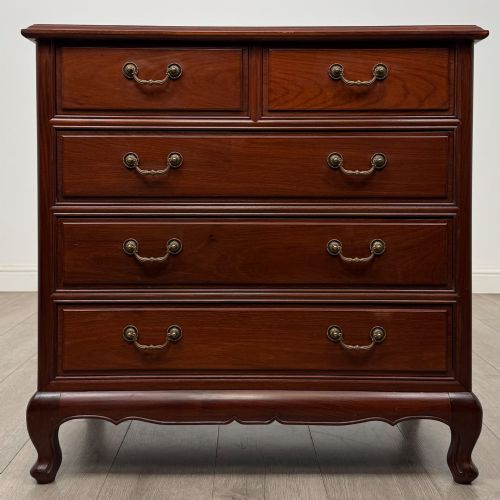
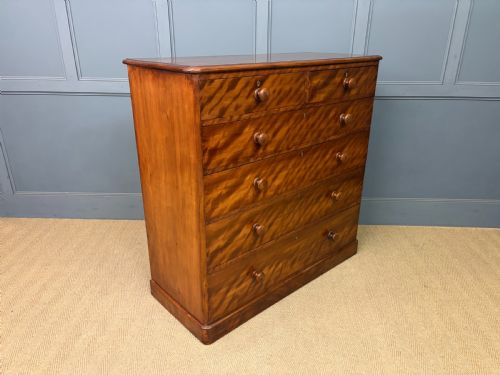
Regional diversity shapes these pieces significantly, moving from English vernacular country elm and oak to French provincial walnut, Indian teak dowry chests, and East Asian lacquer work. Buyers frequently meet Victorian mahogany drawer chests and camphor wood blanket boxes on this page, representing the most common domestic survivals of the trade.
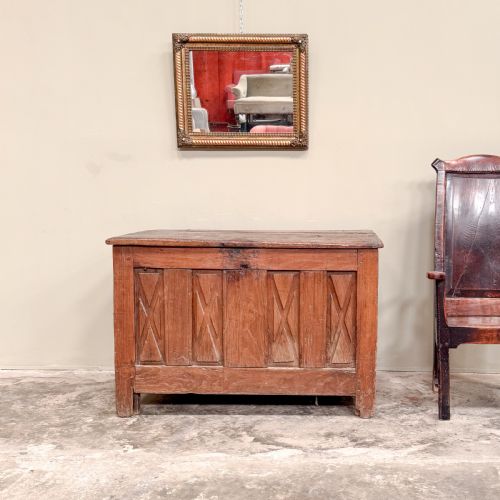
Function dictates construction across the forms, ranging from simple six-plank receptacles hinged at the lid to complex multi-drawer campaign chests and housekeeper cupboards. Each type reflects the specific storage demands of its era, utilising native and exotic woods to protect contents from pests and humidity.
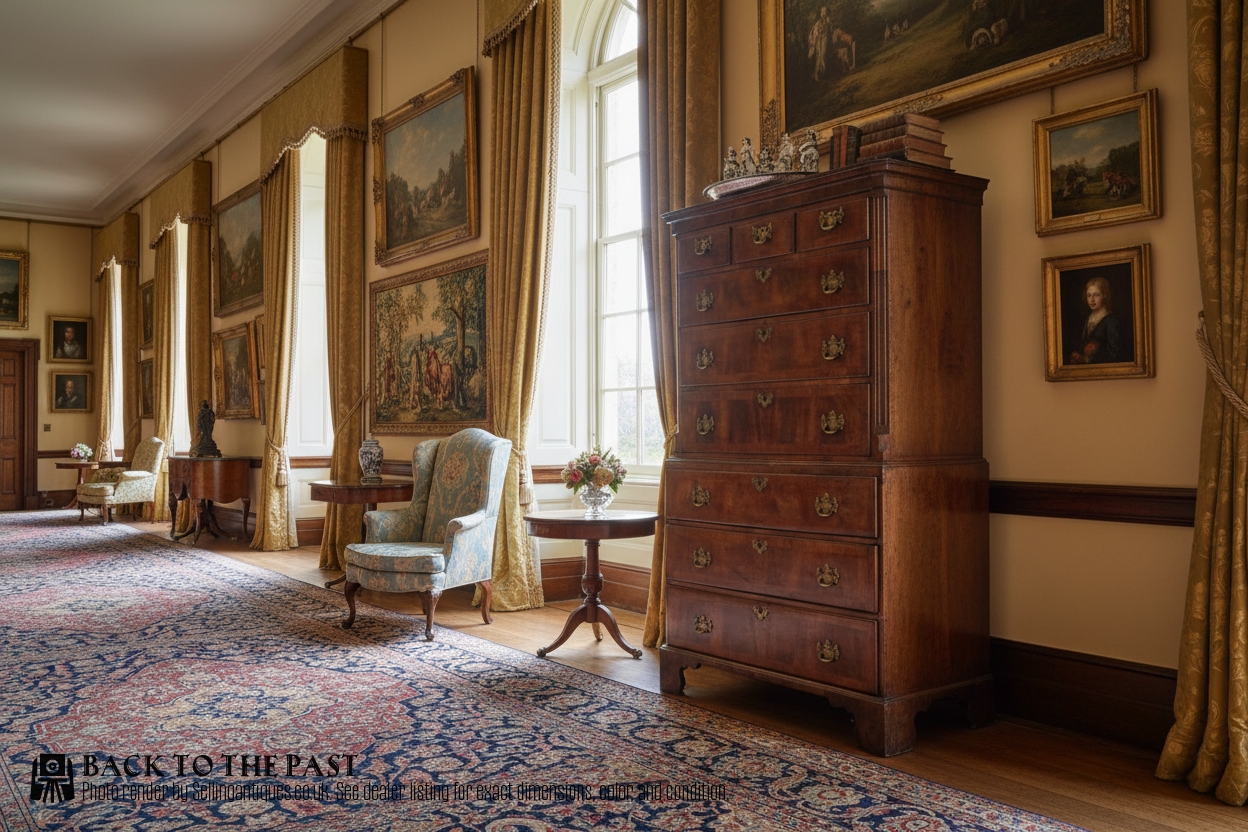
Materials and Technique
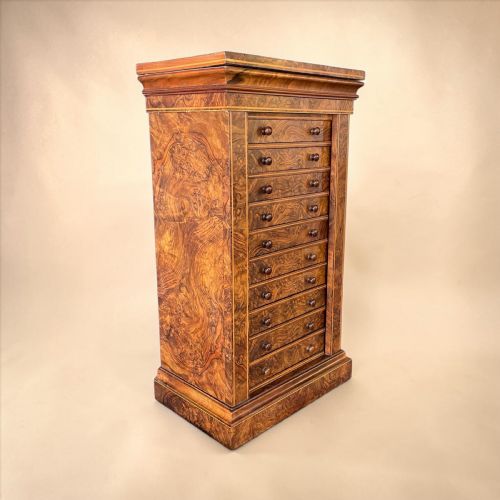
Makers relied on solid native timbers like oak, elm, walnut, and pine for structural integrity, often applying figured veneers of mahogany, satinwood, or burr elm to primary display surfaces. Dovetail joints secured drawer construction, while pegged mortise and tenon frames gave early coffers their legendary endurance.
Metal reinforcement was essential for utilitarian and travel pieces, utilising hand-beaten brass corners, straps, and iron bindings fixed with traditional flat-head screws. Surface finishes varied from beeswax and French polish to scumble paint and black lacquer, protecting the timber while defining the aesthetic of the period.
Listings feature timbers including camphor wood, mahogany, oak, elm, walnut, teak, and pine spanning the eighteenth to twentieth centuries.
Quality and Construction
The division between ordinary and exceptional pieces rests upon the integrity of the timber selection and the precision of the joinery. Superior examples retain their original handles, locks, and backboards, whereas lesser pieces often show extensive timber replacement and unsympathetic modern hardware.
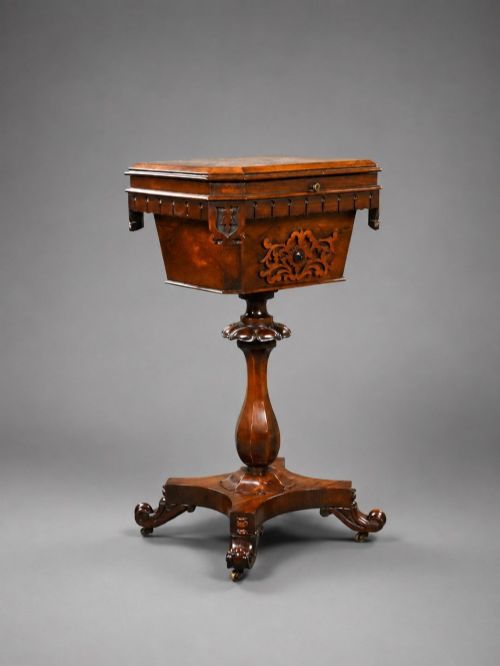
Carved details and inlay work demonstrate the hand of the master artisan rather than the production line, revealing crisp execution without mechanical uniformity. Furthermore, the harmonious ageing of the wood surface - developing a deep, natural patina through decades of waxing - distinguishes untouched items from those stripped and overly refinished.
Jas Shoolbred·Whytock and Reid·Heal and Son·Druce and Co
The Antique Timber Storage Chest Glossary
- Coffer
- A heavy timber storage chest, typically constructed with six boards joined at the edges, used historically for valuables and documents.
- Campaign Chest
- A sectional storage chest made in parts with brass corners and recessed handles, designed for easy dismantling during military travel.
- Dovetail
- A joint formed by interlocking wedge-shaped fingers, utilised extensively in drawer construction to resist pulling forces.
- Camphor Wood
- An aromatic timber native to Asia, prized in chest making for its ability to repel insects and impart a clean fragrance to stored textiles.
- Linen Press
- A tall cabinet or chest featuring upper cupboard doors enclosing sliding trays, paired with lower drawers for comprehensive clothing storage.
Antique Timber Storage Chest: Frequently Asked Questions
How do I care for an antique timber chest?
Maintain a stable room temperature away from direct heat sources and radiators to prevent the wood from drying out and splitting. Apply a traditional beeswax polish occasionally to nourish the grain and preserve the natural patina without sealing the pores of the timber.
Avoid using modern household chemical sprays or silicone-based cleaning products, as these permanently damage historic French polish and wax finishes. Gentle dusting with a dry, soft cloth remains the best daily maintenance for keeping the surface secure.
What is camphor wood used for?
Camphor wood was traditionally utilised for travel trunks and blanket boxes because its strong natural aroma effectively deters moths and silverfish. This protective quality made it the preferred material for chests transported across maritime trade routes.
Items stored inside these chests absorb the distinct, clean scent of the wood over time. Consequently, collectors value camphor pieces for linen and textile storage in modern homes.
Where were campaign chests placed?
Campaign chests were designed for military officers on active service, engineered to separate into modular stacking sections for transport on pack animals or wagons. They accompanied British regiments across the empire during the eighteenth and nineteenth centuries.
In contemporary interiors, their robust brass bindings and inset handles suit studies and living rooms. Their compact proportions allow them to function effectively as bedside tables or standalone drawer units.