
Antique Timber Stool
An antique timber stool brings tangible utility and honest domestic history into a room through vernacular woods and utilitarian forms.
Antique Timber Stool
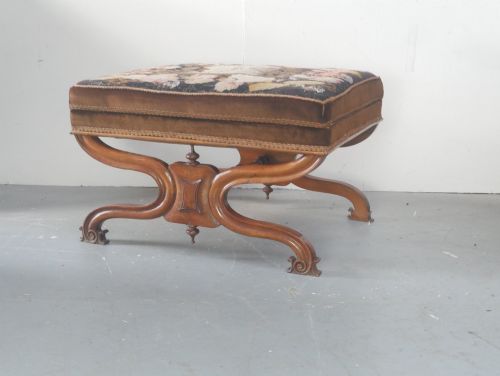
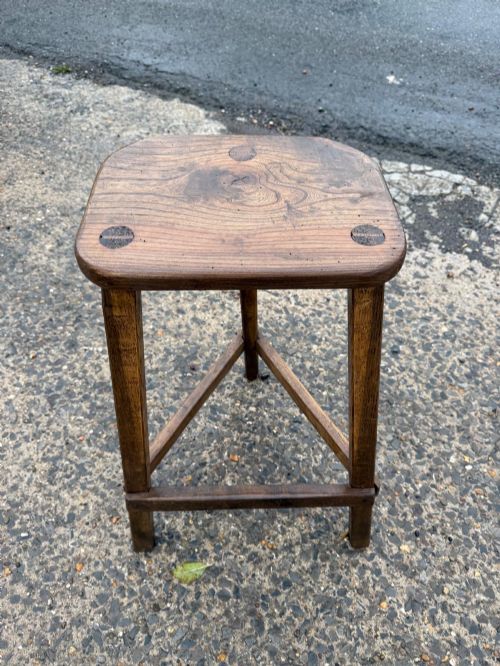
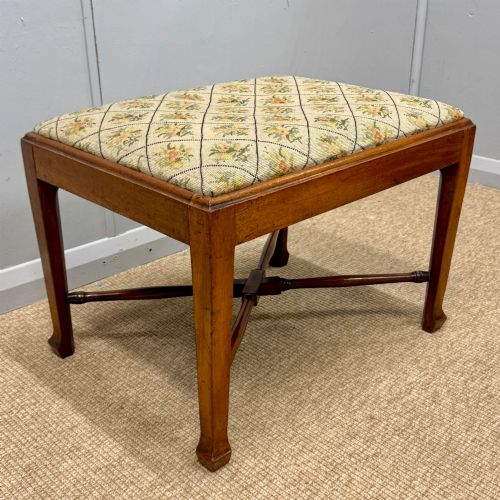
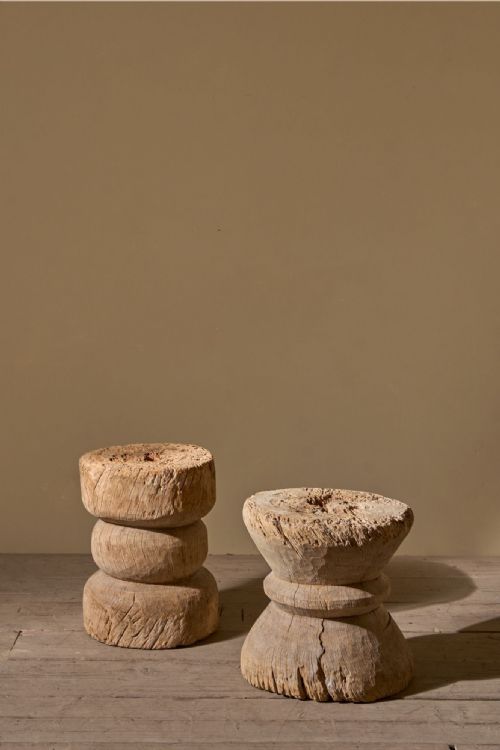
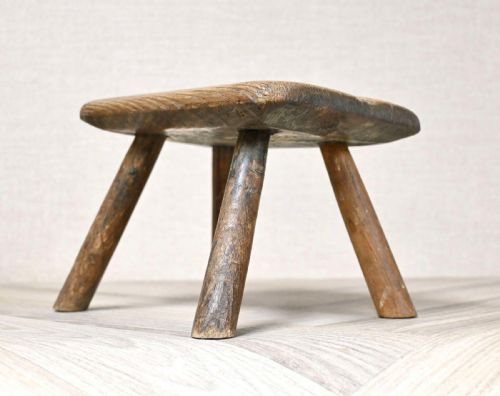
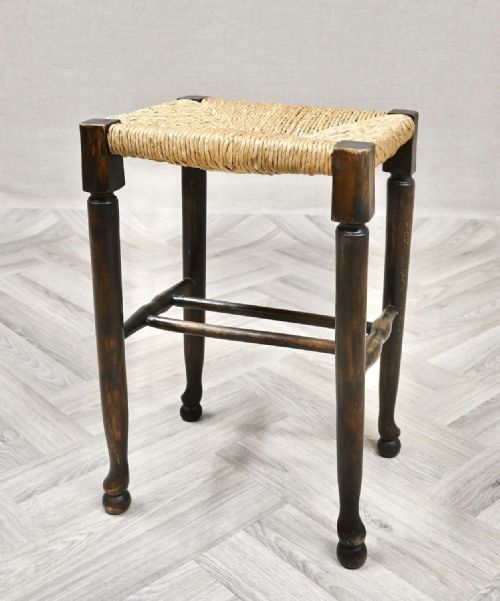
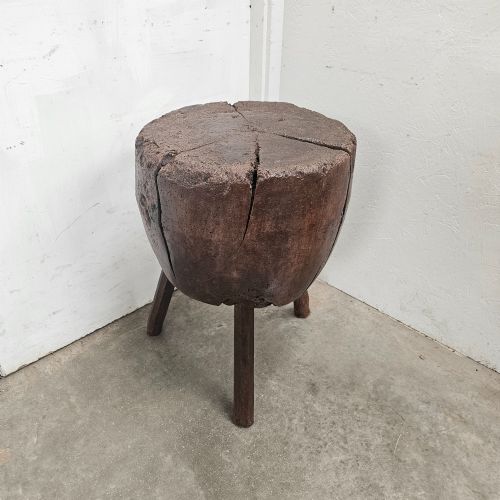
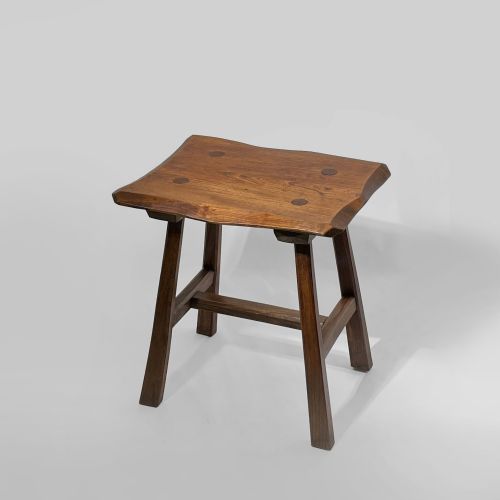
An antique timber stool encompasses a diverse array of utilitarian seating, from three-legged country milking variants to formal Georgian mahogany examples and industrial artisan designs. The pieces found here span the eighteenth, nineteenth, and early twentieth centuries, reflecting both domestic hearth use and workshop utility across English, French, and Eastern European origins.
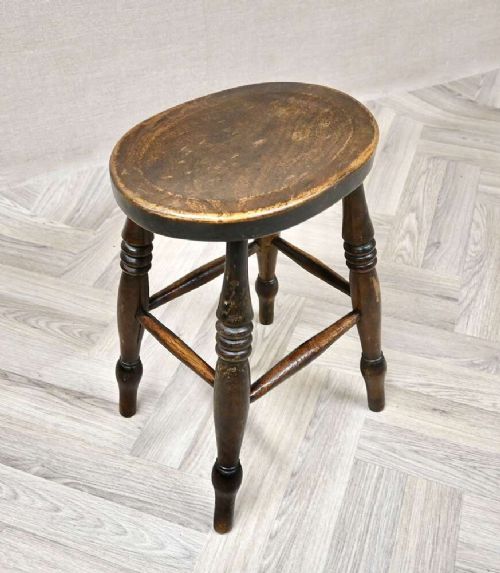
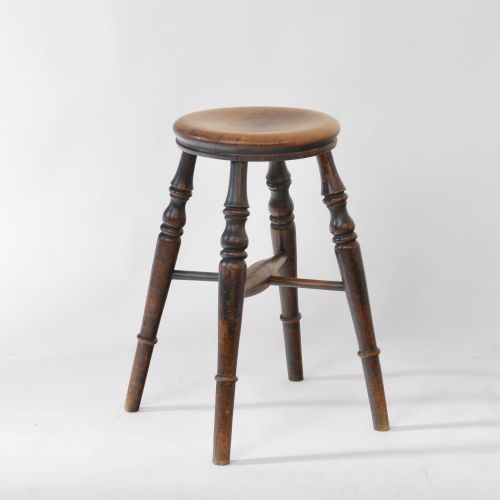
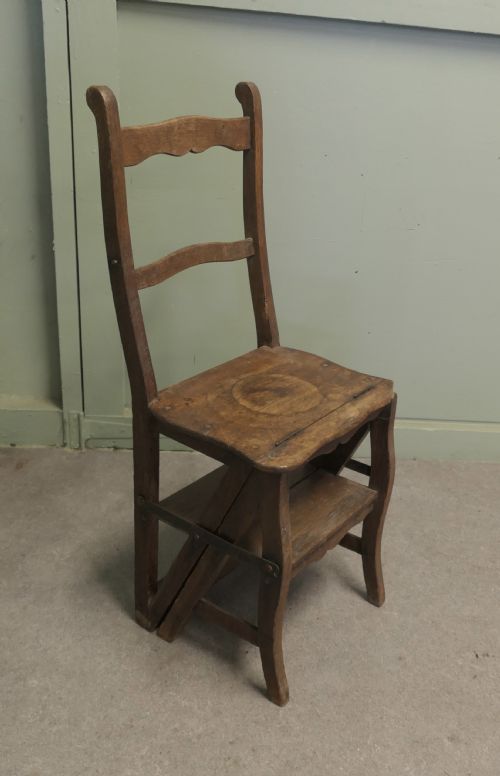
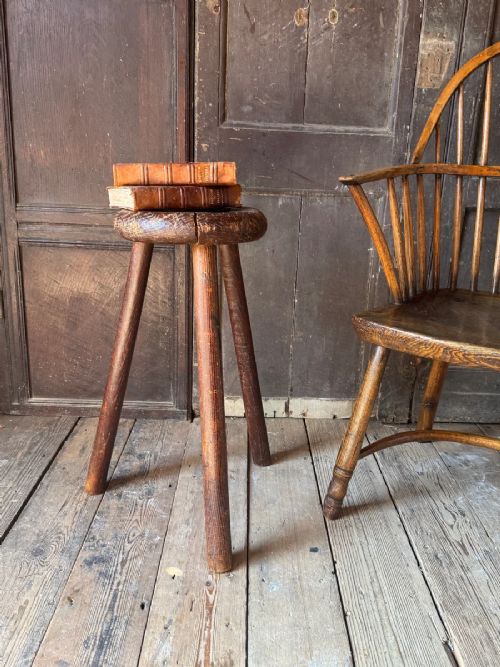
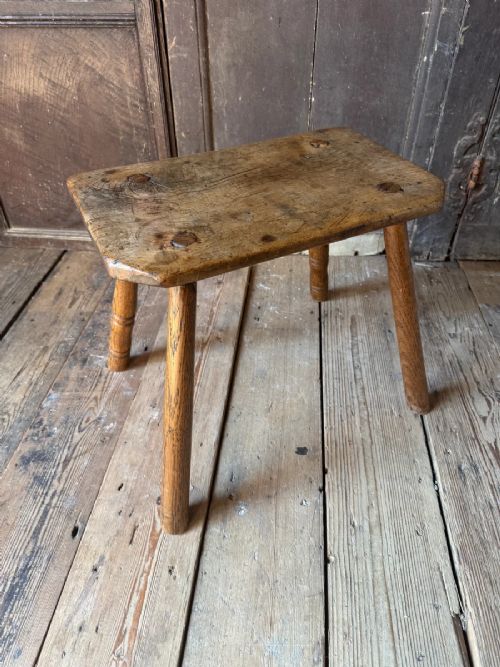
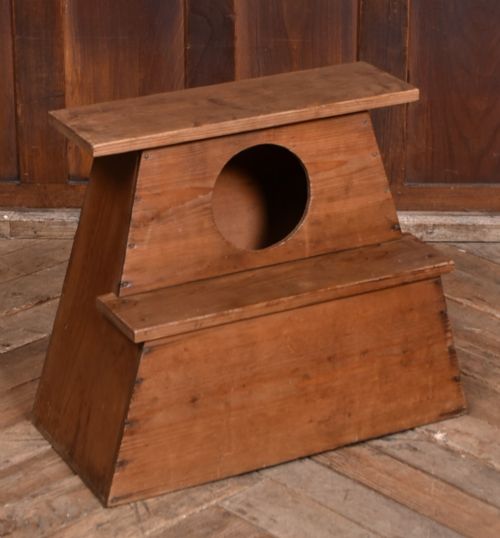
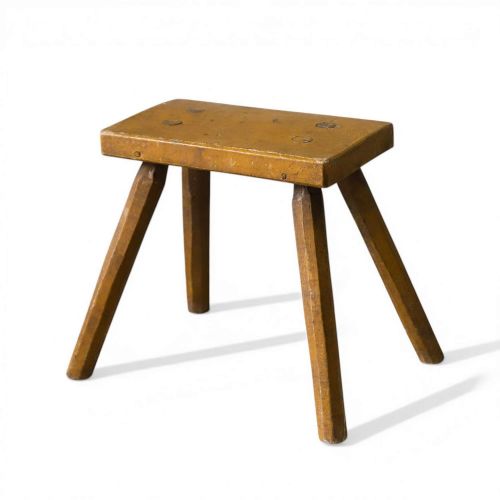
The buyer most frequently encounters vernacular country pieces shaped from native hardwoods like elm, ash, and sycamore. These range from low milking stools with carved round seats to tall tavern stools and metamorphic step configurations designed for daily work rather than idle display.
Materials and Technique
Maker construction relies heavily on solid timber joined through traditional methods such as wedged tenons, through-mortises, and turned legs wedged directly into thick plank seats. Woods like oak, pine, and beech provide structural integrity, while secondary timbers such as ash and elm offer the necessary flex for turned spindles and leg components.
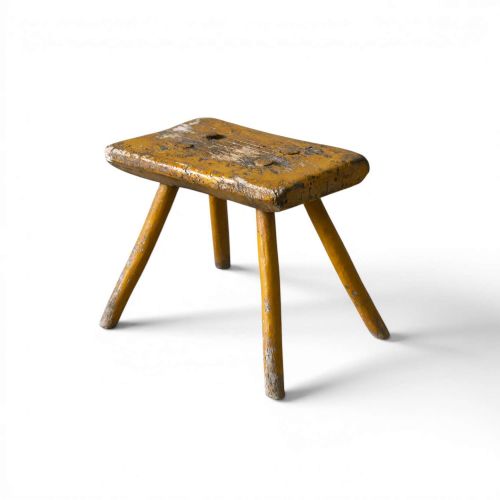
Surface treatments range from bare scrubbed grain and original paint finishes in ochre, yellow, or green to polished mahogany and walnut surfaces. Hand tools leave distinct adze marks and lathe tool ridges that define the tactile character of each surviving object.
Several nineteenth-century milking stools survive wearing their original coats of bright ochre, yellow, or green paint.
Assessing Quality
Quality rests upon the integrity of the original construction and the degree of honest wear accumulated through service. Examples retaining their initial surface treatment, such as untouched paint or un-sanded timber patina, command greater interest than those stripped down or aggressively restored.
Proportion and functional cleverness distinguish superior pieces, whether through the sculptural economy of a single-leg milking stool or the refined joinery of a Georgian slatted seat. Substantial timber thickness and structural stability without modern intervention mark the upper echelon of these utilitarian items.
The Antique Timber Stool Glossary
- Joint Stool
- A sturdy wooden seat constructed with mortise and tenon joints rather than turned legs driven into a slab. These rigid frames served multiple household functions during the seventeenth and eighteenth centuries.
- Vernacular
- An architectural and craft term describing objects built by local tradespeople using regional materials for everyday use. These pieces follow traditional local patterns rather than high-style metropolitan designs.
- Metamorphic
- A descriptive term for furniture designed to transform its function, such as a set of library steps that folds down into a low chair. Such pieces demonstrate ingenious mechanical solutions from the nineteenth century.
- Milking Stool
- A low, typically three-legged seat designed for agricultural work. The tripod configuration ensured stability on uneven barn floors.
Antique Timber Stool: Frequently Asked Questions
How do I identify an eighteenth-century stool?
Look for deep timber patination, hand-cut joinery marks, and structural wear patterns consistent with centuries of domestic use. Eighteenth-century examples often feature solid oak or elm construction with pegged joints rather than modern metal fasteners.
Examine the underside and the grain direction to check for hand-turned components or adze-shaped seats that predate industrial manufacturing techniques.
What is a joint stool?
A joint stool is a heavy wooden seat built with tightly fitted mortise and tenon joints held together by wooden pegs. They were sturdy enough to stand on or use as small tables in early households.
These pieces usually date from the seventeenth or eighteenth centuries and display straight, square-section legs connected by low stretchers.
How should I care for an antique wooden stool?
Maintain the timber by keeping the piece away from direct heat sources and sudden humidity changes that cause wood to split. Apply microcrystalline wax occasionally to nourish dry surfaces without sealing the historic patina.
Avoid harsh chemical cleaners and modern polishes that strip away original surface finishes and accumulated age.
Can I use an antique stool as daily seating?
Most antique timber stools remain structurally sound for regular sitting if the leg joints and seat planks are stable. Inspect the structural junctions beneath the seat to ensure no movement exists before daily use.
Lighter vernacular items, particularly those with single legs or delicate turned spindles, suit decorative placement or gentle occasional use better than heavy sitting.