

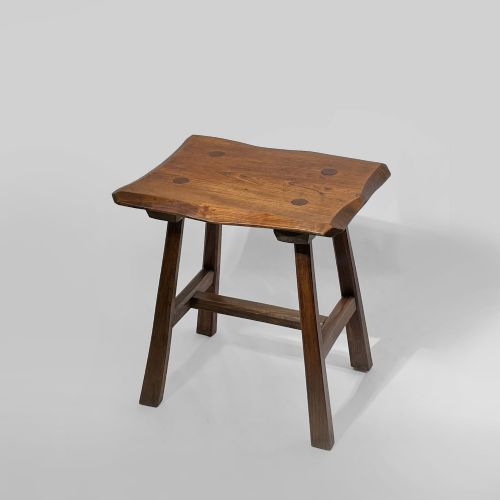

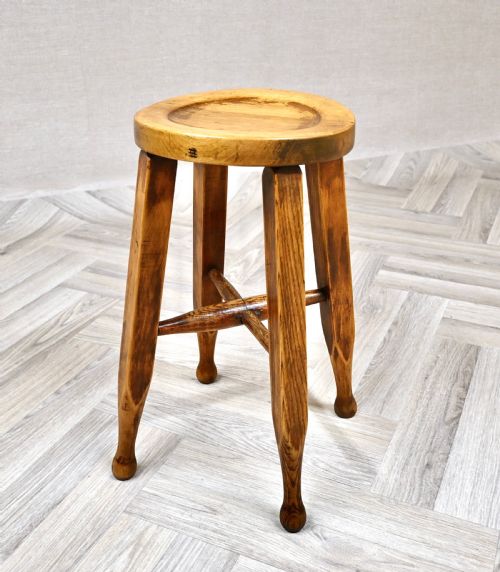
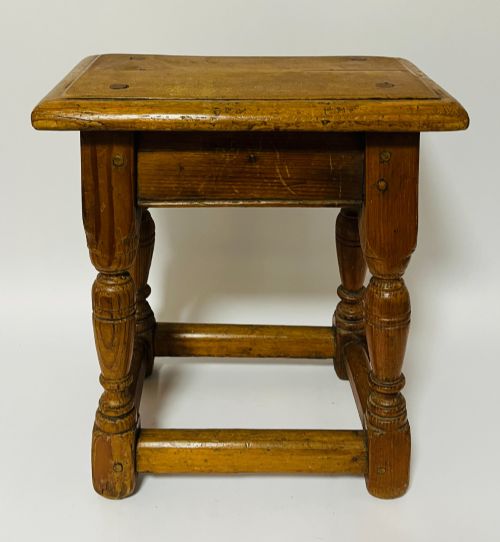
Antique Timber Low Stool
An antique timber low stool brings honest utility and quiet character to a room, offering simple seating or a handy surface close to the floor.
Antique Timber Low Stool
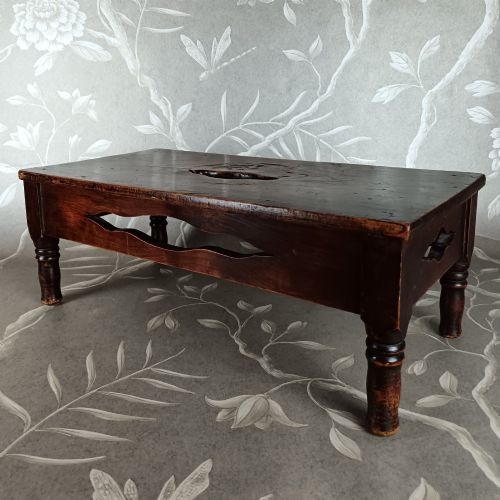
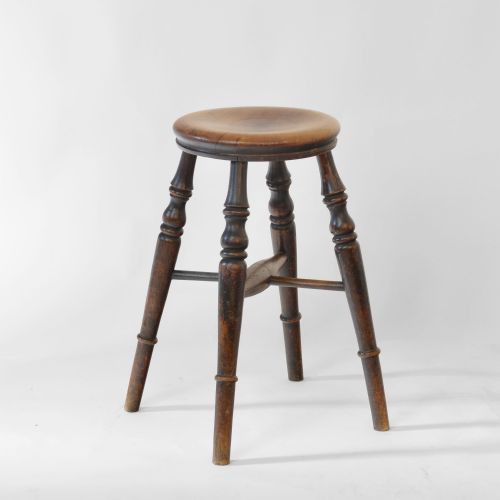
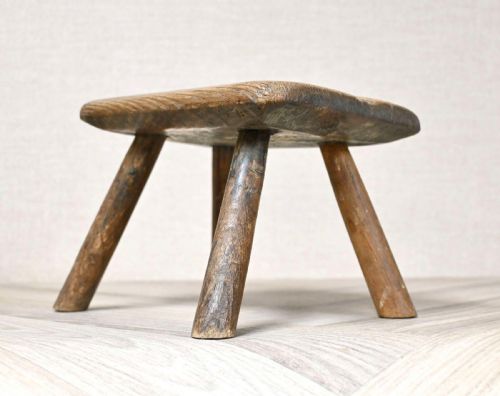
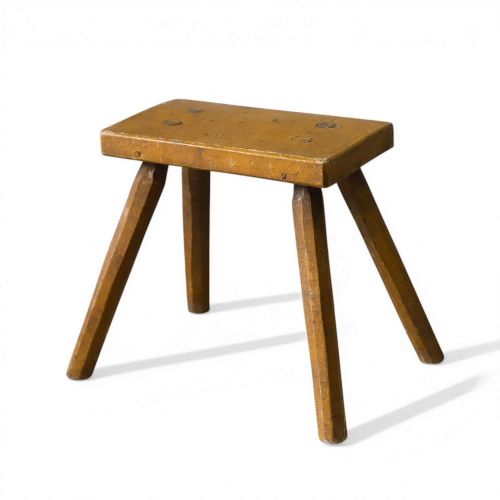
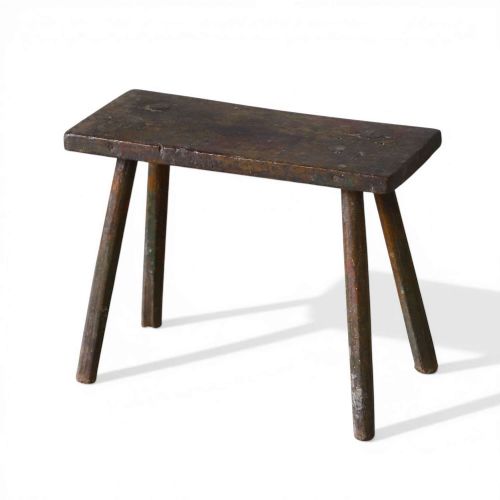
An antique timber low stool encompasses a diverse group of utilitarian seating forms, ranging from rustic milking stools and tavern seats to refined Georgian and Victorian footstools. These pieces are typically designed for low-level seating or resting feet, emerging from various domestic, provincial and formal contexts across centuries.
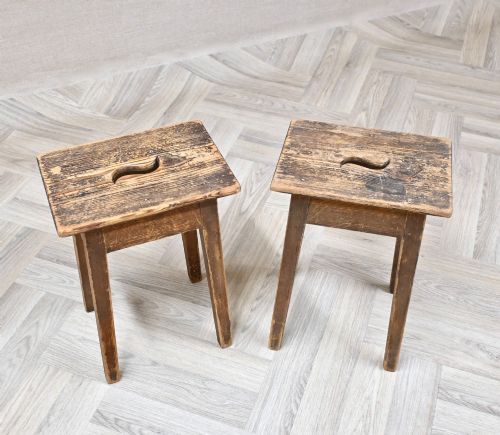
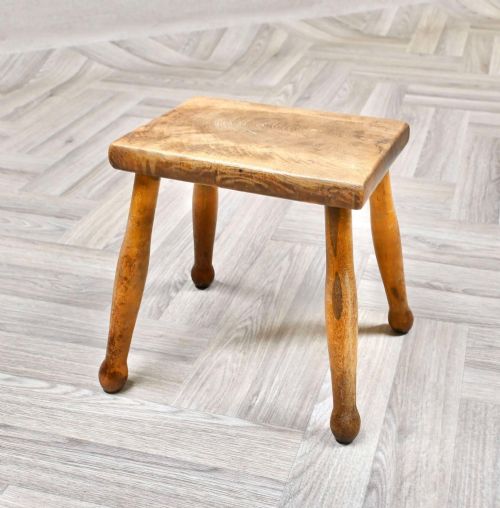
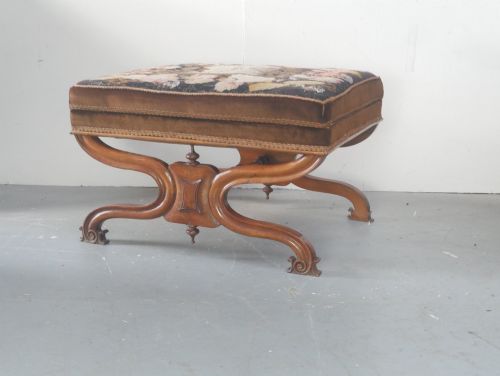
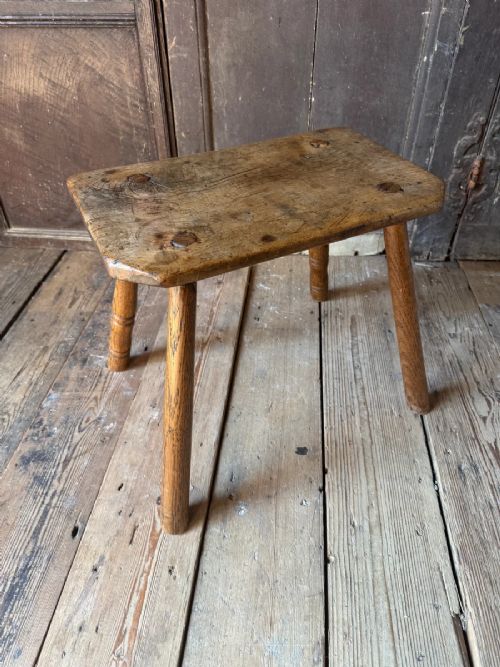
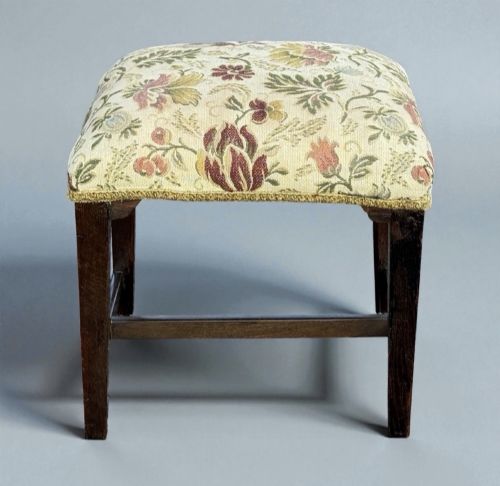
The selections appearing on this page most frequently feature 19th-century country designs alongside Georgian and Victorian examples. Buyers regularly encounter three-legged country stools, joint stools, and upholstered hearth stools shaped from solid woods.
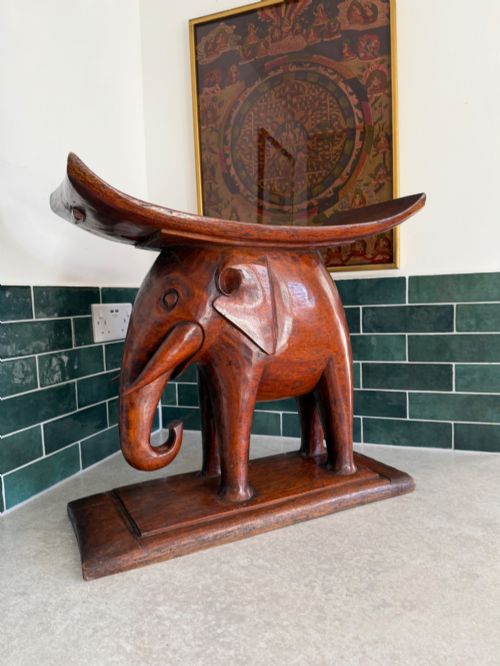
Origins stretch from English rural workshops to Eastern European farmhouses, alongside occasional items from broader international traditions such as Italian folk art and Anglo-Indian carving. Each object reflects the practical demands of its original setting, prioritising robust construction and straightforward utility.
How they were made
Cabinetmakers and rural artisans constructed these low stools using native hardwoods such as oak, elm, ash, sycamore, walnut, and pine, often turning legs on a lathe or shaping seats from single slabs of timber. Joinery methods like mortise and tenon or simple pegging secured the legs directly into the underside of the seat.
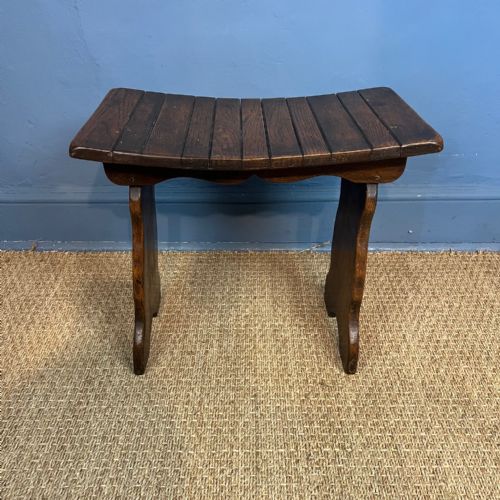
Surface treatments vary from polished mahogany and walnut to original coats of ochre, yellow, and green paint, while other variants incorporate woven rattan, cane, or upholstered textiles. Regional vernacular techniques determined whether a stool received a saddle-shaped depression, turned spindles, or carved decorative details.
Antique Timber Low Stool Retail Price Guide 2026
Typical asking prices for timber low stool among the pieces listed under this phrase on Sellingantiques today, from the lower quarter to the upper quarter. They describe what is for sale here now, not the wider market.
Several Eastern European milking stools survive clad in cheerful coats of original ochre, yellow, and green paint.
What varies in quality
The distinction between standard utility items and finer examples rests upon the selection of timber, the sophistication of the turning or carving, and the survival of original surface finishes. Stools retaining their initial painted coats or patinated wax surfaces command greater interest from collectors.
Structural integrity and the harmony of proportions differentiate provincial workshop output from academic cabinetmaking. Pieces demonstrating considered joinery, such as well-splayed legs locked firmly into thick seats, represent the sturdier end of the spectrum.
The Antique Timber Low Stool Glossary
- Joint stool
- A low wooden stool constructed with mortise and tenon joints pegged together, popular in domestic settings before the widespread use of chairs. This sturdy method of building provides rigid support.
- Milking stool
- A simple three-legged seat traditionally used by agricultural workers for milking livestock. The tripod design ensures stability on uneven earthen floors.
- Hearth stool
- A low, long stool positioned near a fireplace, frequently upholstered to provide comfortable seating close to the warmth. These pieces often date from the Georgian and Victorian periods.
- Vernacular
- Everyday objects made by local craftspeople using traditional regional styles and locally available materials rather than following high-fashion metropolitan designs. Such items emphasise pure function.
- Saddle seat
- A wooden seat surface carved with hollows and contours that mimic the shape of an equestrian saddle. This ergonomic shaping improves comfort on un-upholstered timber seating.
Antique Timber Low Stool: Frequently Asked Questions
How were low stools used historically?
Historically, people utilised low stools for seated chores, warming by the fire, or as accessible perches in workshops, taverns and farmhouses.
Their compact height made them easily movable around crowded rooms or tucking beneath larger tables and work surfaces.
How do I care for wooden stools?
Care for antique wooden stools involves maintaining stable indoor humidity levels and applying occasional wax polish to nourish dry timber.
Avoid placing these items near direct heat sources or strong sunlight to protect original finishes and prevent wood splitting.
How can I tell the period of a stool?
Determining the period involves examining the wood species, tool marks, joinery techniques, and any surviving paint or polish.
Stylistic cues such as turned ball feet, carved motifs, or upholstery methods also help align a piece with Georgian, Victorian, or earlier eras.