

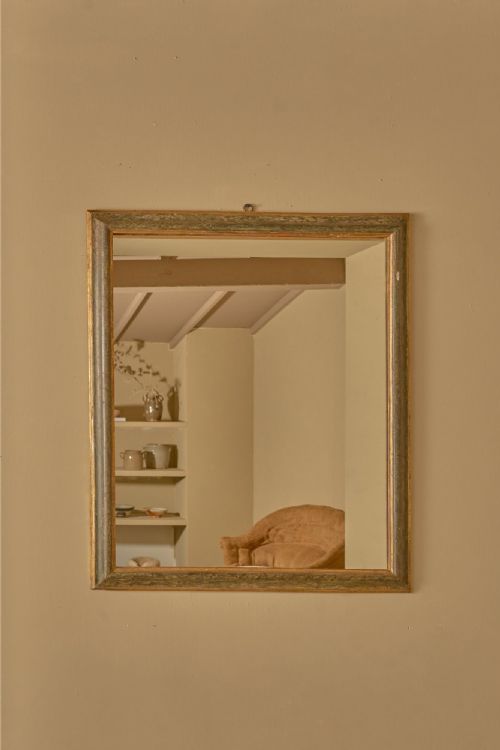
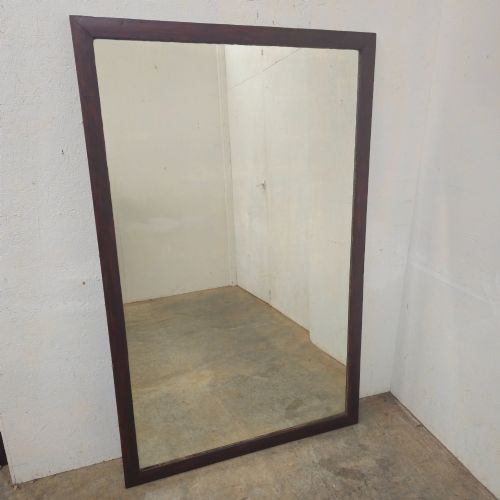
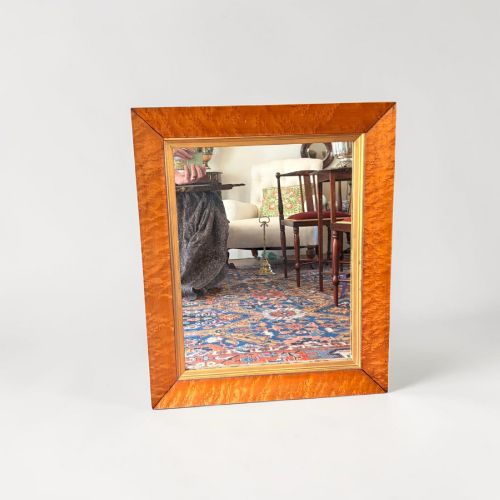
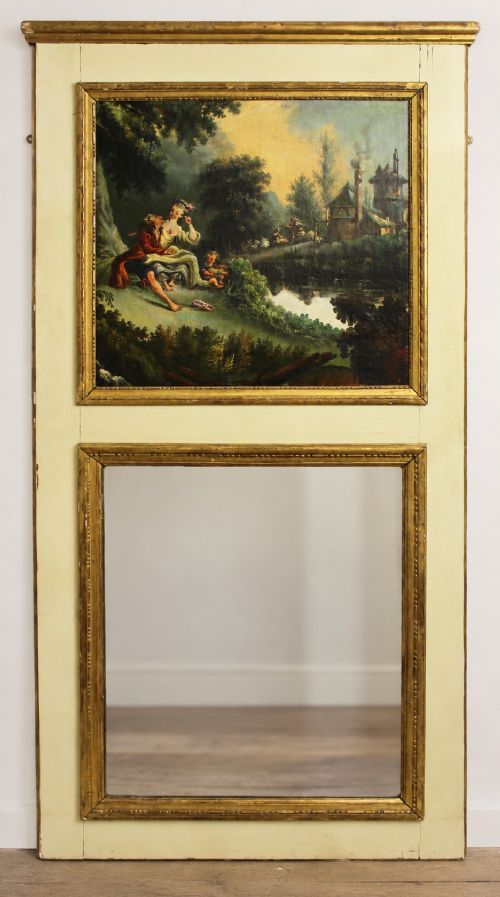
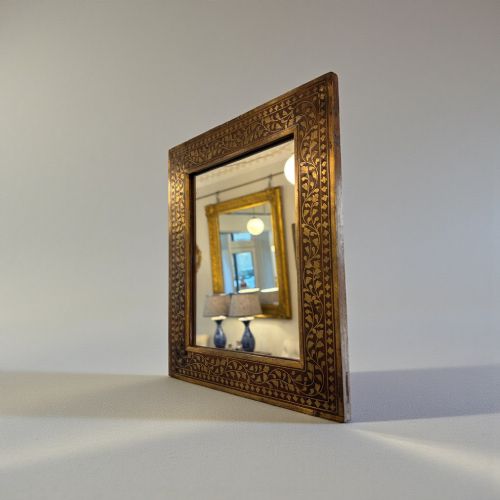
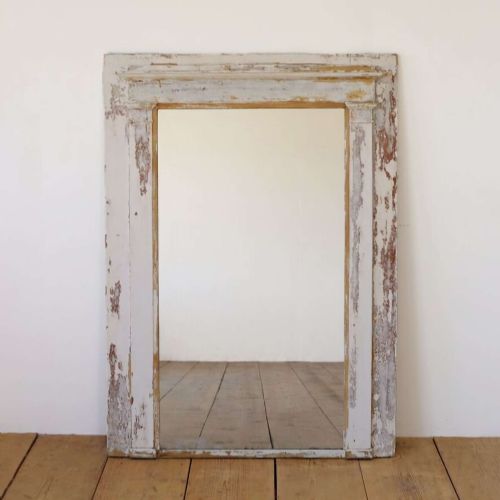
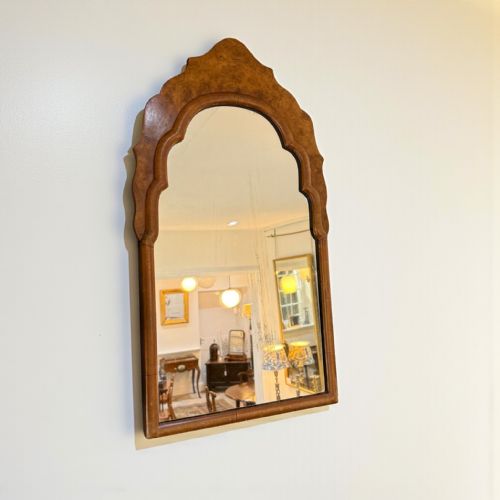
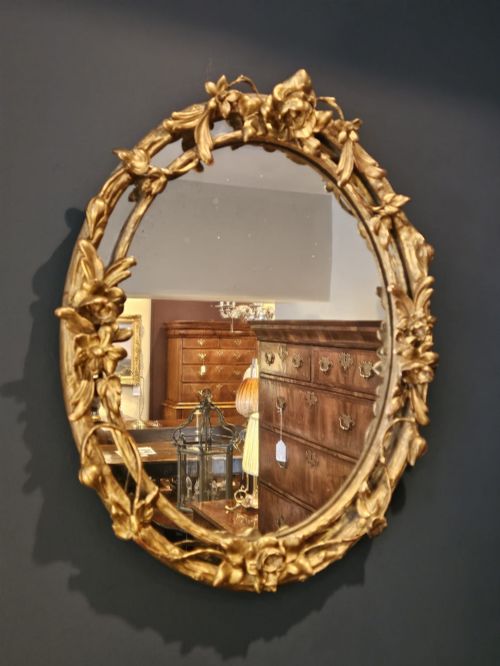

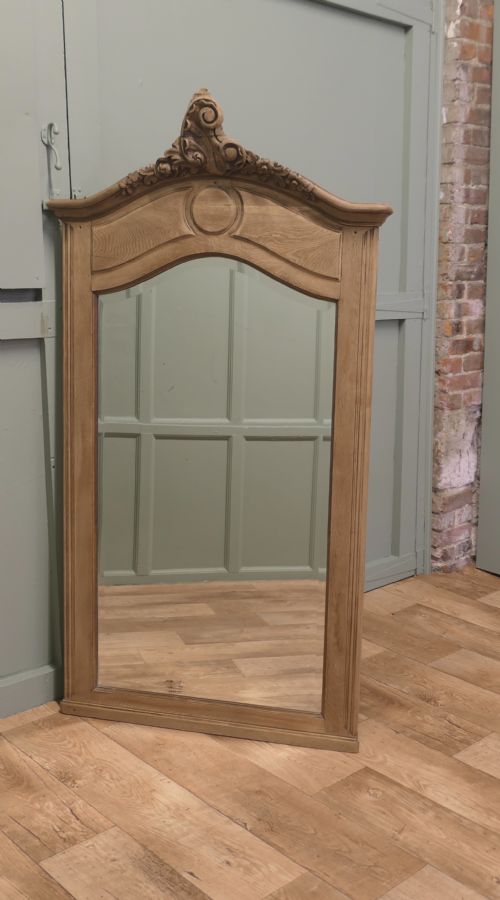
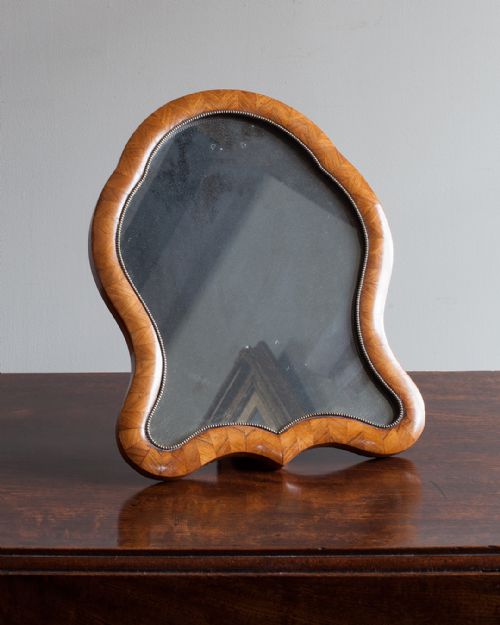
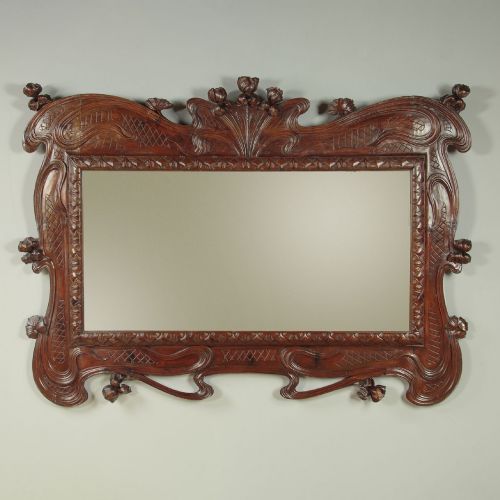
Antique Timber Framed Mirror
An antique timber framed mirror brings architectural depth and reflected light into a room, offering tactile warmth that modern glass simply cannot match.
Antique Timber Framed Mirror
When you search for an antique timber framed mirror, you encounter pieces spanning from the Georgian period through the Victorian era and into the early twentieth century. These objects function primarily as wall mirrors, overmantel mirrors, and smaller table or dressing mirrors designed for domestic spaces.
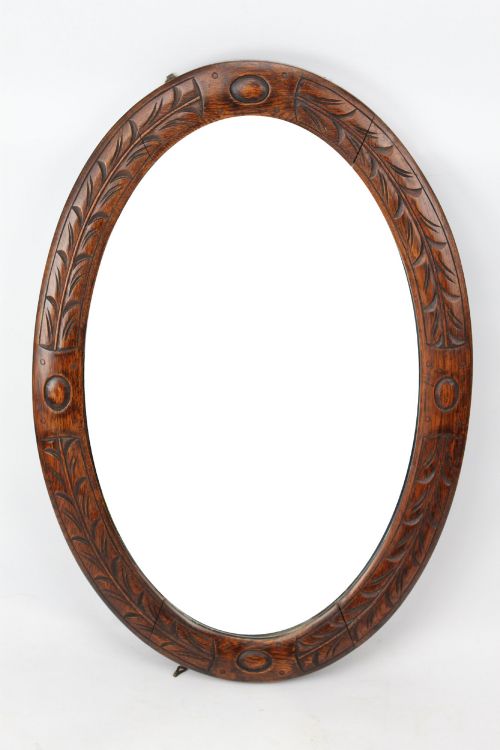
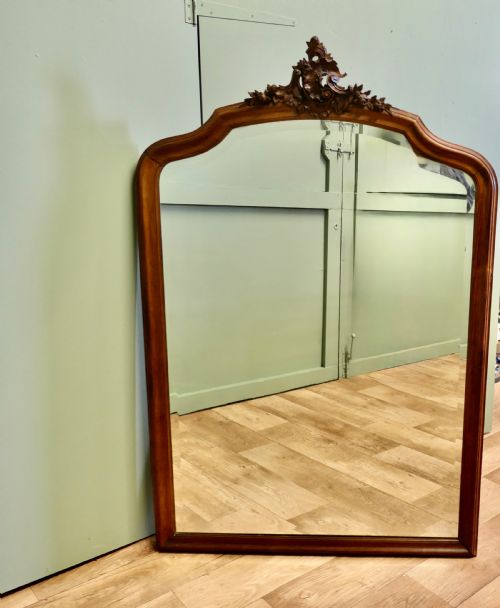
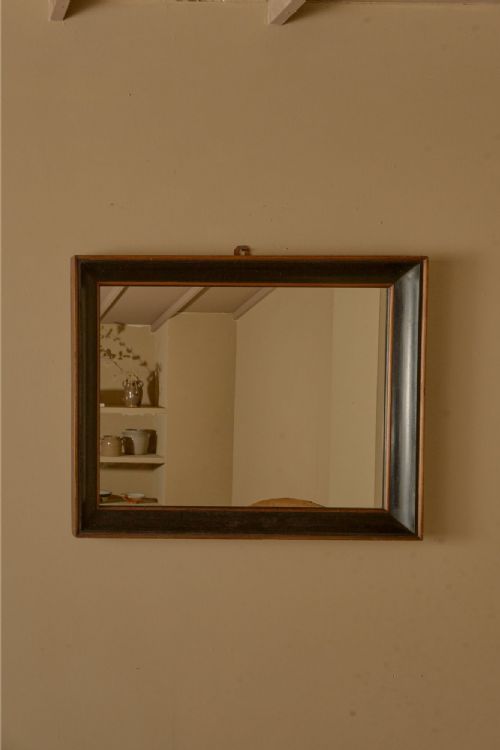
The materials range from native oak and walnut to exotic kingwood, rosewood, and maple, often shaped into cushion frames, carved ovals, or rectangular wall hanging formats. Stylistic influences vary widely, taking in French Provincial, Black Forest carving, Gothic revival, and William and Mary marquetry inlay.
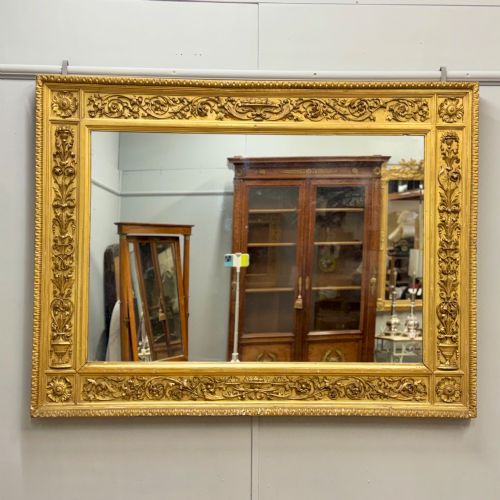
The selection on this page leans heavily toward nineteenth century oak and carved wood examples, alongside giltwood and gesso pieces that combine timber construction with surface gilding. Buyers find everything from rustic country pieces to large imposing Italian limewood and ebonised mirrors.
Materials and construction methods
Frames are constructed using solid hardwoods such as oak, walnut, and mahogany, or softwoods overlaid with fine veneers like kingwood and rosewood. Joinery techniques depend on the period, utilising pegged mortise and tenon joints in earlier oak pieces and precise mitres in later veneered examples.
Carved decoration relies on hand-chiselled details worked directly into the timber, sometimes enhanced with gesso layers to build up intricate relief patterns before gilding or painting. Mirror glass is set into the rebate from the rear, held by wooden slips or backing boards secured with traditional fixings.
Antique Timber Framed Mirror Retail Price Guide 2026
Typical asking prices for timber framed mirror among the pieces listed under this phrase on Sellingantiques today, from the lower quarter to the upper quarter. They describe what is for sale here now, not the wider market.
Some nineteenth century fairground mirrors delight visitors with funhouse distortions, proving that antique glass was designed for amusement as well as reflection.
Distinguishing quality in timber mirrors
Quality rests in the crispness of the hand-carved ornament and the depth of the timber figure, where deeply worked oak or figured walnut commands greater visual presence. The integrity of the frame construction, particularly the tightness of the corner joints and the stability of the backing timber, defines structural excellence.
Surface treatment further divides the range, separating original untouched patination and fire gilding from later overpainting or heavy restoration. The retention of original mercury or early float glass, showing authentic age oxidation, marks out a superior piece against later glass replacements.
The Antique Timber Framed Mirror Glossary
- Cushion frame
- A broad, convex frame profile popular in seventeenth and nineteenth century mirrors. It creates a bold, architectural border that draws the eye toward the central glass plate.
- Gesso
- A plaster-like mixture applied to timber frames as a smooth base for gilding or painting. Skilled artisans carve and shape the dried gesso to achieve intricate relief ornamentation.
- Giltwood
- Timber carved and coated with a thin layer of gold leaf over a prepared ground. It provides a reflective, opulent surface that brightens dark panelled interiors.
- Marquetry
- The art of applying decorative veneer pieces to a timber structure to form geometric or pictorial patterns. It requires precise cutting of contrasting woods such as walnut and maple.
- Overmantel mirror
- A large horizontal mirror designed specifically to hang above a fireplace mantelpiece. These pieces often incorporate elaborate crestings and architectural mouldings.
Antique Timber Framed Mirror: Frequently Asked Questions
How do I hang a heavy timber mirror safely?
Heavy antique mirrors require robust wall fixings anchored directly into masonry or secure wall studs rather than relying on standard plasterboard plugs. Professional mirror hangers utilise heavy-duty steel brackets or mirror plates screwed to the vertical frame members to distribute the substantial weight evenly.
Ensure the hanging wire or chain specified for the piece is rated well above the actual weight of the timber and glass. Lower brackets can also be fitted beneath the frame to support the base and prevent the mirror from tipping forward.
Can I place an antique mirror in a bathroom?
Placing antique timber mirrors in high-humidity environments like bathrooms risks damaging both the wooden frame and the silvering behind the glass. Moisture causes unsealed timbers to warp or split and accelerates the deterioration of old adhesives and backing materials.
If you choose to place one in a damp space, ensure adequate ventilation and keep the mirror away from direct steam and splashing water. Periodically check the rear of the frame for signs of dampness or mould growth.
How should I clean the frame and glass?
Clean antique timber frames using a soft, dry brush or a lint-free cloth to remove dust from carved recesses without disturbing the patina. Avoid commercial polishes or water on bare or waxed wood, opting instead for specialist furniture wax applied very sparingly if the timber appears dry.
For the glass plate, apply a mild glass cleaner directly to your cloth rather than the mirror itself to prevent liquid from seeping behind the edges and staining the silvering. Gently wipe the surface and dry immediately with a clean microfiber cloth.
How do I date an antique timber mirror?
Dating relies on examining the construction methods of the timber frame, the type of wood used, and the characteristics of the glass plate. Earlier pieces often feature hand-cut joinery, pine or oak secondary woods, and bevelled glass with slight distortions or foxing indicative of older manufacturing processes.
Stylistic cues such as Georgian fretwork, Victorian gesso ornamentation, or Arts and Crafts motifs also provide reliable chronological markers. Comparing the fixing nails, screw types, and backing boards helps confirm whether the components are period-original.