



Antique Timber Double Bedstead
An antique timber double bedstead brings warmth and architectural presence to a bedroom, combining period craftsmanship with practical proportions.
Antique Timber Double Bedstead
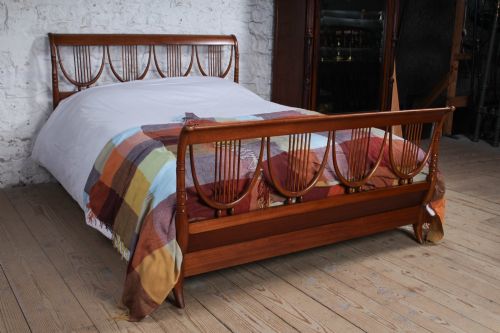
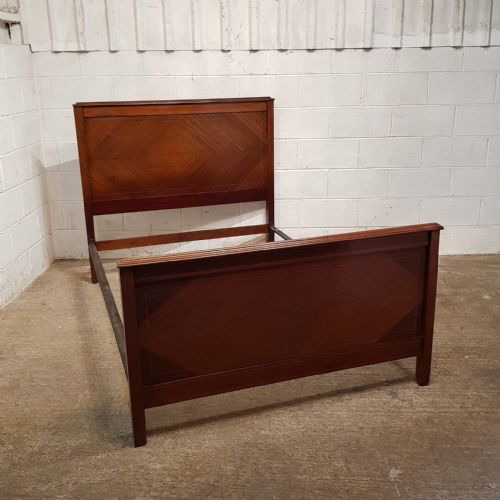
When you search for an antique timber double bedstead, you encounter substantial sleeping furniture spanning the Victorian, Edwardian, and Art Deco periods, alongside French and Portuguese regional designs. These pieces range from simple turned hardwood and mahogany frames to elaborate carved walnut and burr walnut constructions with distinct stylistic flourishes.
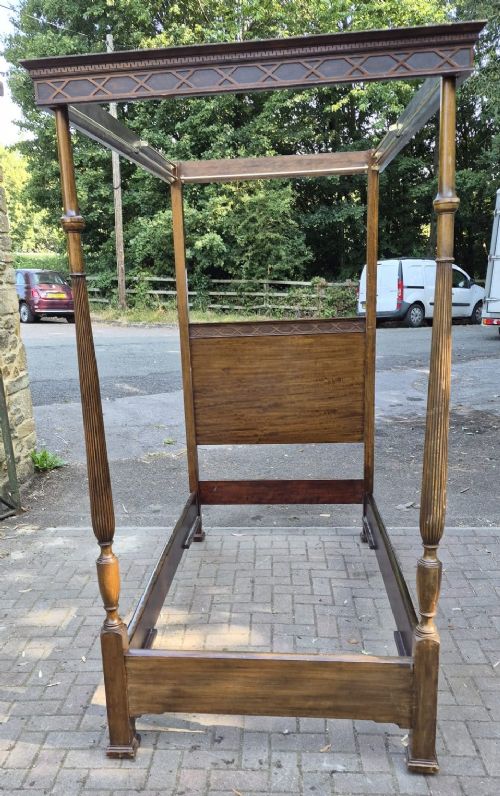
The selections available here showcase a variety of forms, including half tester beds, four poster bedsteads in the Georgian style, and French revival pieces featuring marquetry and caning. The predominant materials recorded in these listings are walnut, mahogany, sweet chestnut, and burr walnut, reflecting the preference for rich woods in historic bedroom furnishings.
Materials and construction methods
Makers of these beds utilised solid timbers and figured veneers, applying techniques such as marquetry, detailed wood carving, and turning to shape structural and decorative elements. Woods like mahogany, walnut, and sweet chestnut provided the sturdy framework necessary for domestic furniture.
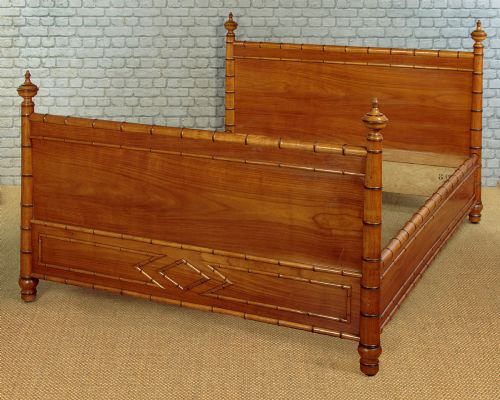
Details such as faux bamboo shaping, turned hardwood spindles, and integrated side rails demonstrate the diverse cabinet-making skills employed across the nineteenth and early twentieth centuries. Textiles and iron components also appear where appropriate for upholstery or internal support.
Faux bamboo bedsteads reflect a Victorian fascination with exotic botanical imitation, bringing playful plant-like joints into the bedroom.
Distinguishing quality in period bedsteads
The distinction between standard production pieces and finer examples rests in the selection of timbers, such as burr walnut or plum pudding mahogany, and the crispness of hand-carved ornamentation. Superior specimens display thoughtful proportions and sophisticated stylistic adherence, whether interpreting Louis XVI revival motifs or Arts and Crafts simplicity.
Design complexity and regional origin also influence the character of each bedstead, from French carved walnut frames to documented pieces by known workshops. The integration of harmonious decorative elements like marquetry inlay elevates the overall execution.
Stanley Webb Davies
The Antique Timber Double Bedstead Glossary
- Bedstead
- The framework of a bed, consisting of the headboard, footboard, and side rails. It supports the mattress and base independently of built-in structures.
- Burr walnut
- A highly figured wood veneer derived from the burl growths of walnut trees. It is prized for its intricate, swirling grain patterns.
- Half tester
- A bed with a canopy that extends only partway over the head of the bed. It typically attaches to the wall or the headboard rather than standing on four full posts.
- Marquetry
- The art of applying pieces of veneer to a structure to form decorative patterns and pictures. Craftsmen use varied timber tones to create contrast without paint.
- Four poster
- A bed featuring four vertical columns that support an upper canopy framework. Historic examples often draw on classical architectural proportions.
Antique Timber Double Bedstead: Frequently Asked Questions
Will an antique double bed take a modern mattress?
Many older beds were made to dimensions slightly different from standard modern mattress sizes. It is essential to check the internal width and length between the side rails before purchasing.
Adjustments or custom-made mattresses are sometimes required to ensure a correct and secure fit within a historic wooden frame.
How do I assemble an antique timber bedstead?
Most period bedsteads utilise traditional iron bed bolts or interlocking side rail brackets that slot into the headboard and footboard posts. Having two people simplifies the process of aligning the rails and keeping the structure square.
Tightening the fixings evenly ensures the frame remains stable and prevents twisting over time.
How do I care for walnut and mahogany furniture?
Keep wooden furniture away from direct heat sources and strong sunlight to prevent the timber from drying out and the finish from fading. Regular dusting with a soft, dry cloth maintains the surface sheen.
Applying a traditional beeswax polish occasionally helps nourish the wood and preserves the depth of the grain.
How do I identify the period of a bedstead?
Stylistic clues such as carved motifs, turning styles, and timber choices help narrow down the date of manufacture. For instance, heavy turned walnut often points to Victorian production, while clean lines may suggest Arts and Crafts or Art Deco influence.
Construction methods, including the type of screws and joint techniques used on the frame, also offer reliable dating evidence.