


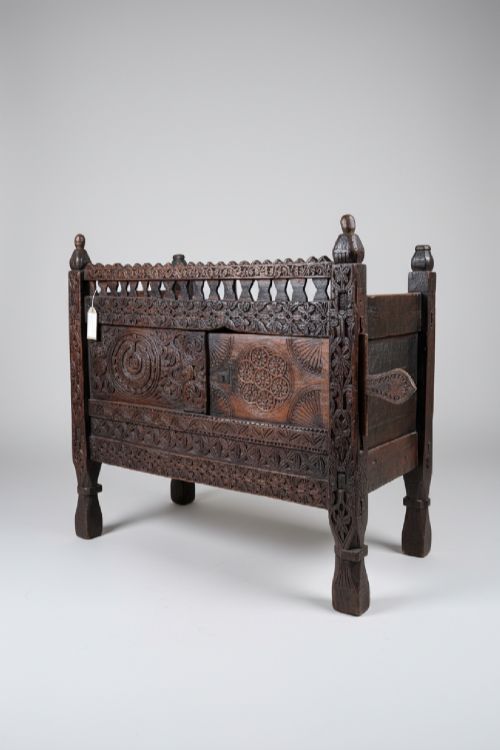
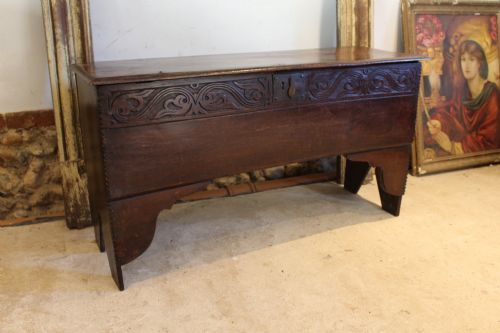
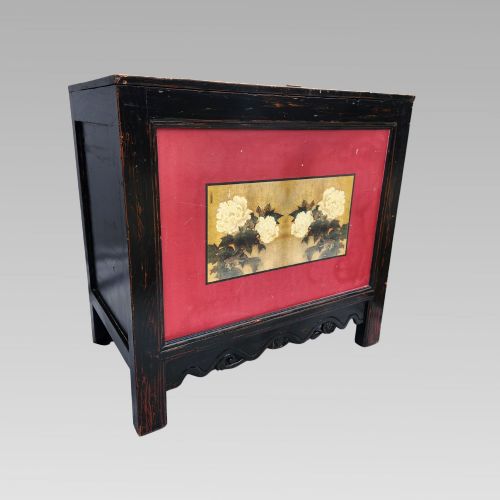


Antique Timber Blanket Box
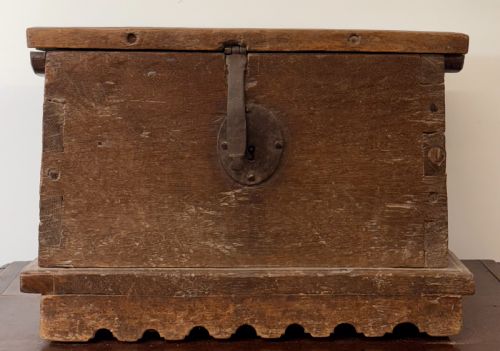
An antique timber blanket box is a capacious storage chest built from oak, pine or camphor wood to hold linens and garments.
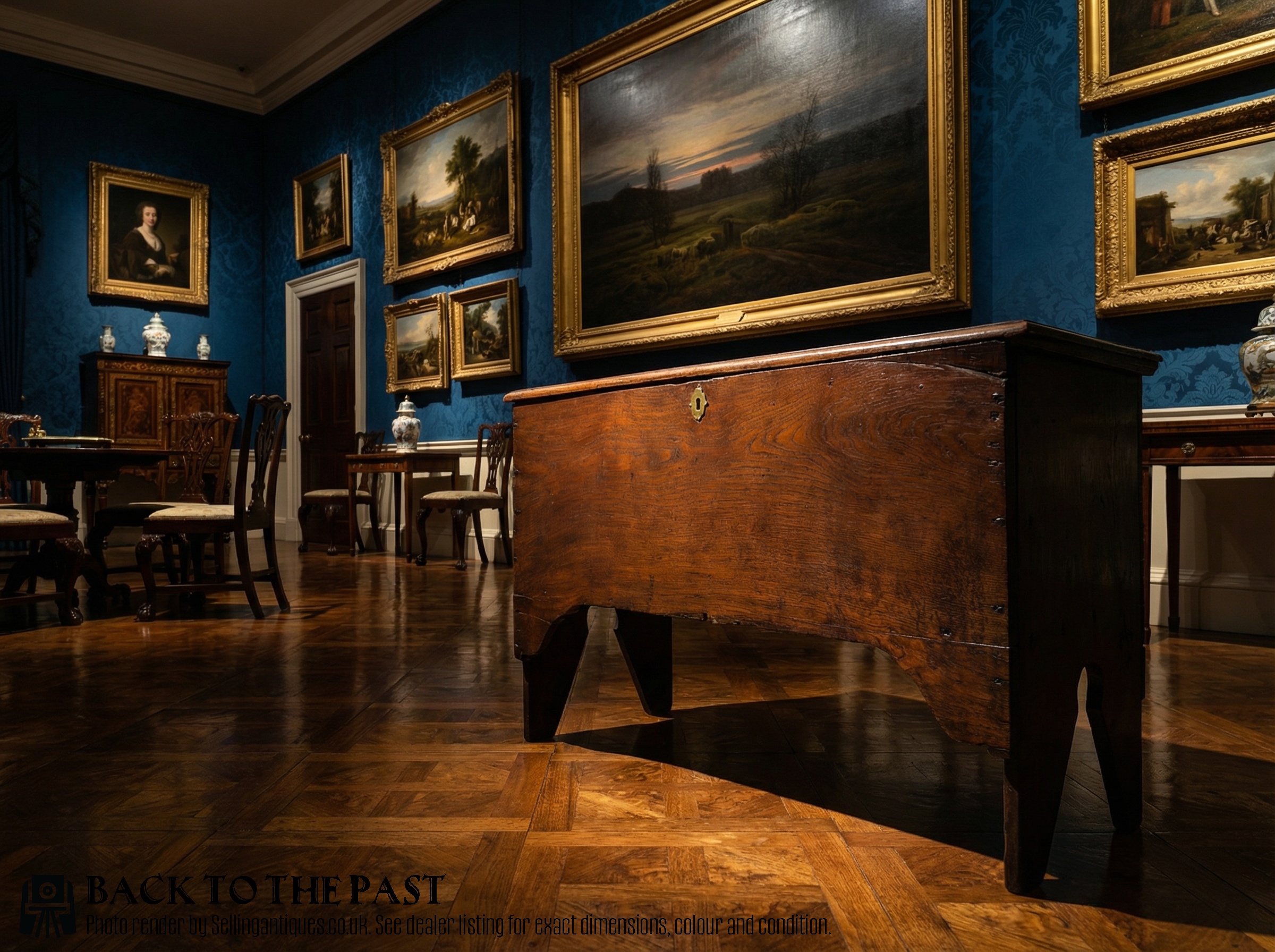
Antique Timber Blanket Box
An antique timber blanket box serves as a robust storage chest designed to protect household textiles and garments. When exploring these listings, buyers encounter forms spanning simple six-plank constructions to substantial dowry chests.
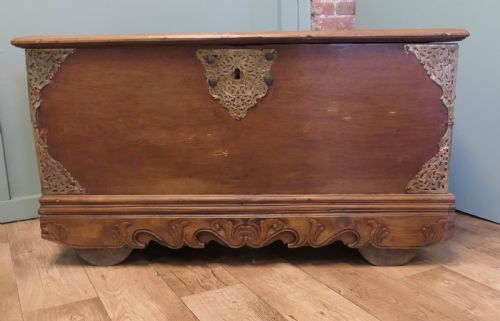
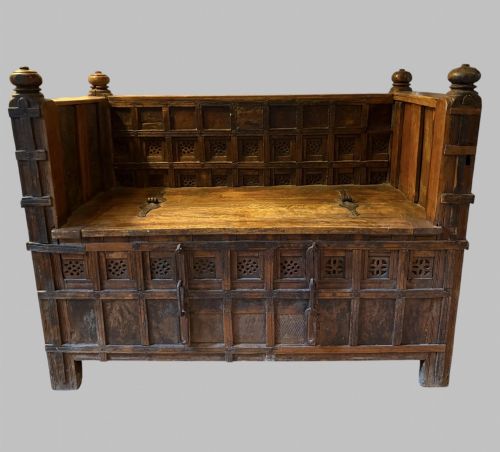
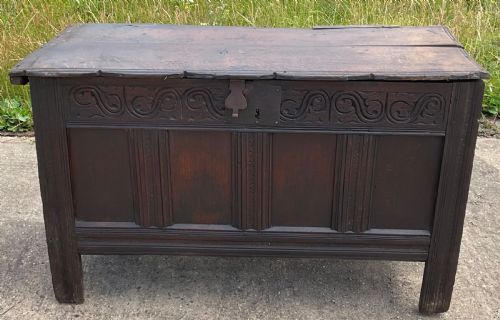
The pieces on this page originate from diverse regions and eras, ranging from seventeenth-century joined oak coffers to nineteenth-century camphor wood trunks and painted pine boxes. Such receptacles function equally well as practical storage and foundational interior furniture.
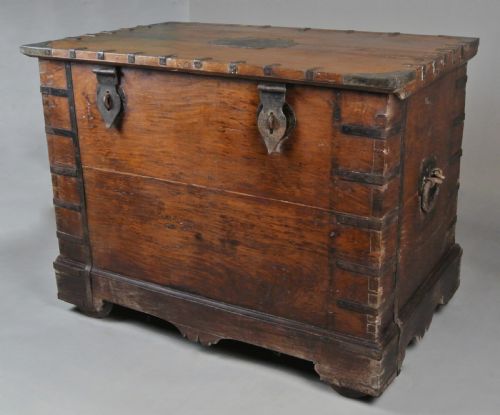
Makers utilised native and exotic timbers including elm, teak, cedarwood and walnut depending on the intended destination and period. Simple rustic country examples sit alongside heavily iron-bound campaign trunks and carved oriental storage chests.
How they were made
Construction relies heavily on traditional joinery methods such as six-plank assembly, panel framing and dovetailing using solid woods like oak, elm and pine. Iron hinges, brackets and brass binding reinforce the corners and lids of heavier trunks intended for travel or secure storage.
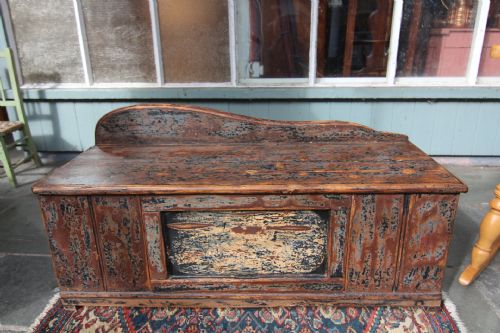
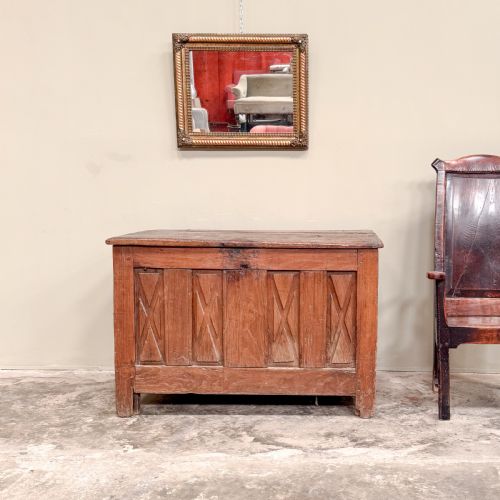
Surfaces receive varied finishes including natural wax on oak, applied paint on pine, black lacquer with chinoiserie, or deep carving on camphor wood and teak chests. The choice of material often reflects the geographic origin, from English oak to Anglo-Indian camphor and Chinese elm.
Antique Timber Blanket Box Retail Price Guide 2026
Typical asking prices for timber blanket box among the pieces listed under this phrase on Sellingantiques today, from the lower quarter to the upper quarter. They describe what is for sale here now, not the wider market.
Listings feature camphor wood, oak, pine, iron, brass, paint, elm and teak across periods ranging from the sixteenth century to the 1930s.
What varies in quality
The integrity of the timber and the preservation of original surfaces dictate the distinction between average and exceptional pieces. Early joined oak coffers displaying crisp moulding and original hinges command greater regard than heavily altered examples.
Hardware execution also separates standard boxes from superior ones, visible in robust brass bound corners on campaign trunks or intricate hand-carved panels on oriental dowry chests. The survival of original painted finishes or interior till boxes further elevates a piece.
The Antique Timber Blanket Box Glossary
- Coffer
- A heavy wooden chest traditionally used for storing valuables or documents. These sturdy boxes often feature hinged lids and plain or carved front panels.
- Mule chest
- A storage chest featuring one or more drawers built into the base beneath the main compartment. This form emerged in the seventeenth and eighteenth centuries to provide more accessible storage.
- Campaign chest
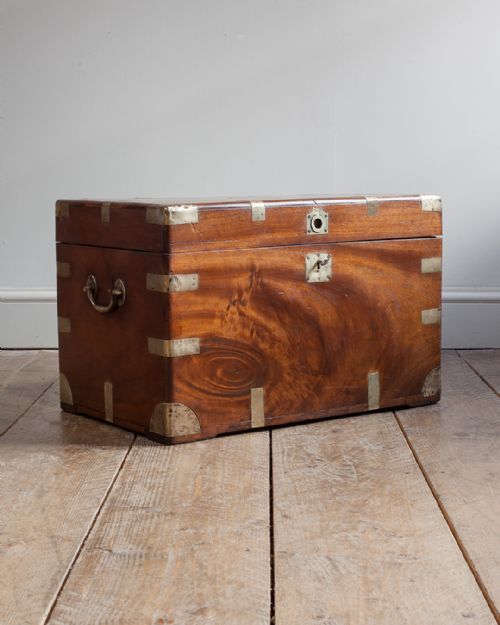
- A trunk designed for easy transport by military officers on active service. These pieces frequently feature brass reinforcement corners and recessed carrying handles.
- Six-plank
- A primitive form of chest constructed from six individual boards joined simply at the edges. This method represents some of the earliest surviving box construction techniques.
- Camphor wood
- An aromatic timber frequently utilised for storage chests due to its natural insect-repellent properties. The distinct scent helps protect stored woollens and blankets.
Antique Timber Blanket Box: Frequently Asked Questions
What is a blanket box used for?
These chests primarily served to store household linens, woollen blankets and garments safe from moths and damp. Today they function practically at the foot of a bed or as a coffee table with internal storage.
Their generous internal capacity accommodates bulky items while adding a grounding architectural element to modern rooms.
How do I date an oak coffer?
Dating relies on examining the construction methods, tool marks and joint types visible on the interior and exterior. Early pieces from the sixteenth and seventeenth centuries utilise hand-split timber and pegged mortise and tenon joints.
Later iterations display regular machine-sawn boards and standardised hardware that indicate nineteenth or twentieth-century manufacture.
Are camphor wood chests safe for clothes?
Camphor wood naturally repels insects and imparts a pleasant fragrance to stored textiles. Many owners line them or place delicate fabrics in cotton bags first to prevent direct contact with the aromatic oils.
The wood remains an effective traditional method for safeguarding woollens and blankets without chemical mothballs.
What is the difference between a coffer and a trunk?
A coffer usually denotes a heavy wooden box of joined or planked construction built for domestic storage. Trunks often imply a portable container designed for travel, frequently wrapped in leather, canvas or fitted with metal brackets.
Both categories overlap significantly in everyday terminology across different periods and geographic origins.