


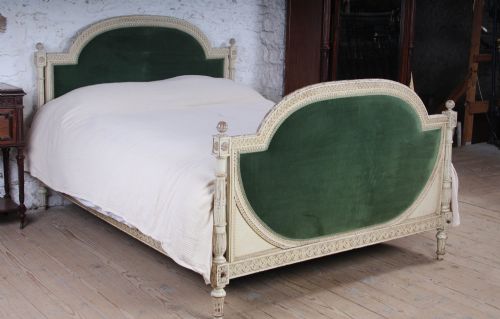


Antique Timber Bed Frame
An antique timber bed frame brings substance and history to a bedroom, offering solid construction and period character that modern furniture lacks.
Antique Timber Bed Frame
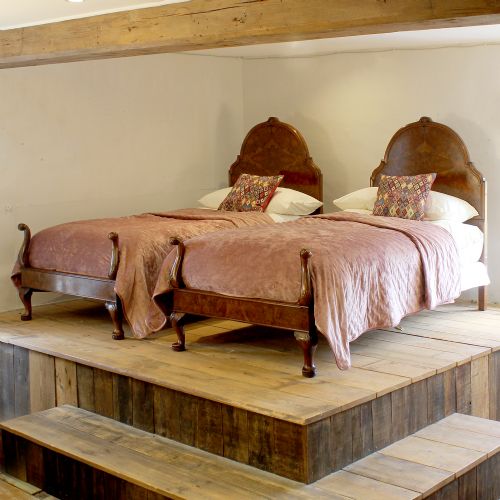
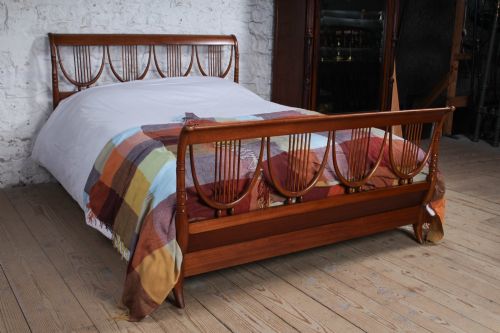
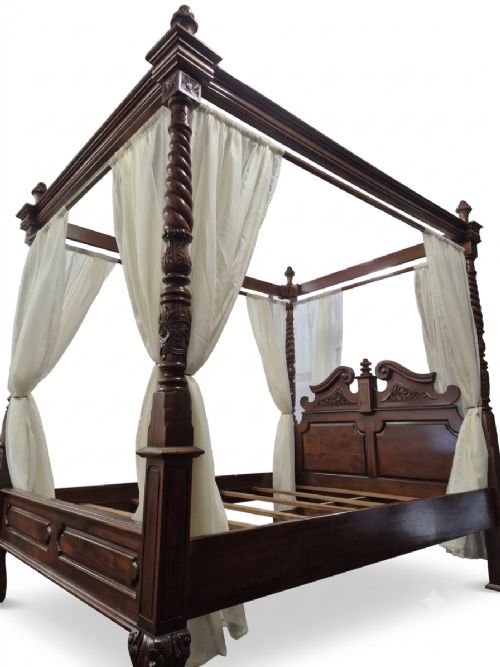
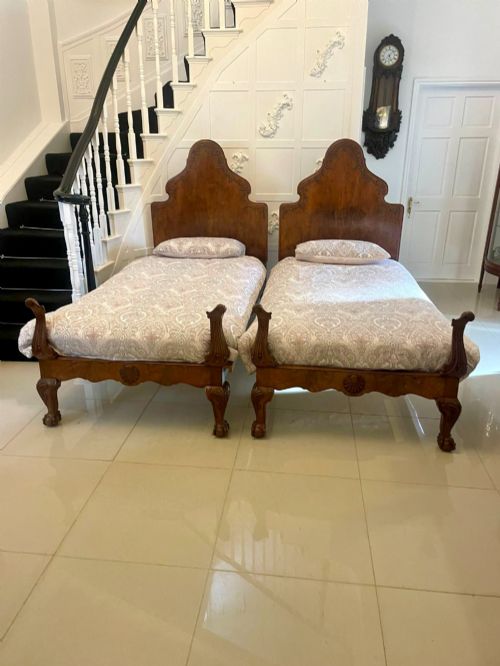
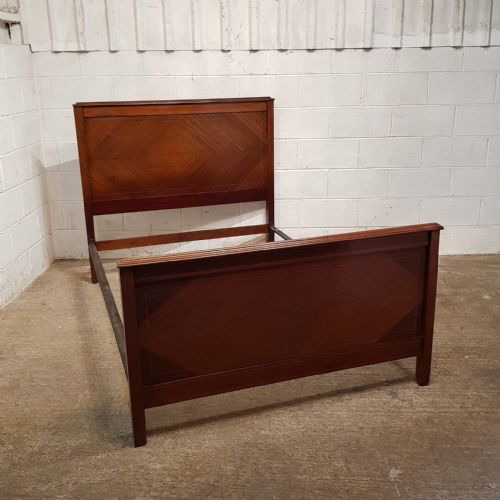
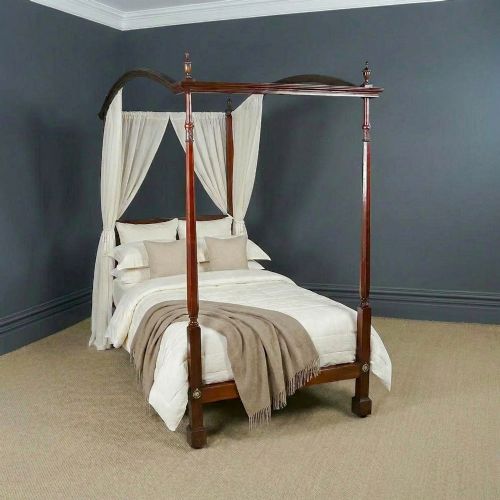
When you search for an antique timber bed frame, you encounter a wide selection of historical sleeping furniture spanning the nineteenth century through the early twentieth century. These pieces appear in various forms, including double, king size, single sizes, and four poster configurations.
The selection on this page includes styles such as Victorian, Edwardian, Arts and Crafts, Art Deco, and French revival designs. Walnut and mahogany dominate the timber choices, alongside fruitwood, sweet chestnut, satinwood, and hardwood.
Most examples originate from British and French workshops, encompassing grand carved headboards, simpler bedsteads, and daybeds. Buyers select these frames to anchor a bedroom with authentic period craftsmanship and substantial wood grains.
Materials and construction
Cabinetmakers constructed these frames using dense hardwoods like mahogany and walnut, frequently selecting burl or burr veneers for decorative surfaces. Joinery relied on traditional methods, ensuring structural stability across large double and king size proportions.
Carving, hand-painting, and marquetry define the surface ornamentation on many examples. Workshops also incorporated secondary materials such as brass, iron, and caning to complement the primary timber structures.
French design influences appear extensively, ranging from Louis XVI revival marquetry to hand-painted floral panels on nineteenth-century bedsteads.
Distinctions in quality
Quality in these frames rests upon the depth of the carving, the selection of figured timber veneers like plum pudding mahogany or burr walnut, and the integrity of the original joinery. Pieces bearing attribution to notable makers or specific design movements demonstrate higher craftsmanship.
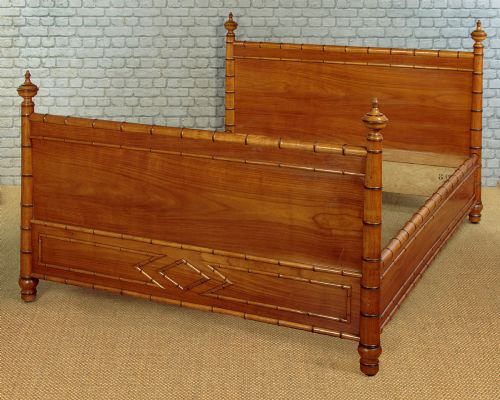
The balance of proportions and the refinement of subsidiary details, such as faux bamboo turnings or hand-painted floral panels, separate standard production bedsteads from exceptional examples.
Stanley Webb Davies·Oliver Morel·Heals of London·Shapland and Petter·Betty Joel·Howard and Sons
The Antique Timber Bed Frame Glossary
- Bedstead
- A framework of a bed consisting of headboard, footboard, and side rails. This term frequently appears interchangeably with bed frame in older listings.
- Four poster bed
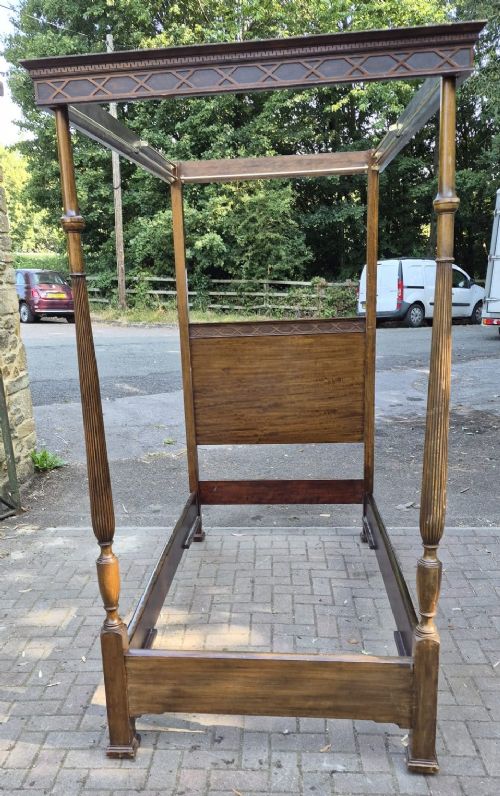
- A bed featuring four vertical columns that support an upper tester or canopy. These monumental pieces often display elaborate hand carving.
- Daybed
- A couch or chaise longue frame designed primarily for resting or lounging during the day. Examples date from the Regency period through the early twentieth century.
- Marquetry
- Decorative patterns formed by the insertion of pieces of wood into a veneer. This technique appears on French revival and continental bed frames.
Antique Timber Bed Frame: Frequently Asked Questions
Will an antique bed fit modern mattresses?
Many older beds were made to historical dimensions that differ slightly from standard modern mattress sizes. Buyers often check internal measurements carefully and may require custom mattress orders for a precise fit.
Supporting bed bases and modern slats can sometimes be adapted or integrated into the existing side rails to accommodate contemporary bedding safely.
How are antique timber beds assembled?
Most timber bed frames utilise traditional slot-in iron brackets, bed bolts, or wooden wedge joints connecting the headboard, footboard, and side rails. These systems allowed historical furniture to be easily dismantled for transport.
Checking the hardware during assembly ensures the frame remains square and stable under modern weight distributions.
How do I care for polished wood?
Maintaining antique timber requires simple dusting with a dry, soft cloth and avoiding silicone-based polishes that can build up over time. Natural beeswax applied sparingly helps preserve the finish and nourishes the wood grain.
Keeping the bed away from direct sunlight and radiators prevents the timber from drying out, cracking, or warping.
How do I identify Edwardian beds?
Edwardian beds often reflect lighter proportions and simpler lines compared to heavier Victorian styles, frequently drawing inspiration from eighteenth-century Georgian designs. Mahogany and satinwood appear frequently among these lighter aesthetic preferences.
Makers from this era, such as those working around nineteen hundred, balanced classical revival motifs with functional domestic scaling.