




Antique Tile Top Stand
An antique tile top stand brings functional utility and decorative ceramic artistry into daily living spaces, combining timber frames with glazed surfaces.
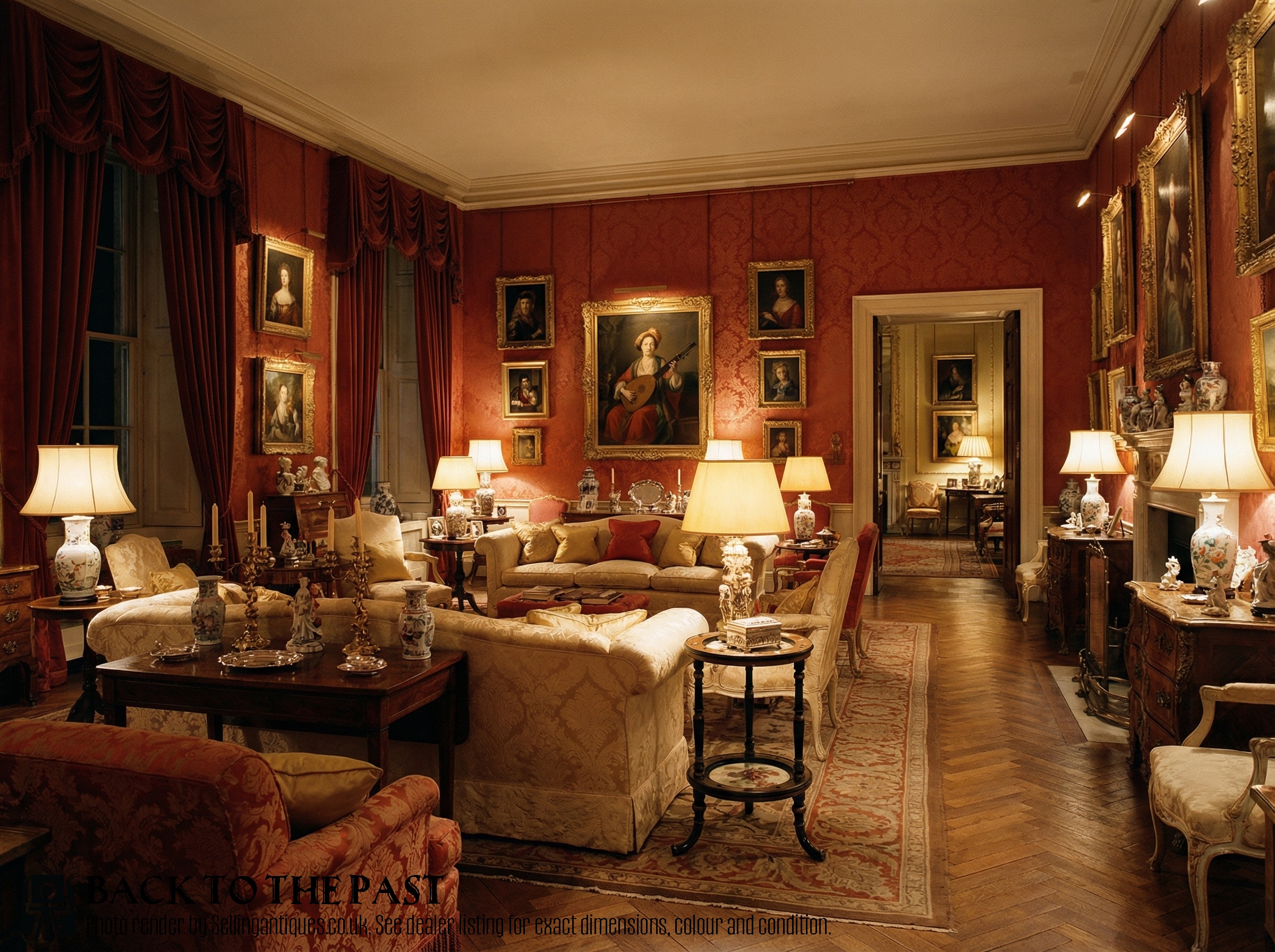
Antique Tile Top Stand
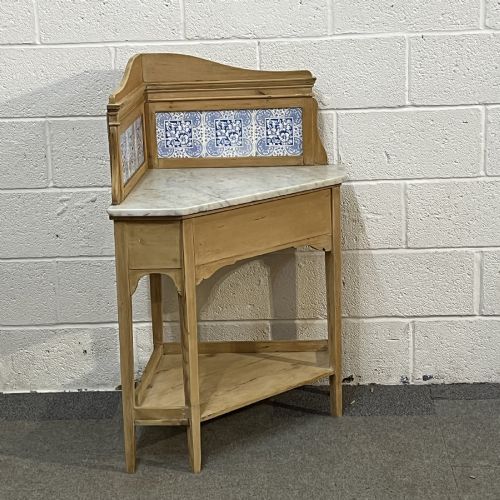
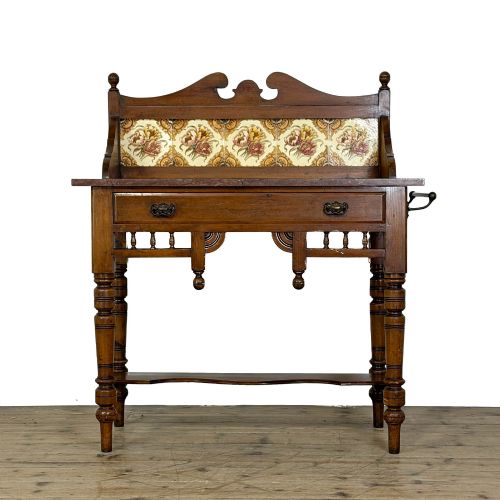
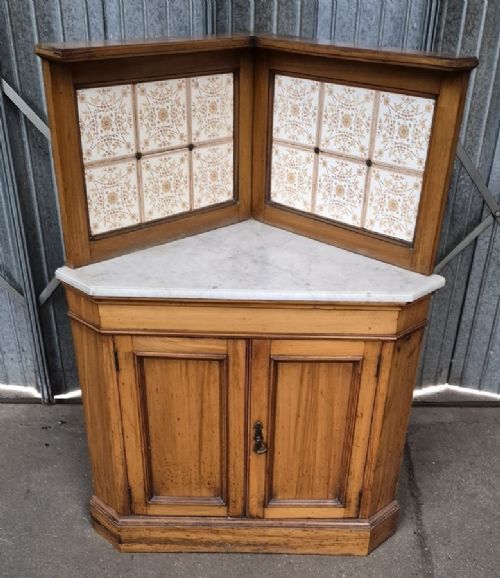
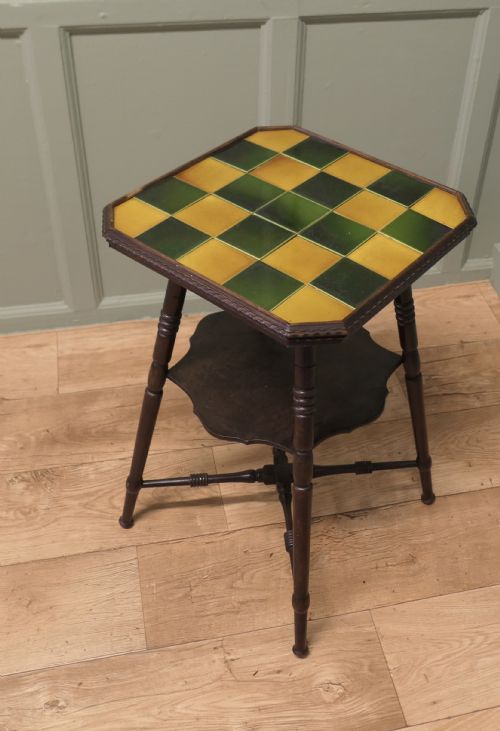
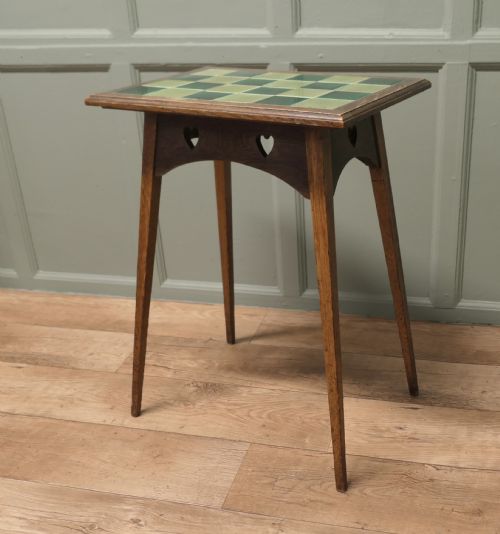
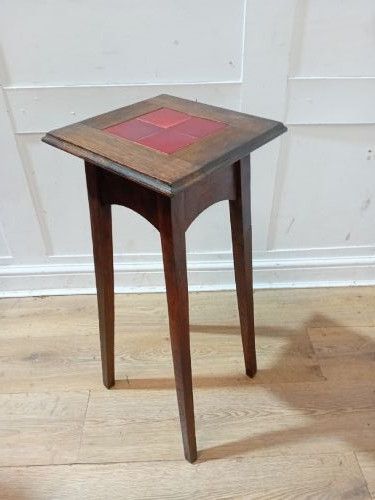
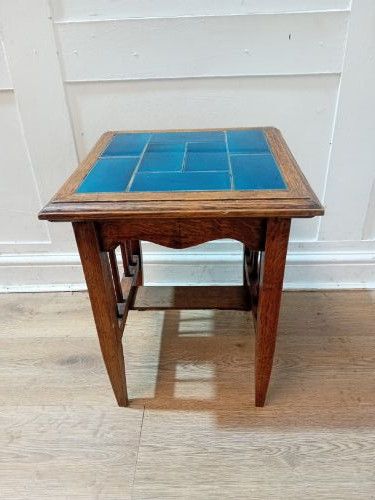
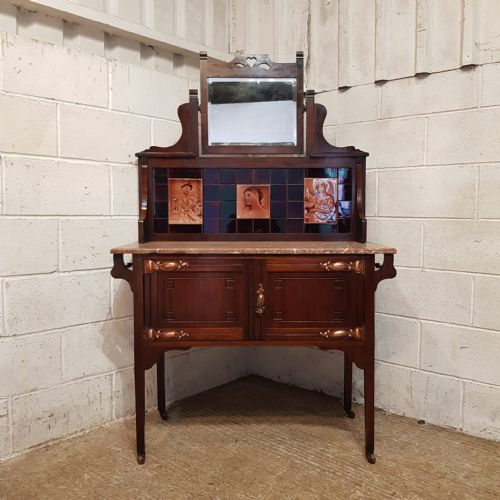
An antique tile top stand functions as a versatile piece of furniture designed for domestic use, frequently appearing in forms such as occasional tables, side tables, and washstands. Buyers searching for an antique tile top stand will encounter pieces originating from the Victorian and Edwardian eras, alongside items attributed to the Arts and Crafts and Art Nouveau movements.
The construction of these stands incorporates sturdy timber frameworks, predominantly oak and mahogany, fitted with decorative ceramic tiles or marble surfaces. These items served practical purposes in bedrooms, hallways, and living rooms, providing durable, heat-resistant surfaces that easily endured daily household tasks.
Assessing quality in construction and design
The quality of an antique tile top stand is determined by the selection of timber and the artistic merit of the ceramic tiles integrated into the frame. Superior examples feature quarter-sawn oak or fine mahogany, paired with specially commissioned tiles from notable makers or artistic movements like Arts and Crafts and Art Nouveau.
Joinery execution and the preservation of the original glazed surfaces distinguish finer specimens from standard utility furniture. Pieces that retain their original structural integrity, uncompromised tile glazes, and complementary hardware represent the upper tier of this category.
Antique Tile Top Stand Retail Price Guide 2026
Typical asking prices for tile top stand among the pieces listed under this phrase on Sellingantiques today, from the lower quarter to the upper quarter. They describe what is for sale here now, not the wider market.
Listings for this phrase frequently combine oak frames with ceramic tiles, spanning Victorian, Edwardian, and Arts and Crafts periods.
Liberty London·Shapland & Petter·Baillie Scott·Walker & Sons
The Antique Tile Top Stand Glossary
- Arts and Crafts
- A design movement emphasising handcraftsmanship, simple forms, and natural materials. This aesthetic heavily influenced the production of domestic furniture and decorative tiles during the late nineteenth century.
- Art Nouveau
- A stylistic movement characterised by organic, flowing lines, floral motifs, and asymmetrical designs. Pieces from this period frequently display distinctive, stylized tilework.
- Washstand
- A piece of bedroom furniture designed to hold a basin and pitcher, often featuring a tile splashback or marble top to protect walls from water splashes.
- Occasional table
- A small, versatile table intended for intermittent use in living spaces, frequently constructed with a tiled surface for heat resistance.
Antique Tile Top Stand: Frequently Asked Questions
What is an antique tile top stand used for today?
These stands function well as hallway tables, plant stands, or occasional side tables in modern living areas. Their durable surfaces make them practical for everyday placement of lamps and decorative objects.
They bring period character and useful surface space into contemporary interiors without requiring specialised maintenance beyond standard wood and ceramic care.
How do I distinguish Victorian from Edwardian stands?
Victorian stands tend to feature heavier proportions, darker woods, and more ornate carving or decorative detailing. They often reflect revival styles or robust industrial manufacturing.
Edwardian examples generally present lighter forms, simpler lines, and brighter timbers like satinwood or lighter oak, aligning with the shift towards airier domestic interiors.
Are the tiles on these stands heat resistant?
Most ceramic and glazed tiles fitted into these stands were originally chosen for their ability to withstand warm washing water and heated vessels. This makes them naturally suited for use as plant stands or smoking tables.
Care should still be taken with extreme thermal shocks, as century-old glazes can develop fine craze lines over prolonged use.
How should I clean and maintain the tiled surface?
Maintenance requires only a damp cloth with mild soap to remove dust and surface grime from the glazed tiles and wooden framework. Harsh chemical cleaners can damage historical grout and varnish.
Applying a traditional beeswax to the wooden sections periodically helps preserve the finish and nourishes the older timber.