




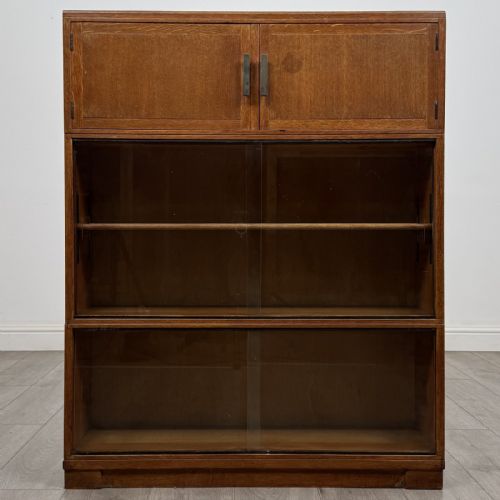
Antique Tiered Shelving
Antique tiered shelving brings multi-level display and storage into a room, offering practical elegance through stacked platforms designed for books and ornaments.
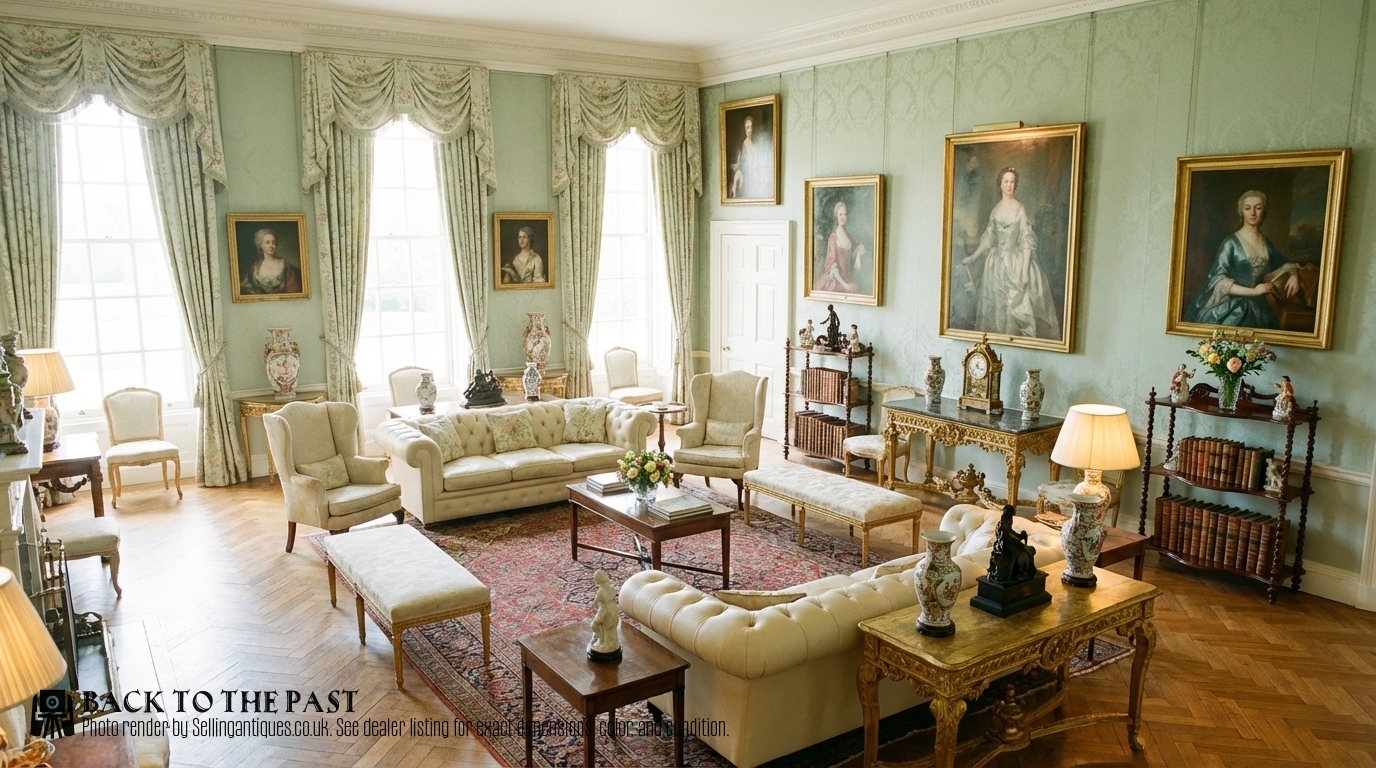
Antique Tiered Shelving
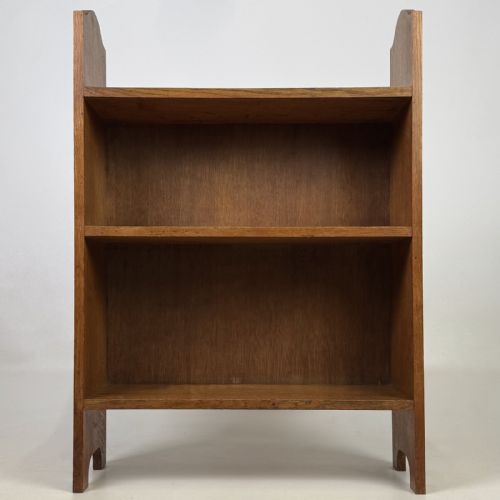
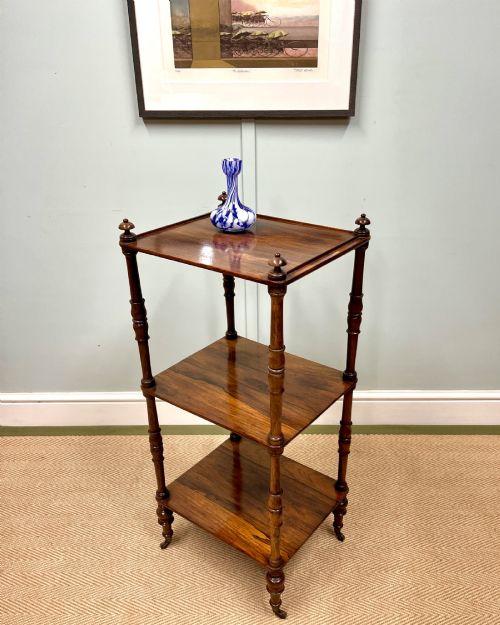
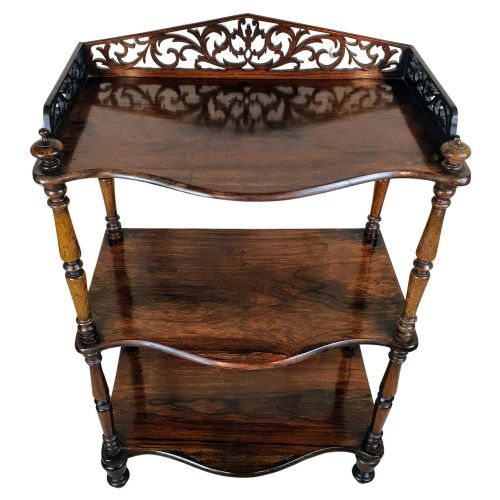
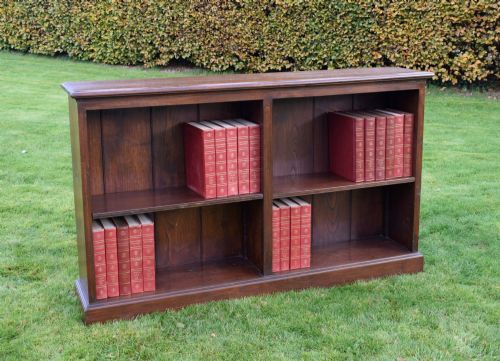
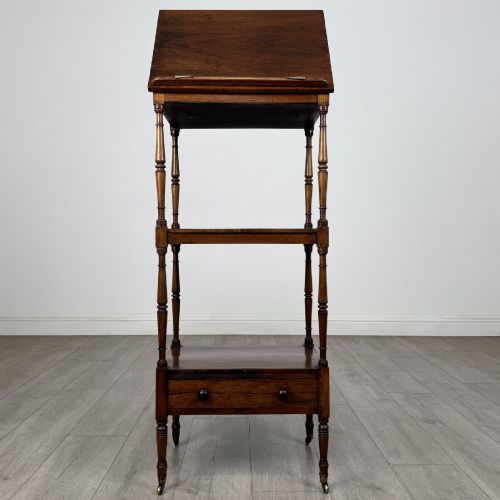
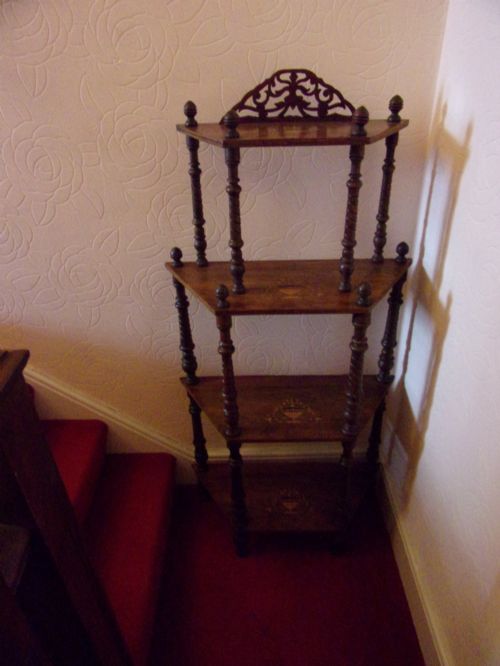
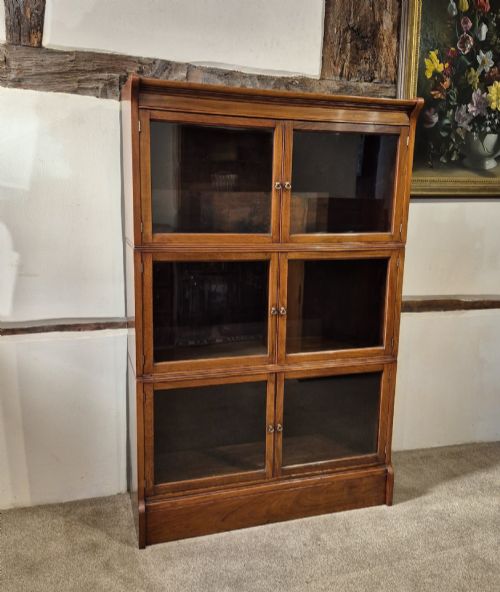
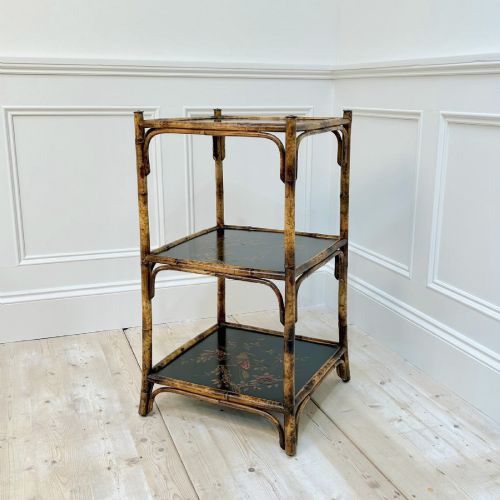
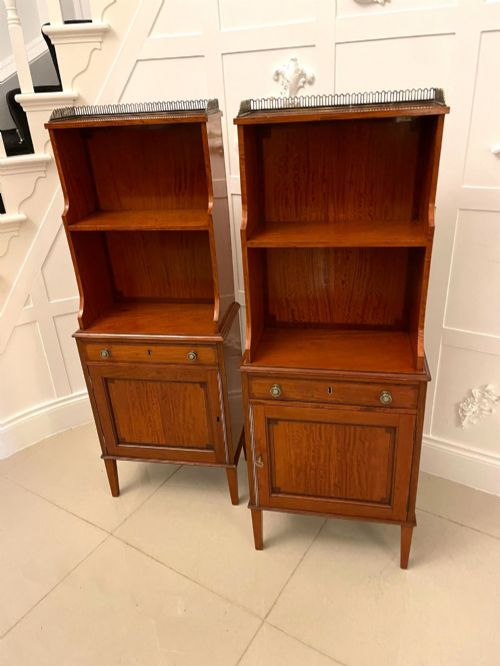
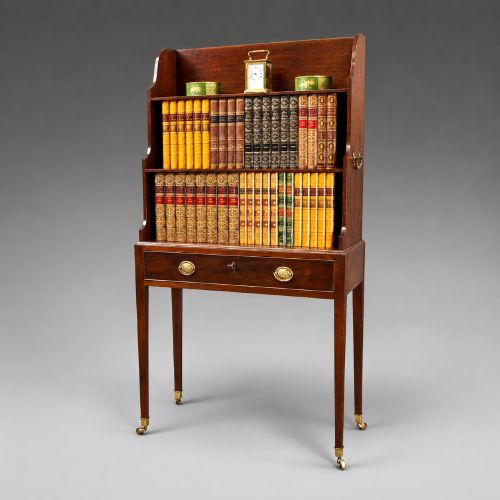
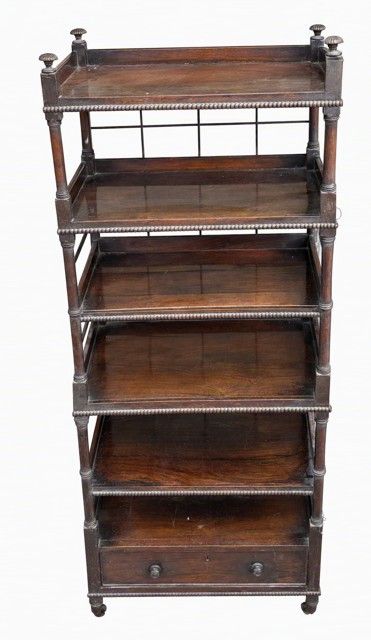
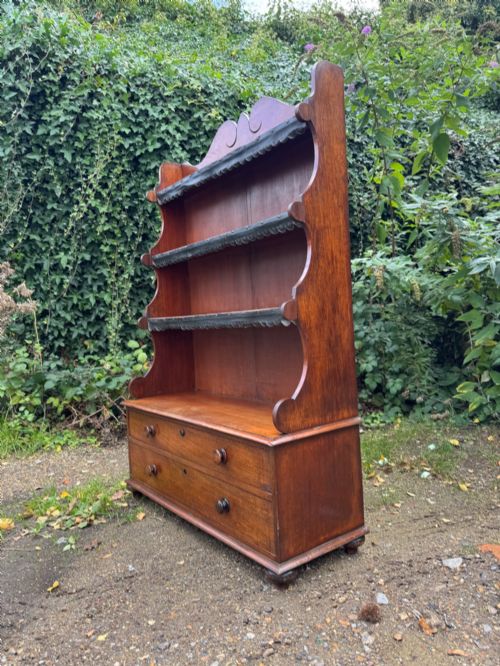
When you search for antique tiered shelving, you look at a practical form of multi-level furniture designed to hold books, display ornaments, and organise interiors. These pieces appear in several forms across this page, predominantly as whatnots, etageres, wall-hanging shelves, and open bookcases.
The objects span multiple periods from the Georgian and Regency eras through the Victorian and Edwardian decades up to the 1920s. You meet them in freestanding formats with stacked platforms or corner layouts, as well as wall-mounted versions constructed to maximise floor space.
How these pieces were made
Craftsmen built these tiered pieces primarily in timbers such as mahogany, oak, walnut, burr walnut, and rosewood, frequently incorporating brass details and ebonised wood finishes. They joined tiers using turned columns, barley twist supports, or side panels that securely held each shelf in a fixed horizontal plane.
Makers selected figured veneers like burr walnut or dense hardwoods like padauk for decorative impact on visible surfaces. Construction techniques involved precise joinery to ensure stability across multiple stacked levels, whether the piece stood on the floor or hung from a wall.
Antique Tiered Shelving Retail Price Guide 2026
Typical asking prices for tiered shelving among the pieces listed under this phrase on Sellingantiques today, from the lower quarter to the upper quarter. They describe what is for sale here now, not the wider market.
An industrial shoe trolley from the 1920s sneaks into the shelving lineup, proving Victorians were not the only ones stacking things.
What varies in quality
Quality in these multi-tiered units depends upon the selection of timber figures, such as the richness of burr walnut or the depth of mahogany grain. Superior examples exhibit refined turning on supports and tight, seamless joints where each shelf meets the upright structures.
Design ambition separates standard utility pieces from exceptional items, with finer pieces featuring serpentine shaping, parcel gilding, or integrated cabinet enclosures. The integrity of the original surfaces and the balance of the stacked proportions dictate the overall standard of the construction.
Heals·Gillows
The Antique Tiered Shelving Glossary
- Etagere
- A French-derived term for a set of ornamental tiered shelves designed for display. These items often incorporate fine timbers like rosewood or ebonised wood.
- Waterfall bookcase
- A tiered bookcase featuring shelves that step back progressively from bottom to top. This design creates a sloping profile reminiscent of cascading water.
- Barley twist
- A type of turned wooden support carved in a helical spiral pattern. Makers frequently utilised this decorative motif on the upright posts of Victorian whatnots.
- Padauk
- A heavy, dense exotic hardwood known for its rich reddish-brown colour. Cabinetmakers utilised this material for constructing large hanging shelves.
Antique Tiered Shelving: Frequently Asked Questions
What is an antique whatnot?
An antique whatnot is a multi-tiered piece of freestanding furniture designed specifically for displaying small decorative objects and books. The form gained popularity during the Georgian and Victorian periods as domestic spaces required specialised display units.
These pieces typically feature three or more platforms held apart by turned uprights or columns. Their open construction allows items placed upon them to be viewed from multiple angles within a room.
Where should I place wall hanging shelves?
Wall hanging shelves suit smaller rooms or narrow corridors where floor space remains at a premium. They mount securely to walls to hold books, plates, or small collections without crowding the living area.
Positioning them at eye level in a study or hallway allows you to utilise vertical wall space effectively. Ensure the wall fixings match the substantial weight of dense timbers like mahogany or oak.
What timber was used for etageres?
Cabinetmakers constructed etageres using a variety of decorative fine woods including rosewood, walnut, burr walnut, and ebonised wood. These materials often featured contrasting brass mounts or inlay to highlight the tiered structure.
The choice of timber typically reflects the period of manufacture, with Regency and Victorian examples favouring dark, highly polished tropical hardwoods and burr veneers.