


Victorian Whatnot Stand
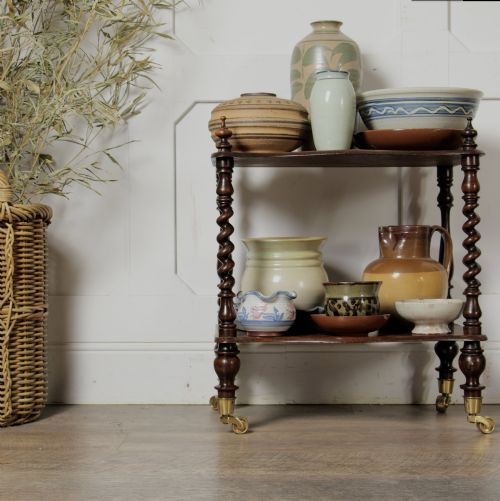
A victorian whatnot stand brings layered tiers of timber and brass into a room to hold books, ceramics and ornaments with effortless grace.
Victorian Whatnot Stand
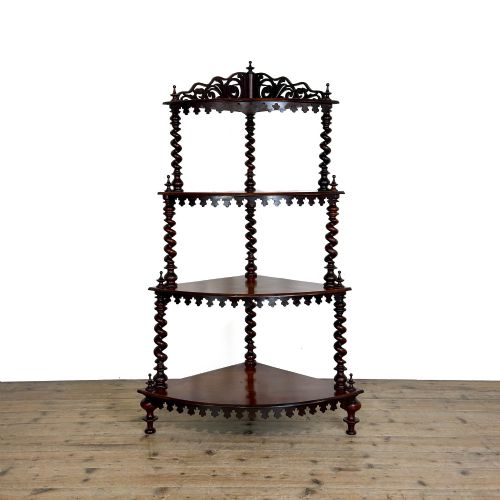
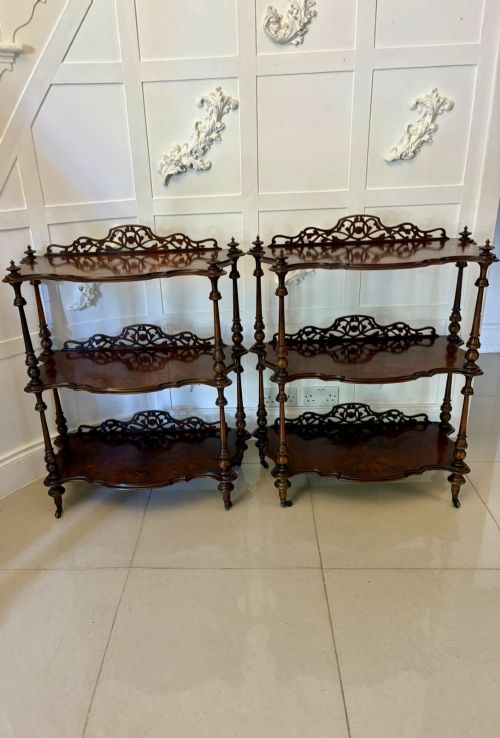
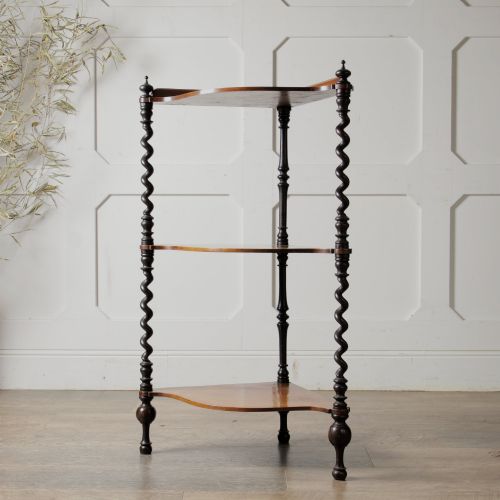
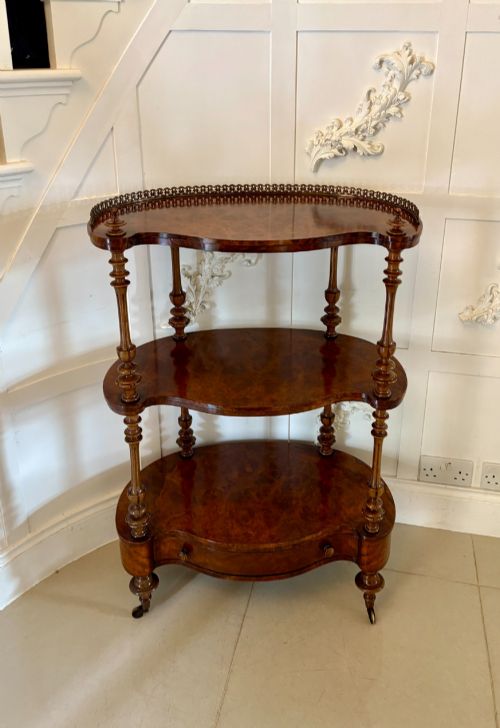
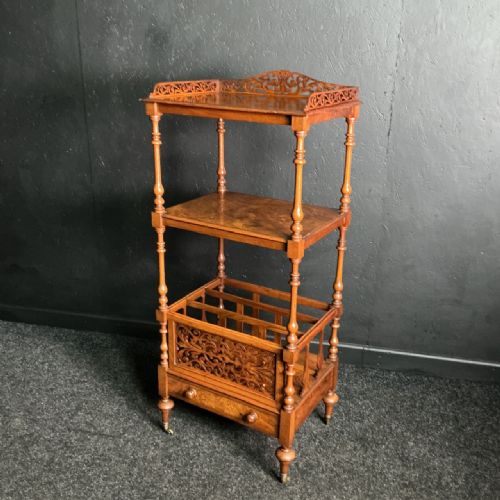
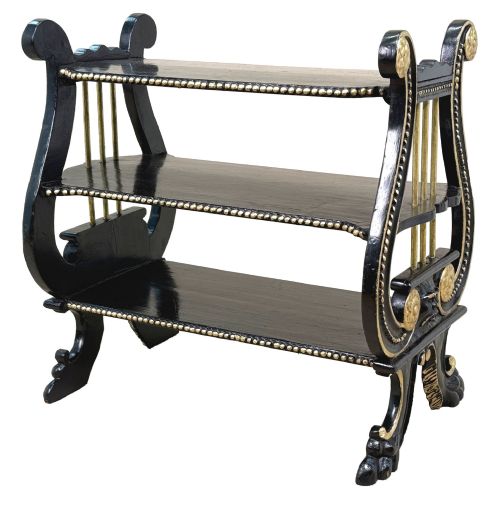
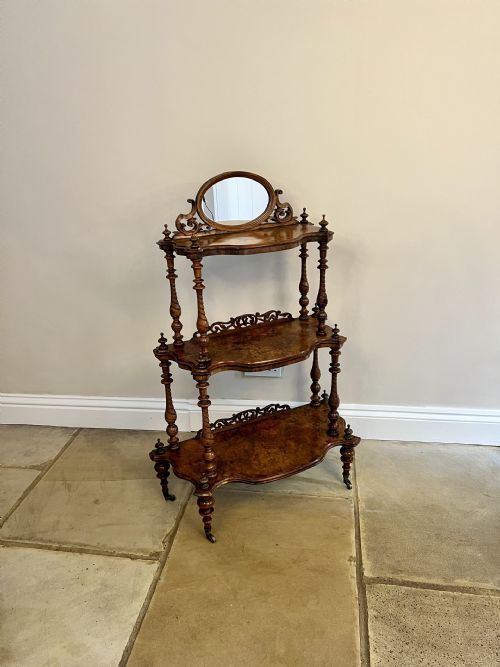
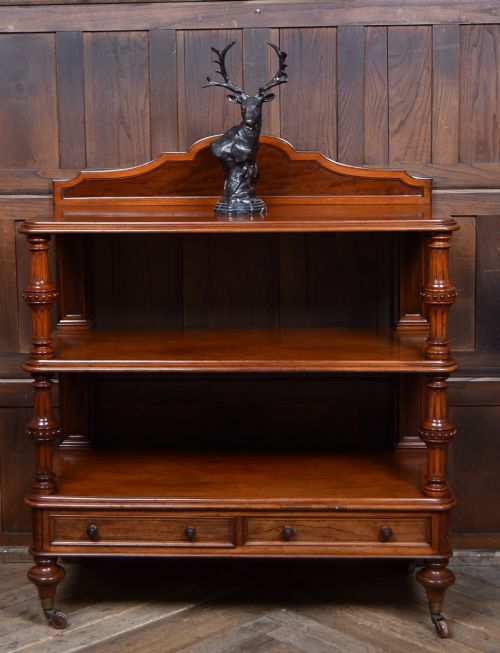
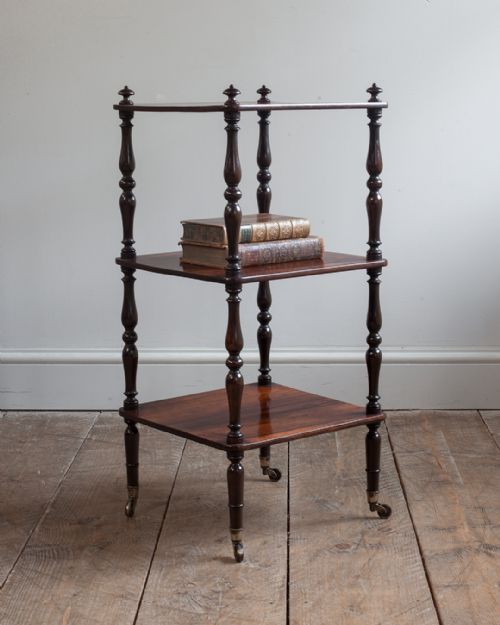
A victorian whatnot stand takes the form of tiered shelving units, freestanding étagères and corner units designed to display ornaments and hold books. These open pieces emerge primarily from the nineteenth century, spanning various cabinet-making traditions from simple mahogany designs to serpentine burr walnut creations.
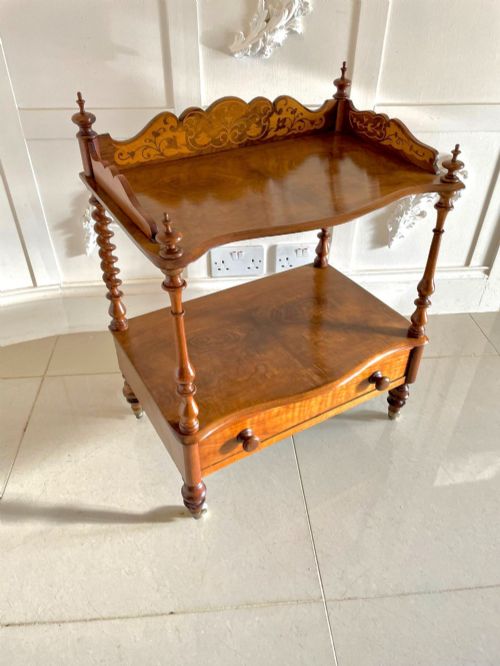
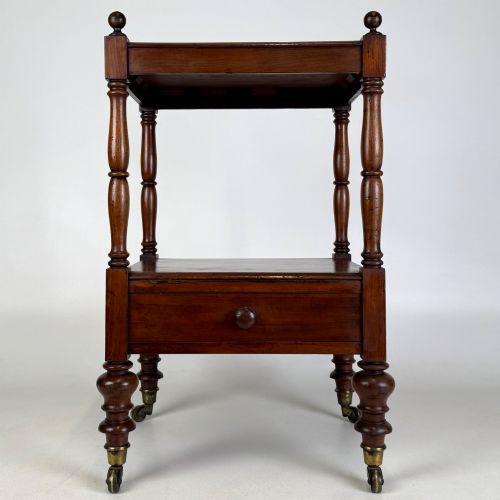
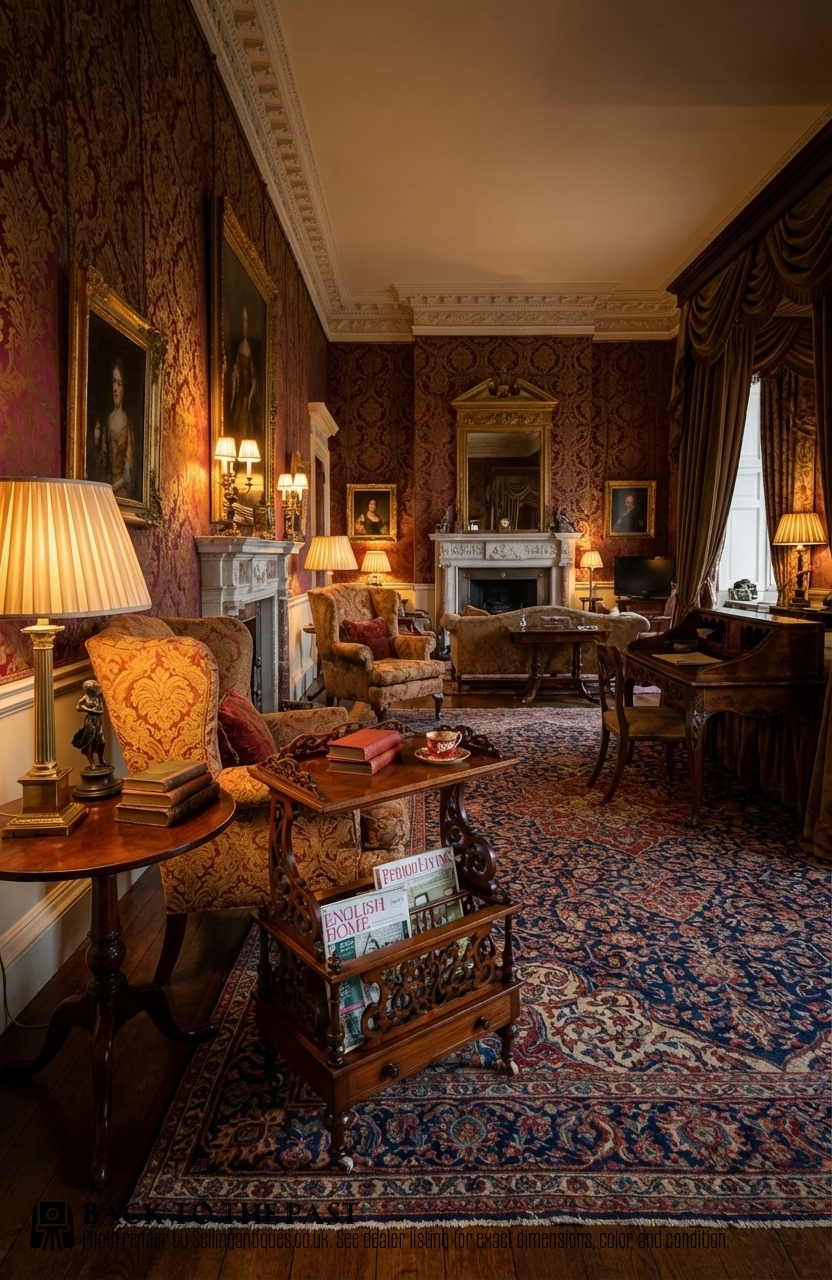
The evidence shows these stands appearing in multiple configurations, including freestanding tables with lower partitions, tall four-tier structures, and specialised combinations incorporating music racks and storage drawers. Corner shelves also feature heavily, offering a way to utilise domestic spaces efficiently.
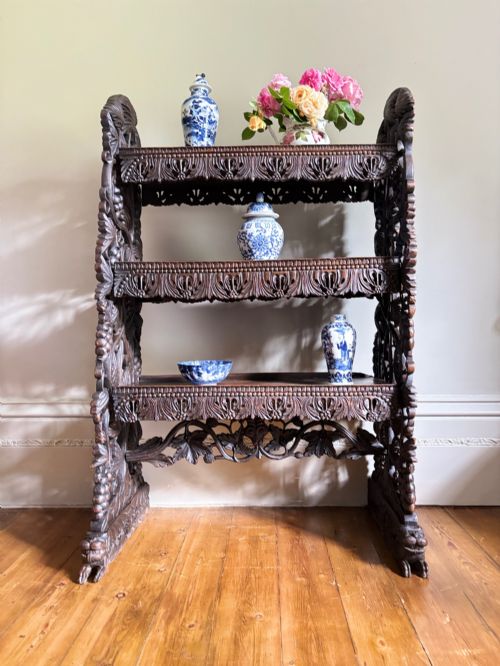
Makers and workshops adapted these multi-tiered formats to suit changing Victorian interiors, producing both modest utility pieces and exhibition-quality items decorated with marquetry and fine brass details. The search phrase covers everything from diminutive bedside tables to large, imposing display stands.
Materials and Construction
Cabinet-makers relied on rich hardwoods, employing mahogany, rosewood and burr walnut as the primary surfaces for these multi-tiered structures. Ebonised wood, bamboo and padauk also appear, showing a diverse palette of materials utilised across different workshops.
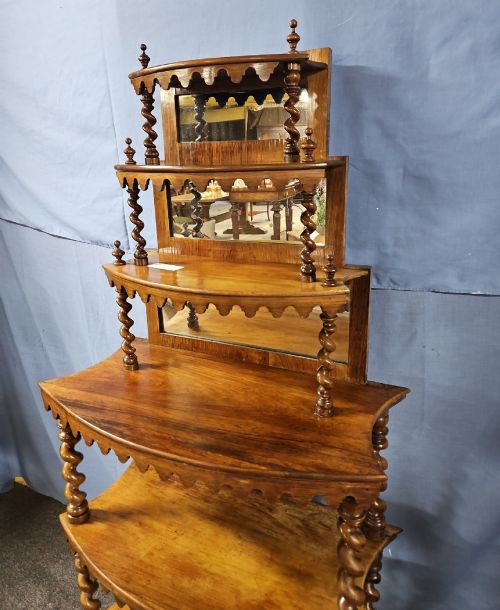
Structural elements frequently incorporate turned supports, barley twist columns and brass castors to connect the multiple shelves. Marquetry inlay, gilt metal mounts and carved details complete the construction of the finer examples recorded in the archive.
Victorian Whatnot Stand Retail Price Guide 2026
Typical asking prices for victorian whatnot stand among the pieces listed under this phrase on Sellingantiques today, from the lower quarter to the upper quarter. They describe what is for sale here now, not the wider market.
The inventory records pieces built across the nineteenth and early twentieth centuries, from William IV to the Aesthetic Movement.
Markers of Excellence
The choice of timber underpins the distinction between standard items and exceptional pieces, with figured burr walnut and dense rosewood commanding higher regard than plain pine or secondary woods. Selection of veneer and the crispness of marquetry inlay further elevate the visual presence of a stand.
Engineering touches such as serpentine shaping, integrated drawers, sturdy barley twist columns and quality brass hardware separate ambitious pieces from basic utility items. The precision of the joinery on multi-tiered uprights dictates the overall stability and enduring appeal of the furniture.
Samson and Son London·Leonard Wyburd for Liberty and Co
The Victorian Whatnot Stand Glossary
- Étagère
- A French-derived term for a piece of furniture consisting of a set of open shelves for displaying small objects. These often share characteristics with standard English multi-tiered stands.
- Canterbury
- A low multi-tiered stand featuring upright partitions originally designed to hold sheet music, newspapers or folios. Many examples incorporate a small drawer or a lower shelf.
- Marquetry
- Decorative veneer work where pieces of various woods, shell or ivory are fitted together to form pictorial or geometric patterns on the surface. This technique appears on high-end Victorian display furniture.
- Serpentine
- A curved line of furniture moulding or shelving that undulates outward in the centre and curves inward at the sides. This contour denotes superior craftsmanship.
Victorian Whatnot Stand: Frequently Asked Questions
What is a victorian whatnot stand used for?
These pieces function primarily as display furniture for ornaments, ceramics, and small decorative items across multiple open tiers. They provide a practical surface for books and everyday objects while adding vertical interest to a room.
Historically, they served versatile roles in parlours and drawing rooms, holding everything from sheet music in integrated partitions to general household miscellany. Today, they remain practical for organising collections in contemporary living spaces.
How do I tell a corner whatnot from a standard one?
Corner variants feature wedge-shaped shelves designed to fit directly into the ninety-degree angle of a room. Standard freestanding versions possess square, rectangular, or serpentine edges and require placement against a flat wall.
Both types utilise supporting columns and multiple tiers, but the framing of a corner piece tapers sharply toward the back. This structural difference dictates how the furniture interacts with the surrounding floor plan.
What woods were used for these stands?
Cabinet-makers predominantly utilised walnut, burr walnut, mahogany, and rosewood for nineteenth-century tier stands. More exotic woods like padauk also appear alongside ebonised finishes and bamboo frames.
Finer examples frequently showcase highly figured burr veneers paired with contrasting inlay work. Secondary timbers such as pine or oak were typically reserved for interior drawer linings and unseen structural supports.
How do I care for antique wood furniture?
Maintain the finish by keeping the timber away from direct sunlight and sources of extreme heat or humidity. Regular dusting with a soft, dry cloth preserves the polished surface without building up residue.
Apply high-quality beeswax sparingly when the wood appears dry, buffing it gently to a natural sheen. Avoid modern silicone sprays, which can penetrate porous antique finishes and damage the timber over time.