

Antique Tier Occasional Table
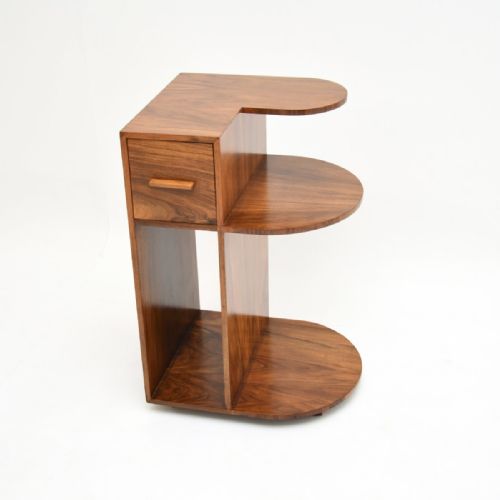
An antique tier occasional table serves as a versatile piece of furniture designed for display and convenience in period interiors.
Antique Tier Occasional Table
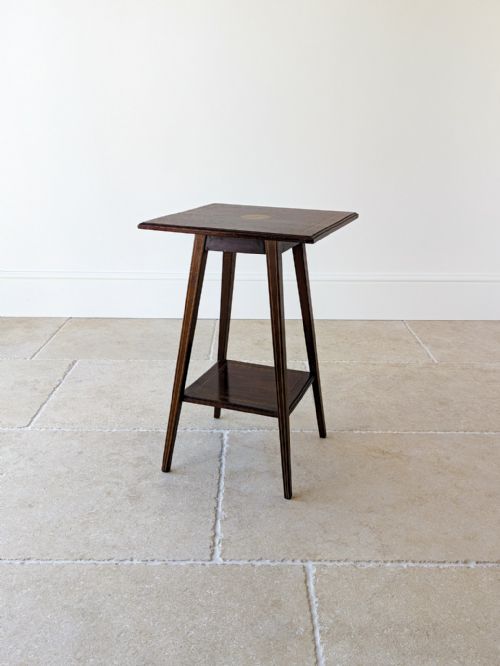
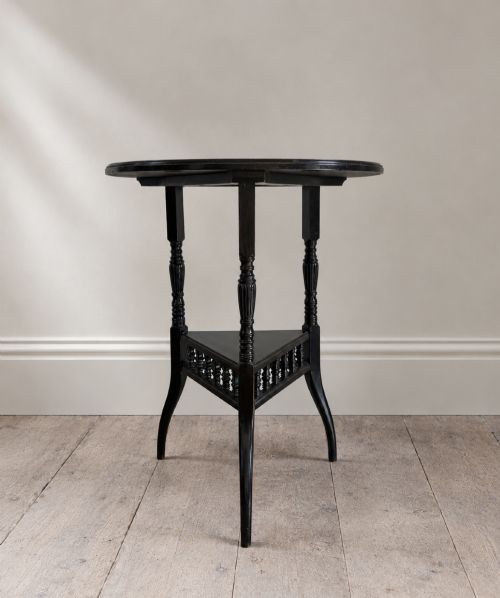
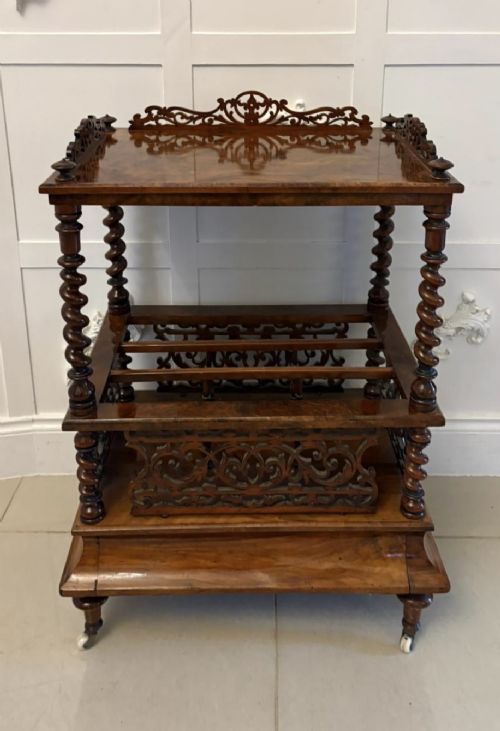
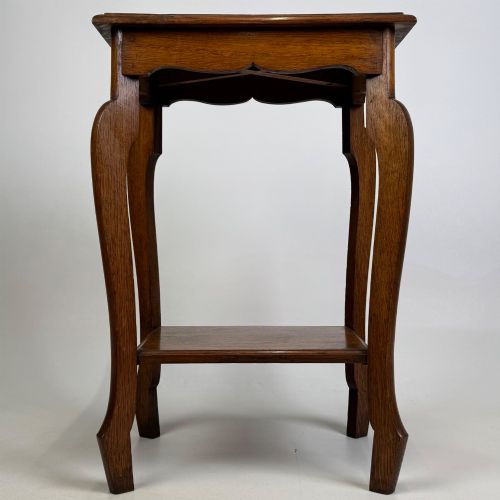
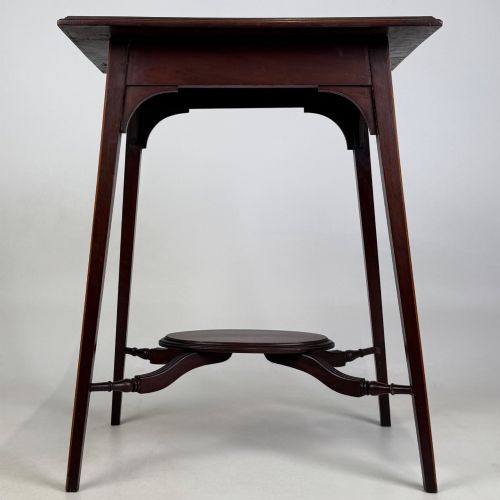
An antique tier occasional table brings multiple levels of surface area to smaller living spaces, offering practical spots for lamps, books, or decorative objects. The pieces appearing most frequently across these records span the Victorian and Edwardian eras, often taking the form of two-tier or three-tier designs made from timber.
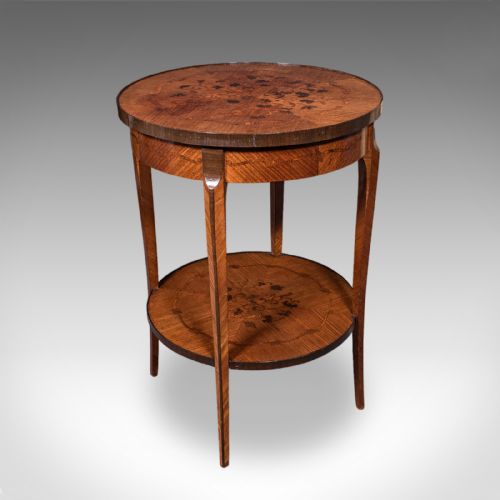
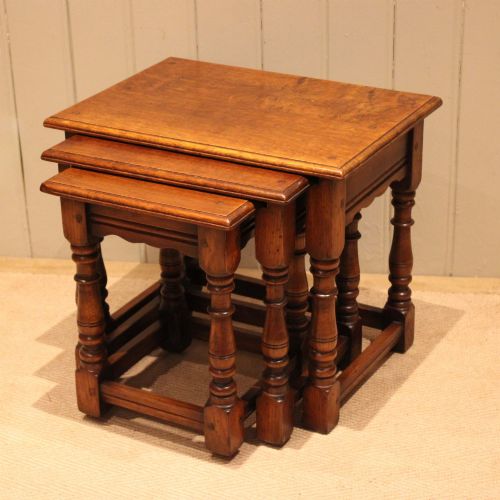
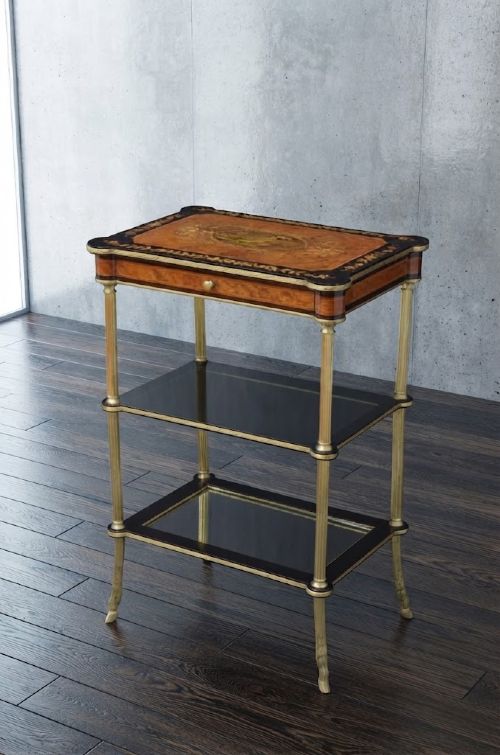
Makers produced these tables in various configurations, including bamboo frames, nest of tables arrangements, and etageres with shelving. Buyers encounter diverse regional influences and aesthetic movements, ranging from plain oak utility to ornate French marquetry.
How They Were Made
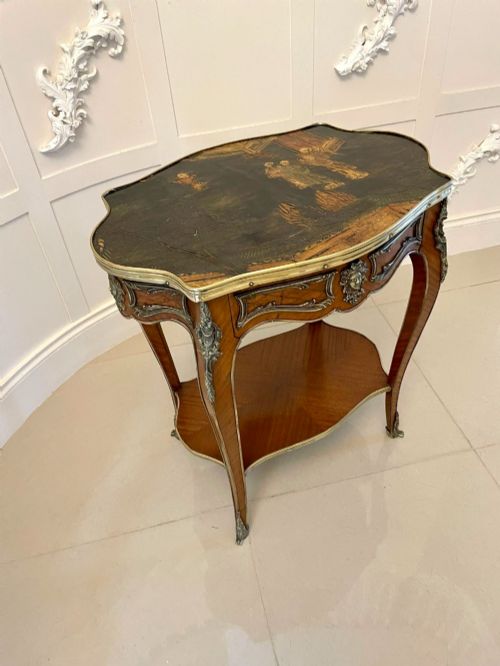
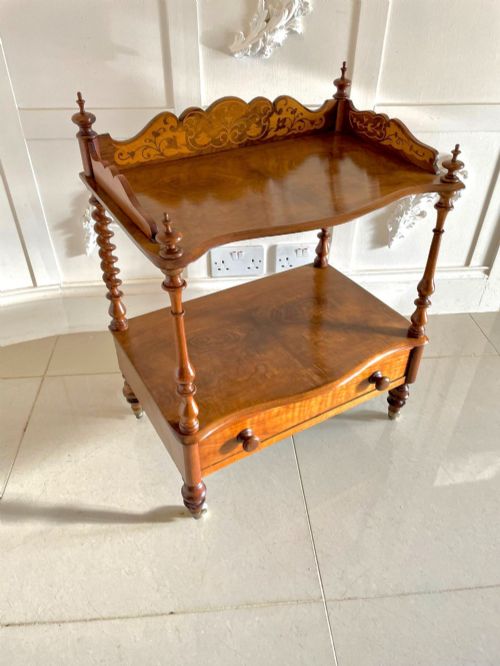
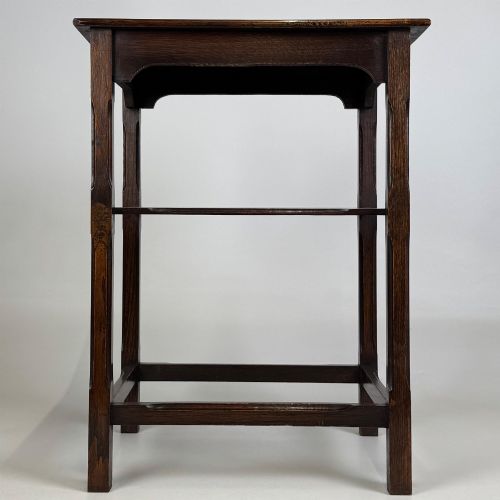
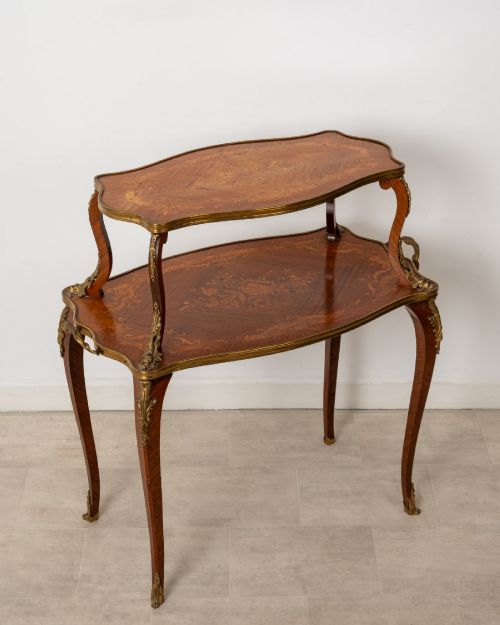
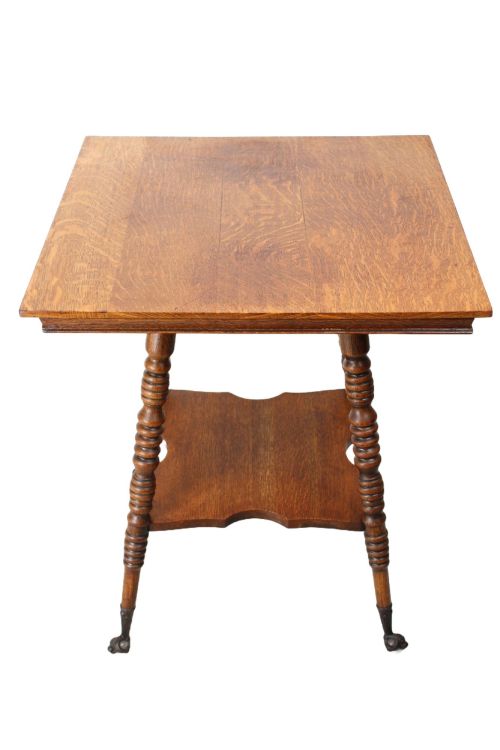
Craftsmen utilised solid timbers and wood veneers such as mahogany, walnut, oak, and kingwood to construct the frames and tiers of these occasional tables. Structural elements frequently incorporated turned wooden legs, brass mounts, or ormolu detailing to elevate the decorative scheme.
Specialised techniques included marquetry inlay, parcel gilt decoration, and lacquer work, particularly on bamboo frameworks and French-influenced etageres. Joinery methods relied on traditional mortise and tenon joints to secure multiple shelves and upright supports.
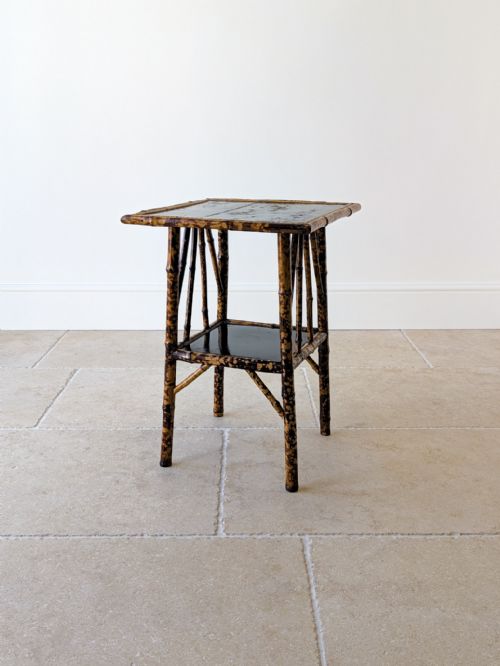
Victorian bamboo tables bring a charming touch of botanical exoticism straight into the Victorian sitting room.
What Varies in Quality
The degree of refinement in the timber selection and veneer matching defines the upper tier of quality, distinguishing cabinet work from simpler production. Superior examples display precise inlay work, balanced proportions, and substantial metal mounts rather than cast metal shortcuts.
Structural integrity and the retention of original surface finishes separate well-preserved specimens from heavily restored or altered pieces. The complexity of the multi-tier design also dictates value, with intricate bamboo framing or multiple graduated shelves requiring high levels of joinery skill.
EW Godwin·Mallett of London·Gregory and Co·Gillows
The Antique Tier Occasional Table Glossary
- Etagere
- A set of open shelves or tiers designed for displaying small objects and ornaments. These pieces typically feature slender uprights and multiple levels.
- Marquetry
- Decorative veneer work formed by fitting together small pieces of wood, shell, or ivory to create pictorial designs on a surface. Craftsmen applied this technique extensively on tabletops.
- Ormolu
- Gilded bronze mounts applied to furniture for decorative effect during the eighteenth and nineteenth centuries. This material signals high-status Continental and revival pieces.
- Canterbury
- A low stand featuring slatted partitions for holding sheet music or magazines, often combined with an occasional table top. Victorian makers favoured this dual-purpose form.
- Cricket table
- A small three-legged round wooden table originating in the eighteenth century. These sturdy items typically feature an under tier for storage.
Antique Tier Occasional Table: Frequently Asked Questions
What is an antique tier occasional table used for?
These tables provide supplementary surface space in sitting rooms and hallways for holding lamps, books, and decorative objects without dominating the room. The additional tiers offer extra display areas or storage shelves.
Historically, they functioned as tea tables, lamp stands, or bedside furniture depending on their height and configuration.
How do I identify a Victorian tier table?
Victorian examples often feature dark timbers like mahogany and walnut, or utilise bamboo construction with Oriental influences popular during the late nineteenth century. Look for turned legs, rich grain patterns, and substantive weight.
Later Edwardian versions tend to display lighter mahogany or inlaid satinwood decoration with more slender proportions.
Are bamboo tier tables sturdy?
Bamboo furniture from the Victorian period uses natural bamboo stalks assembled with pinned joints and lacquer finishes. While appearing delicate, well-made examples remain remarkably resilient.
Owners should keep them away from excessive moisture to preserve the original black lacquer and cane bindings.
Where should I place a multi-tier table?
Multi-tier tables suit corners, spaces beside armchairs, or open hallway areas where vertical display space is required rather than a large floor footprint. Their finished backs also allow freestanding placement in the centre of a room.
Ensure the table sits on an even floor surface to maintain stability across all tiers.