
Antique Throne Armchair
An antique throne armchair demands presence in a room, offering high backs, sturdy arms and deep seating derived from centuries of formal seating traditions.
Antique Throne Armchair
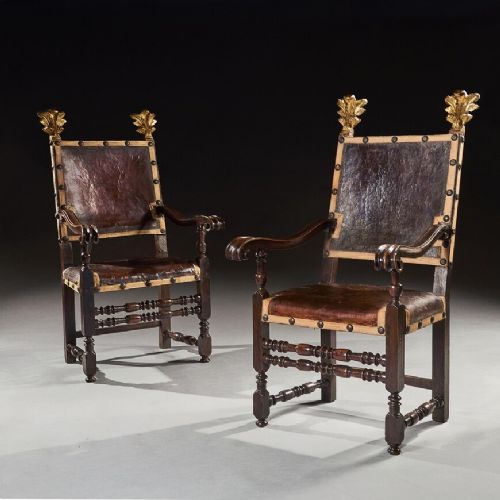
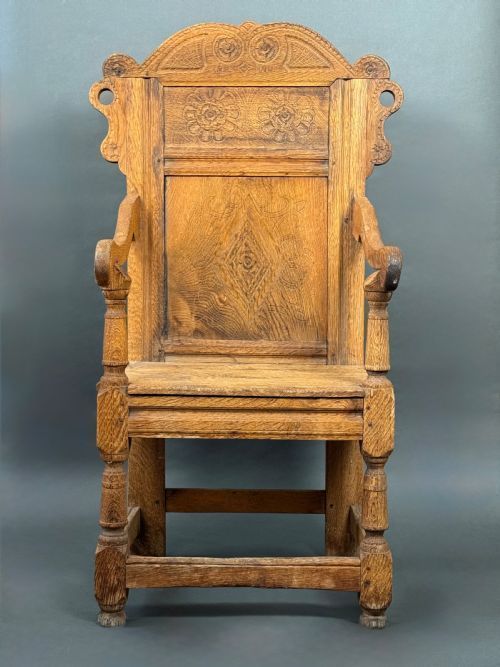
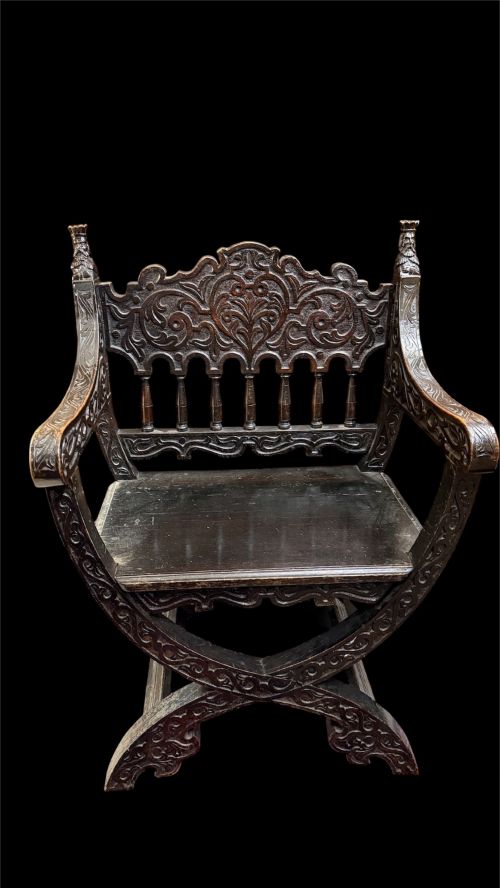
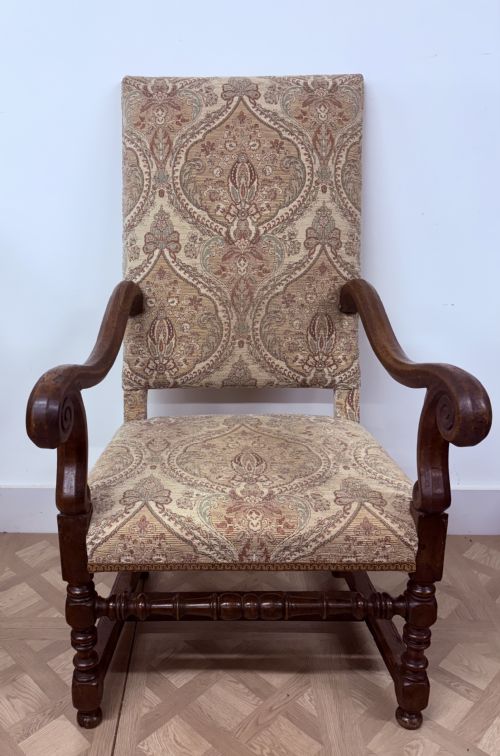
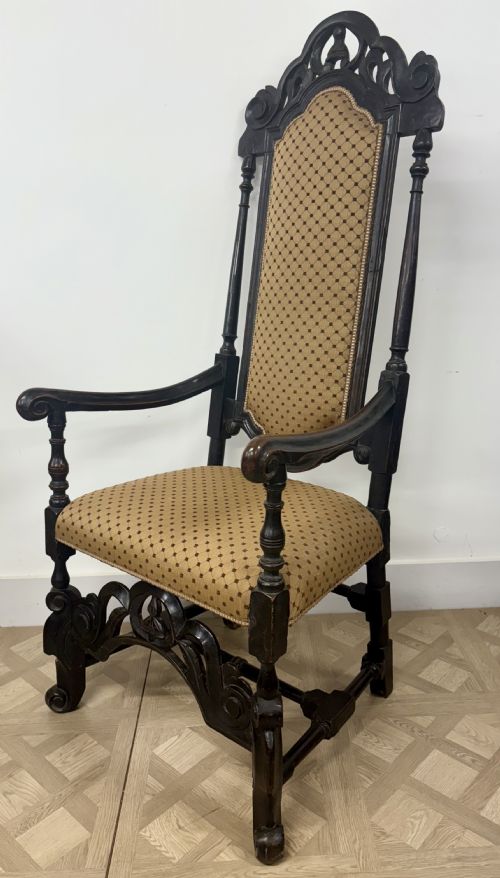
When you search for an antique throne armchair, you encounter heavy timber frames, upholstered seats and commanding vertical proportions designed to project status. These pieces span centuries of domestic and ceremonial seating, drawing on forms like the wainscot chair, the high-backed hall chair and the heavily carved audience chair.
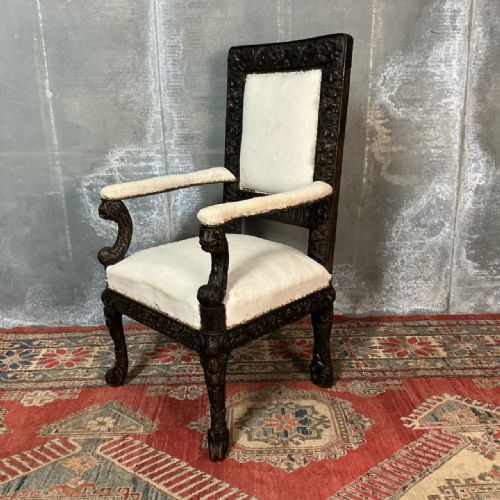
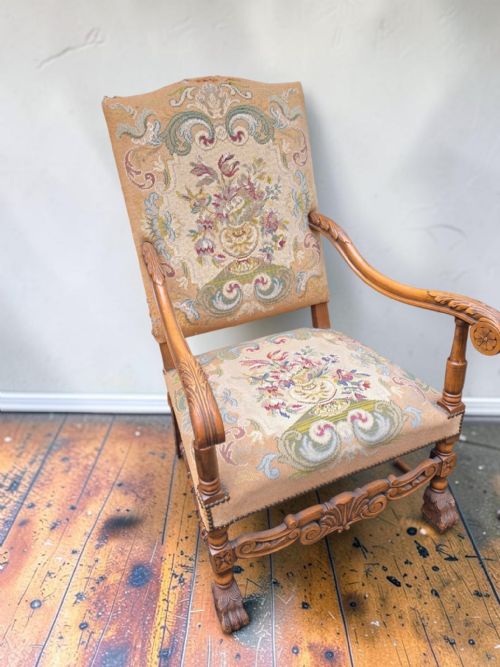
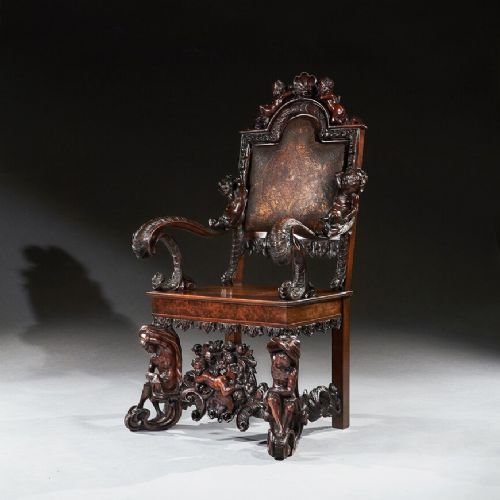
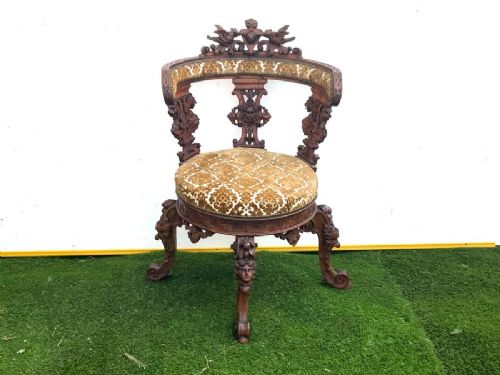
You are most likely to meet 19th-century interpretations on this page, particularly oak and walnut examples influenced by Renaissance Revival, Gothic Revival and Baroque styles. Earlier 17th-century vernacular pieces, such as Lancashire or Yorkshire wainscot chairs, appear alongside grander continental giltwood and Italian baroque designs.
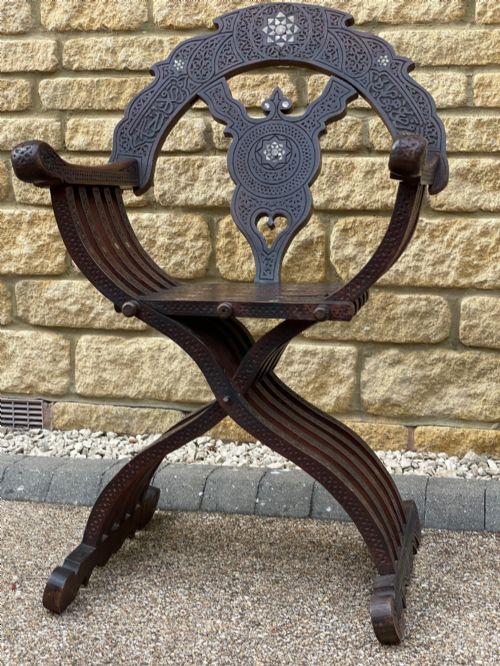
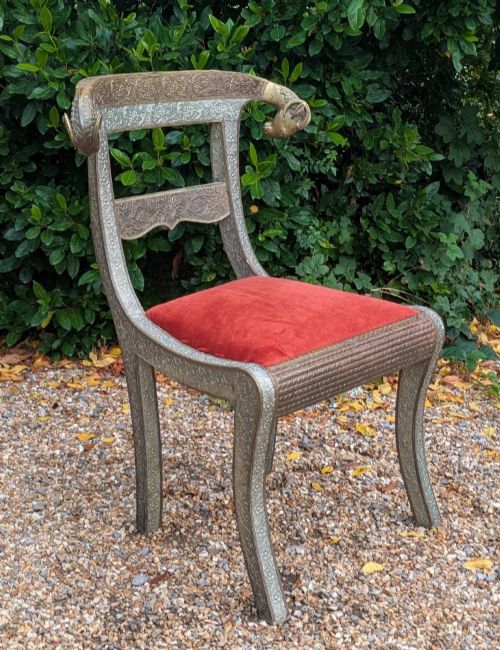
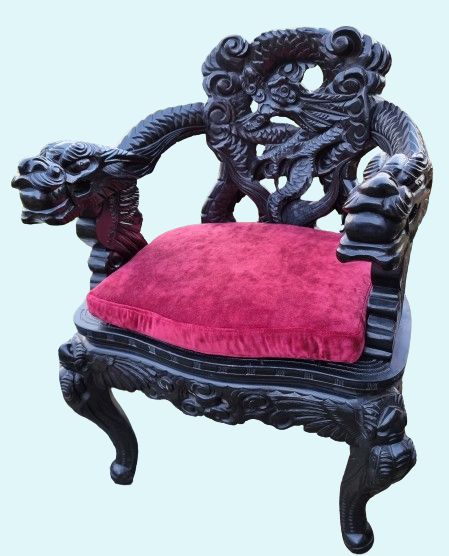
The category also encompasses regional variations including Welsh eisteddfod chairs, Syrian mother-of-pearl inlaid items and Chinese hardwood horseshoe-back chairs. Despite their varied origins, they share an imposing structural weight and an elevated seating position that separates them from ordinary domestic elbow chairs.
Materials and construction
Makers relied heavily on sturdy timbers like oak and walnut, joined using traditional pegged mortise and tenon methods to support the substantial weight of high-backed frames. Fruitwood and exotic hardwoods also appear, providing dense grain for intricate hand-carving.
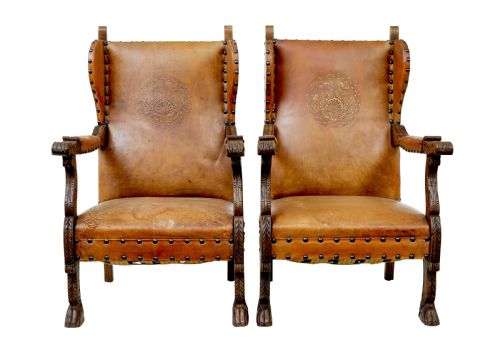
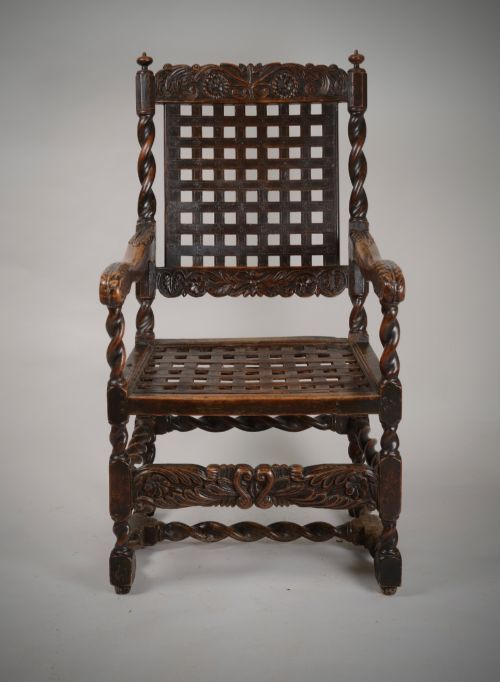
Upholstered versions integrate embossed leather, velvet, tapestry or fabric secured with brass studs, while luxury continental examples utilise giltwood and parcel-gilt finishes. Specialised decorative elements range from mother-of-pearl inlay to deep relief carving and barley twist turnings.
Listings feature oak, walnut, fruitwood, and exotic hardwoods alongside upholstery in leather, velvet, tapestry, and fabric.
Assessing quality and distinction
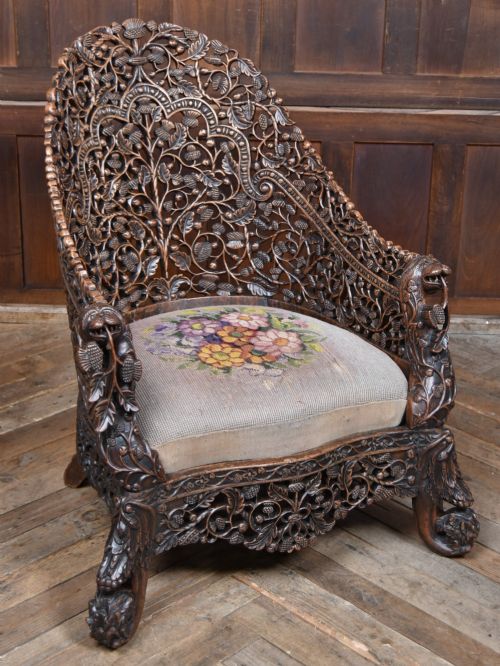
Quality rests upon the crispness and depth of the hand-carving across the crest rails, arms and stretchers. Superior examples display sculptural confidence in figures, foliage or monopodial supports rather than shallow, mechanical tooling.
The integrity of the timber frame determines the longevity of the piece, with dense grain, rich natural patination and robust joinery separating commanding examples from lesser regional copies.
Andrea Brustolon·Thomas Hope
The Antique Throne Armchair Glossary
- Wainscot chair
- A heavy wooden armchair of early origin, constructed primarily from oak with panelled backs and solid wooden seats. This form represents one of the earliest domestic seating types found in British homes.
- Giltwood
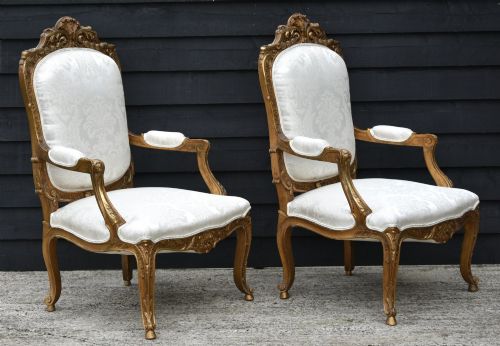
- Timber that has been coated with a thin layer of gold leaf or gilt finish. It appears predominantly on baroque and renaissance revival seating designed for ceremonial interiors.
- Barley twist
- A turned wooden column resembling a twisted rope, carved into furniture legs and stretchers. It is a common decorative feature on seventeenth-century and nineteenth-century revival oak frames.
- Fauteuil
- An open-framed upholstered armchair originating in France, characterised by exposed wooden arms and distinct period styling. These seats combine decorative carving with comfortable padding.
Antique Throne Armchair: Frequently Asked Questions
How were throne armchairs used?
These imposing seats were historically reserved for heads of households, dignitaries or individuals of high social standing during formal gatherings. They occupied positions of prominence at the head of a table or within a grand hall.
Over subsequent centuries, their use shifted toward domestic display, serving as reading chairs or library seating where their commanding height provided both comfort and visual authority.
How do I distinguish revival styles?
Nineteenth-century revival pieces often exaggerate seventeenth-century or baroque motifs through heavier carving, darker finishes and theatrical proportions. Gothic revival versions incorporate pointed arches and tracery, while renaissance revival examples feature dense foliage and strapwork.
Examining the underside of the timber, tool marks and the method of joint construction helps differentiate period originals from later nineteenth-century interpretations.
How do I live with a throne armchair?
Placing an antique throne armchair requires generous floor space and a clear perimeter so the high back and arms remain fully visible. They function effectively as standalone accent pieces in hallways, studies or large living rooms.
Protecting the wood and upholstery involves keeping the chair away from direct heat sources and sunlight, ensuring the timber and leather retain their natural condition.