




Antique Terracotta Carpet
An antique terracotta carpet brings rich earthy depth and enduring tribal craft into a room through natural dyes and hand-spun wool.
Antique Terracotta Carpet
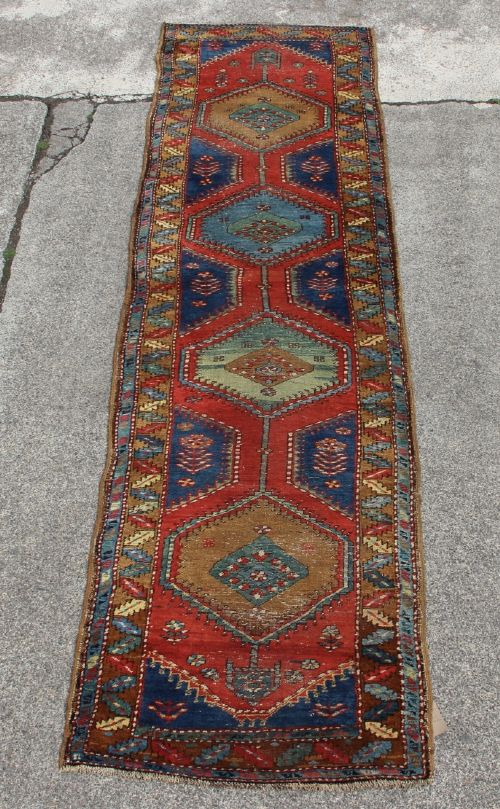
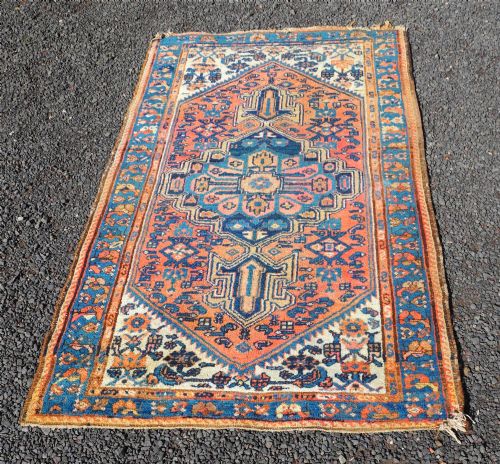
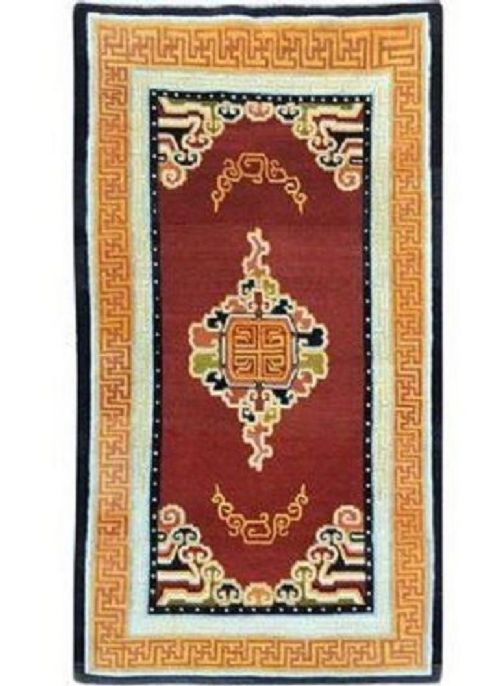
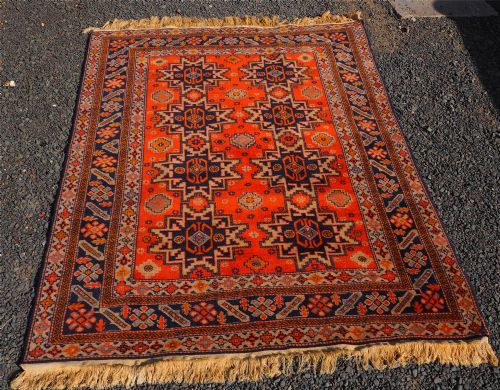
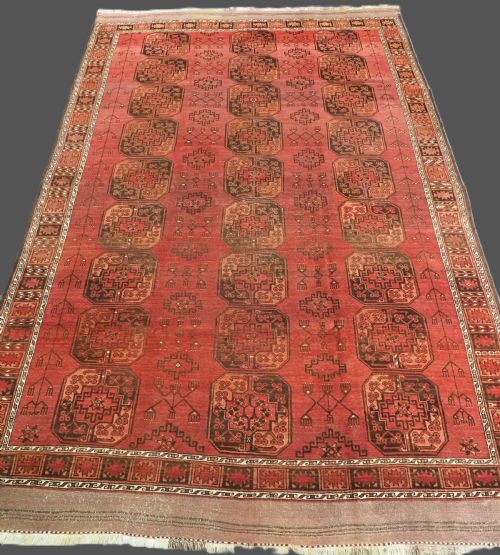
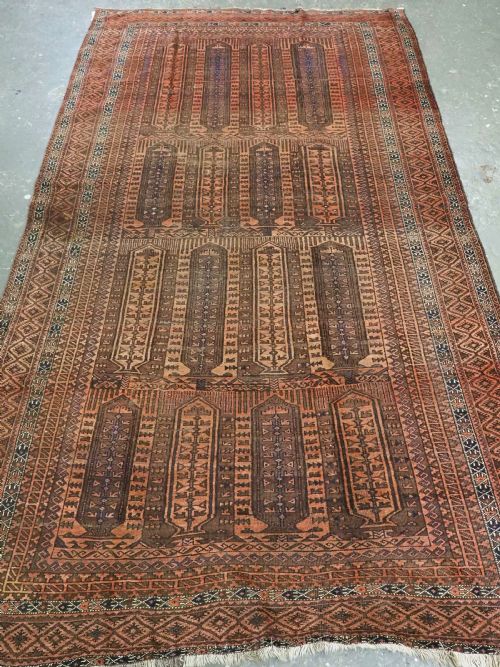
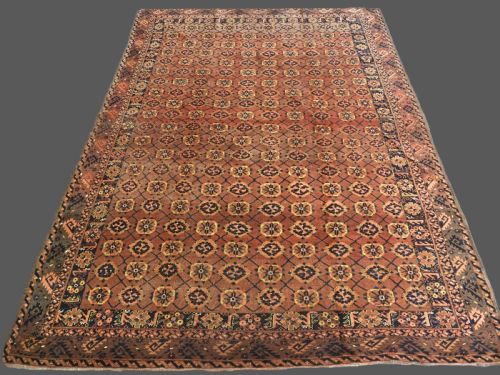
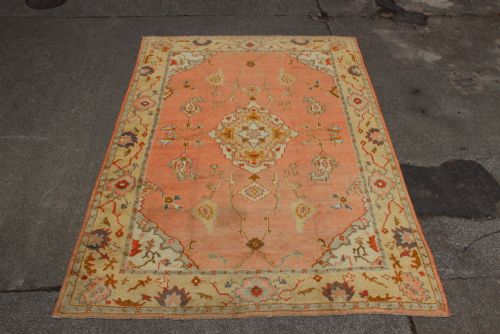
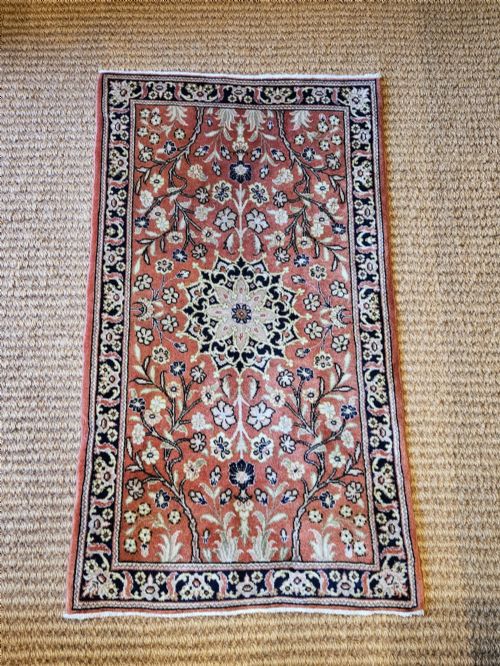
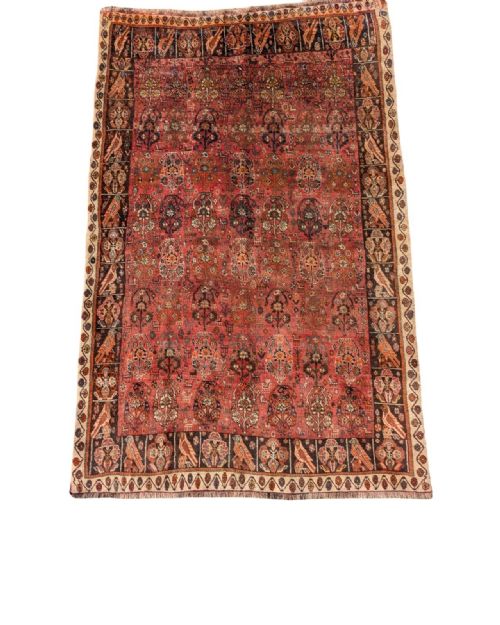
When searching for an antique terracotta carpet, you are looking at substantial hand-knotted floor coverings dominated by warm reddish-brown and clay tones. These pieces emerge predominantly from nineteenth and early twentieth-century village and tribal workshops across Persia, Anatolia, and the wider Caucasus.
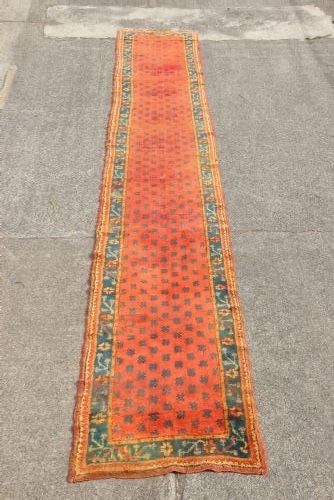
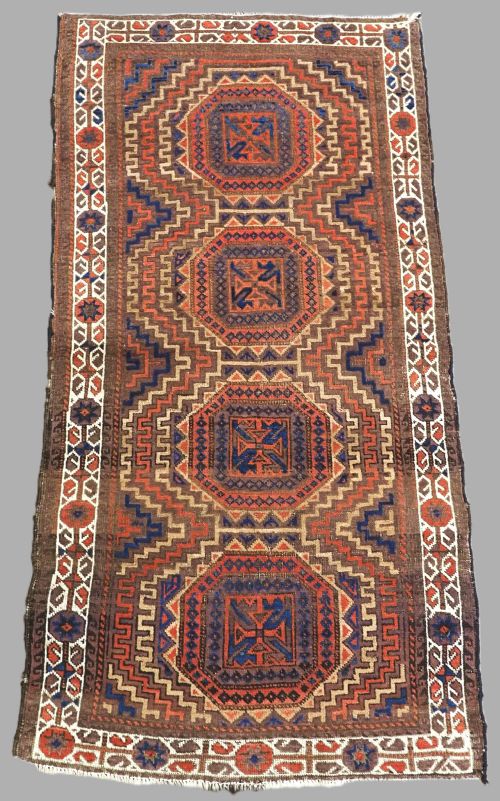
You will most commonly encounter large room-sized carpets alongside generous runners and smaller tribal rugs. The formats range from grand Heriz and Mahal room pieces to narrow Turkish Oushak runners and nomadic Baluch or Afshar weaves.
The aesthetic relies heavily on geometric medallions, repeating guls, and stylized botanical motifs rendered in saturated vegetable dyes. Such floor coverings anchor traditional or contemporary spaces with organic warmth and historic character.
Materials and construction methods
These floor coverings are constructed using hand-spun wool for the pile, offering a durable and resilient surface that ages gracefully. Cotton and occasionally camel hair appear in the foundations and supplementary details, providing structural stability to the heavy weave.
The coloration relies upon natural dyes derived from plants and minerals, yielding nuanced terracotta hues that develop subtle abrash as the tones shift naturally across the field.
Camel hair often appears naturally un-dyed in the borders, offering a soft golden-brown frame for the rich terracotta field.
Distinctions in quality and execution
The standard of a piece rests on the precision of the knotting density and the integrity of the materials. Tightly packed wool foundations and finely executed knots yield greater durability and sharper definition in the geometric or floral motifs.
Artistic execution distinguishes exceptional examples from standard village production. The depth and complexity of the natural dye palette, along with the balance of the overall composition, dictate the visual success of the piece.
The Antique Terracotta Carpet Glossary
- Abrash
- Natural variations in colour shading caused by uneven dye batches or changes in wool lots during the weaving process. This subtle striping is a hallmark of authentic vegetable-dyed textiles.
- Gul
- A repeating medallion or octagonal motif frequently found in tribal and nomadic carpets, particularly those originating from Turkmen and Baluch traditions.
- Medallion
- A large central ornamental design set into the middle of the carpet field, common in Persian Heriz and Mahal weaves.
- Runner
- A long, narrow carpet format traditionally utilised for hallways, corridors, or alongside large furniture pieces.
- Pile
- The dense, vertical surface of knotted wool that forms the usable upper layer of the carpet.
Antique Terracotta Carpet: Frequently Asked Questions
Where should I place a large carpet?
These large floor coverings anchor principal reception rooms, dining areas, and long hallways with substantial historic character.
Ensure the space allows the central field and border designs to remain visible around furniture placement.
How do I clean an old wool rug?
Gentle regular vacuuming without a beater bar removes surface dust and protects the delicate hand-spun wool pile.
Professional specialist cleaning is required for deeper maintenance to preserve the natural vegetable dyes.
What causes colour variations in the wool?
Hand-dyed wool batches absorb natural pigments unevenly, creating subtle tonal shifts known as abrash across the carpet field.
This variation demonstrates the traditional dyeing methods used before synthetic chemicals became widespread.
How do I identify a tribal design?
Tribal designs typically feature geometric medallions, repeating guls, and stylized animal or plant motifs woven from memory.
These patterns contrast with the formal curvilinear floral arrangements found in major urban workshop carpets.