



Antique Teak Plant Stand
An antique teak plant stand brings dense tropical timber and intricate regional carving into a room, serving as a sturdy pedestal for ferns and lamps.
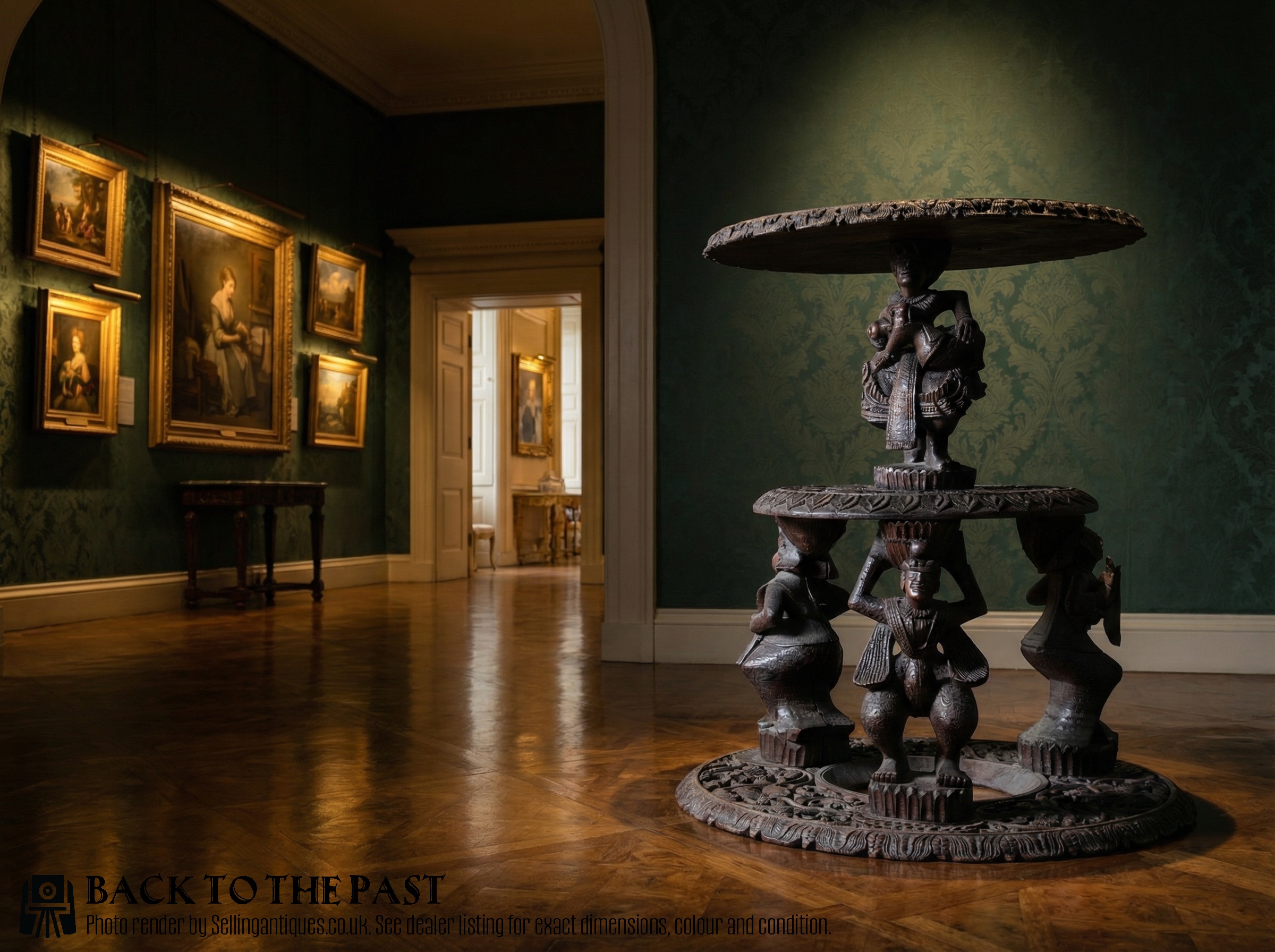
Antique Teak Plant Stand
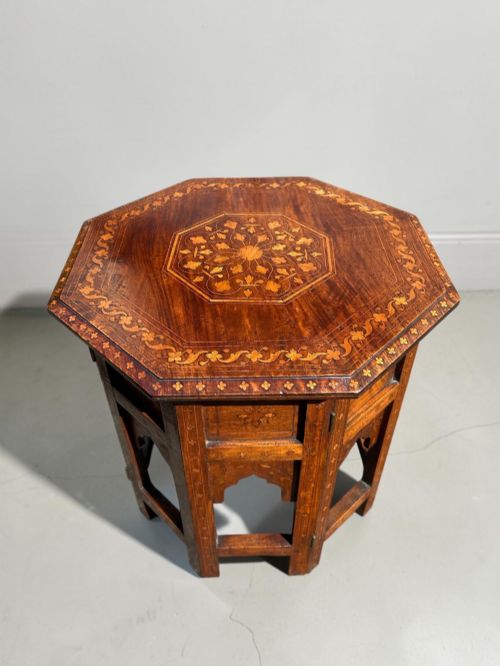
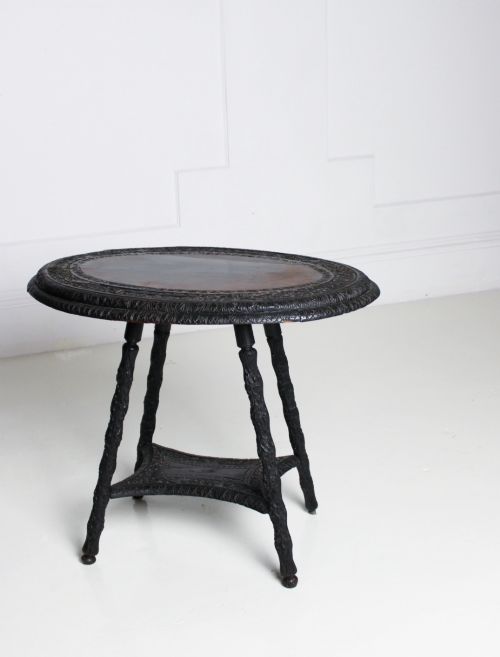
An antique teak plant stand emerges primarily through Anglo-Indian, Anglo-Burmese, and colonial workshops dating from the nineteenth and early twentieth centuries. These pieces encompass various forms including octagonal tables, pedestals, and occasional tables that double as display surfaces for greenery.
The buyer encounters items originating from specific regions such as Hoshiarpur and the Bombay Presidency alongside Chinese export pieces. Most examples adopt practical configurations like folding campaign frames, tripod bases, and tiered structures designed for interior placement.
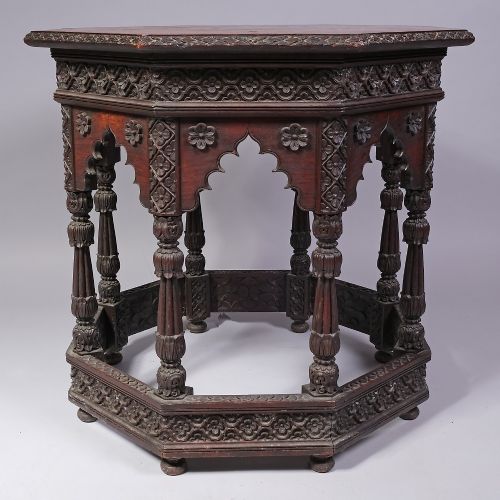
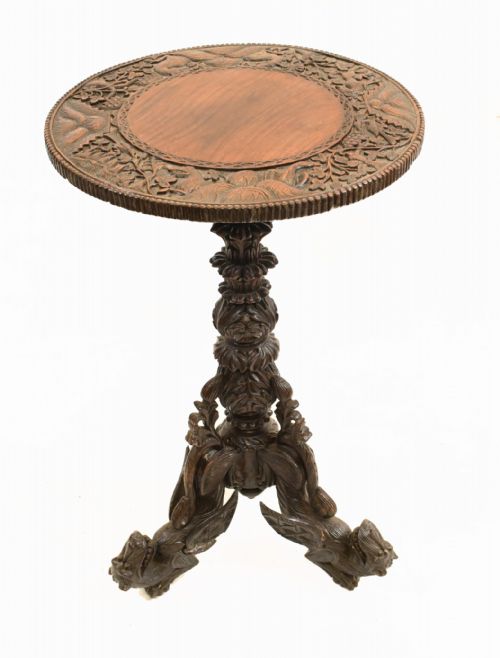
Substantial hardwood construction defines these objects, frequently augmented by regional carving styles depicting flora, fauna, and geometric motifs. The selection leans heavily toward tables and stands featuring dense timber frames capable of supporting heavy ceramic pots.
Materials and construction
Makers utilised dense timbers, predominantly teak and rosewood, selected for structural resilience and deep grain patterns. These hardwoods were worked by hand to create intricate fretwork, deep relief carving, and folding mechanisms.
Surface ornamentation often incorporated contrasting materials including bone, brass wire, and marble inserts. Artisans set these decorative elements directly into the timber to highlight geometric patterns and figurative motifs such as elephants and peacocks.
Antique Teak Plant Stand Retail Price Guide 2026
Typical asking prices for teak plant stand among the pieces listed under this phrase on Sellingantiques today, from the lower quarter to the upper quarter. They describe what is for sale here now, not the wider market.
Several stands feature carved elephant legs ready to support your heavy ferns.
Factors of distinction
The depth and crispness of the hand-carved detail separate ordinary regional work from finer examples. Deeply undercut foliage and sharply defined animal figures indicate skilled artisan labour.
The integrity of the timber and the precision of inlaid elements dictate the standard of execution. Complete brass and bone inlays combined with tight joinery on folding frames represent higher manufacturing ability.
The Antique Teak Plant Stand Glossary
- Anglo-Indian
- Pertaining to furniture produced in India during the British colonial period, often combining British furniture forms with local carving traditions. These pieces frequently feature dense floral motifs.
- Hoshiarpur
- A town in Punjab known for intricate woodworking, particularly tables and stands featuring intricate bone and brass inlay work set into teak. The style uses dense geometric patterns.
- Campaign furniture
- Portable pieces designed to fold or dismantle for military travel, adapted in colonial contexts for domestic use. They employ clever hinges and folding legs.
- Pedestal
- A tall, freestanding support structure used to elevate plants, sculpture, or lamps. These forms provide a vertical display element in a room.
- Octagonal
- Having eight sides, a frequent geometric shape for the tops of Indian tables and plant stands. This configuration allows for complex border carving.
Antique Teak Plant Stand: Frequently Asked Questions
How were antique plant stands used?
These pieces served primarily to elevate potted plants, lamps, and decorative objects within colonial and Victorian interiors. Their sturdy hardwood construction supported heavy jardinieres and porcelain containers.
Many designs incorporated folding mechanisms or compact footprints, allowing them to be moved easily between rooms or packed down during travel. Their versatility meant they functioned equally as lamp tables, tea tables, and display pedestals.
Where do these pieces originate?
The objects stem largely from nineteenth and early twentieth-century workshops in India and Burma, produced under colonial influence. Regions such as Hoshiarpur and the Bombay Presidency developed distinct carving traditions.
Export production also included Chinese regional workshops contributing marble-topped and hardwood items. Local artisans adapted traditional indigenous motifs to suit British domestic tastes.
What woods were used?
Makers relied on durable tropical hardwoods, with teak and rosewood appearing most frequently across the surviving examples. These timbers resisted humidity and provided a stable base for deep relief carving.
Auxiliary materials like bone and brass were integrated into the wooden surfaces for contrast. The natural oils in teak ensured the timber aged with a dark, rich patina.
How do I date these stands?
Dating relies on stylistic markers, construction methods, and period characteristics ranging from the late Victorian era through the early twentieth century. Pieces often exhibit specific regional carving patterns tied to particular decades.
Examining the joinery, hinges on folding tables, and the type of inlay helps establish the era of manufacture. Surviving examples span from the mid-nineteenth century up to the nineteen-thirties.