


Antique Tea Server
An antique tea server brings hospitality into focus, offering a practical centrepiece for gathering around hot drinks.
Antique Tea Server
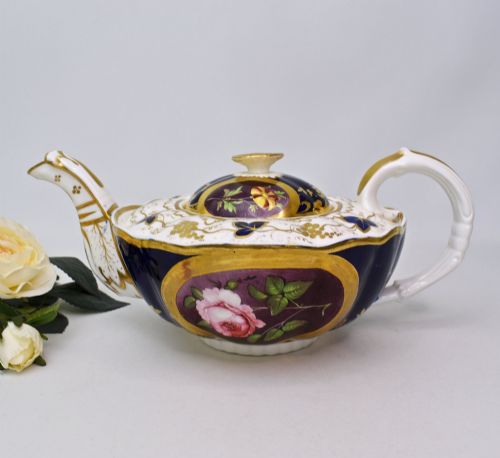
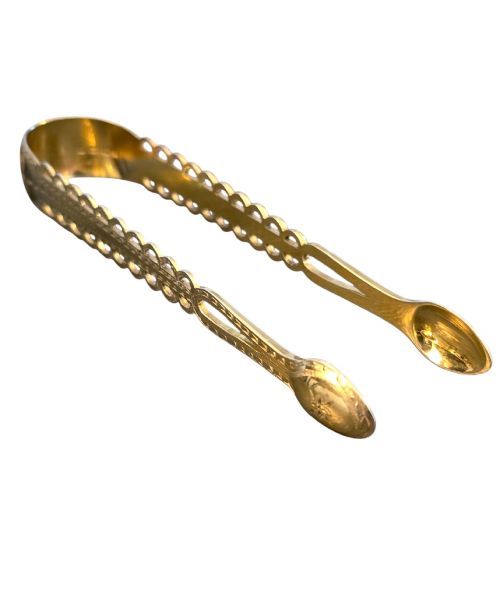
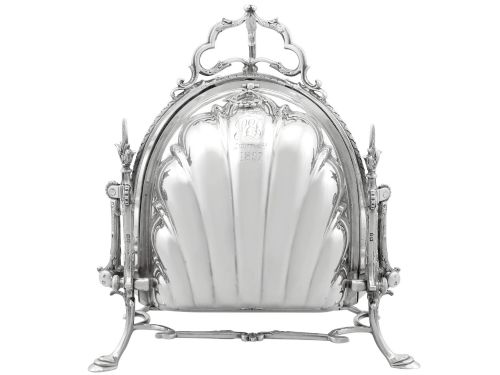
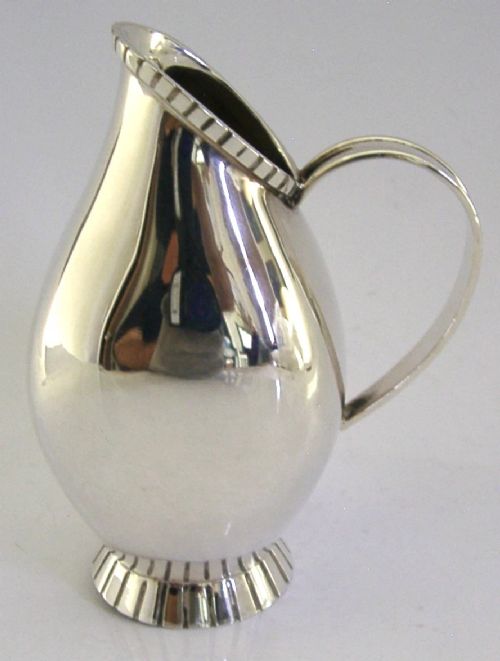
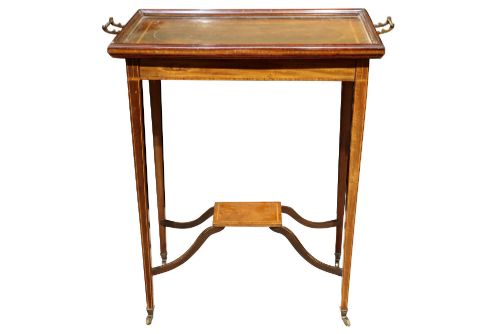
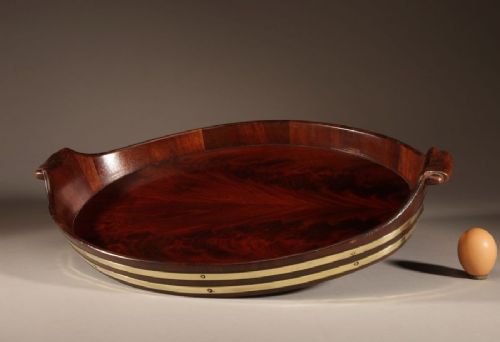
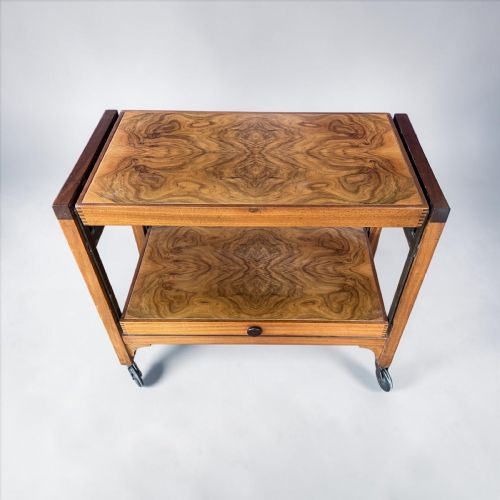
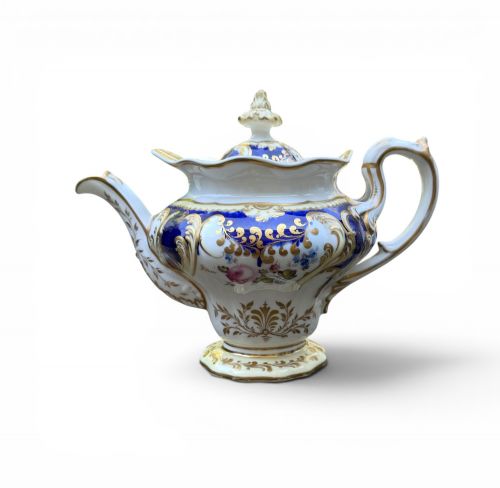
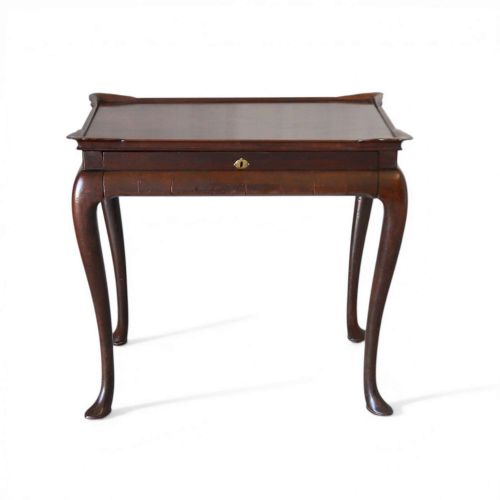
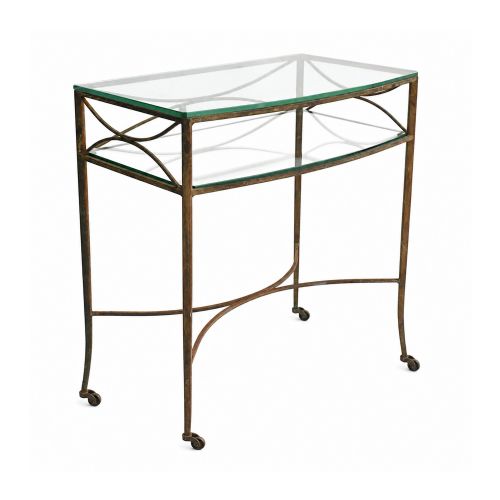
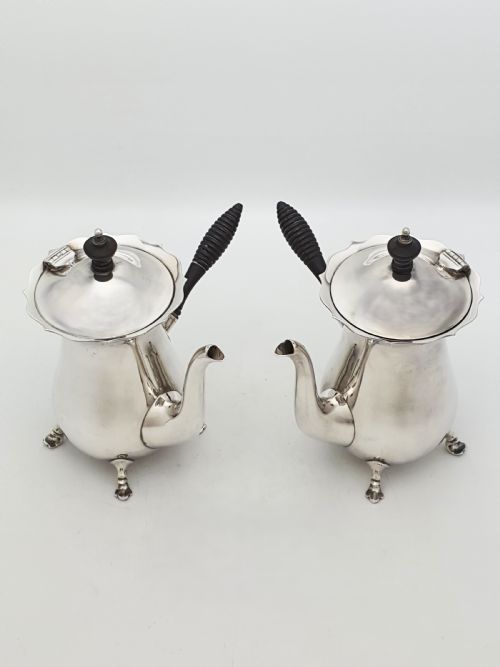
When you search for an antique tea server, you encounter a variety of forms including trays, urns, tables, and pots designed for serving beverages. The pieces span from the 18th century through the Georgian, Victorian, and Edwardian eras up to the Art Deco period.
Wooden occasional tables, silver-plated trays, copper samovars, and ceramic teapots dominate the selection. These items reflect the social rituals of tea drinking across different centuries in British domestic life.
Materials and construction
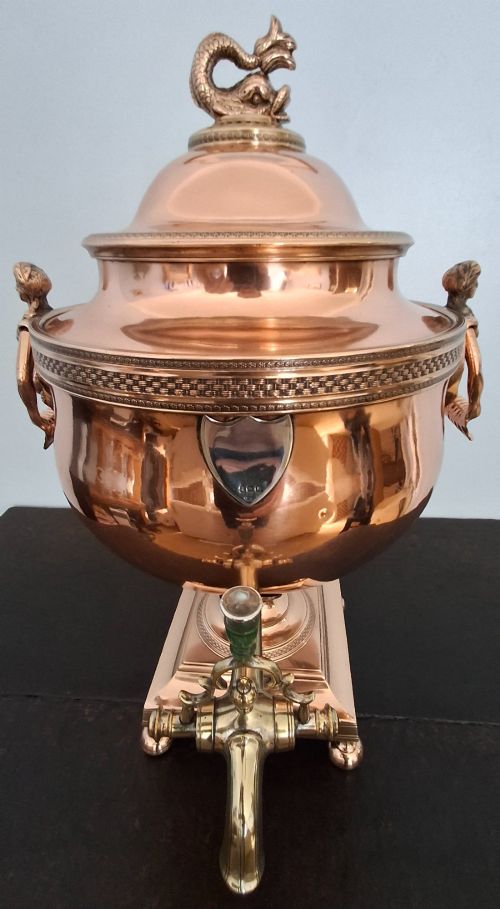
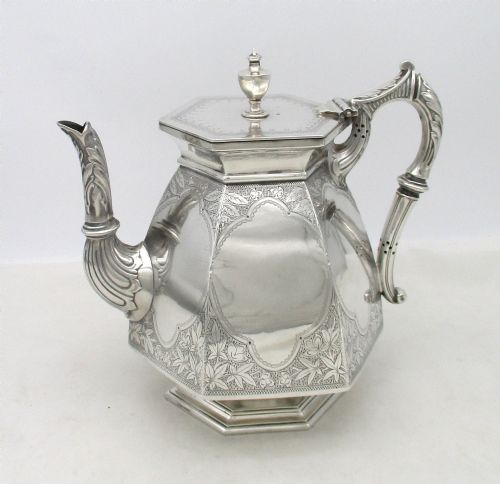
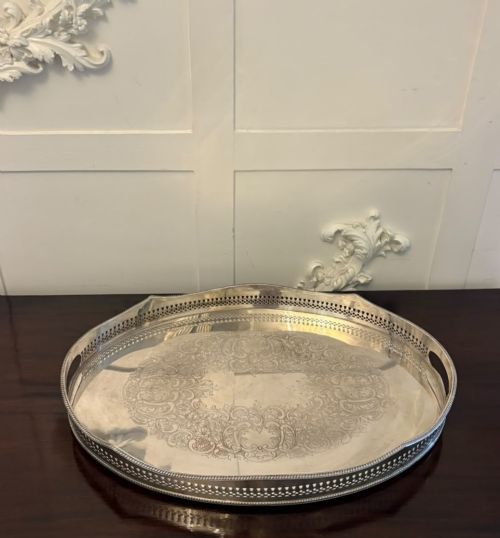
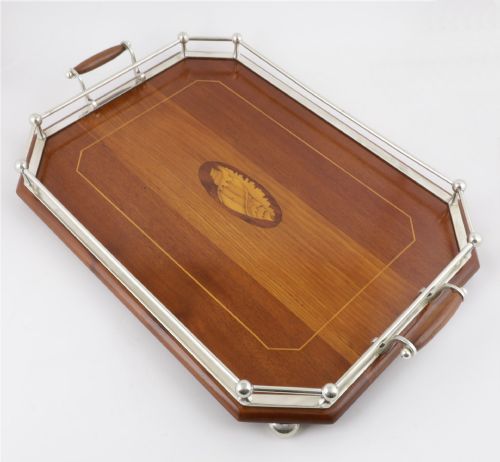
Silversmiths and metalworkers shaped copper, brass, pewter, and silver plate into urns, kettles, and trays, sometimes employing Old Sheffield plating techniques. Cabinetmakers utilised Cuban mahogany, often featuring inlay work, gallery edges, and brass coopered bands.
Porcelain and bone appeared in teapots and smaller serving items, while cast iron and wood formed the structure of larger serving trolleys and console tables.
Antique Tea Server Retail Price Guide 2026
Typical asking prices for tea server among the pieces listed under this phrase on Sellingantiques today, from the lower quarter to the upper quarter. They describe what is for sale here now, not the wider market.
Tea was once so valuable that locking tea caddies and dedicated servers kept domestic staff from sampling the leaves.
Design and execution
The distinction between standard examples and superior pieces rests on the refinement of the materials and the depth of craftsmanship. Hand-engraved silver, intricate shell or wood inlay, and original castors elevate a piece above simpler utilitarian items.
Proportion and structural integrity define the better examples, whether evaluating the gallery edge of a mahogany tray or the substantial weight of a copper samovar.
Mappin & Webb·Walker & Hall
The Antique Tea Server Glossary
- Samovar
- A heated metal urn used to boil water for tea, typically constructed from copper or brass during the Victorian period.
- Old Sheffield Plated
- A method of fusing a thin layer of silver onto a copper base, prevalent in pieces dating from the 18th and early 19th centuries.
- Gallery Tray
- A serving tray featuring an elevated pierced or solid border around the edge to prevent items from sliding off.
- George III
- The stylistic period spanning the reign of George III, known for quality mahogany furniture and classical proportions.
- Aesthetic Movement
- A late 19th-century design style focusing on visual beauty rather than narrative or moral function.
Antique Tea Server: Frequently Asked Questions
What is an antique tea server?
An antique tea server refers to vessels, trays, and tables used historically to prepare, hold, or present tea and hot beverages. The category includes copper samovars, silver-plated trays, porcelain pots, and wooden serving tables.
These items date from the 18th century through the Edwardian era and reflect changing domestic habits around hospitality and entertaining.
How were copper samovars used?
Copper samovars held boiling water for tea service in large Victorian households. An internal metal tube held hot coals or a heating element to keep the water at temperature.
Servants operated these heavy vessels in the dining room or drawing room during formal gatherings.
How do I care for silver plate?
Silver-plated servers require gentle cleaning with specialised polish to prevent abrasive wear on the thin silver layer. Regular dusting and careful handling preserve the original plating on trays and teapots.
Store these metal items in dry environments to avoid tarnishing and corrosion.
How do I date mahogany tea tables?
Dating mahogany tables involves examining the wood grain, leg style such as cabriole or tapered legs, and construction methods like dovetailing. Georgian pieces often display heavy Cuban mahogany, while Edwardian versions feature intricate inlay work.
Original castors and hardware also provide chronological clues for identification.