

Antique Tazza Dish
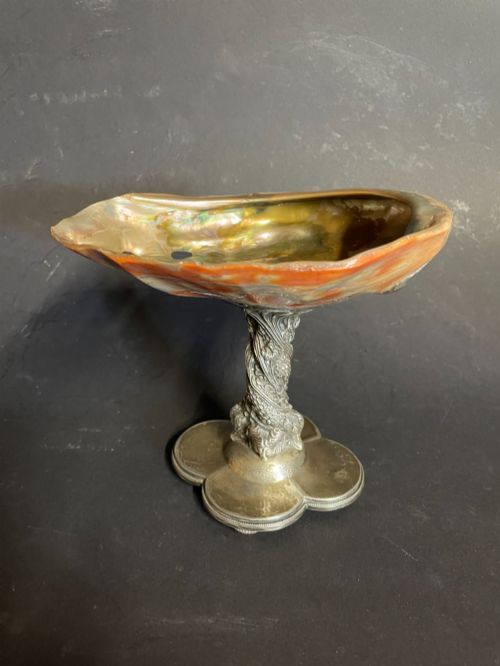
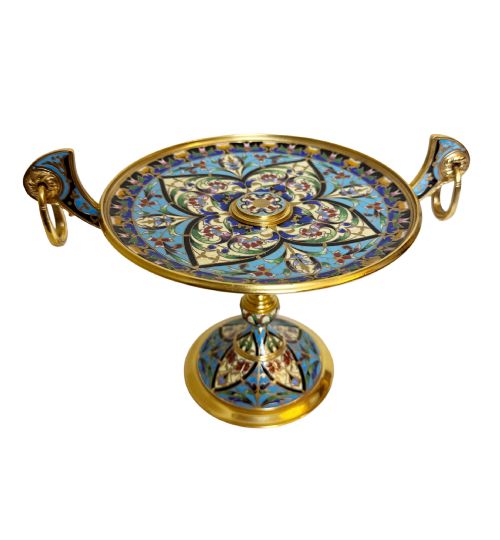
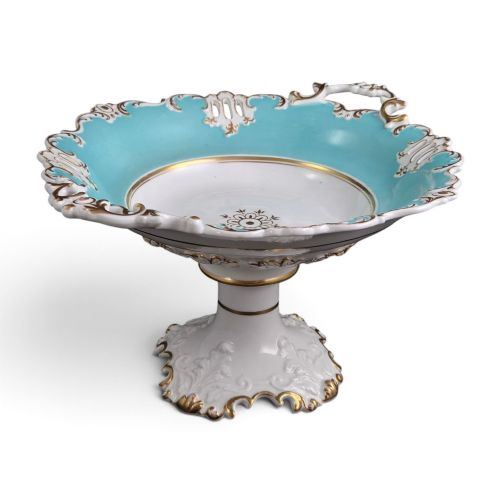
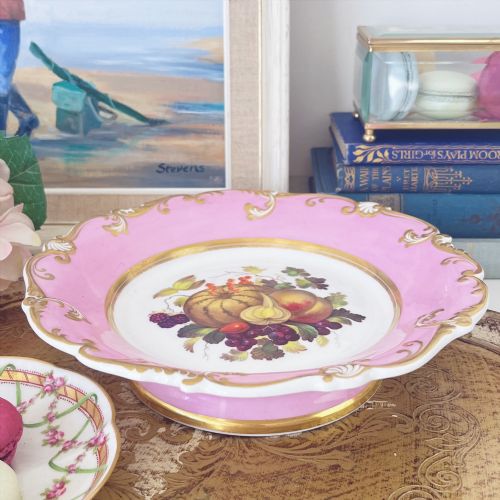
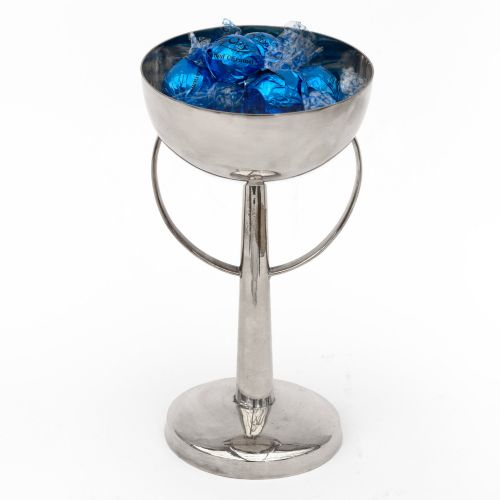
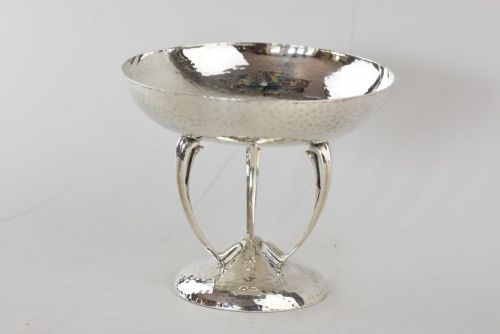
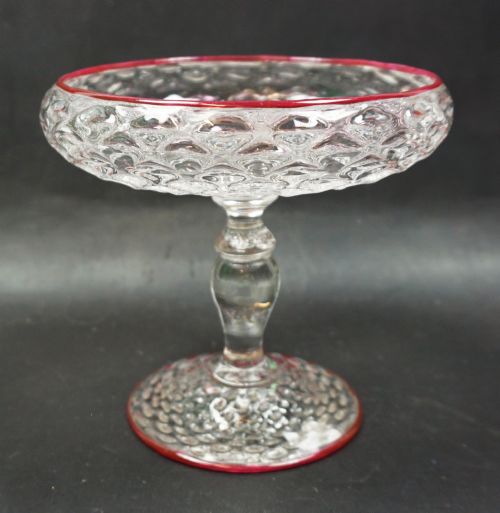
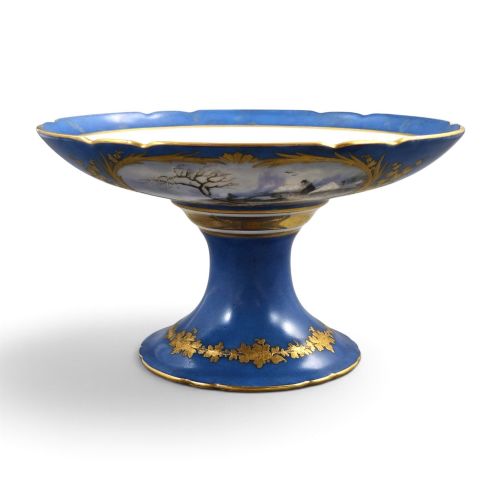
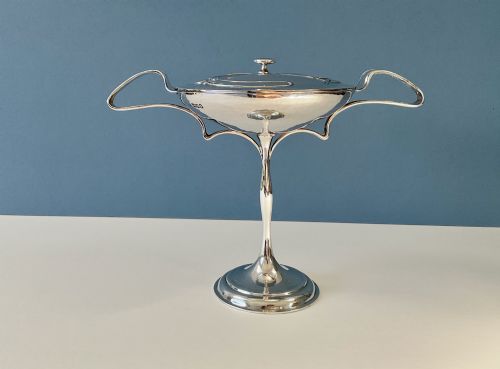
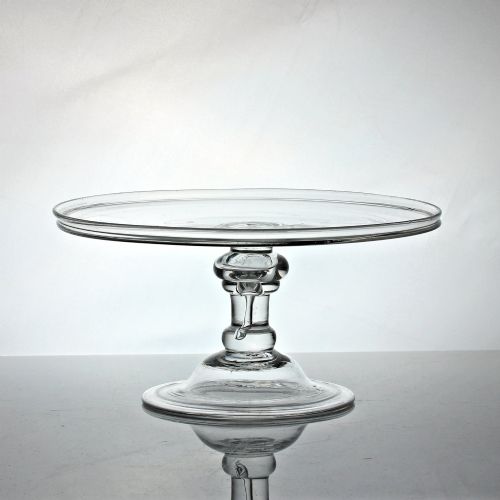
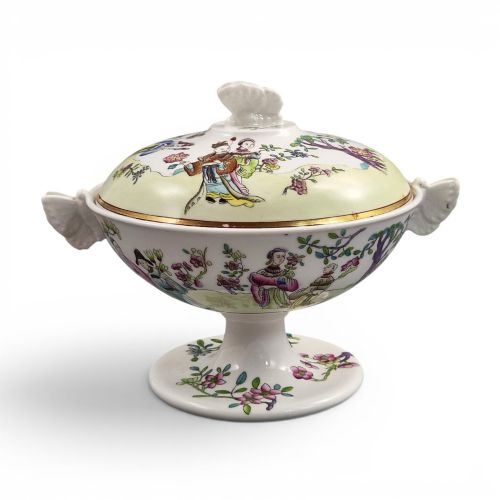
An antique tazza dish stands elevated upon a central stem and foot, serving historically to display fruits, sweets or confections.
Antique Tazza Dish
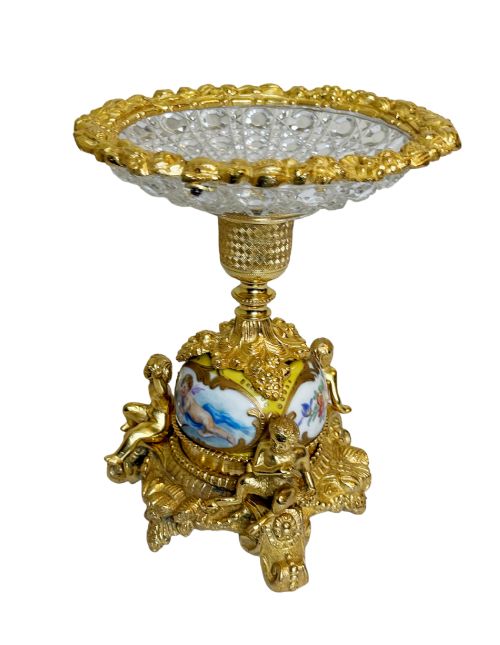
The antique tazza dish appears in various elevated pedestal forms, ranging from Georgian lead glass patch stands and baluster sweetmeat glasses to grander 19th-century bronze, porcelain and enamel centrepieces. Buyers seeking this phrase encounter footed dishes and comports designed principally for display on dining tables or sideboards.
Examples span the 18th, 19th and early 20th centuries, taking influence from Georgian, Victorian, Edwardian, Art Nouveau and Art Deco eras. French Rococo Revival and Empire styles sit alongside English crystal and silver productions from makers such as Coalport, Spode and Sèvres.
How they were made
Glass pieces utilise lead glass and crystal, shaped through moulding, honeycomb cutting and cane decoration, often resting on knopped stems and terraced feet. Early examples feature baluster forms characteristic of Georgian glasshouses.
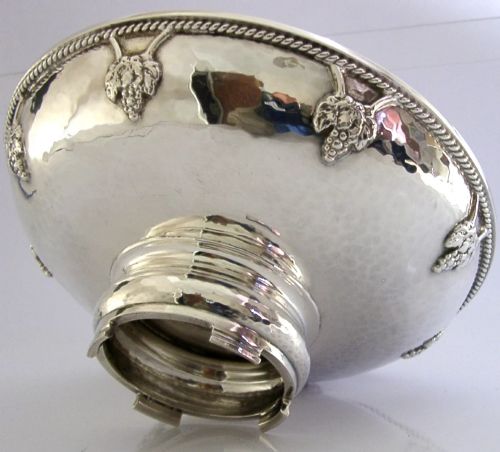
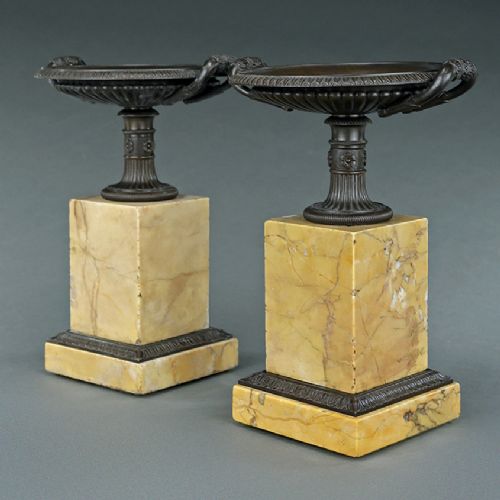
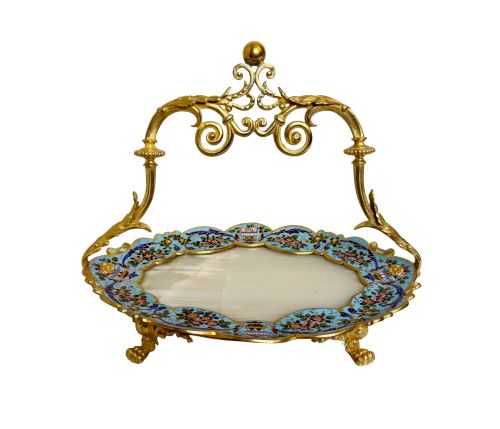
Metal and ceramic variations combine gilt bronze, ormolu, champlevé enamel, sterling silver and silver plate with porcelain bodies or carved stones like Blue John and agate. Hand-painting, repoussé work and cast bronze detailing define the construction of multi-material centrepieces.
Cherubs and winged figures frequently appear holding up the weight of these dishes, seemingly determined to keep the dessert aloft.
What varies in quality
The refinement of the casting and hand-painting separates ordinary items from superior works, particularly in champlevé enamel detailing and ormolu mounts. Crispness in moulded crystal patterns and the weight of the metal determine the calibre of a piece.
Goldsmiths and Silversmiths Company London·John Ridgway·Charles Boyton·H and R Daniel·Coalport·Spode·Sèvres
The Antique Tazza Dish Glossary
- Tazza
- An elevated shallow bowl or dish supported on a single central foot or pedestal. It is traditionally used for serving sweetmeats or displaying fruit.
- Comport
- A large footed dish or bowl used on the dining table for fruit or dessert service. The term often overlaps with tazza in 19th-century listings.
- Champlevé
- An enamelling technique where troughs or cells are sunk into a metal surface and filled with vitreous enamel before firing. It is frequently seen on 19th-century gilt bronze mounts.
- Patch stand
- A small miniature pedestal dish from the 18th century, originally used for holding cosmetic patches or small sweets. These represent early precursors to later glass tazzas.
- Baluster
- A moulded glass stem shape characterised by an architectural swelling or knop profile. It is common on Georgian drinking vessels and sweetmeat glasses.
Antique Tazza Dish: Frequently Asked Questions
What is an antique tazza dish used for?
These elevated vessels were historically designed to present fruit, small cakes, sweets or desserts upon the formal dining table. Today, they function primarily as decorative centrepieces or display objects on sideboards and mantlepieces.
Their raised profile allows them to create height and visual interest within a room scheme, catching the light particularly well when rendered in cut crystal or gilt bronze.
How do I date a glass tazza?
Dating relies on examining the manufacturing techniques, stem formations and weight of the glass. Georgian examples often feature heavy lead glass, pontil marks on the underside, and multi-knop or baluster stems.
Later 19th-century and Edwardian pieces frequently incorporate mechanical pressing, brighter coloured glass additions, or machine-moulded honeycomb patterns without the characteristic handmade irregularities of the earlier periods.
What is the difference between a tazza and a comport?
In historical and marketplace terminology, both terms describe an elevated shallow dish on a central foot. Tazza often implies a more decorative, classical or Renaissance-revival form, frequently rendered in metal, stone or porcelain.
Comport typically leans towards ceramic or glass tableware intended specifically for Victorian and Edwardian dessert services, though makers and dealers frequently use the words interchangeably.
How should I clean an antique metal and enamel tazza?
Metal components such as gilt bronze, ormolu or silver plate require gentle dusting with a soft, dry cloth to prevent accumulation of grime. Moisture and commercial chemical cleaners must be kept away from champlevé enamel and delicate joints to avoid lifting or staining.
Glass bowls can generally be washed in lukewarm water with mild soap if detachable, but fixed multi-material pieces should only receive surface cleaning by hand.