
Antique Silvered Dish
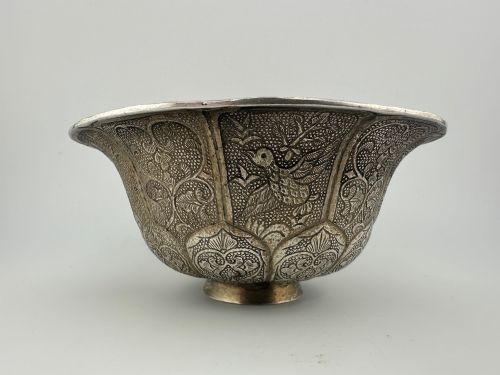
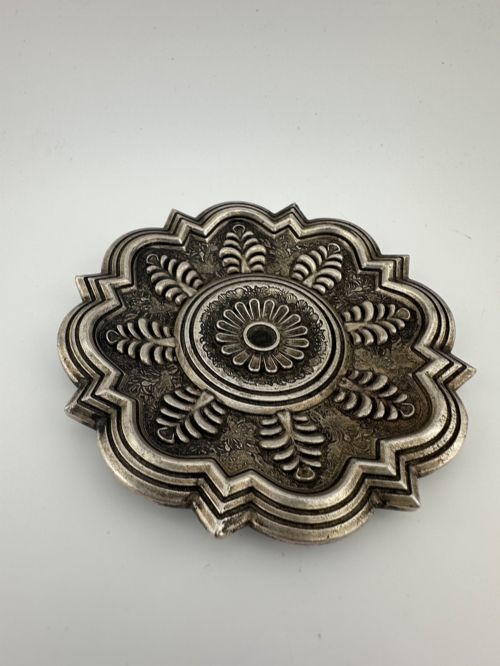
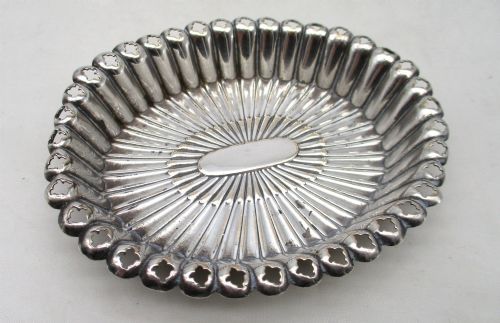
When you search for an antique silvered dish, you find tableware and trinket containers shaped in sterling silver, silver plate, and white metal.
Antique Silvered Dish
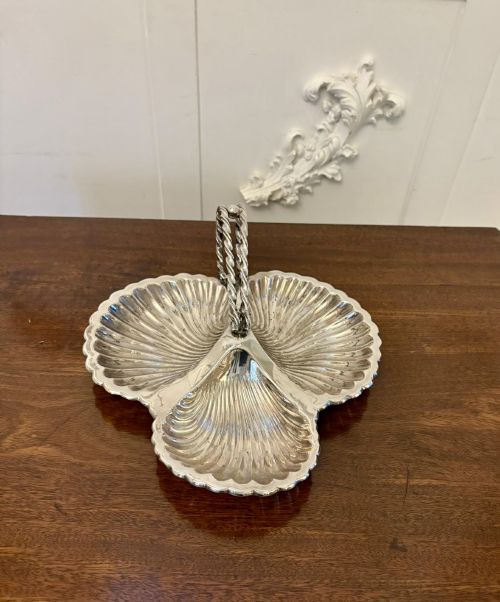
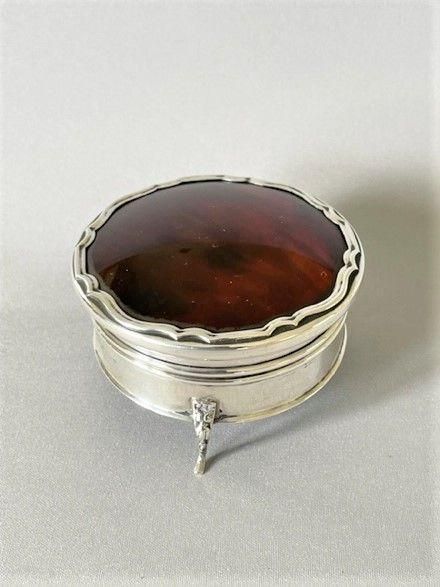
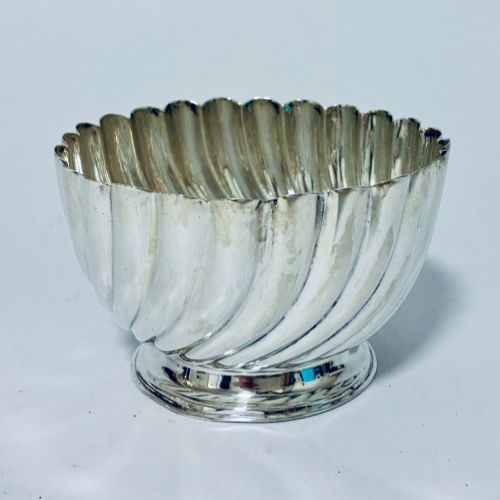
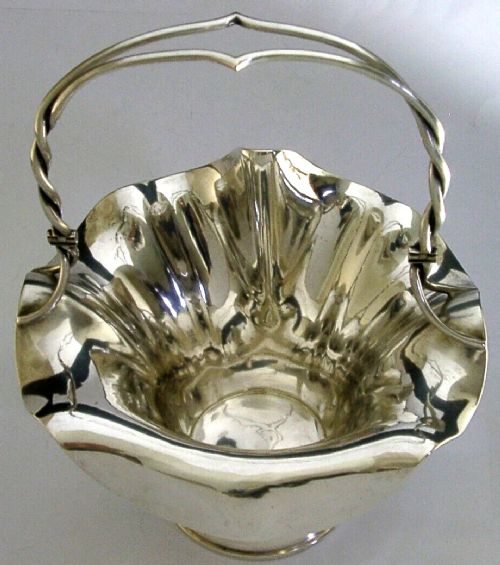
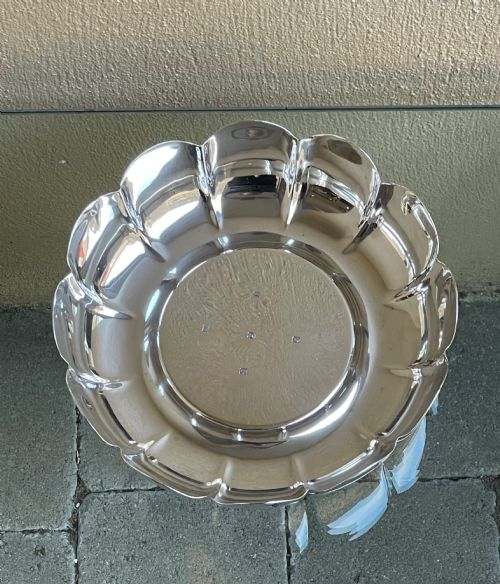
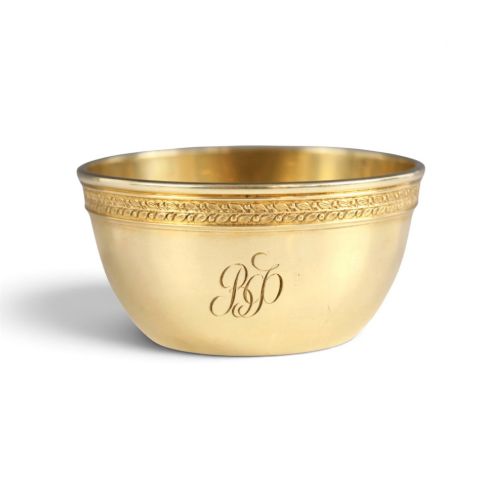
An antique silvered dish encompasses domestic metalwork designed for dining, dressing tables, and display, originating predominantly from the Victorian, Edwardian, and early twentieth-century periods. The items listed under this phrase range from small salt cellars and trinket boxes to larger decorative bowls, tazzas, and swing-handled baskets.
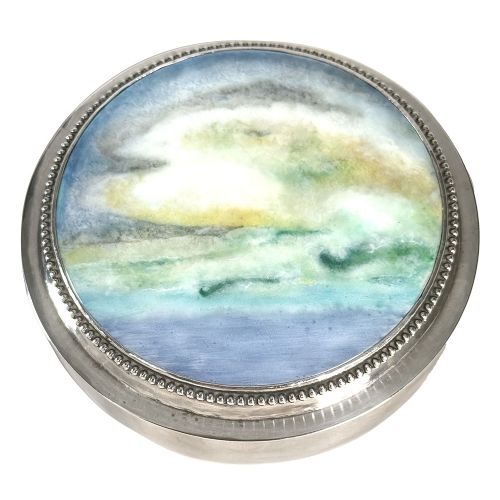
You are most likely to encounter Edwardian and George V sterling silver bowls or silver-plated serving dishes on this page. These domestic forms often incorporate glass liners, enamel plaques, or shell motifs reflecting the prevalent tastes of their respective decades.
How they were made
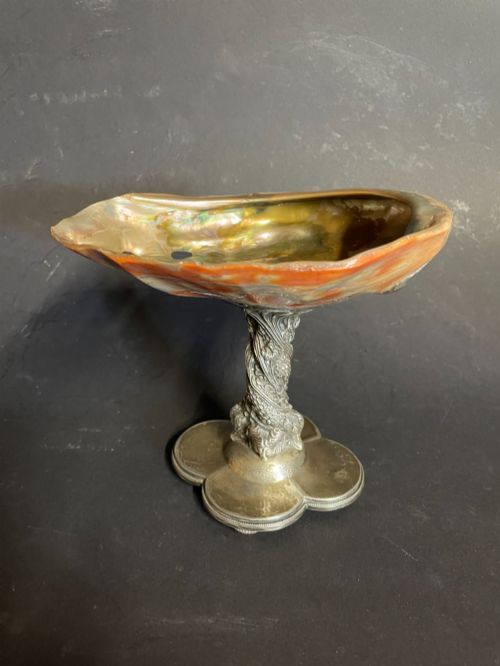
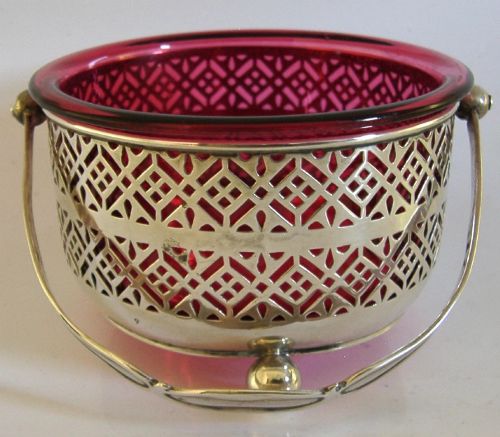
The objects recorded in these listings utilise sterling silver, solid silver, and silver plate formed through techniques such as casting, hammering, and electroplating. Many pieces combine metal with contrasting materials, inserting cranberry glass, satin glass, or abalone shell into pierced and chased silver frames.
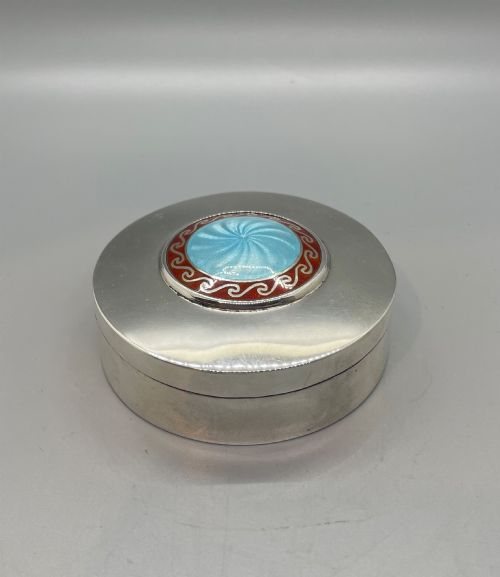
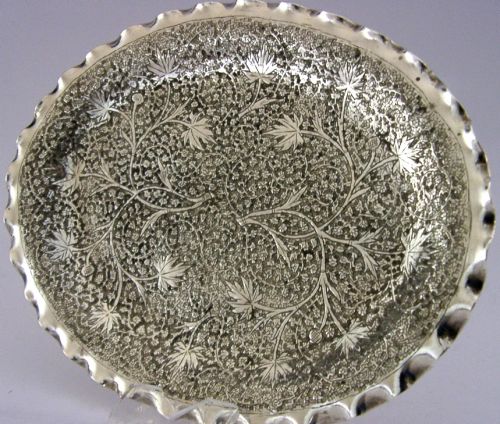
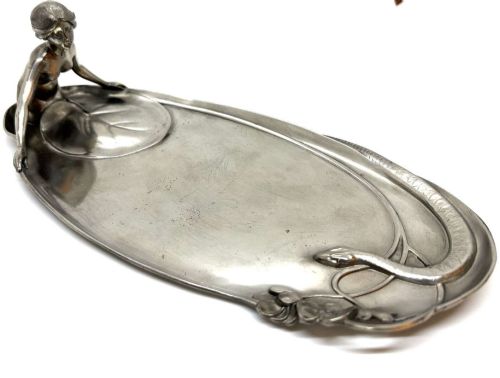
Surface ornamentation relies on detailed hand-chasing, guilloche enamel work, and applied cast motifs like cherubs, serpents, and dolphins. Makers employed specific regional methods, from Birmingham assay office hallmarks to continental Hanau and Chinese export standards.
Some items feature movable swan wings and cherub scenes.
What varies in quality
Quality in these items rests on the weight of the metal utilised and the precision of the hand-finishing applied by the silversmith. Pieces with substantial gram weights and crisp, deep chasing demonstrate superior workshop execution compared to lighter, pressed metal alternatives.
The integration of secondary materials also dictates standard, with intact guilloche enamel, unblemished cranberry glass liners, and documented maker attributions elevating the standing of an individual piece.
Guild of Handicrafts·Mappin & Webb·A. J. Pepper & Co·Walker & Hall·William Neale·Nathan & Hayes·Goldsmiths and Silversmiths Company·A. Bromet & Co·Georg Jensen
The Antique Silvered Dish Glossary
- Sterling silver
- An alloy comprising ninety-two point five percent silver by mass, with the remainder usually copper. This standard composition is verified by British assay office hallmarks on period items.
- Silver plate
- A base metal, such as nickel silver, coated with a thin layer of pure silver. Techniques include Old Sheffield Plate and later electroplating methods.
- Guilloche enamel
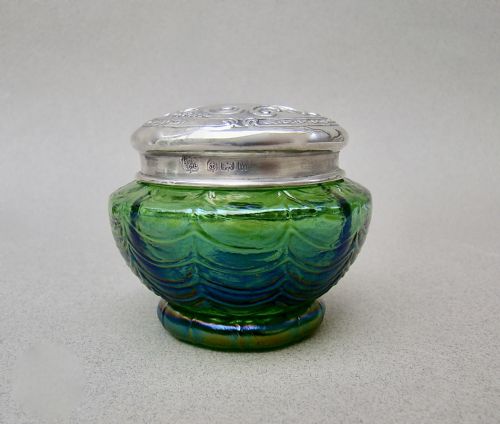
- Decorative engine-turned metalwork covered with translucent layers of coloured enamel. This technique appears frequently on Edwardian trinket boxes and cosmetic containers.
- Quaich
- A shallow two-handled drinking vessel or dish originating in Scotland. Period examples in sterling silver often feature flat handles and circular bowls.
- Tazza
- An ornamented cup or dish raised on a high foot and stem. These items served as centrepieces or fruit dishes on formal tables.
Antique Silvered Dish: Frequently Asked Questions
What is a silvered dish?
A silvered dish refers to small vessels, bowls, and trays constructed from solid silver, silver plate, or white metal. They were used for serving food, holding trinkets, or displaying decorative items.
Items span various manufacturing styles from the Victorian era through to the mid-twentieth century, encompassing both British assay pieces and international workshop creations.
How were these dishes used?
Domestic silver served practical functions on dining tables, dressing tables, and sideboards. Smaller forms held salt, condiments, or personal jewellery, while larger bowls functioned as centrepieces.
Many incorporated glass inserts, such as cranberry or satin glass liners, to safely hold items that could stain or damage bare metal surfaces.
How do I identify the period?
Dating relies heavily on stamped hallmarks, maker marks, and stylistic indicators such as Art Nouveau curves or Edwardian symmetry. British pieces carry town marks, date letters, and purity symbols.
International pieces often bear standard export marks or regional workshop signatures that point to specific decades of production around nineteen hundred.
How do I care for silver?
Silver and silver-plated items require gentle cleaning to remove tarnish without abrading the surface detail or enamelwork. Use appropriate cloths designed for precious metals and avoid harsh chemical dips.
Store pieces in stable environments away from high humidity to prevent accelerated oxidation and protect fragile components like glass liners or shell bodies.