
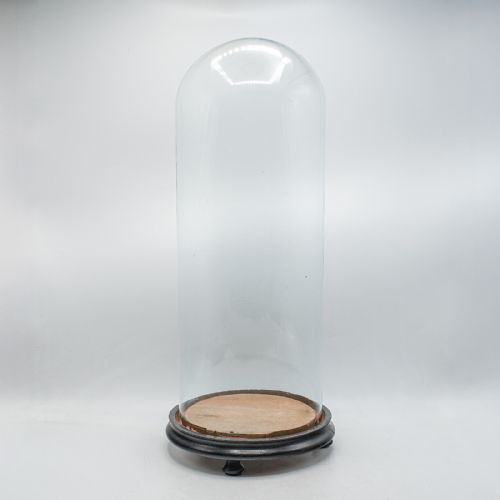


Antique Taxidermy Showcase
An antique taxidermy showcase protects preserved specimens under glass, bringing Victorian and Edwardian natural history into a modern room.
Antique Taxidermy Showcase
An antique taxidermy showcase takes the form of a glass display dome, cloche, wall cabinet, or tabletop display case designed to house preserved birds, mammals, and natural specimens. These pieces emerged primarily during the Victorian and Edwardian periods, reflecting a widespread fascination with natural history and scientific collection.
The most common version met on this page is the freestanding glass display dome paired with a wooden base, often featuring internal baize, velvet, or fabric lining to support the specimen. Wall display cabinets and dedicated display cases appear less frequently, offering alternative ways to house collections.
The origins of these showcases span the late nineteenth century and the early twentieth century, encompassing late Victorian and Edwardian eras. Each piece served as a domestic museum display for private collectors before entering the modern antiques market.
Materials and construction methods
Makers constructed the primary protective covers from blown glass, shaping tall, bell-bottom, ovoid, or standard domes to fit over specimens. This glass sits atop timber bases fashioned from materials such as mahogany, oak, beech, pine, and ebonised wood.
Interiors frequently incorporate textiles like fabric, felt, velvet, baize, and occasionally leather to line the base platform and cushion the displayed specimens.
Some nineteenth-century makers evidently decided that birds needed bell-bottom trousers made of glass.
Factors of distinction
Quality in an antique taxidermy showcase rests upon the clarity and weight of the blown glass dome, alongside the joinery and timber selection of the base. Heavy, clear glass combined with dense woods such as mahogany indicates superior domestic production from the period.
The refinement of internal linings, including well-fitted velvet, baize, or felt, separates standard utilitarian containers from finer pieces intended for serious collectors and exhibitions.
Davis & Co, Bristol
The Antique Taxidermy Showcase Glossary
- Cloche
- A bell-shaped glass cover used to protect delicate items or specimens. The term derives from the French word for bell.
- Ebonised wood
- Timber treated with a dark stain or finish to imitate ebony. This technique was popular for Victorian display bases.
- Baize
- A coarse woolen material resembling felt. It frequently lines the interior bases of specimen domes to provide a soft resting surface.
- Ovoid
- Egg-shaped in profile. This descriptor applies to specific curved glass domes found in the collection.
Antique Taxidermy Showcase: Frequently Asked Questions
What fits inside these domes?
These showcases traditionally house preserved birds, small mammals, and natural history specimens collected during the nineteenth and early twentieth centuries.
Modern buyers often utilise them to display minerals, coral, shell collections, or sculptural objects requiring protection from dust.
How do I clean the glass?
Glass domes lift away from their wooden bases, allowing them to be cleaned separately with standard glass cleaner and a soft cloth.
Great care must be taken when lifting heavy Victorian glass to avoid chipping the lower rim against the timber base.
How are Victorian and Edwardian domes told apart?
Victorian examples often feature heavier ebonised or mahogany bases with older blown glass that displays subtle bubbles and waviness.
Edwardian pieces frequently utilise lighter woods such as oak and beech, housing clearer glass produced with more modern industrial methods.
Where should I place a showcase?
These pieces suit sideboards, mantelpieces, or dedicated shelving units where they can be viewed closely without risk of knocks.
Direct sunlight should be avoided to protect both the timber bases and any historic fabric linings inside the enclosure.