

Antique Tapestry Wall Art
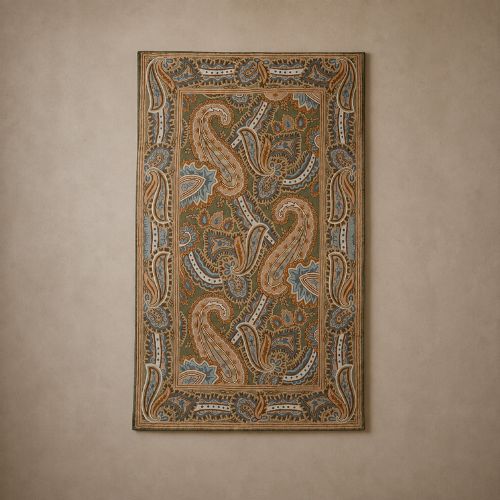
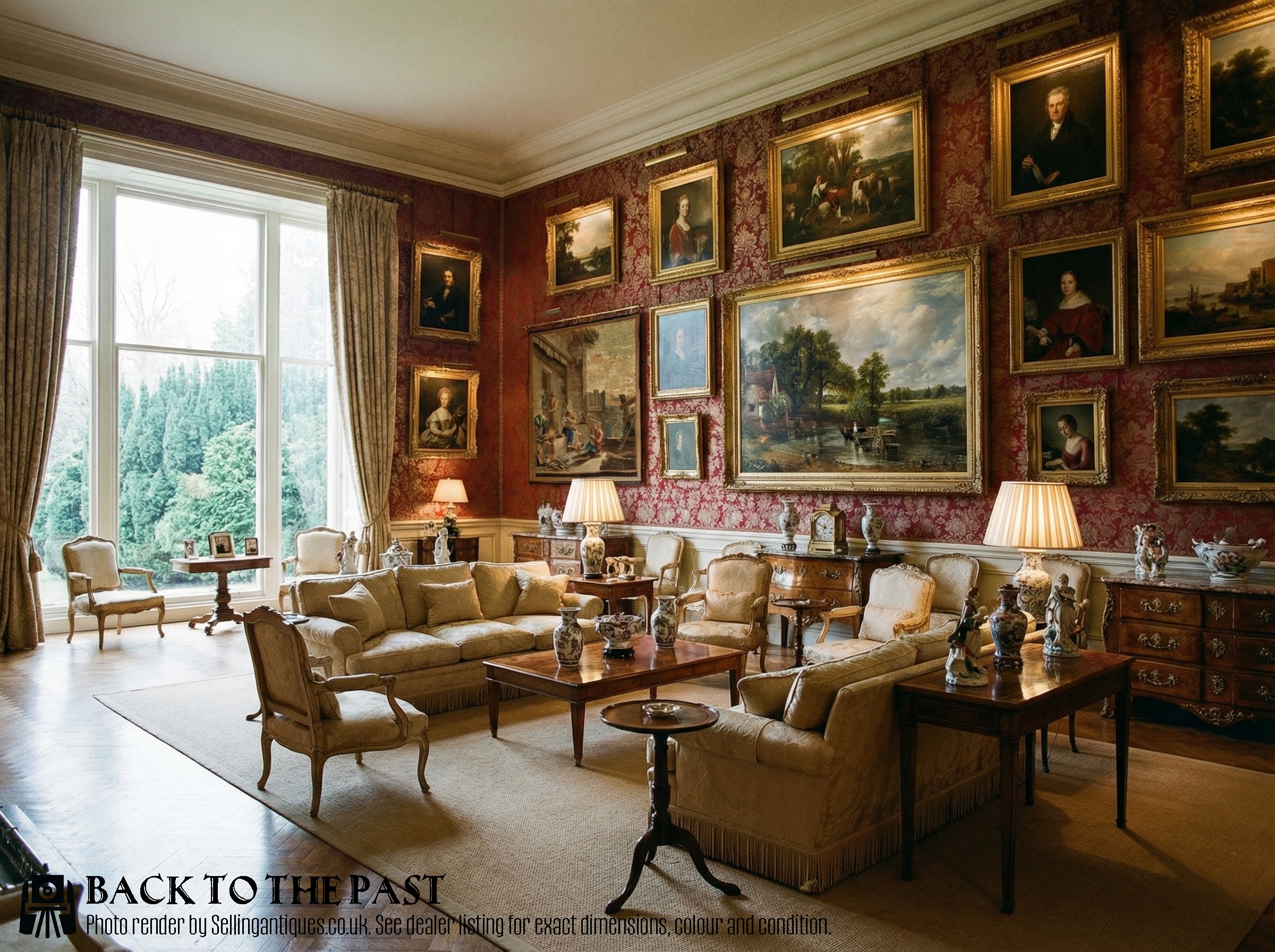
Antique tapestry wall art brings centuries of woven narrative into modern rooms, offering rich textures and historic scenes that warm large walls.
Antique Tapestry Wall Art
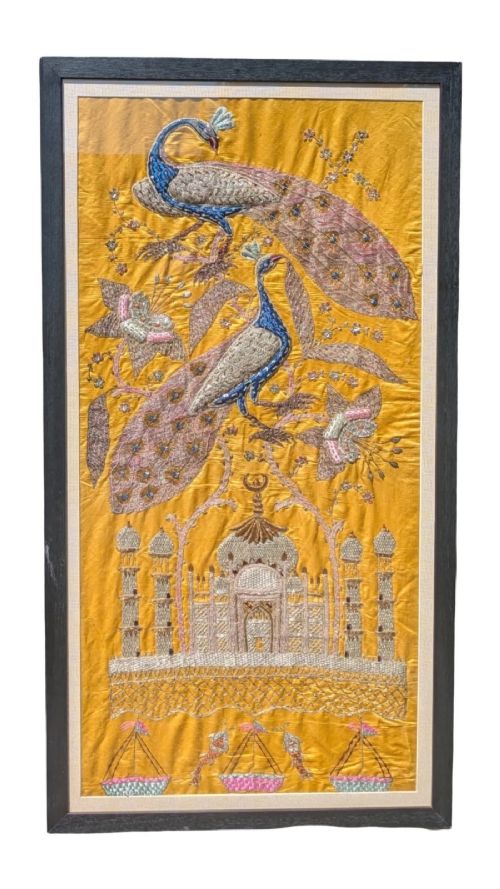
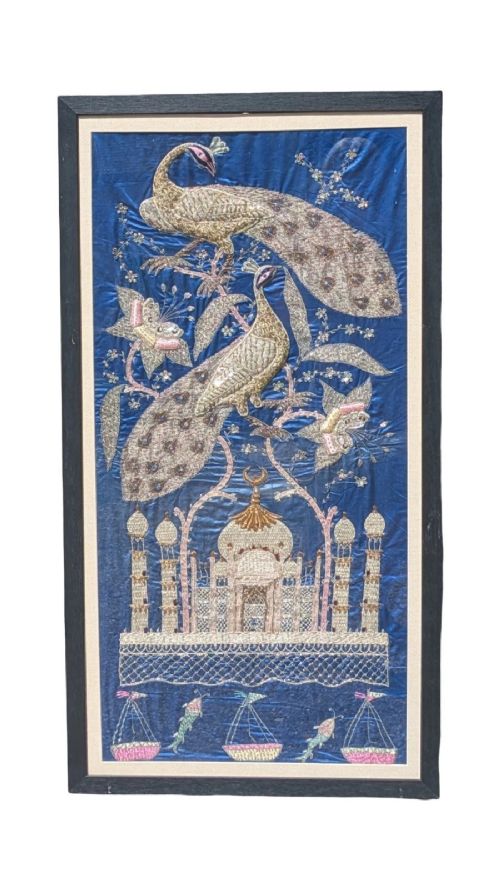
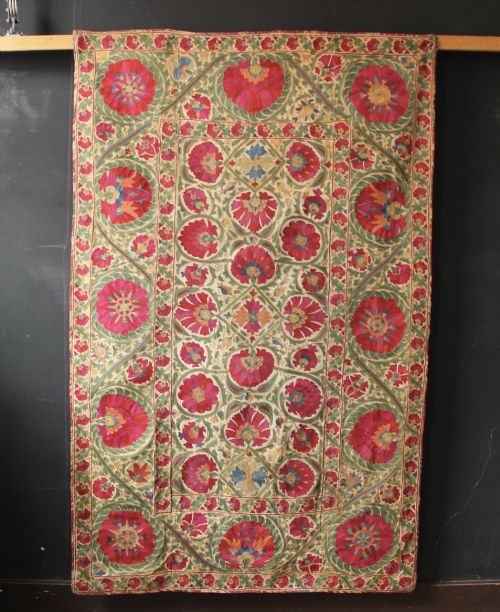
When you search for antique tapestry wall art, you are looking at historic textile creations designed to decorate grand rooms and insulate stone walls. These pieces range from substantial framed needlework to monumental Flemish tapestry fragments and long French panels.
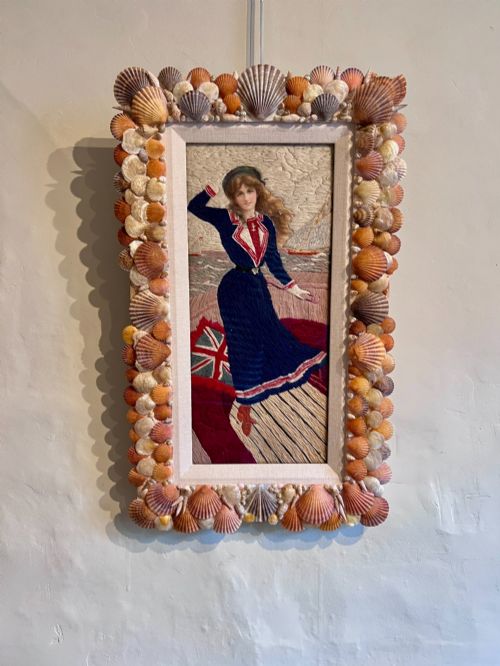
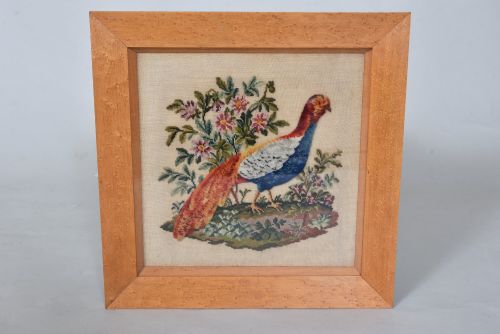
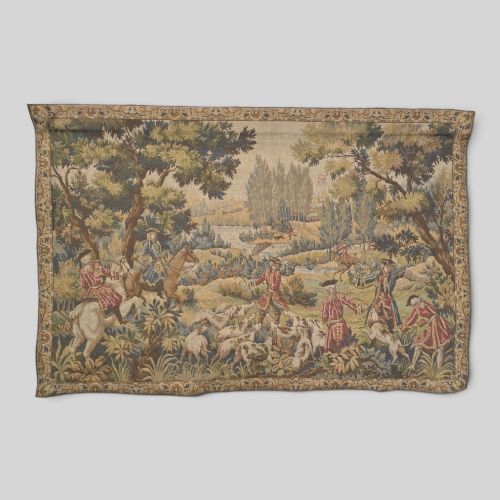
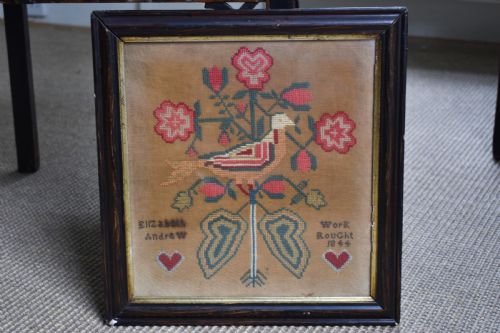
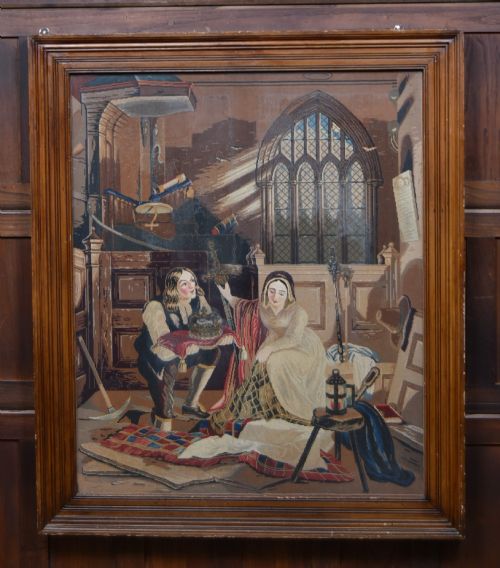
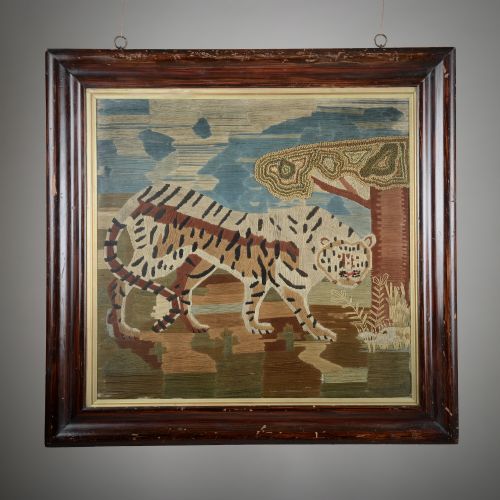
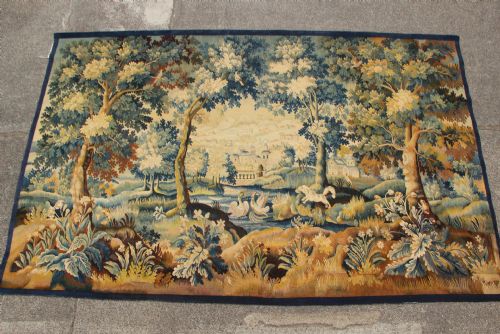
You are most likely to meet 17th century works alongside later Victorian interpretations on this page. Examples span French pastoral scenes, historic Flemish fragments, and detailed needlework depictions of animals.
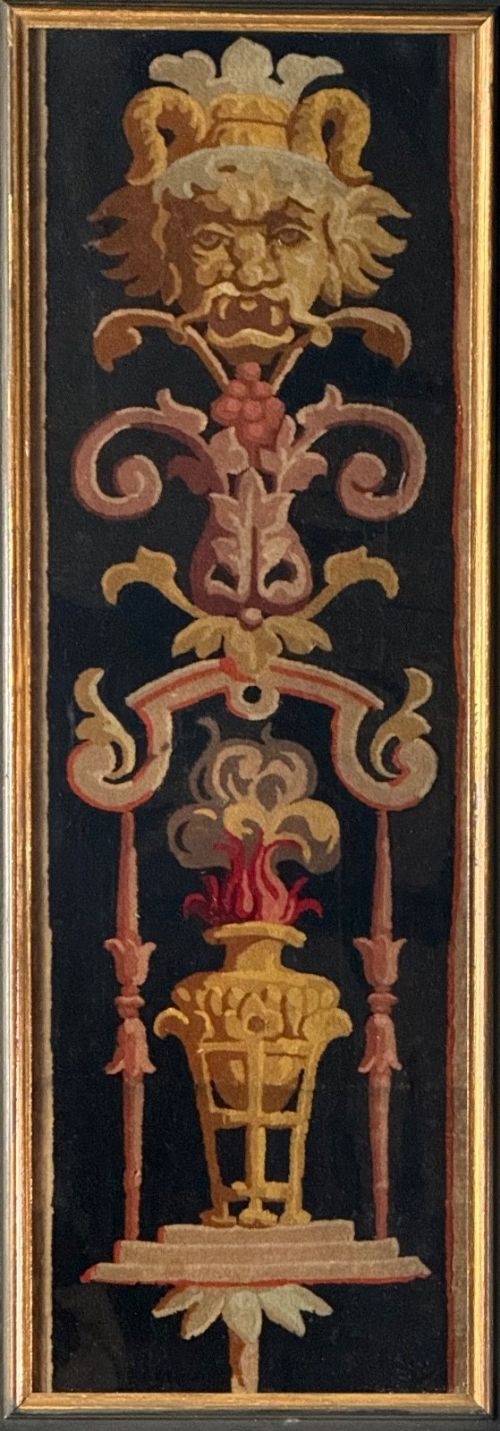
The styles represented include French Rococo, Baroque, Flemish Baroque, and Victorian Rococo Revival. Forms include textile art, wall hangings, and framed panels incorporating wood, glass, and gilt elements.
How they were made
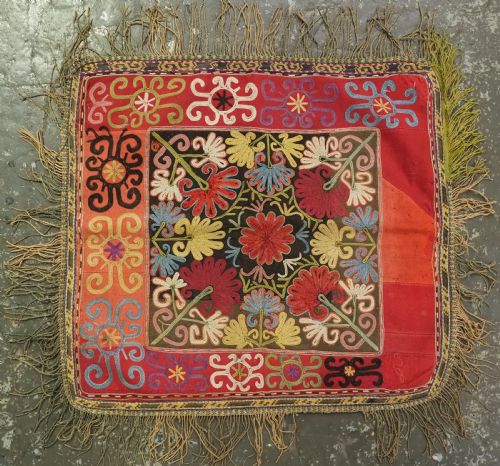
These works utilise a combination of natural fibres including wool, silk, linen, cotton, and canvas. Skilled hands wove or stitched these materials into complex figurative designs and pastoral landscapes.
Many surviving panels incorporate wooden frames, sometimes with gilt finishes and glass protection. The structural backing relies on sturdy canvas and linen to support heavier wool and silk compositions.
Antique Tapestry Wall Art Retail Price Guide 2026
Typical asking prices for tapestry wall art among the pieces listed under this phrase on Sellingantiques today, from the lower quarter to the upper quarter. They describe what is for sale here now, not the wider market.
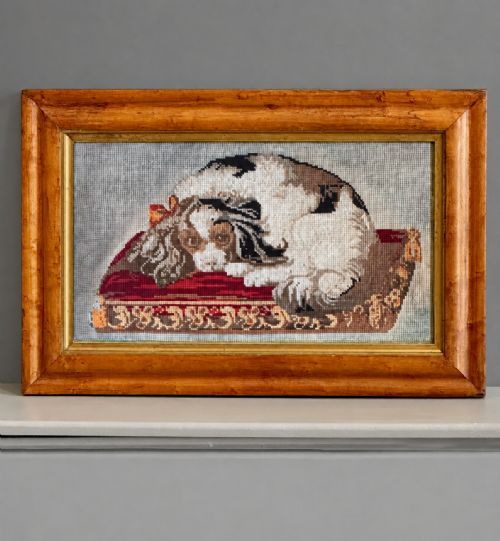
A solitary Victorian horse looks out from its needlework frame, proving that historical textile artists loved their pets just as much as we do.
What varies in quality
Quality rests in the fineness of the fibre work and the complexity of the woven or stitched narrative. Finer silk and wool blending allows for greater detail in facial expressions and botanical motifs.
Condition and completeness also separate pieces, as fragments retain historical interest while intact panels present unified visual statements. The sophistication of the underlying style, from Flemish Baroque to French Rococo, dictates the artistic ambition of the piece.
The Antique Tapestry Wall Art Glossary
- Flemish Baroque
- A robust 17th-century artistic style originating in Flanders, known for dramatic movement and rich, dense compositions in textile art.
- French Rococo
- A decorative style characterised by asymmetry, scrollwork, and lighthearted pastoral themes seen in late 18th-century French panels.
- Needlework
- Hand-stitched textile art created with yarn or thread on a canvas or linen ground, popular in Victorian framing.
- Tapestry Fragment
- A surviving portion of a larger historic wall hanging, preserving key figurative or decorative elements from an earlier century.
Antique Tapestry Wall Art: Frequently Asked Questions
How do I hang antique tapestries safely?
Support heavy textile panels evenly across a batten or specialised sleeve rather than hanging them from isolated points. This distributes the weight of the wool, silk, and canvas without stressing individual threads.
Keep woven works away from direct sunlight and damp walls to preserve the natural fibres. Gentle framing behind glass suits smaller needlework pieces while larger wall hangings benefit from breathable linen backings.
What is the difference between Flemish and French panels?
Flemish pieces often date to the 17th century and showcase dramatic Baroque storytelling with dense, dark foliage and historic narratives. They reflect the renowned weaving traditions of northern workshops.
French examples on this page tend towards later Rococo pastoral scenes with lighter palettes and softer romantic themes. These reflect the evolving interior tastes of the 18th and 19th centuries.
How should I clean antique textile art?
Surface dust can be removed very gently using a low-suction vacuum through a protective mesh screen. Avoid harsh rubbing or commercial cleaning agents on delicate silk and wool threads.
Professional textile conservators should handle deep cleaning or structural repairs. Proper preventive care remains the best method for maintaining historic wall art.
Are framed needleworks considered tapestries?
Framed needleworks are stitched by hand using a needle and thread on canvas, whereas traditional tapestries are woven on a loom using a warp and woof structure. Both forms serve a similar decorative purpose on walls.
Victorian needlework often depicts specific subjects like animals or portraits within dedicated frames. They share materials like wool and linen with larger woven wall hangings.