
Antique Tapestry Back Chair
An antique tapestry back chair brings historical needlework and solid timber frames into a modern room.
Antique Tapestry Back Chair
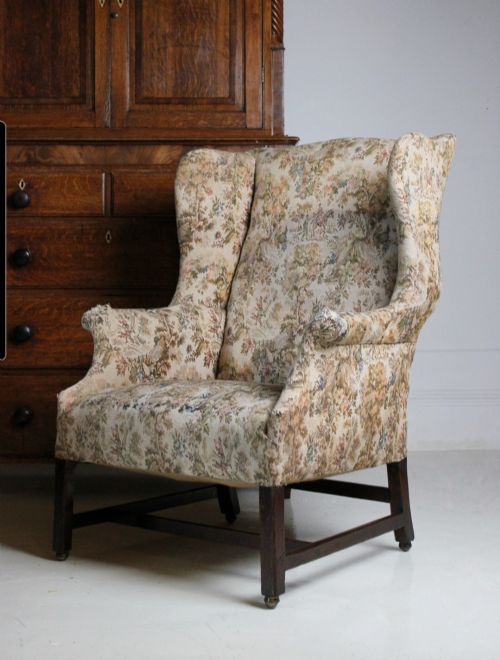
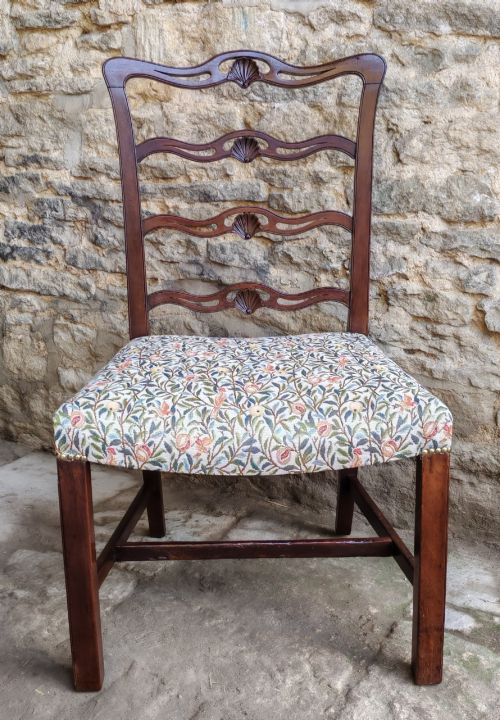
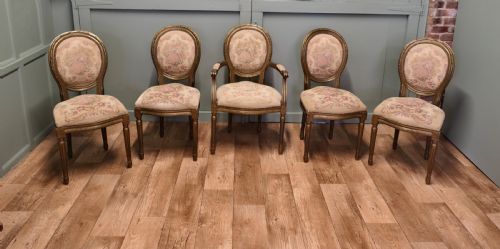
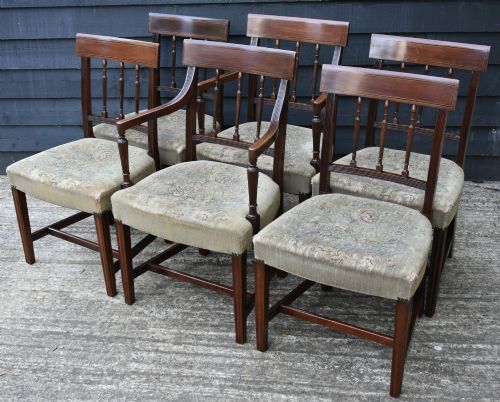
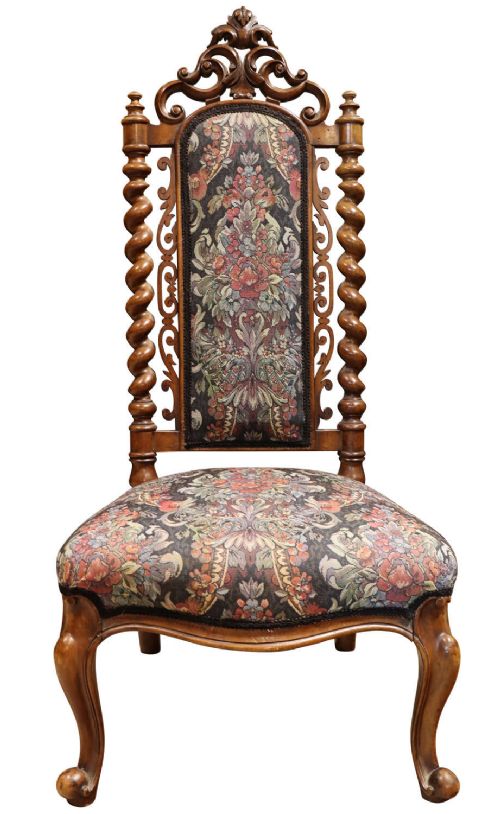
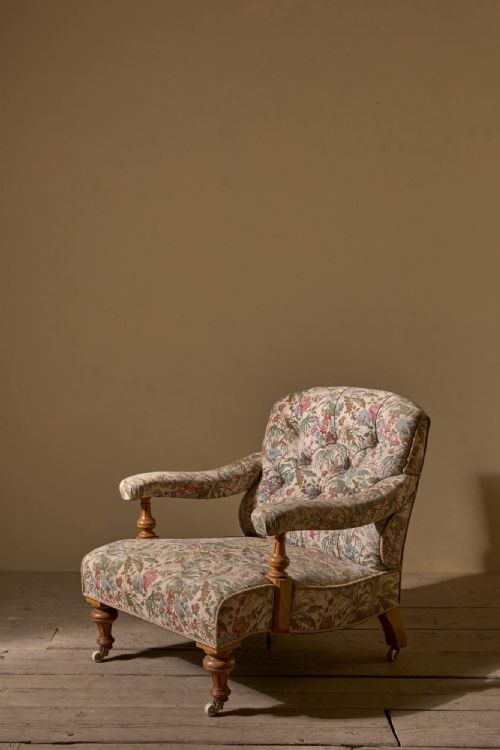
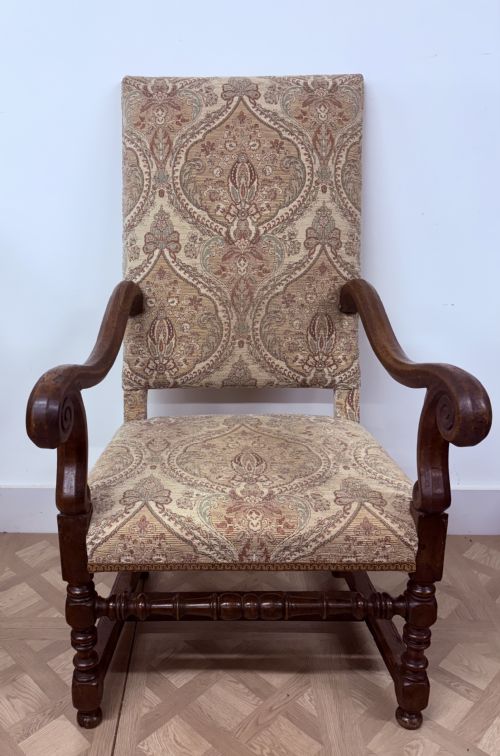
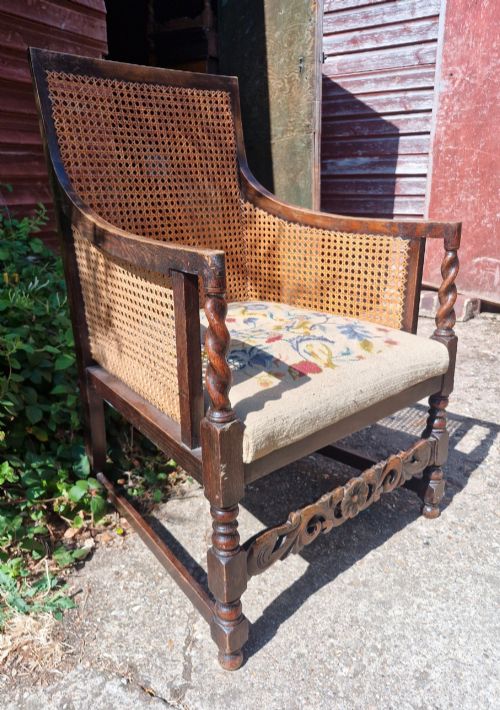
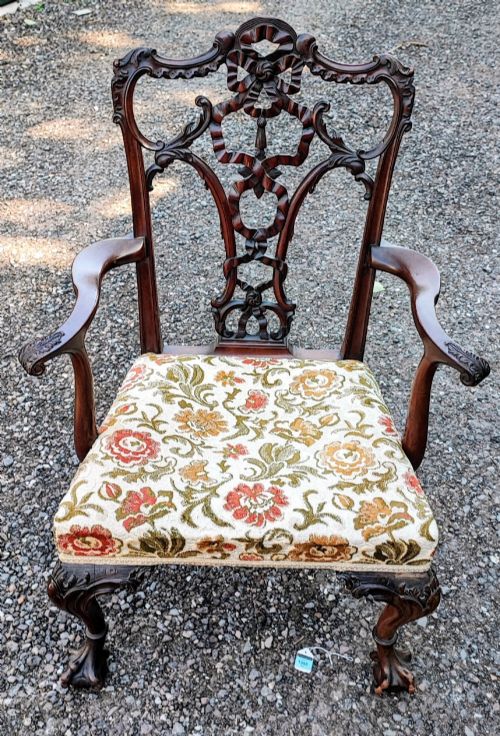
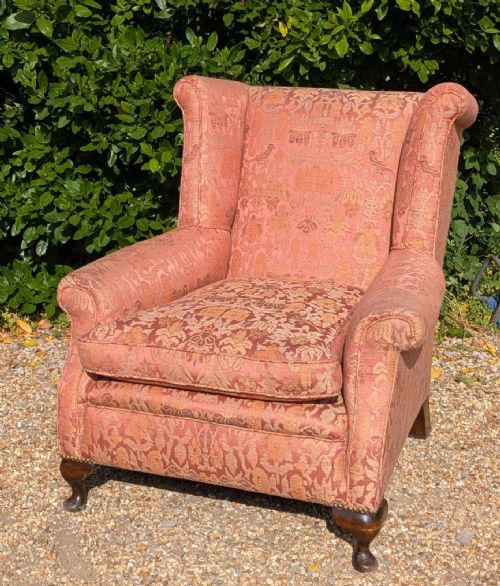
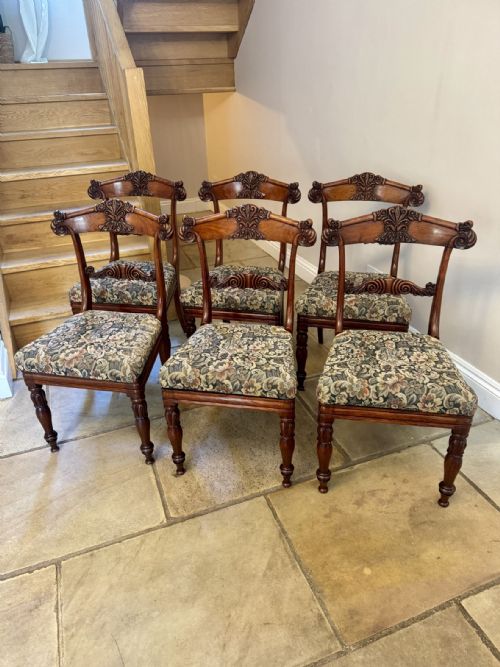
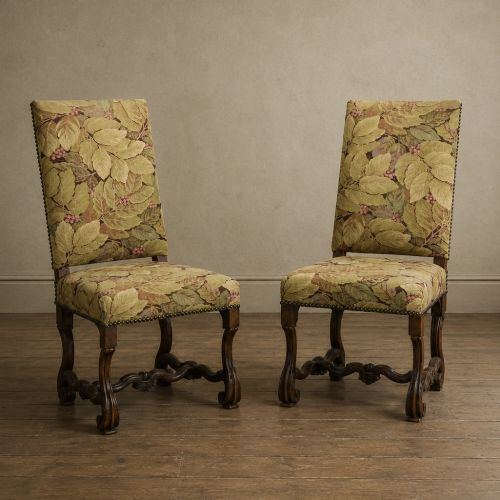
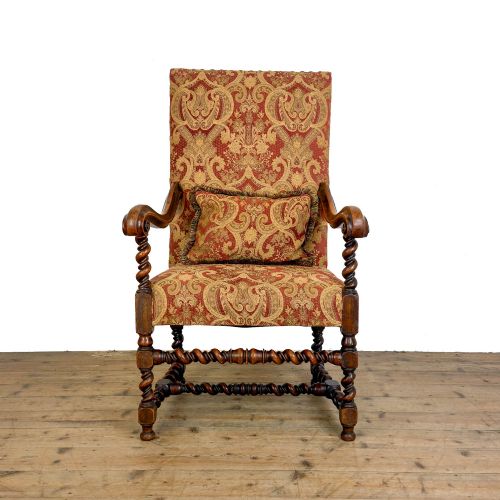
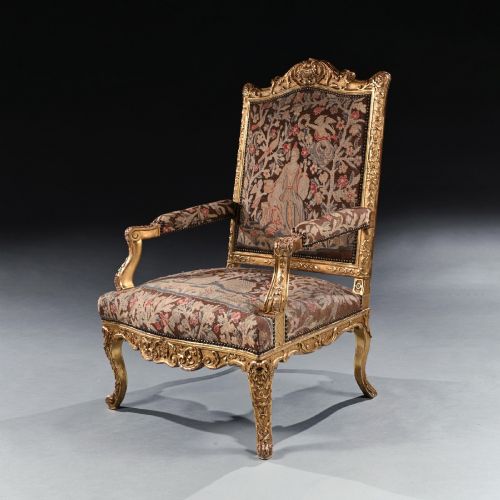
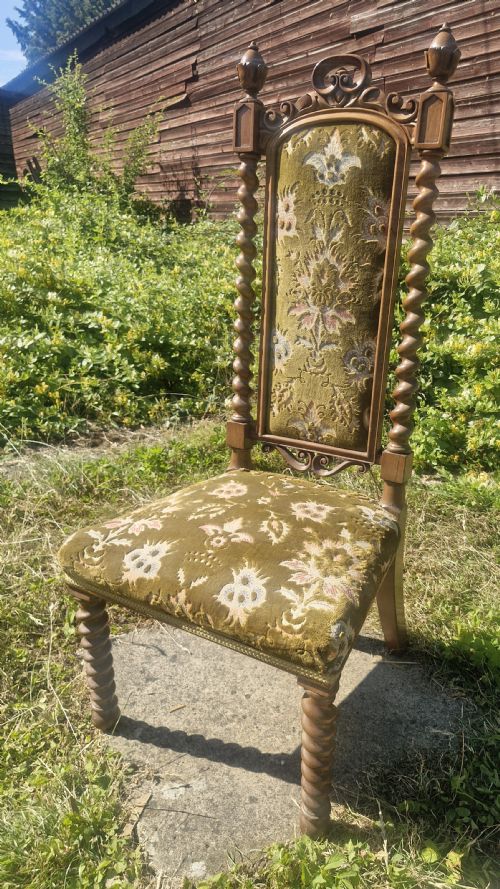
An antique tapestry back chair combines a sturdy timber frame with woven or worked needlepoint panels set into the backrest. The pieces appearing in this selection span multiple eras, including Victorian, Edwardian, and earlier eighteenth-century periods.
Most examples you will encounter take the form of open armchairs, salon chairs, or elbow chairs constructed from walnut, mahogany, or oak. These seating options range from heavily carved revival styles to simpler country house designs.
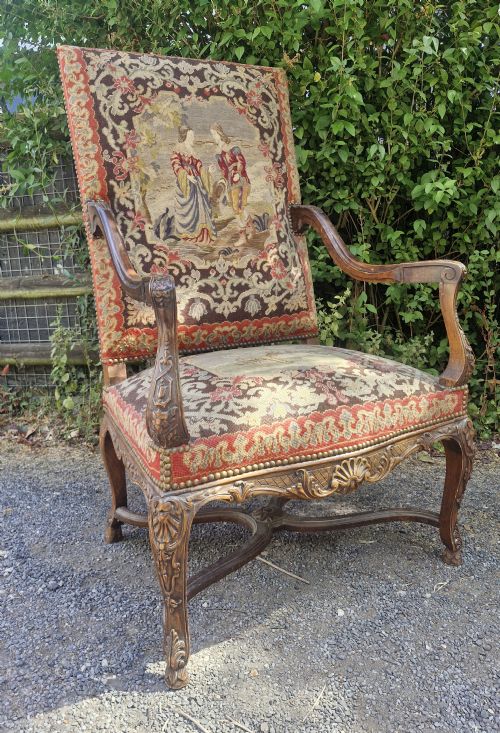
The integration of tapestry upholstery defines this group, linking structural woodwork with decorative textile panels. Makers across different decades paired sturdy timber skeletons with detailed needlework seats and backs.
Materials and construction methods
Frames rely on dense hardwoods such as mahogany, walnut, oak, and beech, shaped through turning, carving, and joinery. Timber components provide the structural integrity required to support upholstered backs and seats over centuries.
The textile elements consist of tapestry fabric, needlework, and needlepoint panels worked in wool and silk threads. These panels are secured directly into the wooden framework, often accompanied by traditional stuffing and feather fillings.
The inventory spans seventeenth-century oak pieces through to early twentieth-century Edwardian and Arts and Crafts examples.
What distinguishes the quality
Quality rests in the crispness of the timber carving and the density of the needlework stitches in the tapestry panels. Finer pieces display intricate hand-carved details on walnut or mahogany frames alongside tight, finely worked petit point needlework.
The integrity of the original frame construction and timber selection also separates standard examples from exceptional ones. Heavier woods, robust joinery, and well-preserved textile panels elevate the standing of a piece.
Liberty and Co
The Antique Tapestry Back Chair Glossary
- Petit point
- A fine needlepoint stitch worked on single-thread canvas, allowing for high detail in tapestry panels. This technique appears on choice antique chair backs.
- Elbow chair
- An armchair with short arms, often designed for a desk or parlour use. These pieces provide compact seating with timber supports.
- Salon chair
- A light, decorative chair intended for formal reception rooms during the Victorian and later periods. They often feature upholstered backs and carved wooden frames.
- Bergere
- An enclosed upholstered armchair with wooden framing visible around the sides and back. This French form frequently incorporates cane or fabric panels.
- Spoon back
- A padded chair back shaped like the bowl of a spoon to fit the human spine. This form is common in mid-Victorian walnut seating.
Antique Tapestry Back Chair: Frequently Asked Questions
How do I clean an antique tapestry back chair?
Gently vacuum the textile panels using a low suction setting through a mesh screen to protect old threads. Avoid harsh chemical cleaners and direct water contact on both the fabric and the timber.
Dust the wooden frame with a dry microfiber cloth. Professional textile conservators should handle deep cleaning for fragile needlework.
Can I use an antique tapestry back chair every day?
Most solid hardwood frames tolerate normal daily sitting if the underlying joinery remains stable. Regular use places physical stress on antique textiles, so gentle sitting preserves the aged panels.
Weigh the fragility of the tapestry against its placement in a busy room. Lighter use suits finer needlework panels best.
How do I tell a Victorian chair from an 18th century one?
Examine the timber species, joinery methods, and the style of carving on the frame. Eighteenth-century pieces often display hand-cut joinery and proportions specific to the Georgian or Regence eras.
Victorian iterations typically utilise machine-assisted production alongside revival motifs like Jacobean or Louis styles. Walnut and rosewood rose in popularity during the nineteenth century.
Were these chairs always upholstered in tapestry?
Many chairs received their tapestry panels during original manufacture, particularly in nineteenth-century revival periods. Earlier frames sometimes underwent later reupholstery to incorporate decorative needlework.
Needlepoint additions from various decades often replaced worn silks or damasks. Inspect the tack holes and webbing to understand the history of the upholstery.