
Antique Tallboy Chest Drawers
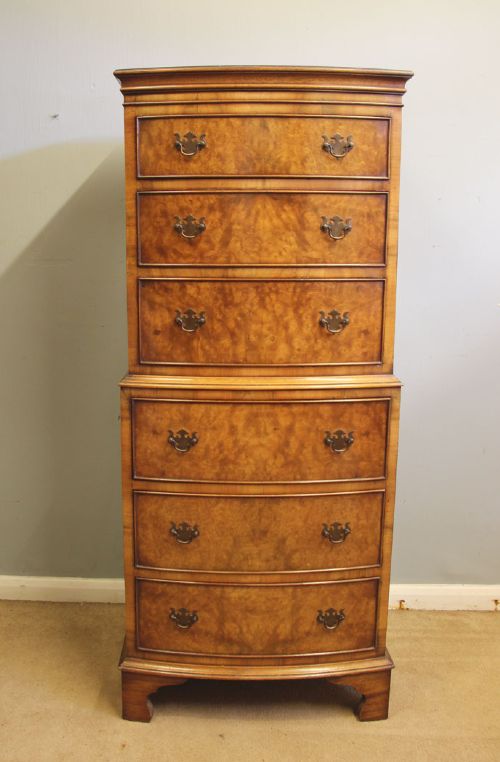
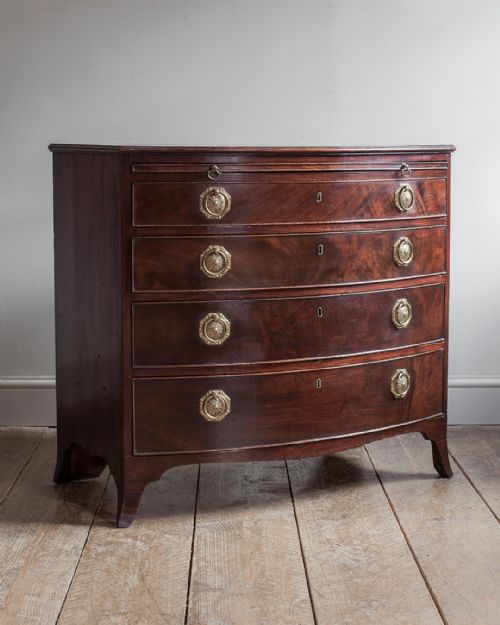
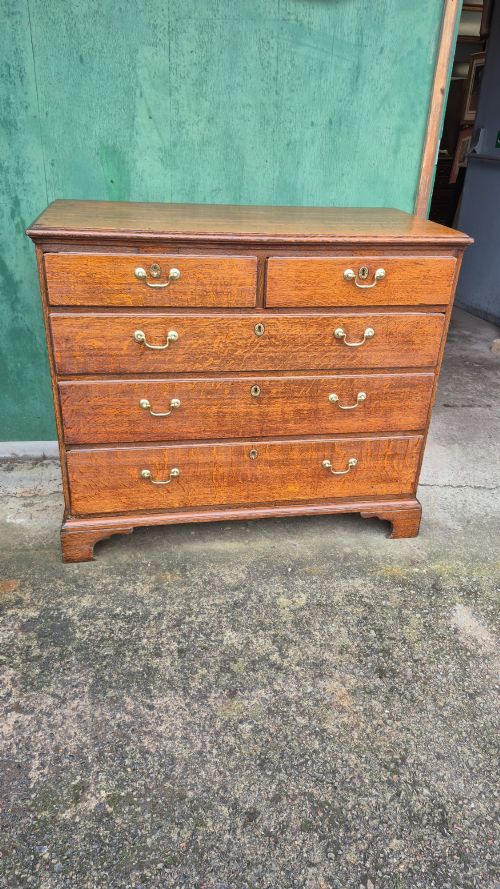
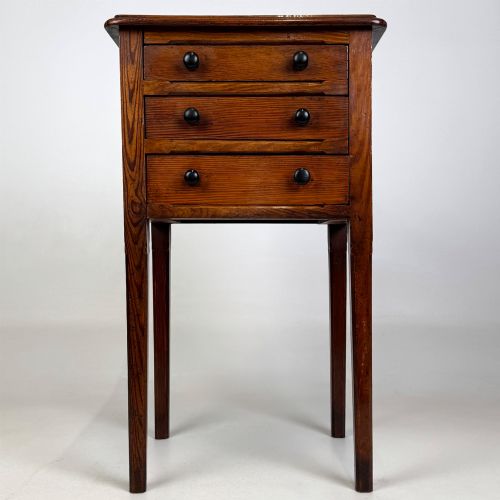
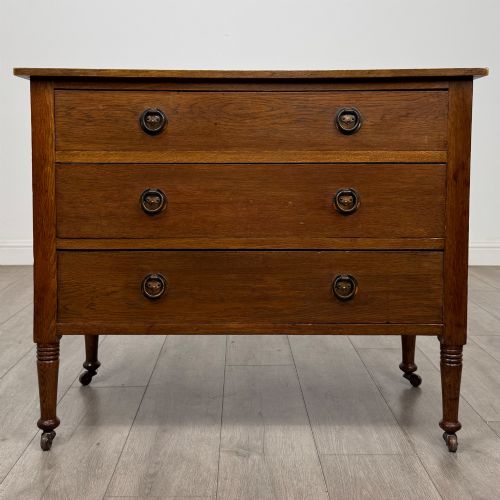
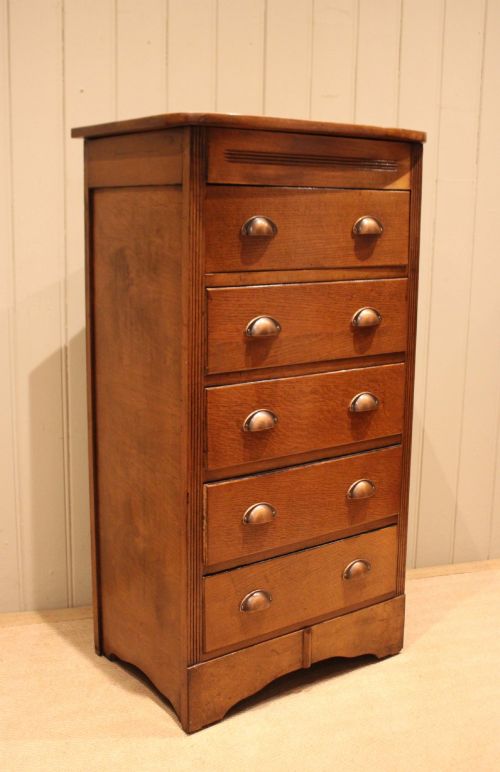
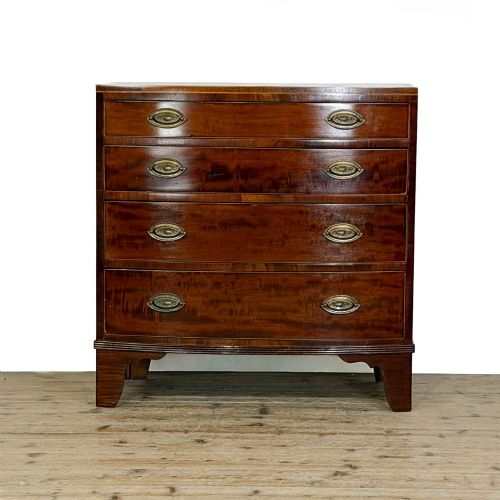
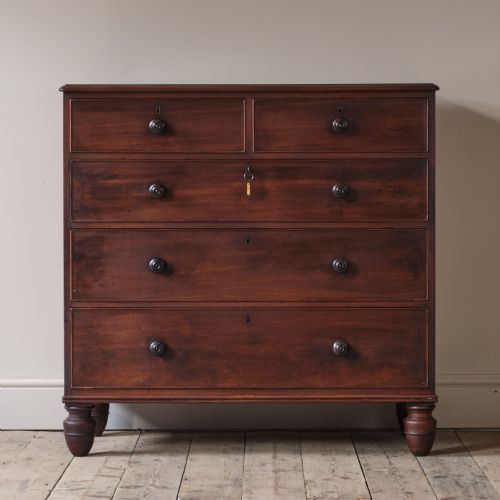
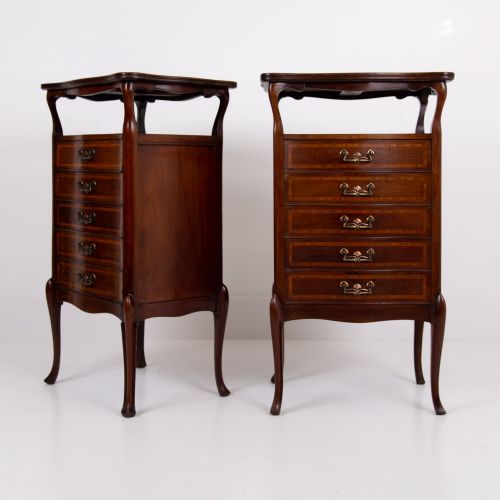
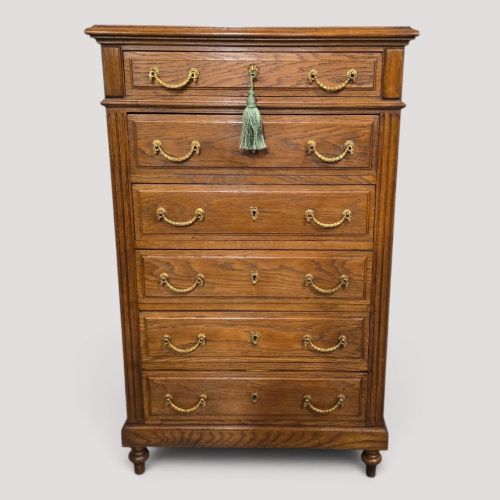
These antique tallboy chest drawers stack storage upward to save floor space while offering the imposing presence of walnut, mahogany, and oak.
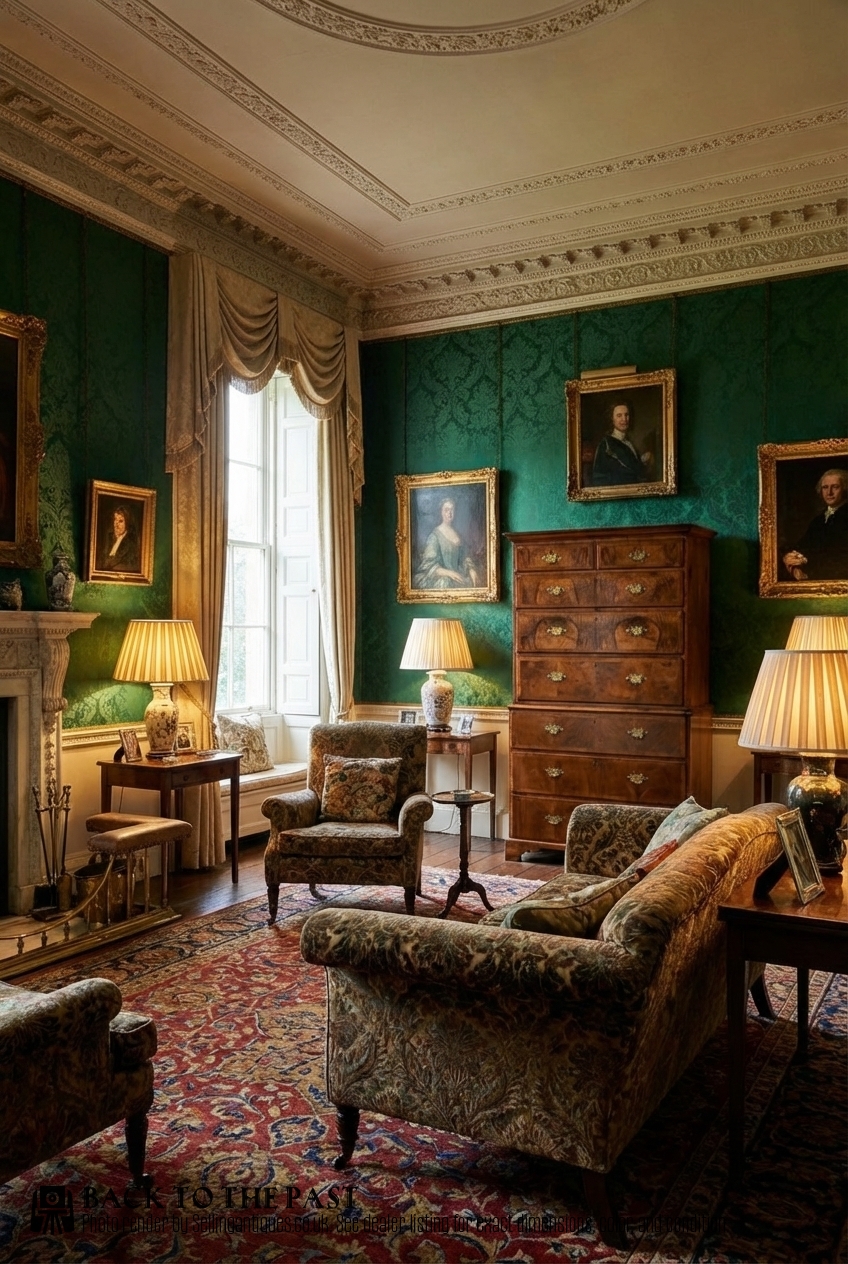
Understanding antique tallboy chest drawers
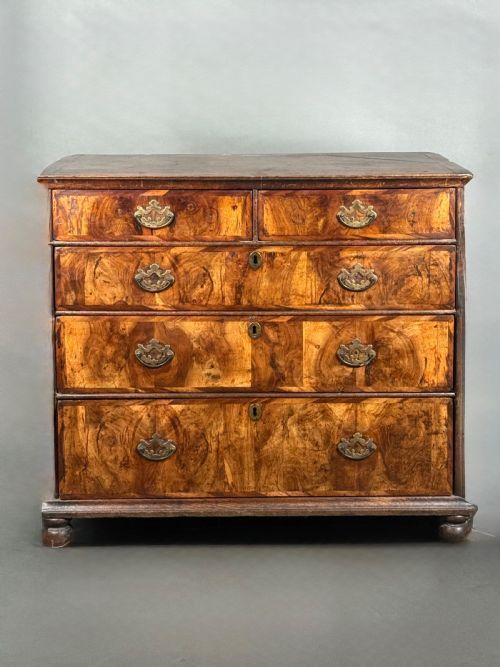
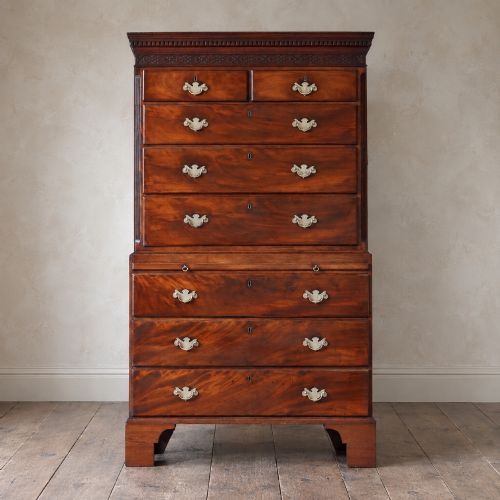
An antique tallboy chest drawers combines substantial vertical storage with a smaller footprint by stacking one chest directly on top of another, often referred to as a chest on chest. These substantial pieces appear across several centuries, with particular emphasis on Georgian walnut and mahogany examples alongside later Victorian and Edwardian interpretations.
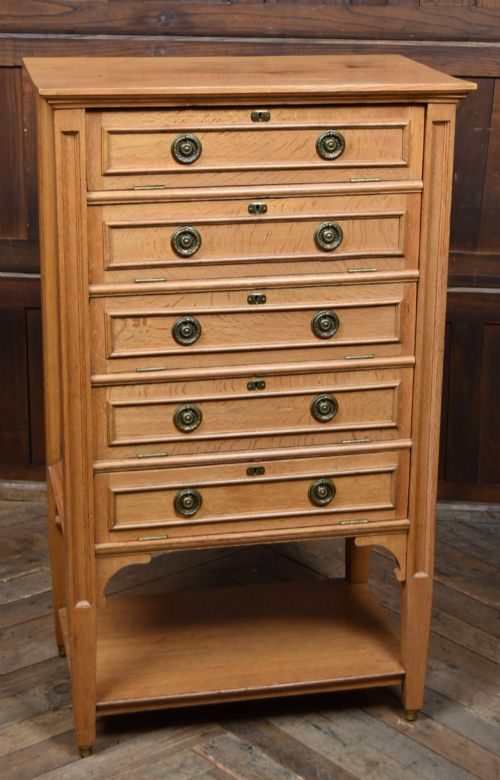
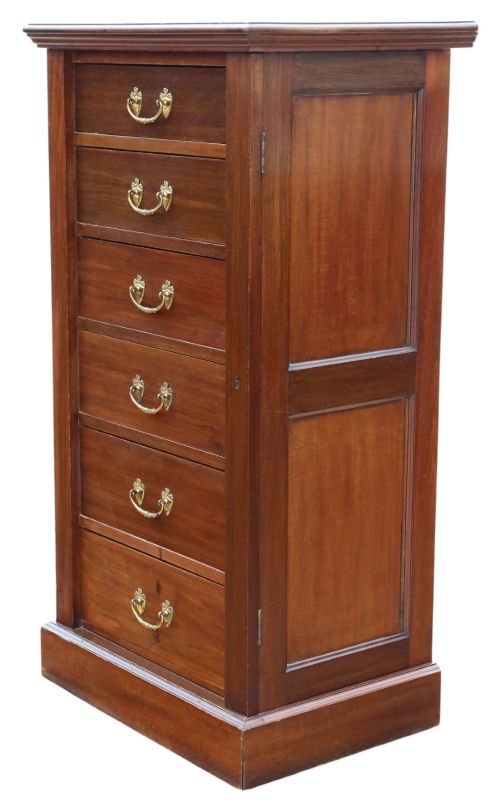
The form frequently incorporates related tall furniture such as linen presses, press cupboards, and secretaire chests containing fitted writing drawers. Buyers meet both traditional two-part stacking carcases and single-body tall formats in timbers ranging from figured burr walnut to regional oak and ash.
Originating to maximise bedroom storage without cluttering floor plans, these cabinets serve the same practical function today. The selection spans formal Georgian vernacular pieces to later revival and art deco iterations.
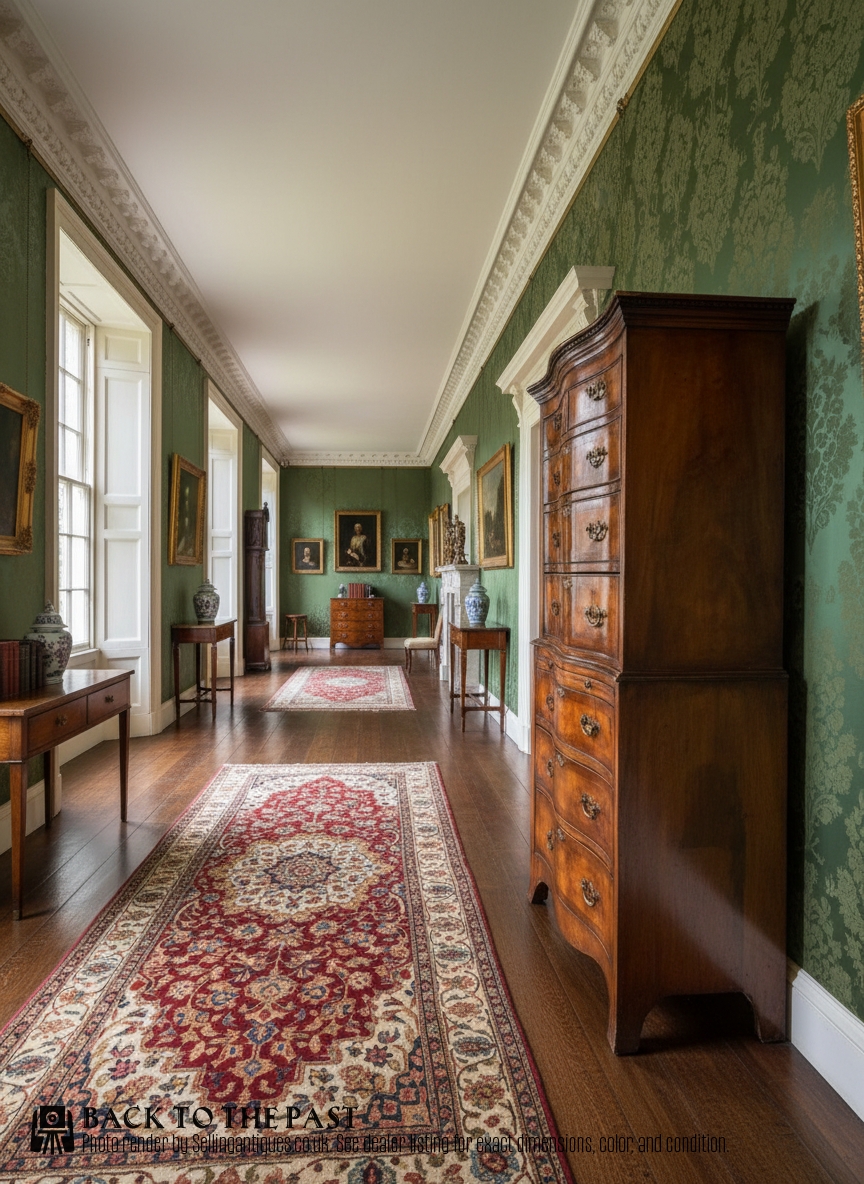
Materials and construction
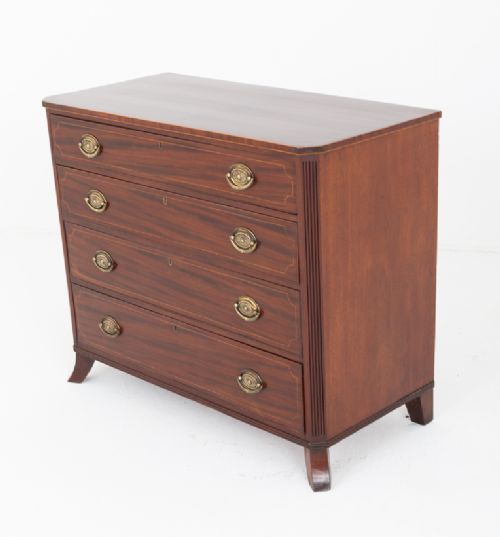
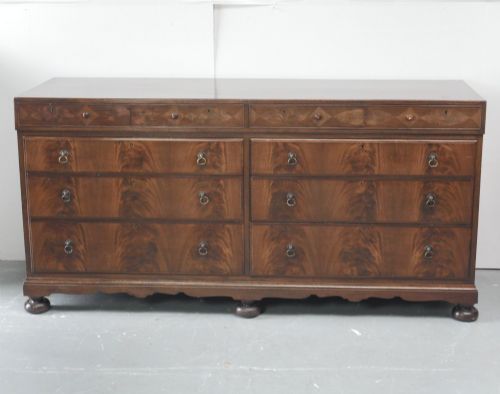
Cabinet makers utilised dense native and imported timbers, selecting figured burr walnut, flame mahogany, and quarter-sawn oak for primary visible surfaces. Secondary structural elements often rely on softer woods, while brass handle hardware and escutcheons secure drawer fronts.
Construction techniques involve dovetail joints for drawer boxes and frame-and-panel assemblies for the upper and lower carcases. Timber veneers are laid over solid sub-frames to create decorative grain patterns, particularly on walnut and mahogany models.
Retail Price Guide 2026
Typical UK retail prices for tallboy chest drawers, calculated from the Sellingantiques database of over a million retail prices indexed since 2003. This retail price guide relies exclusively on Sellingantiques data; no external sources or auction records are used, so the figures do not describe the wider market.
Some tallboy drawers are so deep that generations of owners used the lower recesses to hide family silver and spare riding boots.
Judging quality in tall furniture
The hierarchy of quality rests primarily on the choice of timber figure and the precision of the cabinet work. Highly figured burr walnut or rich flame mahogany veneers indicate high-status commissions, whereas simpler regional oak and ash represent utilitarian workshop production.
Proportion and surface preservation dictate the standing of a piece within the market. Original brasses, crisp drawer linings, and untouched patination elevate examples well above those with heavy modern interventions or replaced hardware.
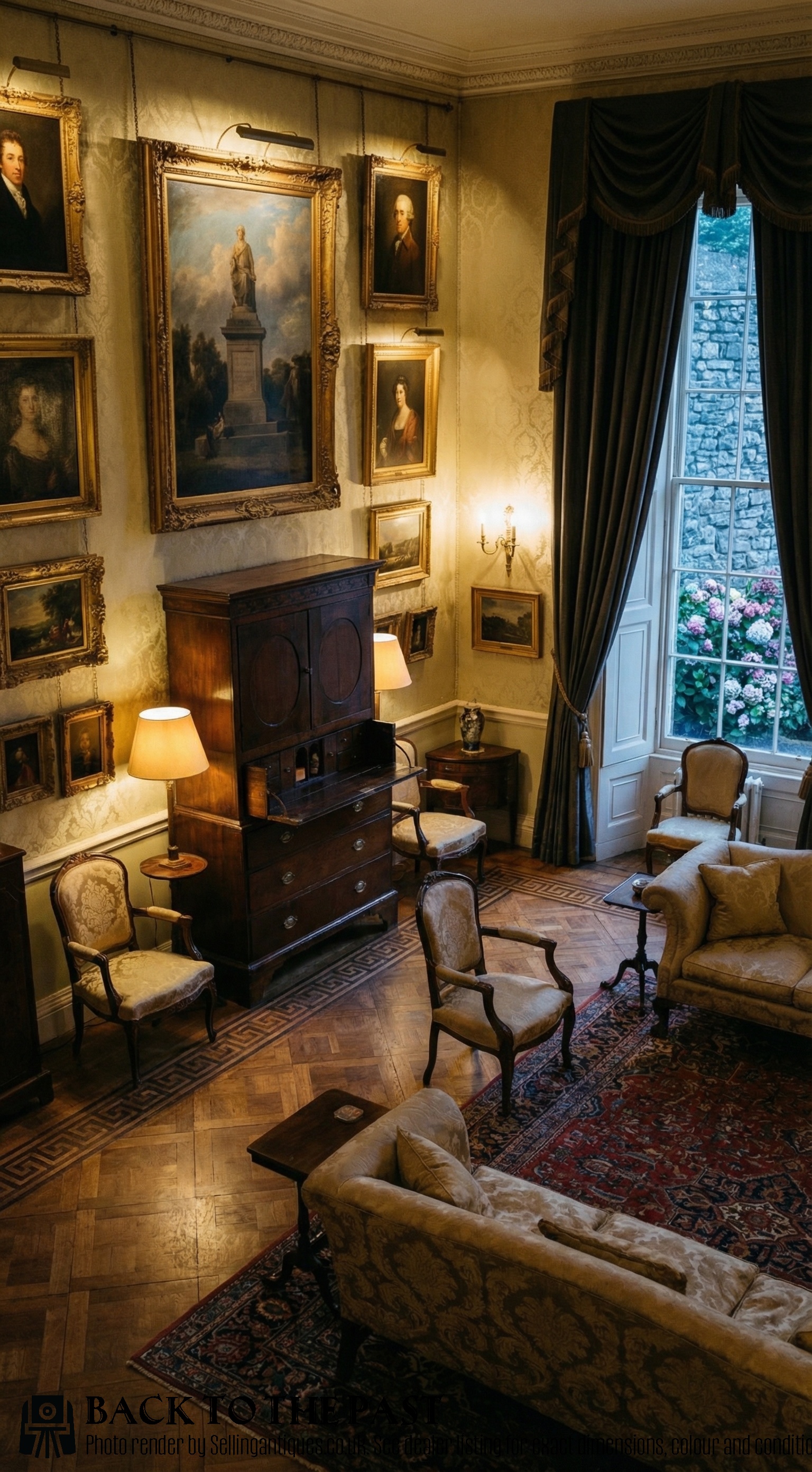
Heals·Waring & Gillow
The Antique Tallboy Chest Drawers Glossary
- Tallboy
- A tall chest of drawers made in two sections, where a smaller chest sits atop a larger base chest. This form first gained popularity in the early eighteenth century.
- Chest on chest
- An alternative descriptive term for a tallboy, emphasising the stacked two-part carcase construction. It allows a tall storage unit to be moved in two manageable sections.
- Secretaire
- A cabinet incorporating a fitted pull-down writing drawer with small compartments and pigeonholes. It merges desk functionality with bedroom storage.
- Linen press
- A tall cupboard featuring upper doors enclosing sliding trays or shelves for textiles, positioned above lower storage drawers. They form part of the broader tallboy family in domestic interiors.
- Burr walnut
- A prized timber veneer harvested from walnut tree growths, displaying intricate swirling grain patterns. Cabinet makers used it on high-end eighteenth-century and revival pieces.
Frequently Asked Questions
What is the difference between a tallboy and a standard chest?
A tallboy stacks one chest on top of another to achieve greater height while occupying minimal floor space.
Standard chests remain low to the ground and typically feature a single integrated carcase beneath a tabletop surface.
How do I secure a tallboy to the wall?
Because these stacked cabinets are tall and heavy, secure them using discreet anti-tip brackets attached to the upper rear framing.
This prevents movement while maintaining the visual integrity of the historic timber.
Can a tallboy be separated into two pieces?
Traditional tallboys are built as two distinct sections, with the upper chest resting on the lower base.
This stacked design facilitates easier transport through doorways and up staircases despite the overall height.
How do I care for antique wood surfaces?
Preserve the finish by applying natural beeswax sparingly and buffing with a soft cloth to nourish the grain.
Keep the timber away from direct heat sources and strong sunlight to prevent veneer splitting and fading.