



Antique Tall Narrow Shelving
Antique tall narrow shelving offers vertical storage for tight corners, combining practical book storage with refined period craftsmanship.
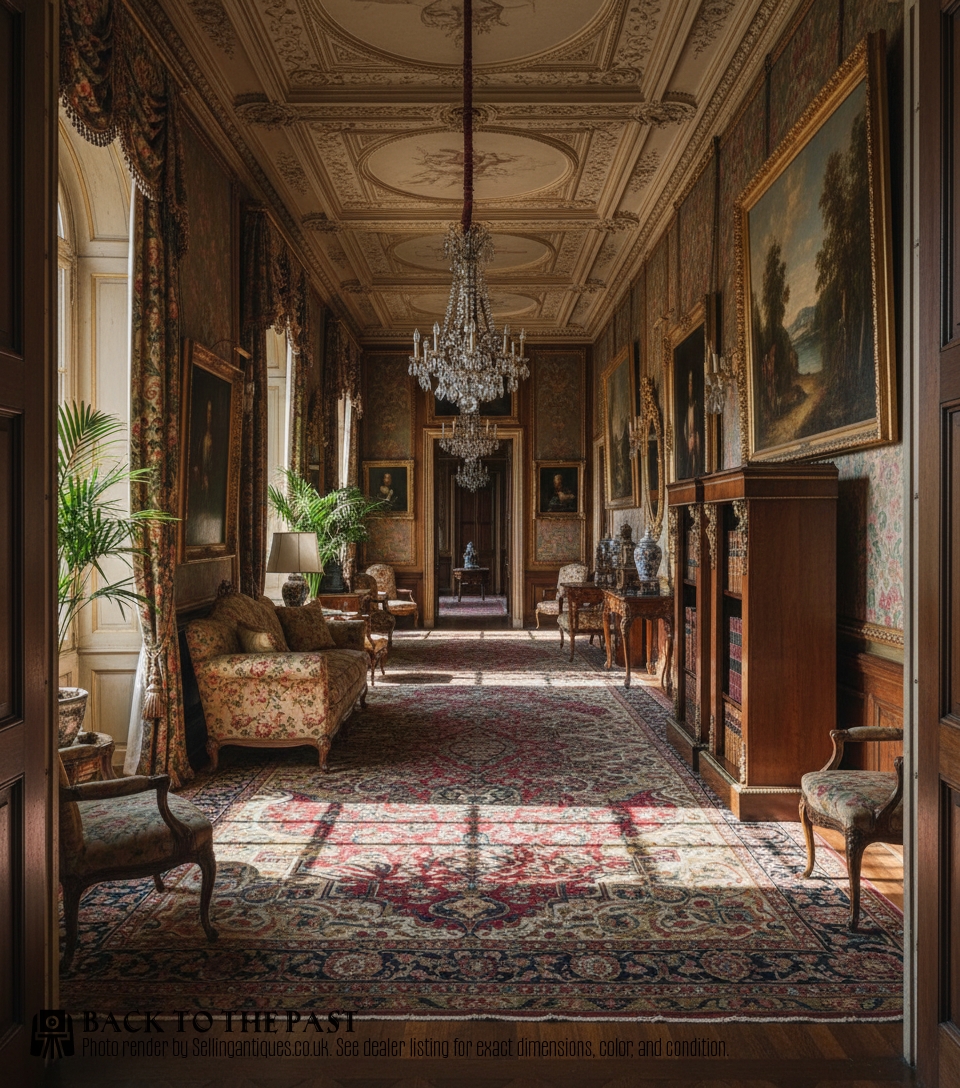
Antique Tall Narrow Shelving
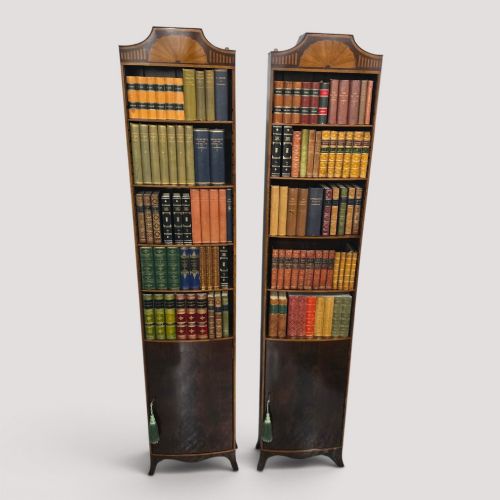
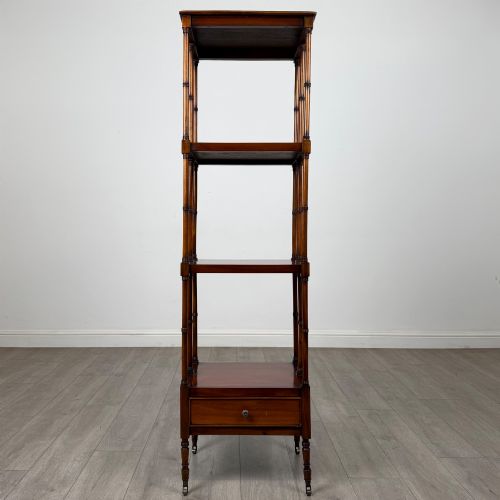
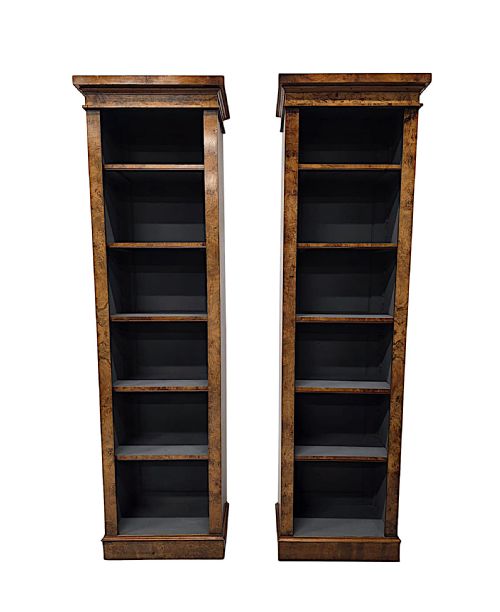
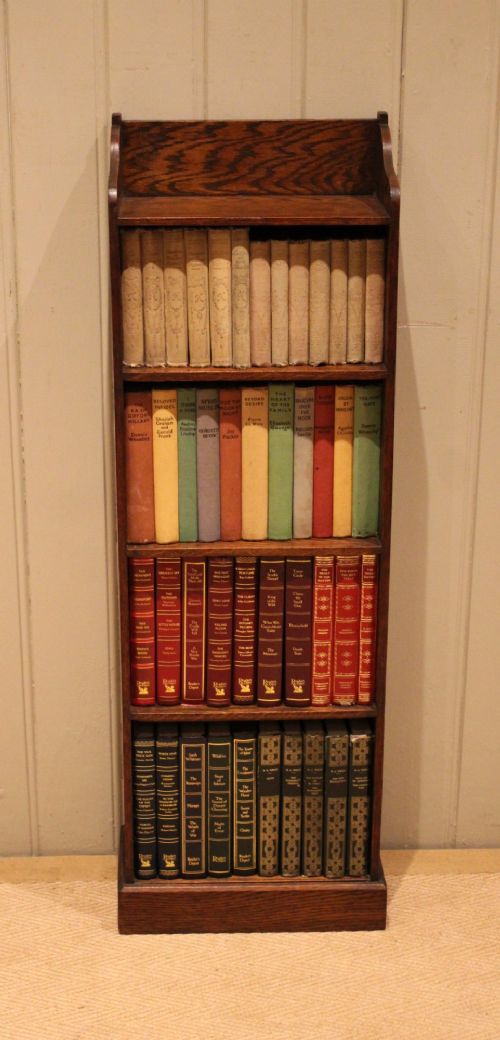
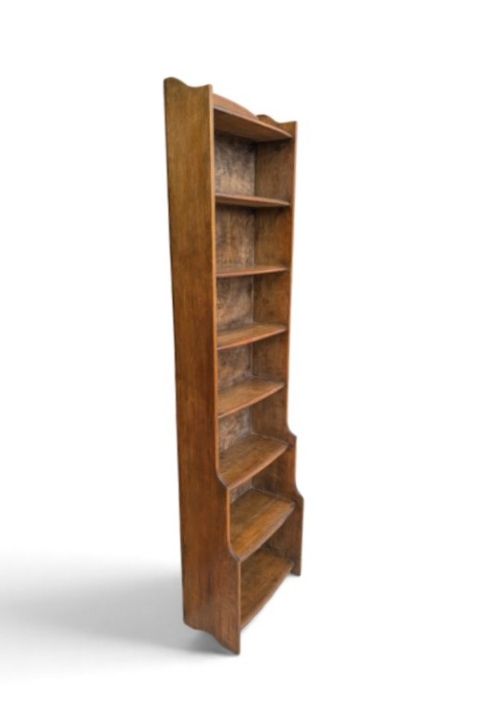
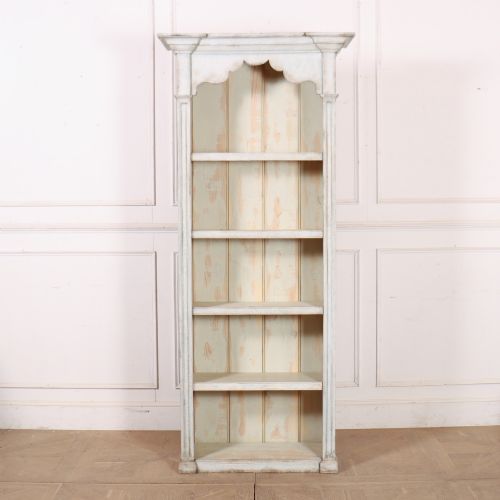
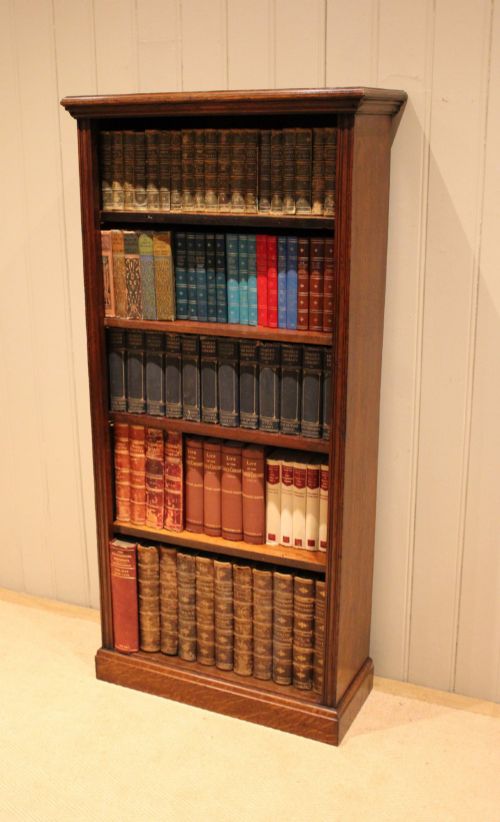
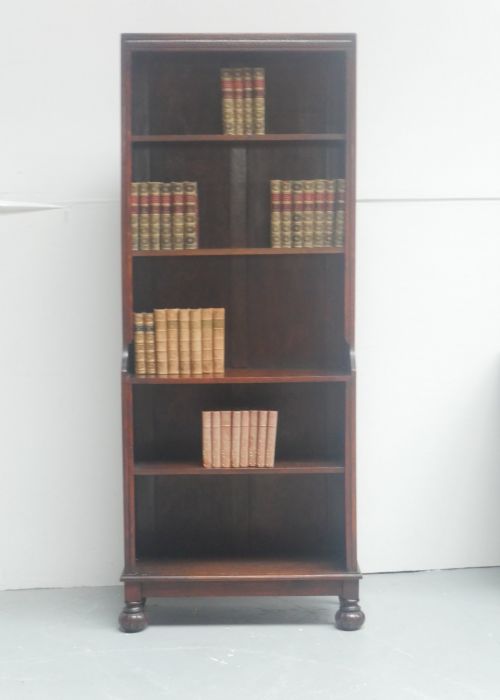
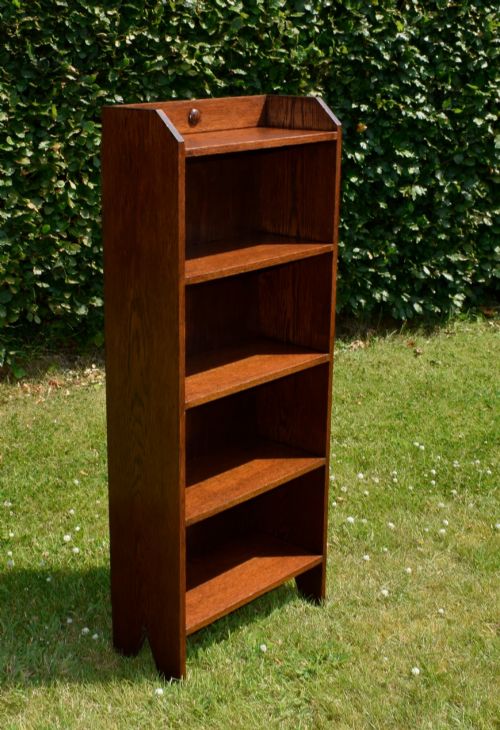
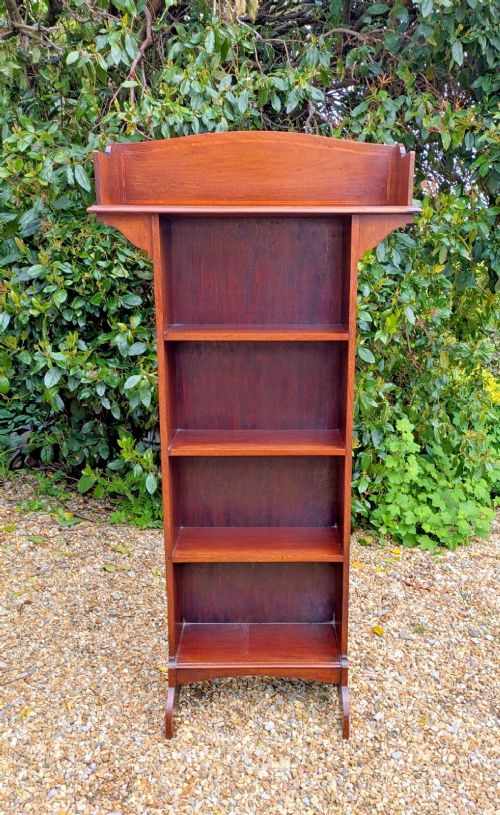
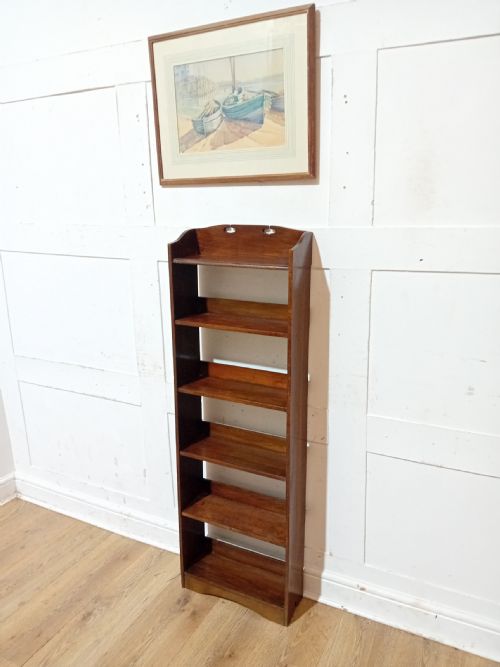
When you search for antique tall narrow shelving, you are looking at upright storage solutions designed to maximise vertical space without dominating a room. These pieces primarily manifest as open bookcases, slim shelving units, and whatnots spanning the late nineteenth century through to the early twentieth century.
You are most likely to meet Edwardian and early twentieth-century examples rendered in oak or mahogany. These practical household items range from simple standing open bookcases to inlaid pieces and occasional corner cabinets.
The enduring appeal of these upright units lies in their modest footprint and generous shelf capacity. They suit modest alcoves and narrow passages where wide furniture simply cannot go.
How they were made
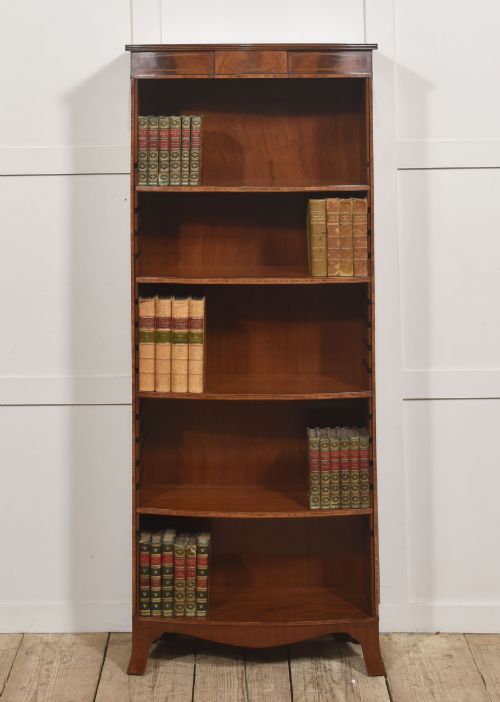
Cabinet makers relied predominantly on solid oak and mahogany for structural integrity, often selecting figured timbers like burr walnut and satinwood for visible surfaces. Inlaid details, beaded edges, and applied mouldings added subtle visual interest to upright panels and cornices.
Construction techniques balanced load-bearing strength with slender proportions, frequently incorporating adjustable shelving supported on traditional timber pegs or metal ratchets. Selected pieces also integrated fine brass mounts and painted finishes to suit specific period tastes.
Listings span periods from the nineteenth century through the 1960s, featuring woods like oak, mahogany, and burr walnut.
What varies in quality
Quality rests in the selection of timber and the restraint of the design, where figured grains and subtle marquetry elevate a utilitarian bookcase into a considered interior piece. Superior examples show careful proportioning that keeps tall upright frames stable and visually light.
Execution of detail separates standard workshop production from finer cabinet work, evident in tight joinery, clean moulding profiles, and well-fitted internal elements. The integrity of the timber finish and the crispness of any inlay dictate the overall presence of the piece.
WYLIE LOCHHEAD·E.A. TAYLOR
The Antique Tall Narrow Shelving Glossary
- Whatnot
- A piece of furniture consisting of a set of open shelves for displaying small objects. They typically feature slender upright supports and tiered platforms.
- Inlay
- A technique where contrasting materials are inserted into the wood surface to form decorative patterns. Common materials include lighter woods and satinwood.
- Waterfall bookcase
- A shelving unit where each successive shelf is slightly set back from the one below it. This stepped arrangement creates a cascading profile.
- Adjustable shelving
- A system allowing internal shelves to be moved to different heights. This practical arrangement accommodates books of varying sizes.
Antique Tall Narrow Shelving: Frequently Asked Questions
Where should I place tall narrow shelving?
These upright units fit neatly into narrow alcoves, tight hallways, or beside fireplaces where standard horizontal furniture is too wide to sit comfortably.
Their restricted footprint allows you to utilise vertical wall space in compact rooms without overwhelming the surrounding floor area.
Are these shelves suitable for heavy books?
Most period bookcases utilise sturdy hardwoods like oak or mahogany which easily support heavy volumes of standard reading size.
Units featuring adjustable shelving let you configure the internal spacing to distribute weight evenly across the main frame.
How do I identify an Edwardian bookcase?
Edwardian pieces typically date from the early twentieth century and often show lighter framing, subtle inlaid decoration, or simple glazed or open fronts.
They frequently employ oak or mahogany timbers, reflecting a shift towards cleaner domestic furniture following the heavier Victorian era.
Can I use display shelves for books?
Display shelves and whatnots are primarily built for decorative items and smaller objects rather than heavy reference libraries.
Lighter open shelving units can hold modest book collections, but you should check the depth and shelf strength before loading them fully.