
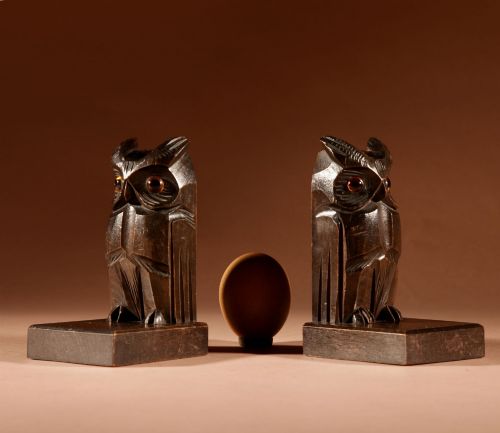


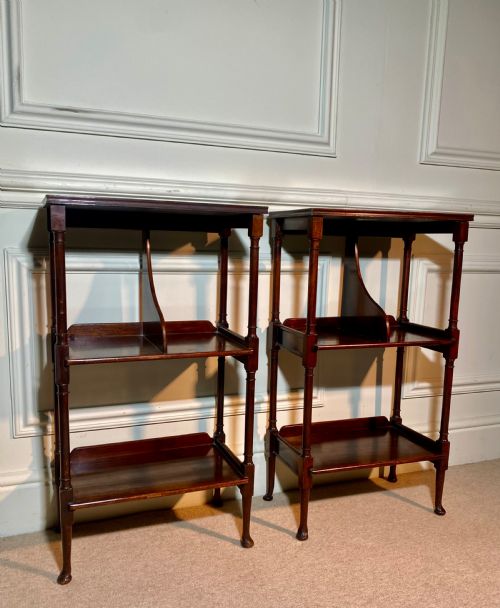


Pair Book Stands
These pair antique book stands bring useful order to a room, offering sturdy support for volumes while adding period character to a shelf.
Pair Book Stands
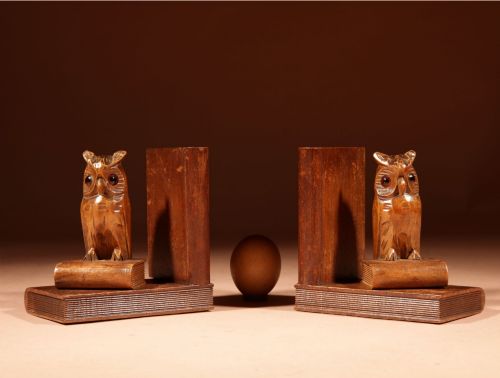
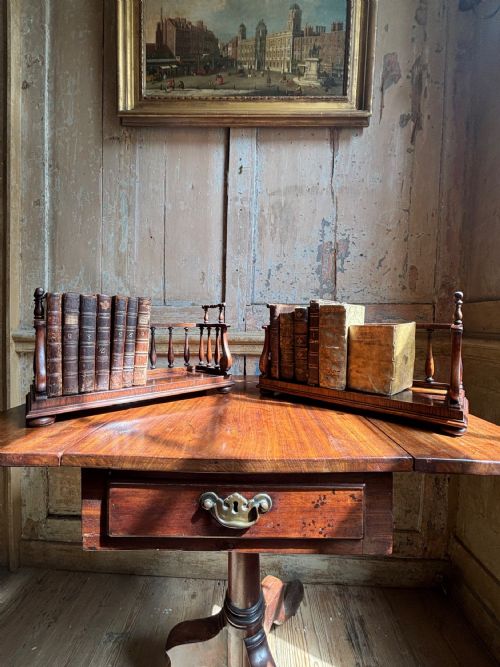
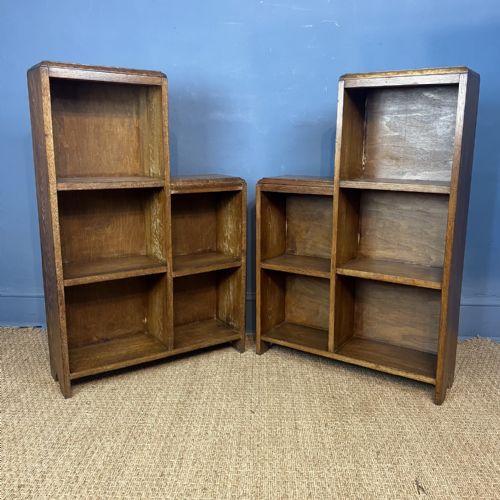
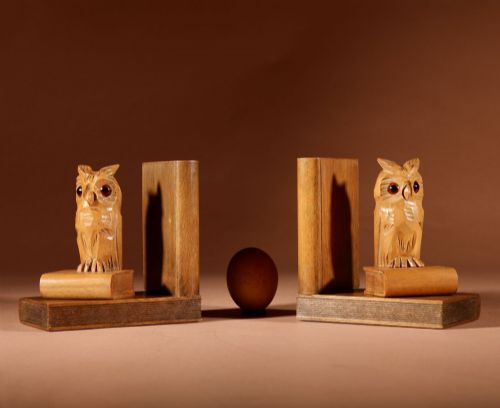
A search for pair antique book stands reveals a varied selection of functional supports and small shelf units designed to hold volumes upright. The pieces appearing here range from carved wooden bookends to larger freestanding bookcases and whatnots.
You are most likely to encounter carved wooden items and smaller resting pieces dating from the nineteenth and early twentieth centuries. These objects reflect the changing domestic tastes of Victorian, Edwardian, and later periods.
The materials and styles span traditional mahogany and rosewood forms alongside distinctive Black Forest carvings and Anglo-Indian designs. Such variety means these items serve equally as practical desktop accessories and decorative furniture.
How they were made
Construction relies heavily on dense timbers such as mahogany, rosewood, oak, and linden wood, often shaped by hand into detailed forms. Joinery techniques vary from simple box construction to intricate hand-carved animal figures and inlaid decorative motifs.
Metal and glass elements frequently appear as secondary materials, providing structural support or decorative contrast through brass fittings and ormolu mounts. These combined components demonstrate traditional cabinet-making and metalworking methods of their respective periods.
The inventory includes decorative brass and ormolu mounts alongside carved wooden animal figures like owls and elephants.
What varies in quality
The degree of hand-carving and precision in timber selection largely defines the distinction between standard items and superior examples. Finer pieces display crisp detail in sculptural elements like owl carvings or inlaid Sheraton-style veneers.
Proportion and the integration of quality mounts, such as ormolu highlights or substantial brass rests, elevate the presence of a piece. The integrity of the original construction and the preservation of natural wood grain remain central to a piece's visual standing.
The Pair Book Stands Glossary
- Bookends
- Pair of supports placed at either end of a row of books to keep them upright. They often feature decorative figures or weighted bases.
- Whatnot
- An open set of tiered shelves designed for displaying small objects or books. These pieces typically stand in corners or against walls in sitting rooms.
- Ormolu
- Gilt bronze ornamentation applied to furniture and decorative items. This technique was popular in nineteenth-century cabinet work for adding metallic contrast.
- Folio Rest
- An adjustable stand designed for holding large books, folios, or music sheets. Such pieces allow heavy volumes to be read at a comfortable angle.
Pair Book Stands: Frequently Asked Questions
How do I place book stands in a room?
These pieces sit well upon desks, mantelpieces, or sturdy tabletops where they can support a working selection of volumes. Freestanding variations like small bookcases or whatnots fit neatly beside seating or against empty wall spaces.
Positioning them away from direct heat sources helps protect the timber and any delicate inlay work over time. Regular dusting keeps the polished wood surfaces in good condition.
How do I identify the period?
Dating relies on observing construction methods, timber choices, and decorative styles characteristic of eras such as the Regency, Victorian, or Edwardian periods. Stylistic revivals often incorporate specific design cues from earlier centuries.
Matching the overall form and decorative motifs with known historical periods helps narrow down the probable date of manufacture.
Are these pieces purely decorative?
While many items serve a clear decorative purpose through elaborate carvings or brass mounts, they remain fundamentally functional objects. Bookends provide physical support for heavy volumes, and small bookcases offer practical storage for daily reading.
Using them for their intended purpose brings a sense of historical continuity into a modern living space.