

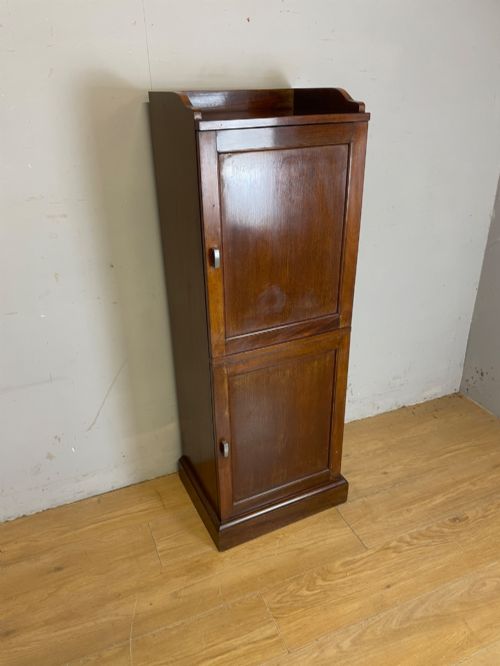
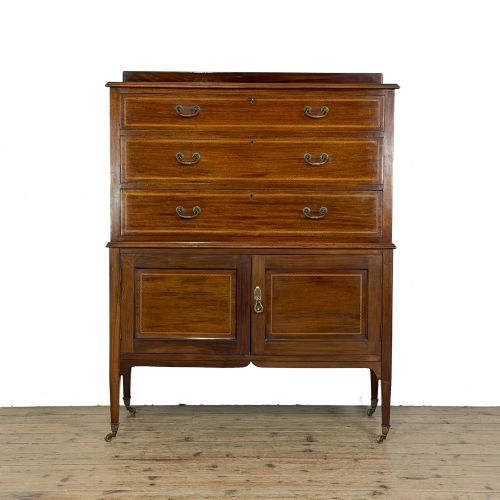
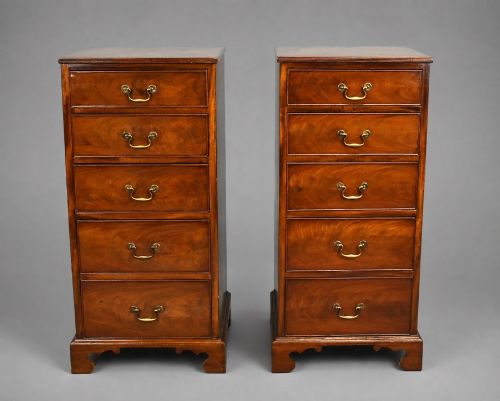
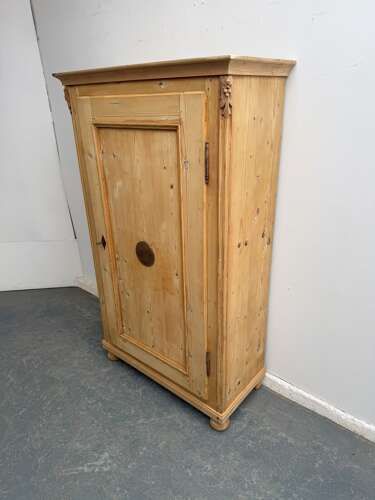

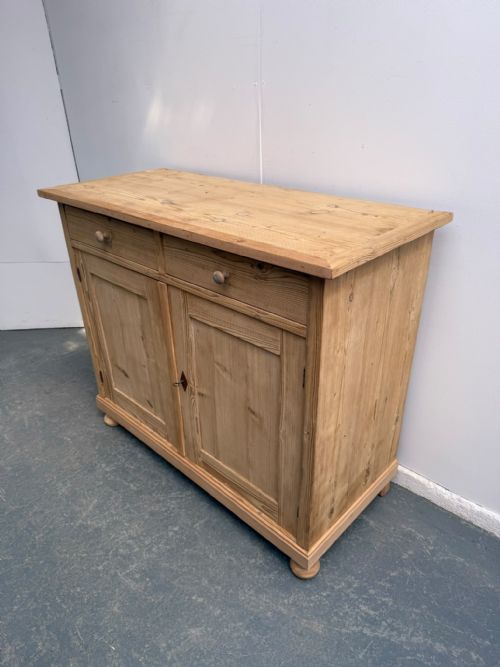
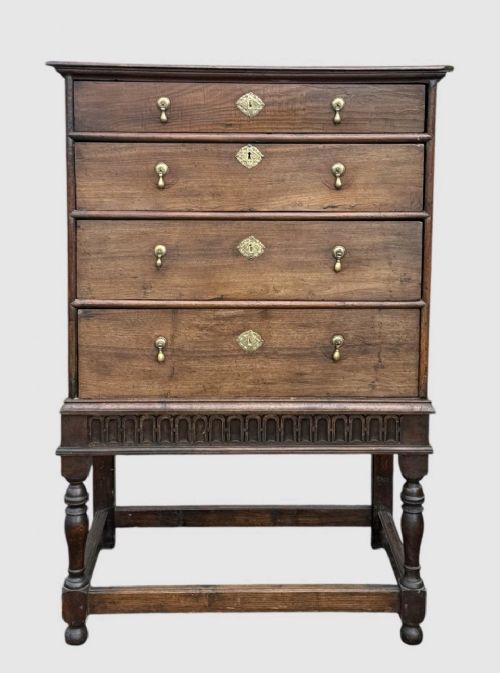
Antique Tall Cupboard Drawers
Antique tall cupboard drawers combine vertical storage with practical compartmentalisation, offering distinctive timber character and enduring utility for modern spaces.
Antique Tall Cupboard Drawers
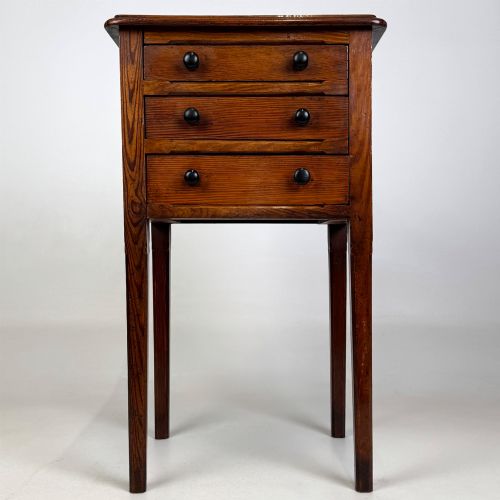
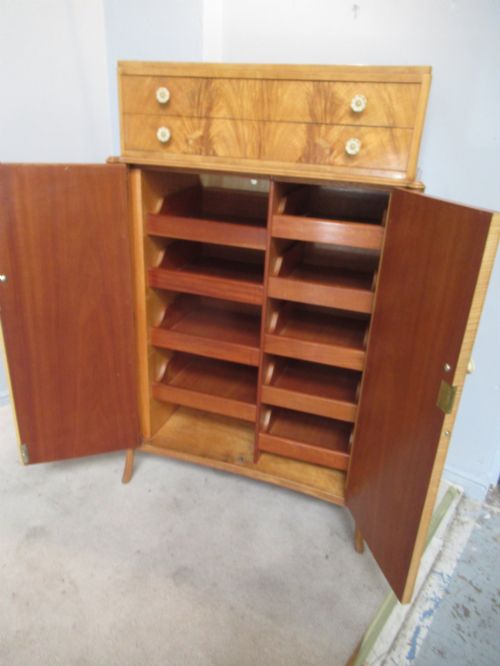
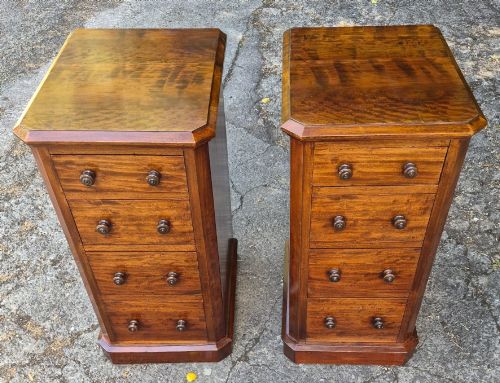
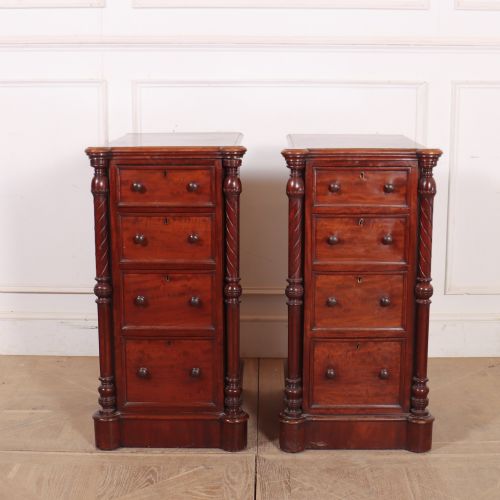
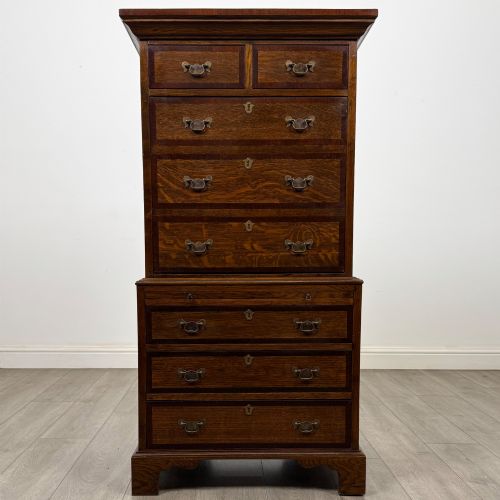
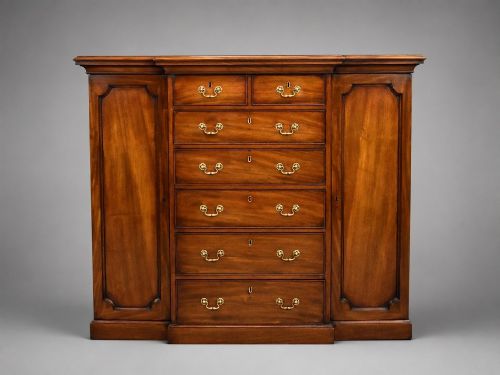
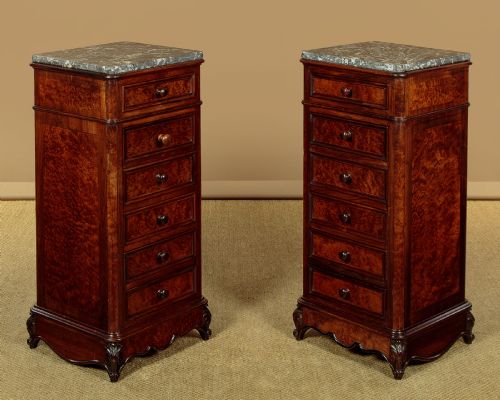
Antique tall cupboard drawers encompass a variety of vertical storage forms, ranging from towering linen presses and tallboys to narrow bedside cabinets and multi-drawer filing units. When searching for antique tall cupboard drawers, buyers frequently encounter mahogany and pine iterations spanning the Victorian, Edwardian, and Georgian periods.
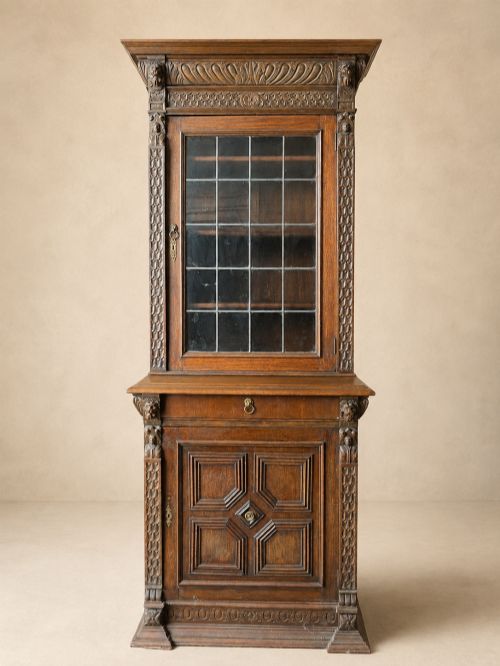
The configurations vary considerably between pieces, with some combining enclosed cupboard doors above lower drawers, while others utilise stacked horizontal drawers or narrow side compartments. These vertical pieces were traditionally designed to maximise storage footprint in domestic interiors where floor space was at a premium.
Originating across Britain, France, and wider Europe, the selections include regional pieces such as stripped pine cupboards alongside formal Georgian and Victorian mahogany case furniture. Such diversity ensures that these tall storage units integrate readily into contemporary bedrooms, hallways, and living spaces.
How They Were Made
Cabinet makers utilised dense hardwoods such as mahogany, oak, and walnut for formal case pieces, employing skill in dovetail jointing for drawers and mortise-and-tenon construction for framing. Carved details, fielded panels, and applied mouldings defined the architectural presence of these tall storage units.
Softer timbers like pine found widespread use in utility cupboards and linen presses, often selected for pieces intended to be painted or waxed. Veneers of burr walnut, kingwood, and amboyna provided decorative surfaces on finer cabinets, complemented by brass handles, escutcheons, and occasional glass elements.
Form variations include bedside cabinets, tallboys, linen presses, multi-drawer filing units, and bookcases equipped with cupboard storage.
What Varies in Quality
The calibre of a piece is evident in the selection of timber veneers and the precision of the joinery, particularly within the drawer construction and internal framing. Superior examples display consistent grain alignment, hand-cut dovetails, and original hardware that matches the period of manufacture.
Proportion and structural integrity distinguish exceptional tall cupboards from standard utilitarian storage. Pieces that maintain straight lines without timber distortion, alongside refined decorative elements such as marquetry or parquetry, represent the higher tier of cabinetmaking.
Holland and Sons·Maple and Co·Waring and Gillows·Betty Joel
The Antique Tall Cupboard Drawers Glossary
- Tallboy
- A tall chest of drawers, often consisting of a chest set upon a lower frame or stand, designed to maximise vertical storage. They emerged in the eighteenth century and remained popular through the Victorian era.
- Wellington Chest
- A tall, narrow chest of drawers secured by a hinged locking side-stile that fastens with a key. This distinctive form originated in the nineteenth century.
- Marquetry
- The art of applying decorative veneer pieces in geometric or floral patterns onto a structural carcase. It requires meticulous precision and contrasting wood selections.
- Dovetail
- A traditional interlocking joint used in drawer construction, prized for its tensile strength and resistance to being pulled apart. Hand-cut variations indicate earlier craftsmanship.
Antique Tall Cupboard Drawers: Frequently Asked Questions
What rooms suit tall cupboard drawers best?
These vertical pieces adapt readily to bedrooms, hallways, and studies where floor space is limited yet storage capacity is required. Their tall proportions draw the eye upward while keeping daily items organised behind doors or within drawers.
Larger linen presses and tallboys function effectively in dressing rooms or spacious alcoves, providing substantial compartmentalised storage without dominating the surrounding furniture footprint.
How do I distinguish Victorian from Georgian pieces?
Georgian furniture typically displays restrained classical proportions, architectural cornices, and dense native timbers like mahogany or oak. The construction prioritises formal symmetry and understated decorative banding.
Victorian pieces often introduce bolder proportions, varied revival styles ranging from Gothic to French, and softer secondary timbers alongside denser hardwoods. Machine assistance in later Victorian manufacturing also alters internal joinery marks.
Were these cupboards used only for linen?
While linen presses and press cupboards were designated for household textiles and bedding, many tall storage units served flexible domestic purposes. Multi-drawer cabinets and tallboys accommodated clothing, documents, and personal valuables.
Kitchen and pantry cupboards with drawers handled daily culinary stores, demonstrating that these tall units were adapted to whatever domestic storage the household required.
How should I care for antique timber surfaces?
Maintaining antique wood involves regular dusting with a soft, dry cloth and avoiding direct exposure to strong sunlight or fluctuating heat sources. Natural wax polishes applied sparingly help nourish older timbers without building up artificial residues.
Keeping the room humidity stable prevents the timber from warping or splitting, ensuring that drawers continue to slide smoothly within their frames.