



Antique Tabletop Lectern
These antique tabletop lecterns are practical book supports for desks and altars, designed to hold heavy volumes at a comfortable reading angle.
Antique Tabletop Lectern
An antique tabletop lectern provides a sturdy slanted rest for books, Bibles, and music sheets upon a desk or table. You will frequently find pieces originating from the nineteenth century, including the Victorian and Edwardian eras, alongside earlier eighteenth-century examples.
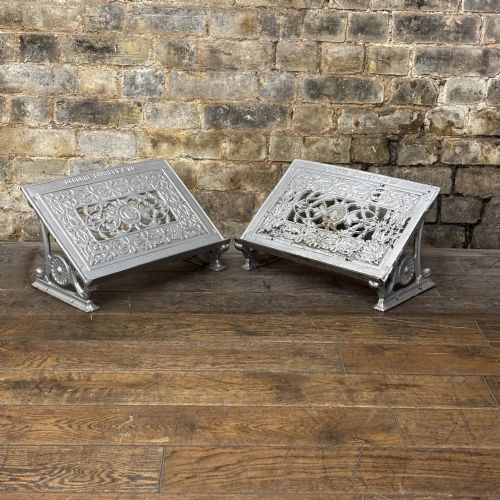
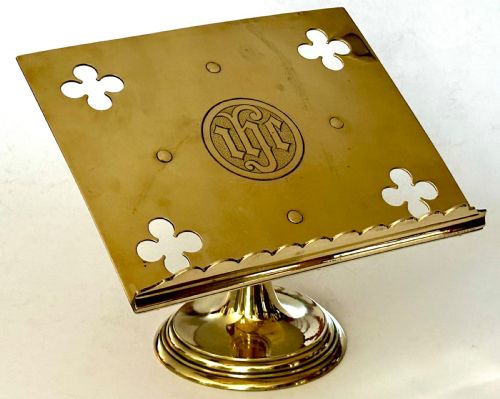
The forms vary from simple folding rests and duet stands to heavy church stands and Bishop's missal holders. Materials range from solid timbers like oak and mahogany to metals including brass and cast iron.
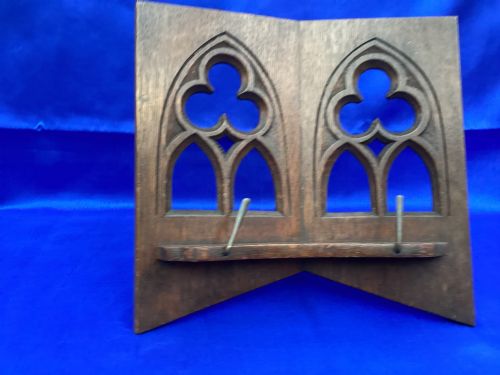
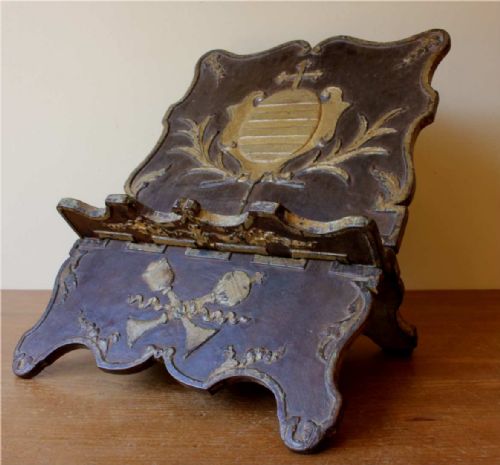
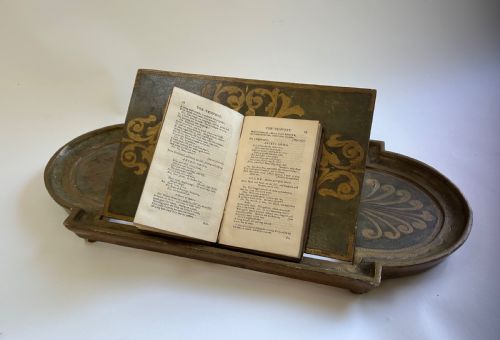
Styles represented across the selection include Gothic Revival, French Baroque, Florentine, and nineteenth-century campaign designs. These variations reflect both domestic reading habits and ecclesiastical use.
How they were made
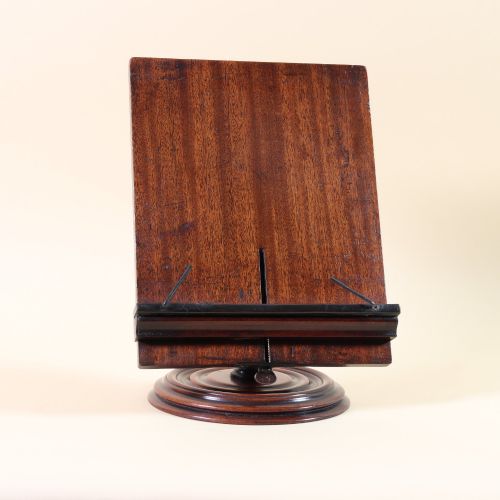
Makers utilised dense hardwoods such as oak and mahogany, joining them with traditional cabinet-making methods to support the considerable weight of large bound volumes. Brass and cast iron were cast and assembled to create robust, adjustable frames for institutional and ecclesiastical settings.
Decorative surface treatments include gesso, gold leaf, and transfer printing, as seen on Mauchline ware whitewood pieces. Metal components often received polished or patinated finishes to complement the woodwork.
The listings feature pieces spanning the eighteenth century, the Victorian and Edwardian eras, and the early 1920s in wood, brass, and cast iron.
What varies in quality
The distinction between standard examples and finer pieces lies in the choice of materials and the crispness of the carving or metalwork. Heavier timber construction and refined joinery indicate a higher grade of production intended for formal libraries or grand churches.
Decorative detail further separates the range, from plain utilitarian brass rests to elaborate Florentine carvings and French Baroque gilt surfaces. The sophistication of the folding mechanisms and adjusting struts also marks out superior workshop execution.
Osborne Garrett Co
The Antique Tabletop Lectern Glossary
- Lectern
- A slanted support holding a book at a height and angle for reading aloud. They sit upon tables or desks rather than standing on the floor.
- Campaign stand
- Portable furniture designed for travel, typically featuring folding supports or compact dimensions. Nineteenth-century examples often use mahogany for durability on journeys.
- Gothic Revival
- An architectural and decorative style drawing inspiration from medieval forms. Pieces in this style frequently display pointed arches and heavy oak construction.
- Missal stand
- A specialised book rest used to hold liturgical texts during religious services. These often incorporate folding mechanisms for storage when not in use.
- Mauchline ware
- Souvenir items made from whitewood in Scotland, decorated with photographic transfers. They represent a lighter, decorative approach to nineteenth-century reading stands.
Antique Tabletop Lectern: Frequently Asked Questions
What is a tabletop lectern used for?
These stands hold heavy volumes, Bibles, or music sheets at an angled position for easier reading. They keep books open at a specific page without requiring the reader to hold the weight.
Historically, they served in churches, private libraries, and studies where large reference texts were consulted daily.
How do I date an antique lectern?
Dating relies on identifying the timber species, construction methods, and stylistic cues such as Gothic Revival or French Baroque ornamentation. Materials like cast iron and brass also point toward specific manufacturing periods during the nineteenth century.
Makers' marks or specific regional techniques, such as transfer printing on Mauchline ware, help narrow the timeframe further.
Are these stands suitable for modern books?
The adjustable ledges and sturdy oak or mahogany shelves accommodate heavy modern cookbooks, art books, and tablets comfortably. Their solid construction prevents tipping when supporting substantial weight.
They function well on kitchen counters, desks, or side tables for hands-free reading.
What materials are most common?
Wood is the primary material, with oak and mahogany appearing frequently across domestic and ecclesiastical examples. Metals such as brass and cast iron are also common, particularly in church settings and adjustable reading stands.
Surface finishes range from plain polished timber to gold leaf and gesso.