




Antique Tabletop Bureau
These antique tabletop bureau pieces are compact writing desks and mirrors built to sit on larger furniture, offering a clever blend of storage and personal grooming space.
Antique Tabletop Bureau
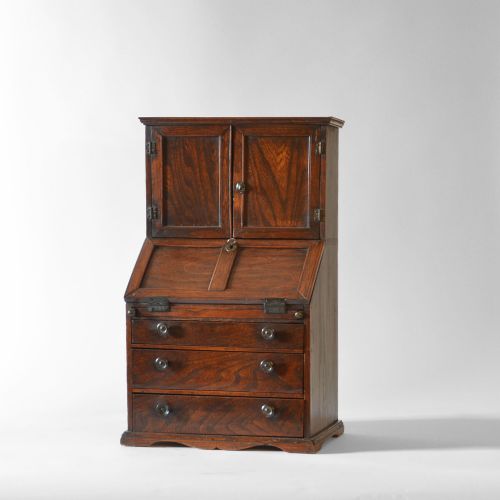
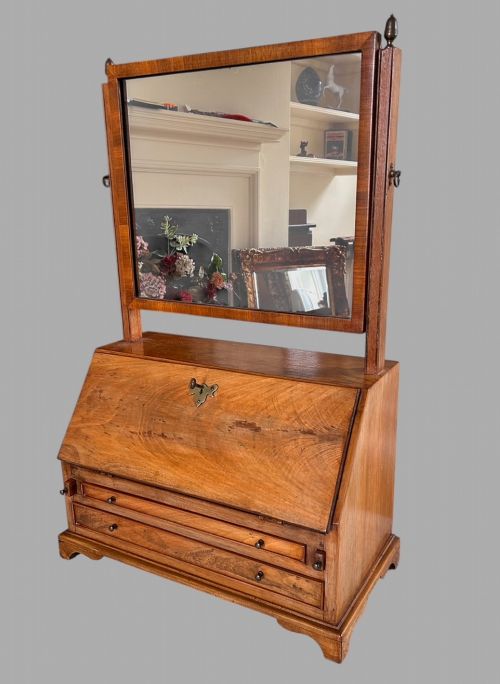
When you search for an antique tabletop bureau, you encounter a specialised form of miniature or portable furniture designed to rest upon a table or chest. These pieces combine small writing surfaces, bureau fitments, and dressing mirrors in forms ranging from William and Mary oak examples to later Victorian walnut iterations.
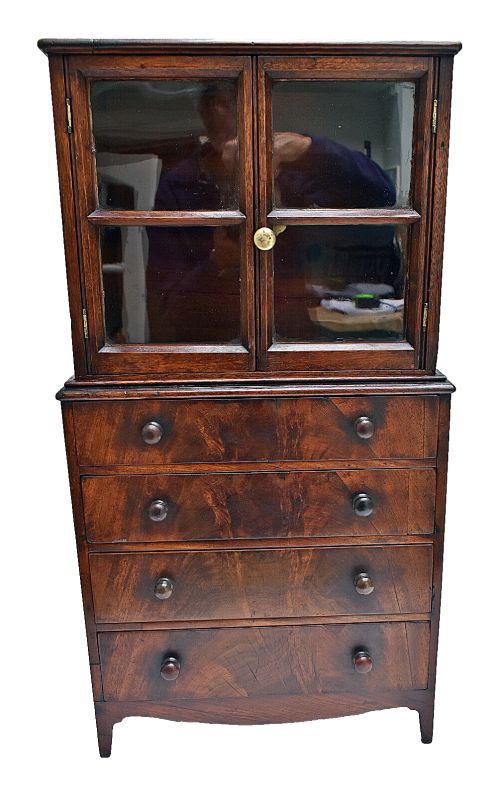
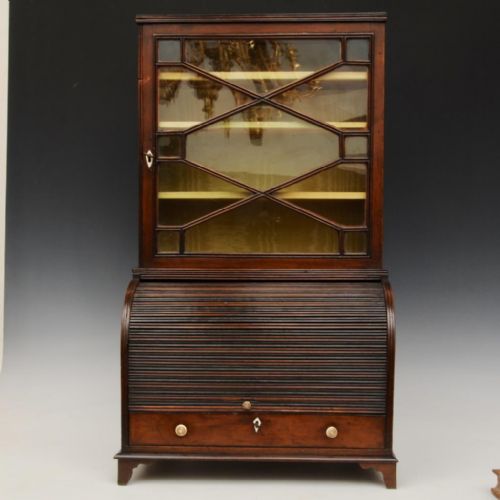
The objects seen here span several distinct centuries, including 17th century pieces, 18th century editions, and 19th century items such as Edwardian miniature mahogany desks. Forms vary from simple tabletop cabinets and escritoires with revolving tabernacles to elaborate dressing table mirrors fitted with concealed writing compartments.
You are most likely to meet walnut and oak versions across this selection, alongside satinwood and mahogany variants. Certain items lean heavily into stylistic revivals, capturing Queen Anne taste or Dutch Baroque marquetry work within a strictly domestic scale.
How they were made
Cabinetmakers constructed these small desks using solid timbers like oak and mahogany, often applying figured walnut or burr walnut veneers to primary display surfaces. Finer examples integrate contrasting stringing, marquetry details, or subtle brass hardware to accent the fall-front doors and drawer fronts.
Interior fitments demand intricate miniature joinery, featuring tiny pigeonholes, secret compartments, and small drawers assembled with traditional dovetail joints. Mirror components incorporate mirror glass or bevelled glass plates held securely within shaped wooden frames.
Antique Tabletop Bureau Retail Price Guide 2026
Typical asking prices for tabletop bureau among the pieces listed under this phrase on Sellingantiques today, from the lower quarter to the upper quarter. They describe what is for sale here now, not the wider market.
Listings span multiple centuries, incorporating oak, walnut, mahogany, satinwood, brass, and bone across various domestic forms.
What varies in quality
Quality in these diminutive pieces rests upon the selection of timber veneers and the precision of the internal cabinet work. Finer examples display carefully matched figured walnut or lively burr walnut grains that wrap seamlessly across the fall-front and drawers.
The sophistication of the mechanism and internal arrangement also dictates the tier of the piece. Simple hinged flaps contrast sharply with elaborate escritoires featuring revolving tabernacles or intricate dressing mirror frames carved in the Queen Anne style.
The Antique Tabletop Bureau Glossary
- Escritoire
- A small writing cabinet or desk. These units typically feature a fall-front writing flap and internal compartments.
- Tabernacle
- A central architectural recess or cabinet within a larger piece of furniture. Revolving versions allow access to hidden compartments from multiple angles.
- Marquetry
- Inlaid woodwork forming decorative patterns using various tinted woods. Dutch examples frequently employ floral motifs.
- Fall-front
- A hinged writing flap that drops down to form a horizontal desk surface. It conceals small drawers and pigeonholes when closed.
- Dressing mirror
- A table mirror mounted on upright supports above a small base box. They often incorporate small drawers for trinkets.
Antique Tabletop Bureau: Frequently Asked Questions
What is an antique tabletop bureau?
These pieces are small, portable writing desks and dressing mirrors designed to sit on top of tables or larger chests of drawers.
They provide a compact writing surface and internal storage compartments without occupying floor space.
How were these small desks used?
Owners used them for personal correspondence, keeping accounts, and storing small valuables.
Many examples also doubled as dressing mirrors for bedrooms and boudoirs.
What woods were commonly used?
Cabinetmakers utilised oak, walnut, mahogany, and satinwood for their construction.
Figured walnut and burr walnut veneers were frequently applied to enhance the visual appeal.
How do I date an antique bureau?
Dating relies on observing construction techniques, timber choices, and stylistic influences such as William and Mary or Queen Anne.
Hardware styles and secondary woods also provide reliable clues to the period of origin.