




Antique Tablespoons
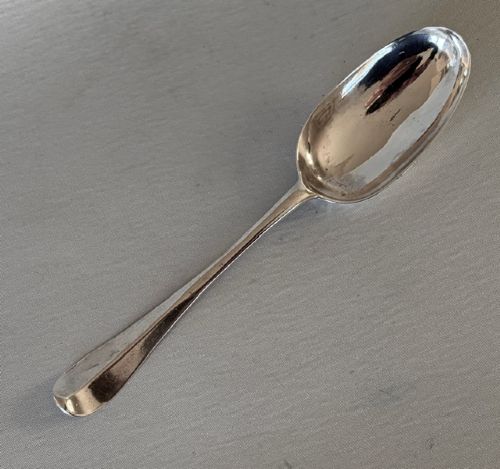
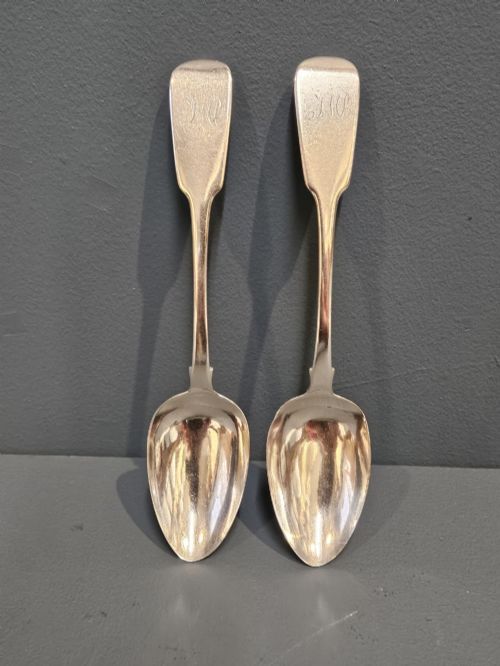
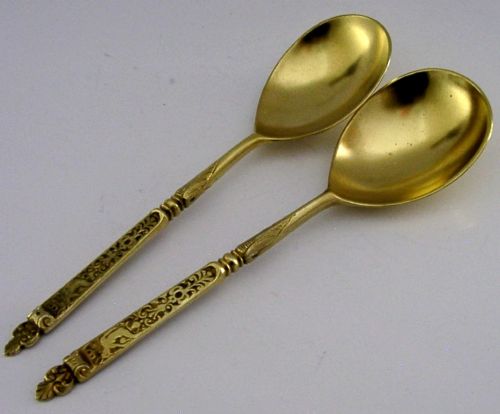
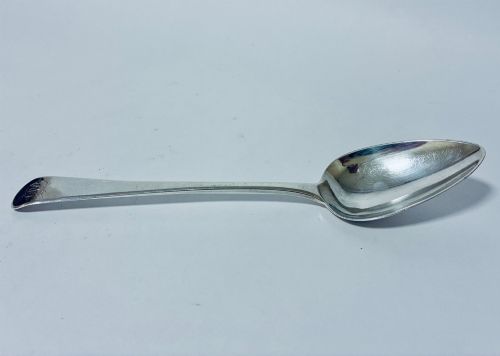
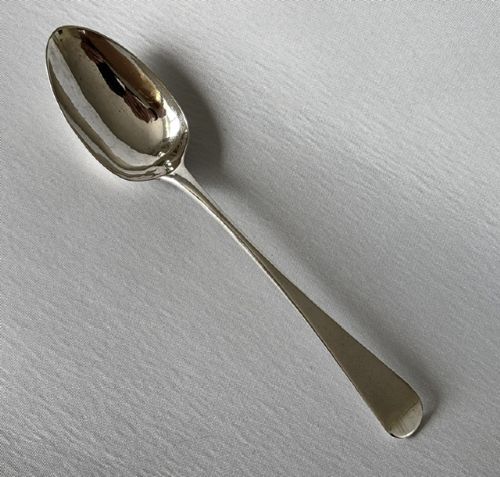
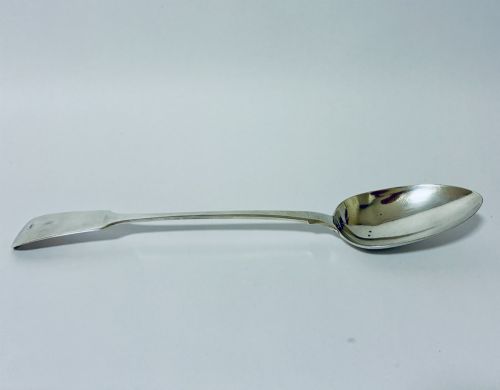
Antique tablespoons are substantial domestic silver utensils spanning the late seventeenth to the early twentieth century, offering a tactile link to historic dining habits.
Antique Tablespoons
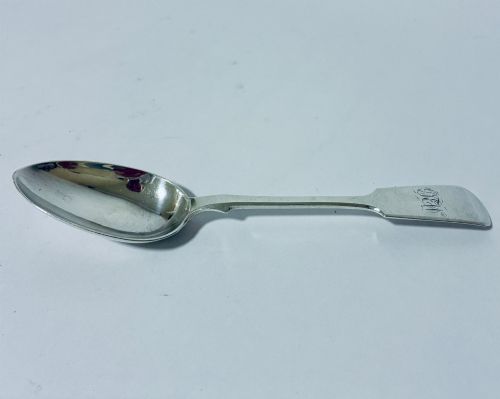
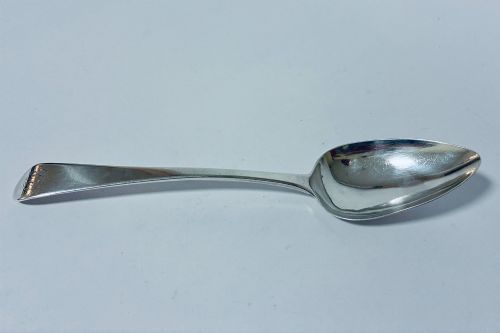
You are most likely to meet Georgian silver tablespoons and serving spoons on this page, reflecting the strong survival rate of eighteenth-century tableware. These pieces originate from London workshops as well as provincial centres such as Exeter, Inverness and various Scottish towns.
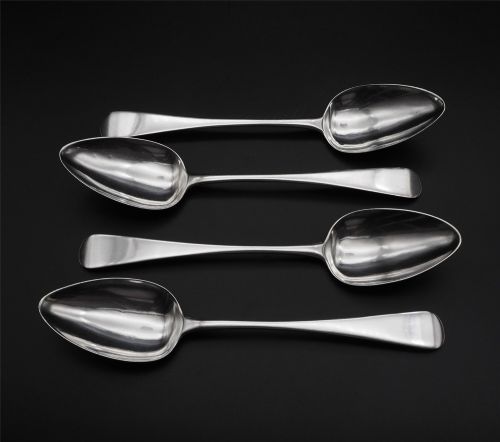
The selection extends from single items to matched pairs and larger sets, encompassing both everyday dining spoons and larger serving implements. Materials range from standard sterling silver to Britannia silver and solid French silver, alongside occasional examples incorporating wood.
Distinguishing quality
The distinction between ordinary and superior pieces rests on the crispness of the hallmarks, the preservation of the original bowl profile against wear, and the clarity of any engraved crests or decoration. Early provincial spoons derive additional interest from regional variations in manufacture and the reputation of specific makers.
Weight and gauge also dictate quality, as thinner stems bend more readily with use whilst heavier gauges maintain their structural integrity and balance over centuries of handling.
Antique Tablespoons Retail Price Guide 2026
Typical asking prices for tablespoons among the pieces listed under this phrase on Sellingantiques today, from the lower quarter to the upper quarter. They describe what is for sale here now, not the wider market.
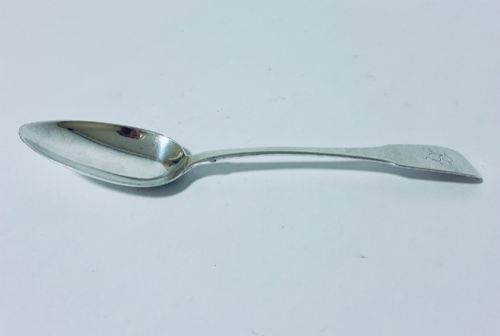
A stag crest engraved onto an early eighteenth-century spoon bears silent witness to a long-forgotten noble dining room.
John Lambe·Peter and Jonathan Bateman·James Tookey·Isaac Davenport·James Tait·Benjamin Prosser·John Pike·Richard Rae·J Ladyman·Jabez Daniell·Henri Soufflot
The Antique Tablespoons Glossary
- Dognose tablespoon
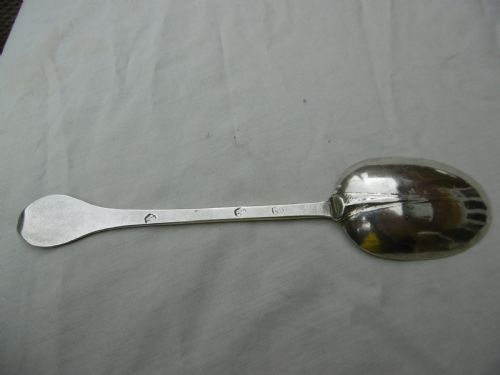
- An early eighteenth-century spoon style featuring a rounded, upturned terminal resembling a dog's nose. This form bridges the transition between the earlier trefid and later Hanoverian patterns.
- Trefid tablespoon
- A late seventeenth-century spoon characterised by a flat, three-lobed terminal and a broad stem. It frequently displays ornamental rat tail reinforcement on the back of the bowl.
- Britannia silver
- A higher standard of silver alloy introduced by statute in England, containing ninety-five point eight percent pure silver. It was mandatory for all silver plate for a brief period in the early eighteenth century.
- Rat tail
- A tapering ridge of metal extending from the stem down the back of the spoon bowl. It provides structural strength to the junction where the handle meets the bowl.
- Provincial silver
- Silverware marked and manufactured outside the main assay office of London. Pieces originating from towns such as Exeter or Inverness often display distinctive regional maker marks.
Antique Tablespoons: Frequently Asked Questions
What is an antique tablespoon?
Antique tablespoons are large silver dining or serving implements produced before the twentieth century. They differ from modern equivalents by their greater weight, hand-raised bowls and distinct historical handle patterns.
These pieces were intended for serving food at the table or for individual dining before the standardisation of modern place settings. Their survival documents centuries of changing domestic silver design.
How do I date an antique tablespoon?
Dating relies primarily on the style of the terminal, the shape of the bowl and the stamped hallmarks. Maker marks, date letters and tax marks stamped into the silver provide precise indications of origin and year.
Form also guides the dating process, as seventeenth-century trefid profiles differ markedly from eighteenth-century Hanoverian or nineteenth-century Old English patterns.
Can I use antique tablespoons daily?
Many people use antique tablespoons for everyday dining, as solid silver is durable and designed for practical use. Regular handling develops a soft patina over the centuries.
Careful hand washing without harsh abrasives preserves the engraved crests, delicate hallmarks and original surface texture of early silver.
What is provincial silver?
Provincial silver refers to pieces made and marked outside the capital city by local silversmiths. Towns such as Exeter and various Scottish locations maintained their own distinct smithing traditions.
Collectors often prize provincial spoons for their scarcity and the unique regional variations found in their stamps and manufacture.